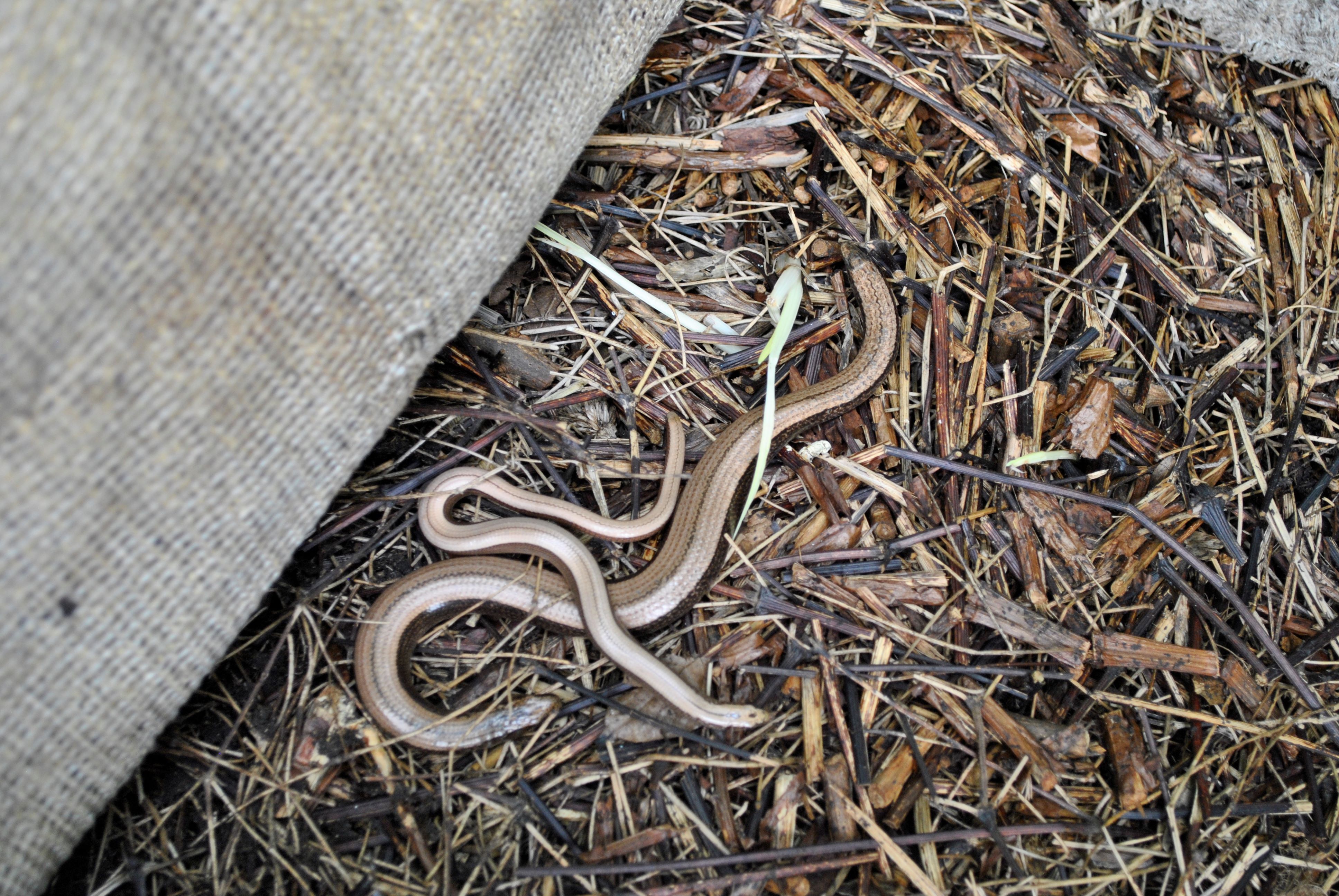
Definitely NOT what you want in your prized white Allium ‘Mount Everest’. I am plagued with snails this year. I have looked in all the usual hiding spots to clear them away, but still they appear.This chap obviously thought he would be safe here!
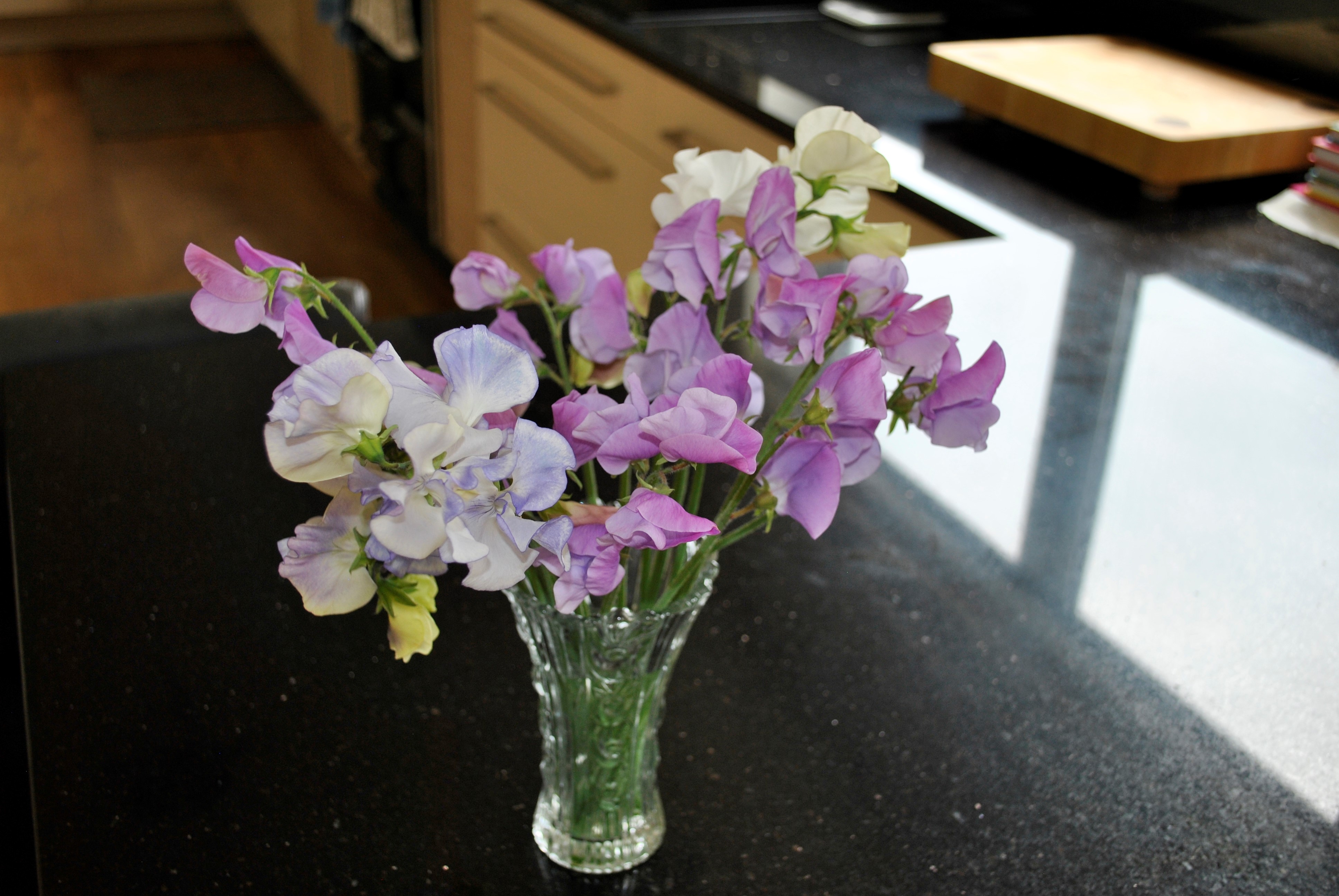
First Sweet Pea flower of the year. A pretty pink one, which is amazing because I only sowed white and blue ones! They were supposed to be a mixture of creamy white ‘Cathy’ and blue flaked ‘Betty Maiden’. No matter, they are all gorgeous.
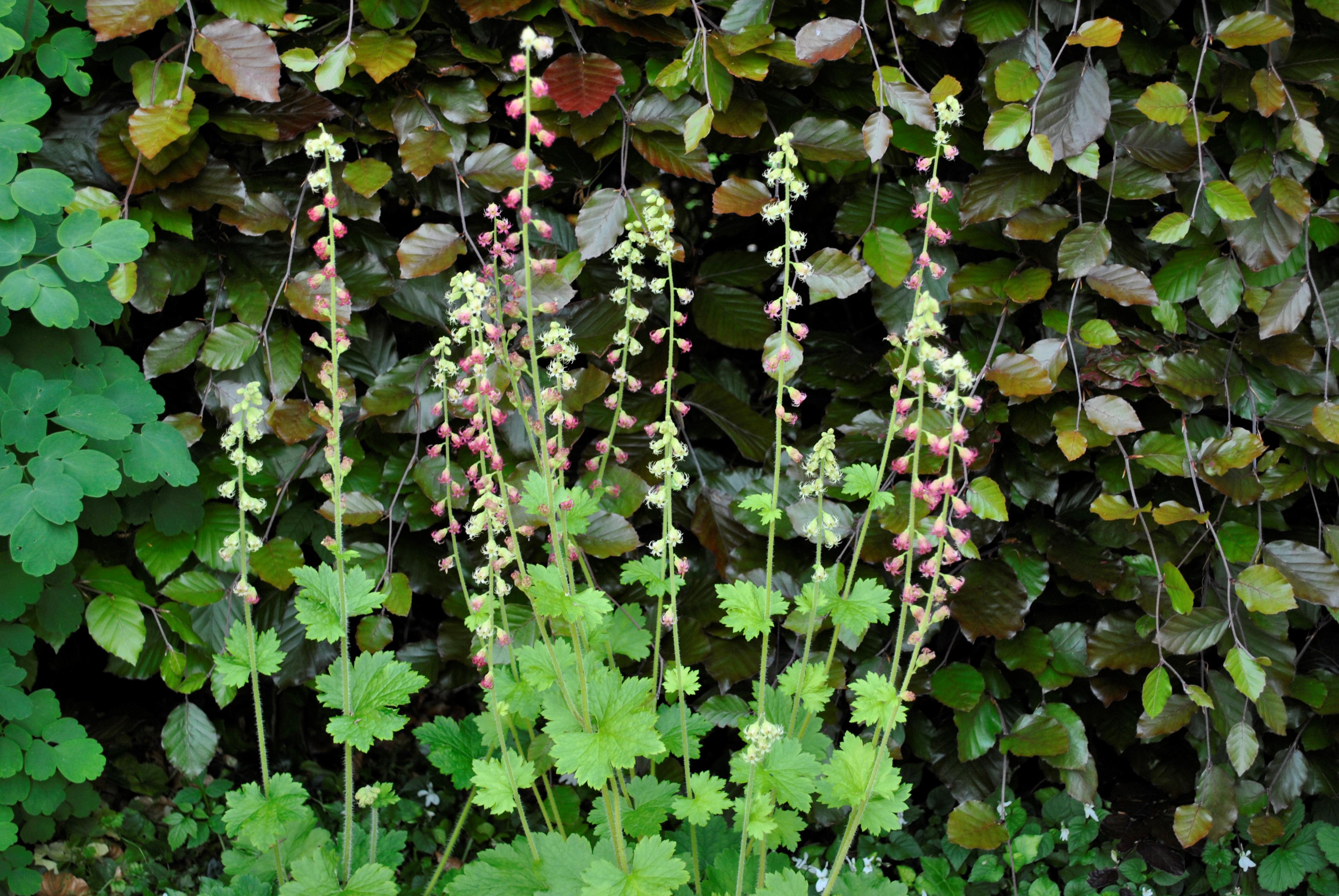
This little plant hardly ever gets a mention, maybe because the leaves look very similar to Wood Avens, and gets weeded out earlier in the year. Tellima grandiflora or Fringe Cups, is a western North American wildflower which is now a common sight along British hedgerows and in deciduous woodland in spring. It has tiny yellow or red flowers and soft felty leaves..
Not in my garden (obviously!) but an ocean of wild garlic along the banks of a stream in Painswick this week. I found it interesting that the flowers were more prevalent on the sunny side of the stream.
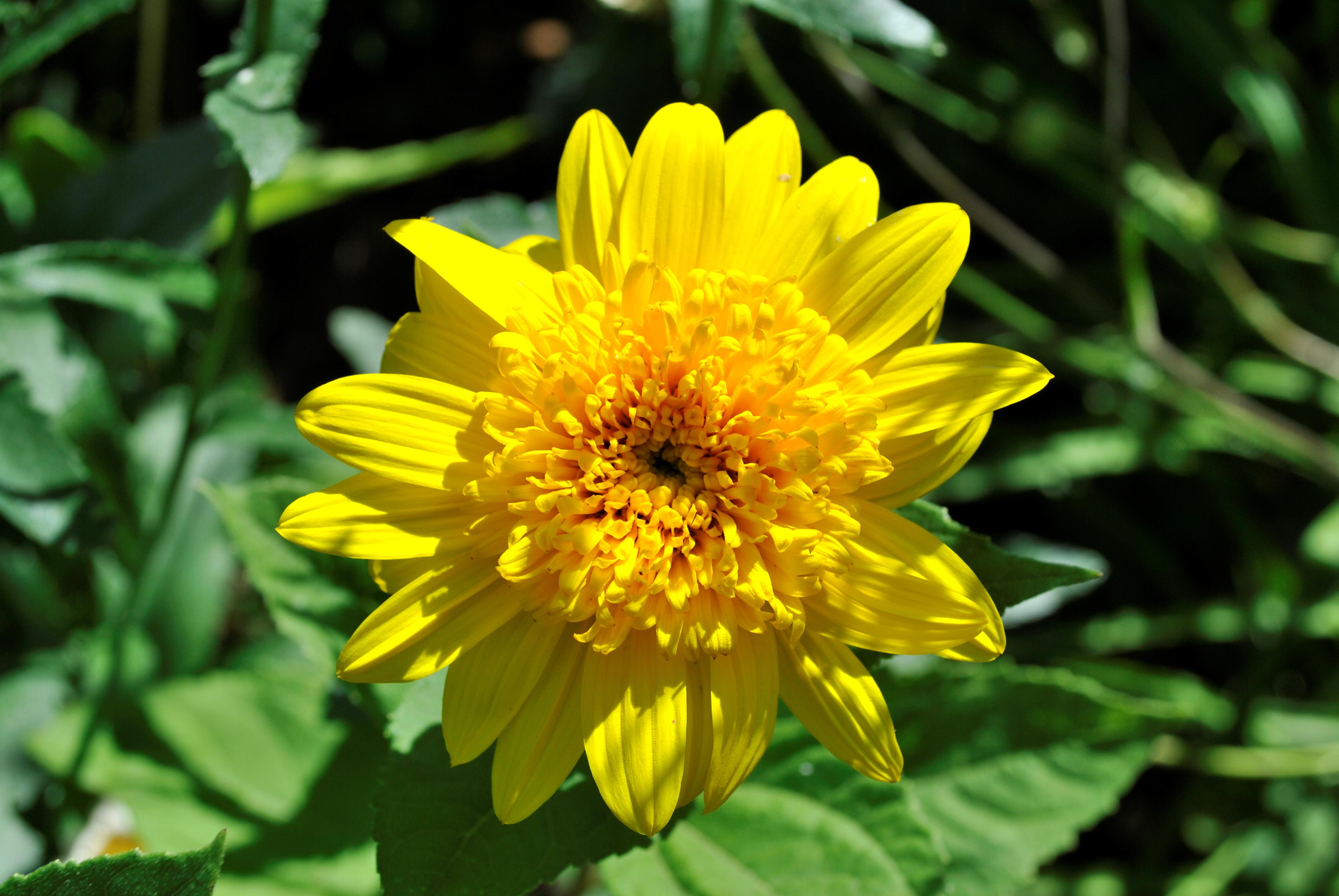
A veritable forest of perennial sunflowers, Helianthus ‘Miss Mellish’, which are due for the ‘Chelsea Chop’ next week. I try to tier them by chopping them shorter at the front and leaving some untouched in the middle. That way I get more flowers over a longer period.
Just emerging is Clematis integrifolia, which would normally sprawl over other shrubs but I keep it contained within a grow-through ‘lobster pot’ to get it to grow vertically and so I can appreciate the beautiful mauve flowers en-masse. It works well with roses and the background of Trachelospermum jasminoides which will hopefully be in flower next week if this beautiful weather continues.
Good weather at last! Warm sunny days have boosted growth in already moist soil and things are looking great! This shot of the middle garden captures the intensity of the late afternoon sun. The Thalictrum, in particular, has really enjoyed all the rain.
The China rose, Rosa mutabilis, is always early; her delicate floaty pink petals enjoying the conditions. This amazing rose will flower consistently from now until November without a break. I find it needs a bit of support but that may be because it is relatively young and hasn’t got a lot of roots to anchor it yet.
The evergreen Agapanthus africanus ‘Glenavon’ is excelling itself this year with 14 flower spikes currently, and possibly more to come. This usually means it is pot bound and ready to be divided! Overwintered completely dry in the cold greenhouse for 5 months, and then fed and watered like mad, seems to mimic the conditions it would find in its native South Africa. The only thing missing is fragrance. If it was pleasantly scented it would be amazing.
Easy to overlook, but shouting to be seen and heard is this tiny Euphorbia cyparissias peeping out beneath some Lysimachia ‘Firecracker’. An unintended combination, but a pleasing one nevertheless.
Thanks to this blog, a kind friend gave me some pink Hesperis matronalis last year to compliment my forest of white. I now have a modest quantity of both. It is a very pleasant native but can be a thug if it likes your garden. It seeds prolifically and would take over this border if I allowed it free reign. A very useful early spring flower to break up the mass of green. Pleasantly scented, particularly in the evening, as it is also pollinated by moths and other night flying insects as well as bees and butterflies during the day
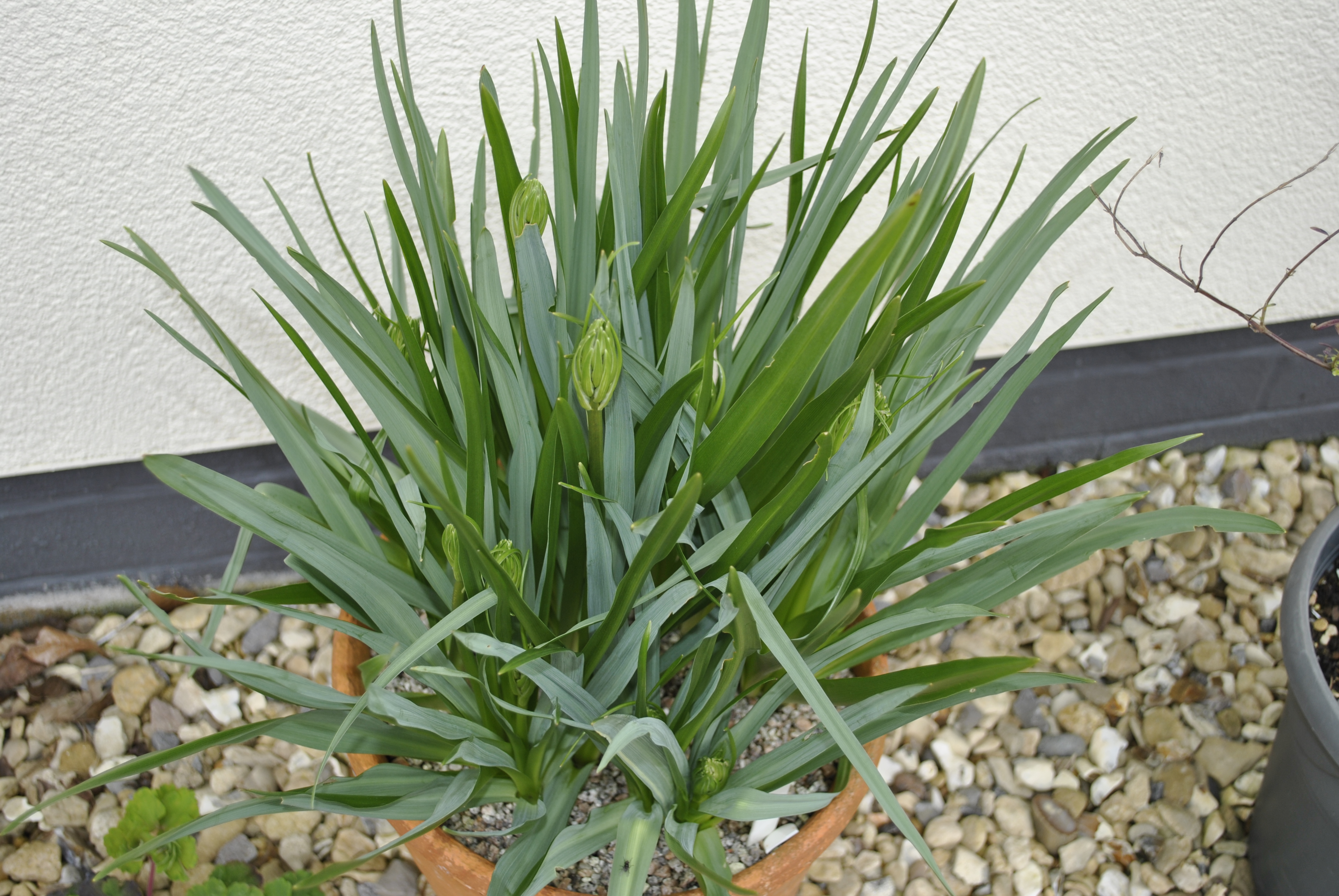
.Another kind friend gave me what she thought were 4 white camassia bulbs which have turned out to be Anthericum liliago, commonly called St. Bernard’s Lilies. I grew them in a pot this year, but now I know what they are, I will find a suitable spot in the garden. The creamy white star shaped flowers do resemble camassia and they are in the same family, Asparagaceae.
And finally for this week, the earliest flowering Thalictrum in my garden is always this Thalictrum aquilegiifolium which found its way under the beech hedge some years ago and seems to enjoy the company. The frothy pink flowers are loved by bees and provide much needed early nectar. Easy to grow, tough as old boots and flowers for weeks on end.
I want to start by thanking all those who helped me with my media storage issue last week. Deleting all the pre-2020 images in the WordPress media library has resulted in 2.4GB of free space, and by resizing images by 10-50%, the quality does not seem to be overly compromised and it means I can continue with the blog without additional storage costs. As many followers have said, realistically, how many people stumble across older posts anyway? My stats would suggest….not many!
The image of Wisteria sinensis ‘Prolific’ above has been reduced to 90% of it’s original size, but this has resulted in a massive drop from 4.3MB to 1.9mb without any discernible loss of quality. The Wisteria is already beginning to suffer from the cold nights and chilling wind we have experienced recently, so this is the last shot for this year. Can you smell the fragrance though?!
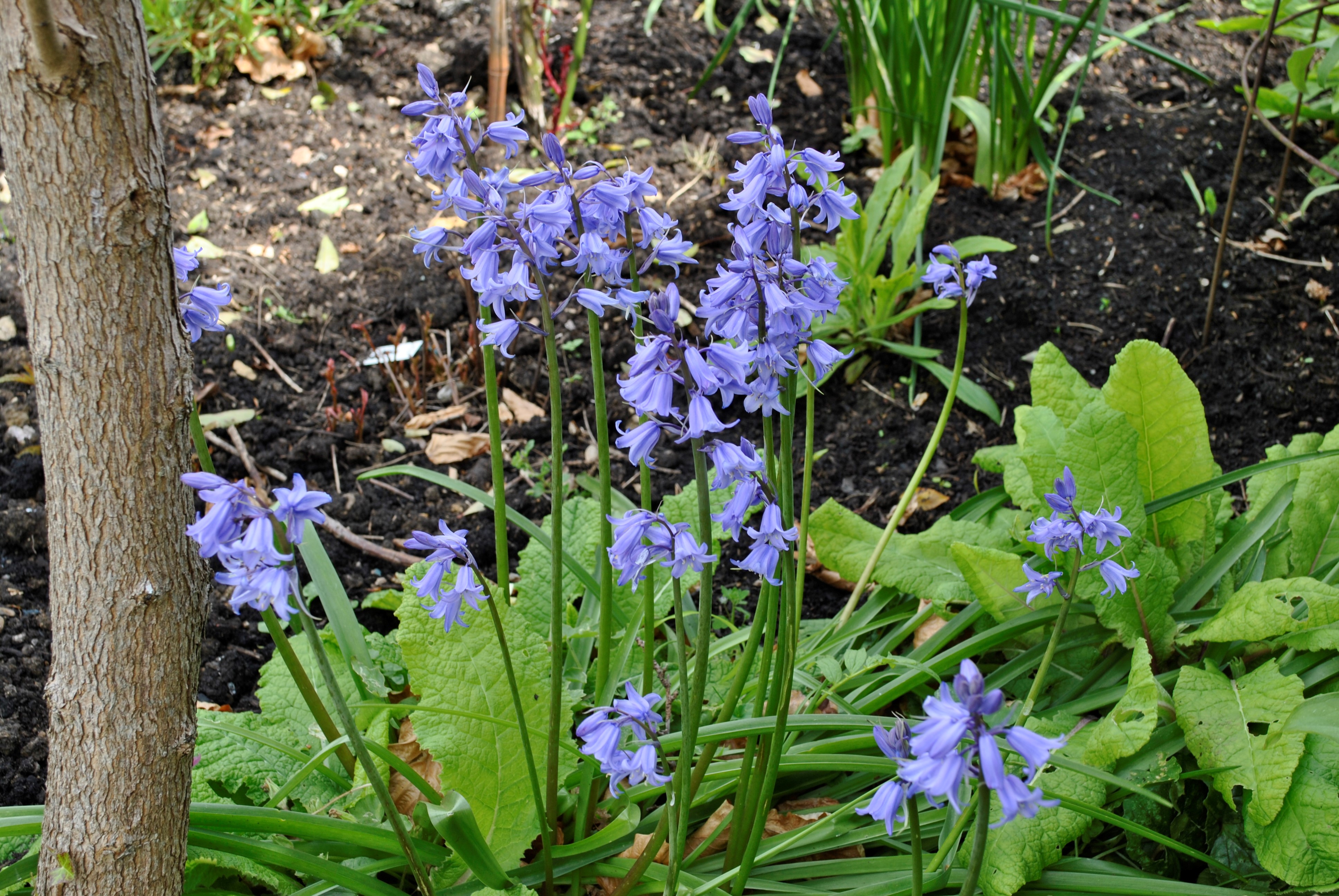
I suffer one or two clumps of ‘Spanish’ Bluebells where I think they have a positive effect, and these very dark ones add a splash of colour to an otherwise green scene at the moment. However, as soon as the flowers go over, up they come! As I mentioned to Jim a few weeks ago, these are not the true Spanish Bluebell, Hyacinthoides hispanica, but a hybrid called Hyacinthoides × massartiana which accounts for the huge disparity in colour forms. I even have white and pink ones! Apparently, there are now no true Spanish Bluebells in the UK, they have just left us their hybrid offspring. Of course, in Scotland, Bluebells are an entirely different thing!
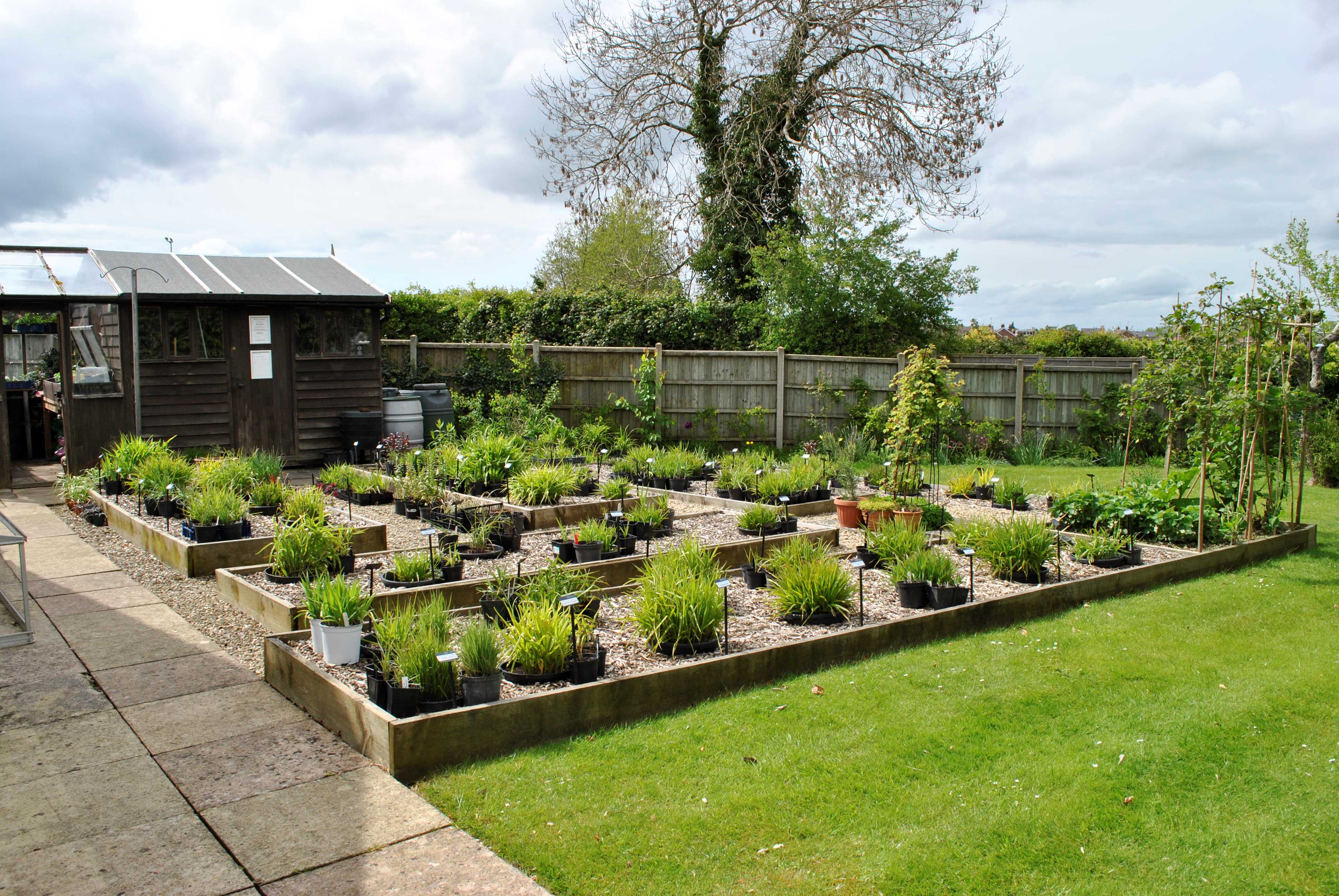
A landscape image of the rear garden where I keep the Tradescantia National Collection and this was just to see what effect size reduction had on it. Not as clear and sharp as the original but an 75% saving in storage size from 4.3MB to 1.1MB, so well worth it.
The hardy Tradescantias all survived the relatively mild winter and have loved all the rain. I have been lifting and dividing them for plant sale donations, plus heirs & spares as insurance against losses. However, in 4 years, I have only lost one plant out of 55, so they are tough!
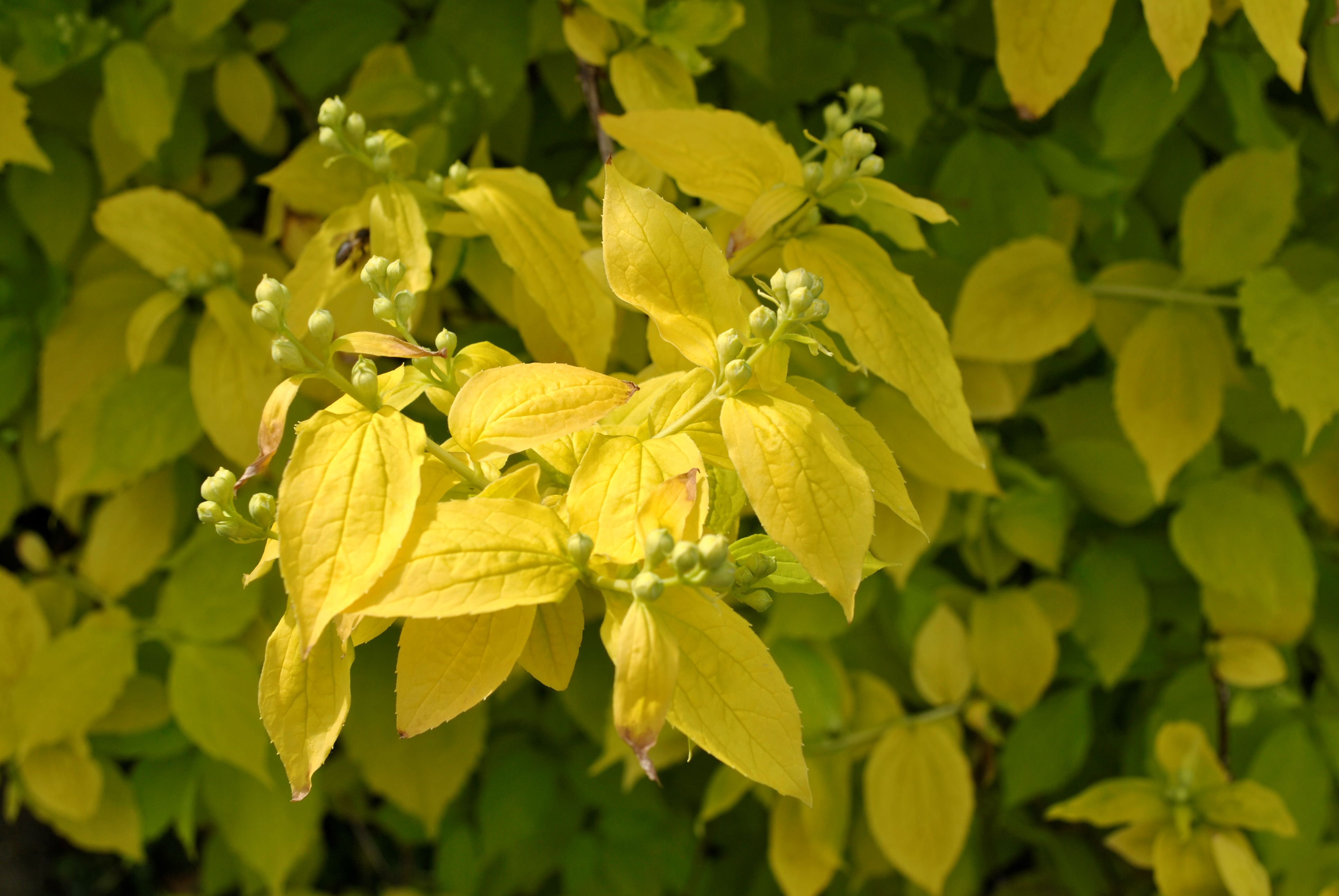
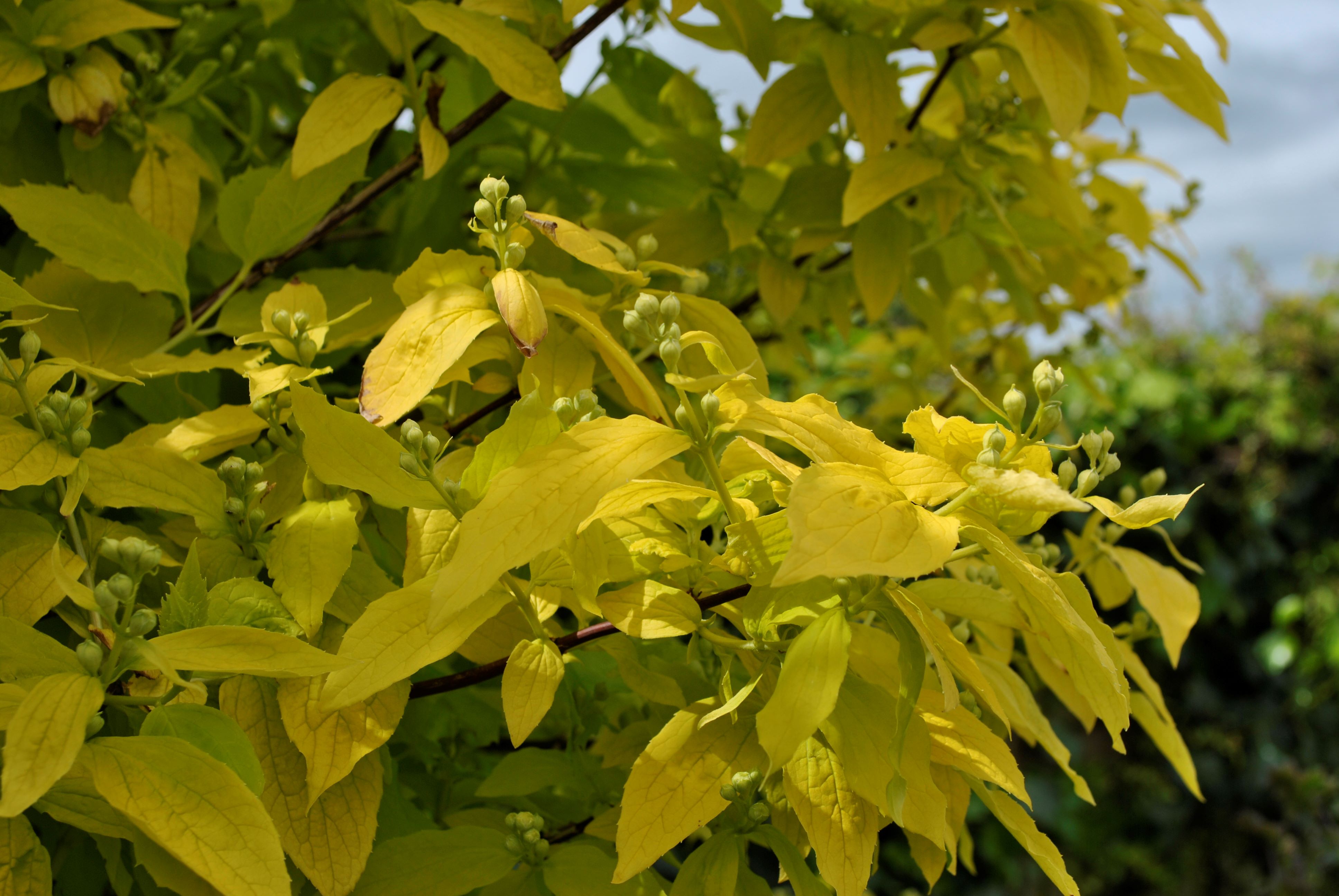
Philadelphus coronarius ‘Aureus’, the Mock Orange with brilliant yellow foliage, is looking splendid at the moment with lots of flower buds forming. However, it doesn’t do well in full sun with the leaves turning brown and ‘sunburnt’ later in the summer. I will chop this one back hard after flowering as it is outgrowing its spot. A great centrepiece at this time of year though, it positively shines.
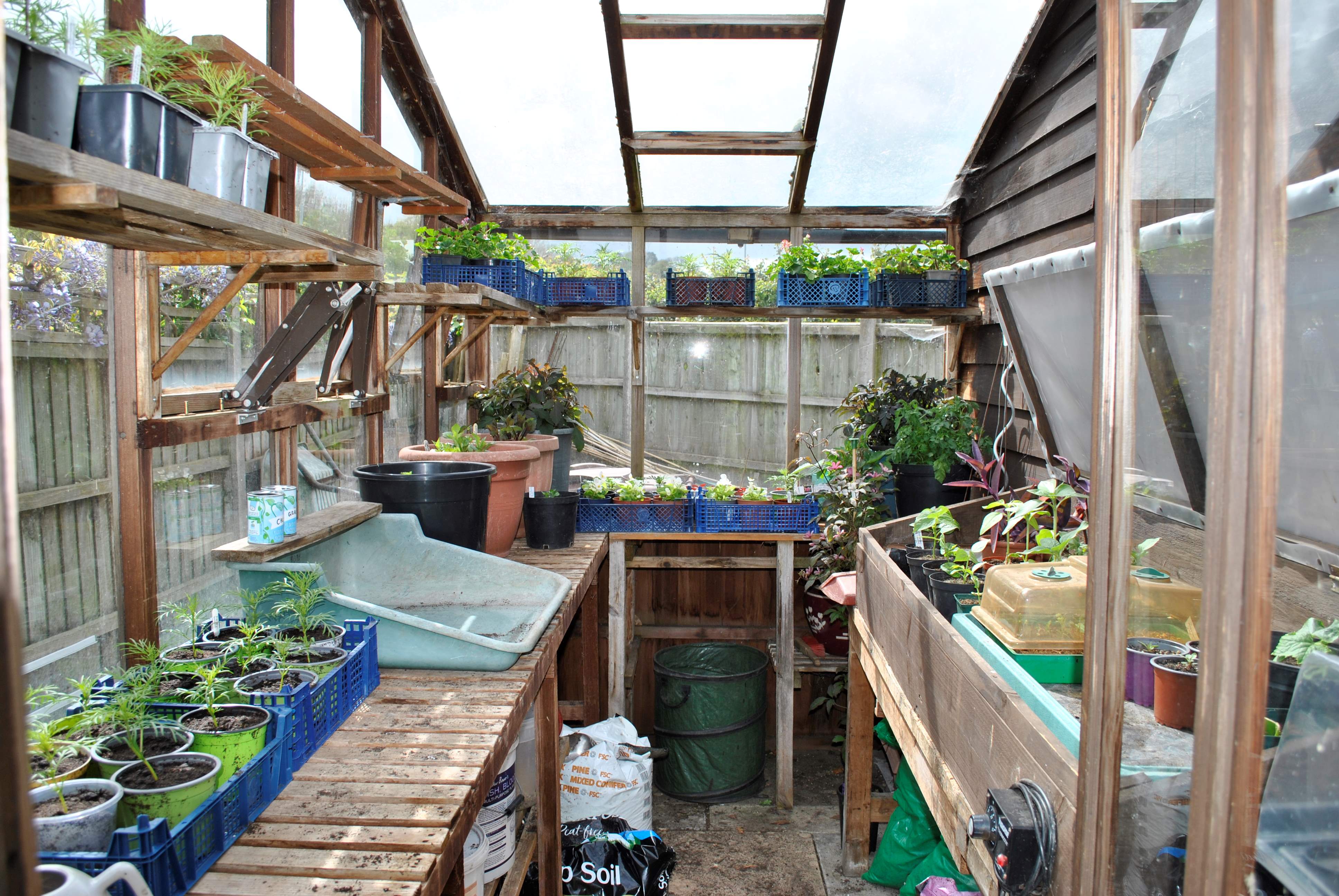
My scruffy old lean-to red cedar greenhouse has been an essential part of my gardening for the past 15 years and was a good decision even though, as all the books tell you, it is never big enough! It has been my sanctuary on wet days, my excuse for not doing heavy work if I am feeling a bit low, and a great place to listen to the radio. My homemade propagator with its heating cable under a bed of sand whose thermostat broke years ago; the shelving brackets from Ikea holding slatted shelves made from old roofing battens, and the windows which now have to be propped open because the automatic openers died ten years ago; these are the things we just put up with. I wish I had kept a record of the thousands of plants grown from seeds & cuttings, brought on from mini-plugs, and overwintered as tender perennials and tubers. It has been a good friend, and now needs a good clean!
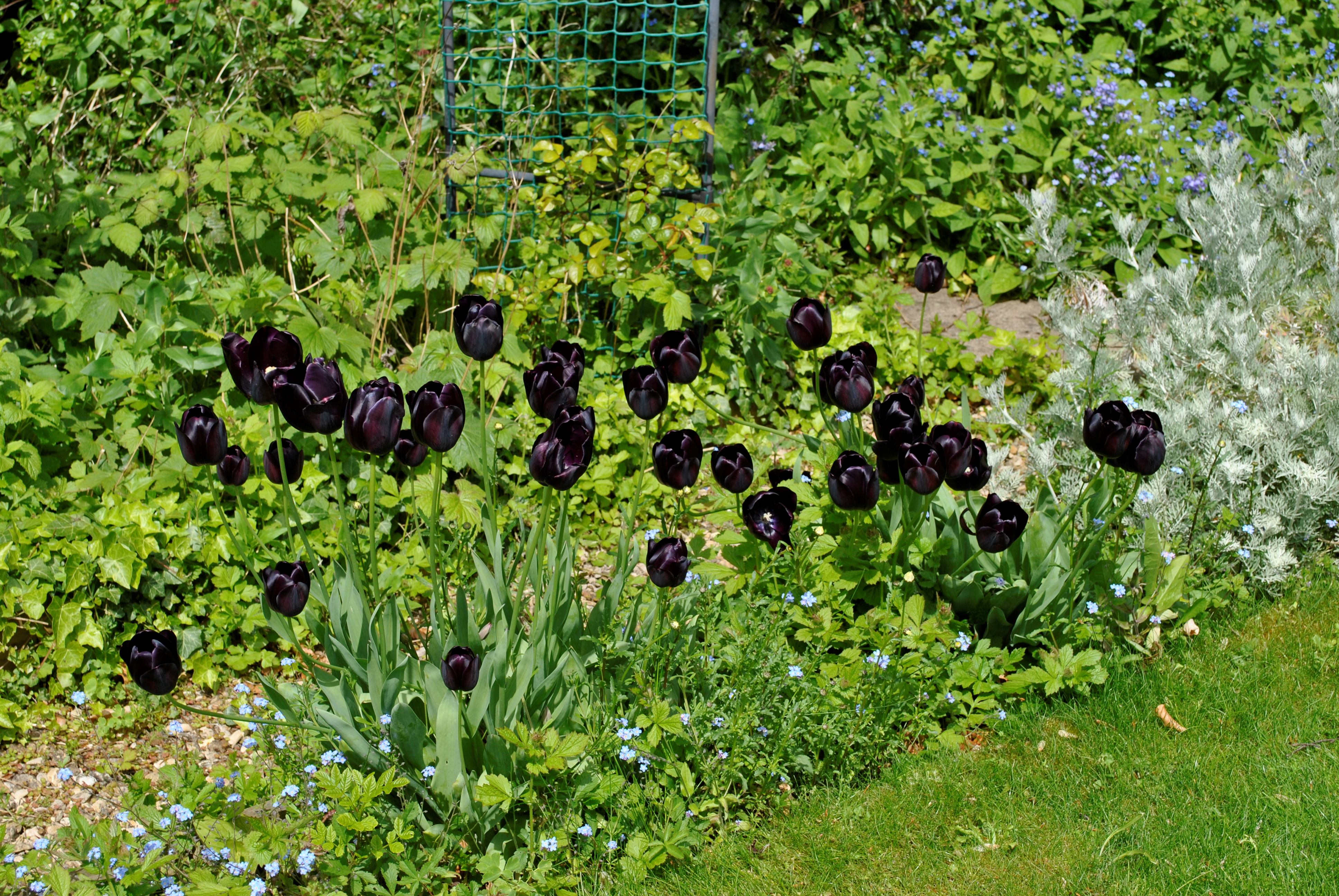
Finally, for anyone looking for a good dark tulip that comes back year after year, I can definitely recommend ‘Queen of Night’. These were planted 7 years ago after growing in a container for a year and have multiplied by at least 100%. Admittedly, they are in a bed in the back garden which gets baked hard in summer and never watered, which is what they get in their natural habitat, but they seem to thrive on that neglect.
Well, that’s my six for this week. Photos reduced in size and none the worse for it.
Thanks again to my fellow bloggers for their help and advice. It was much appreciated.
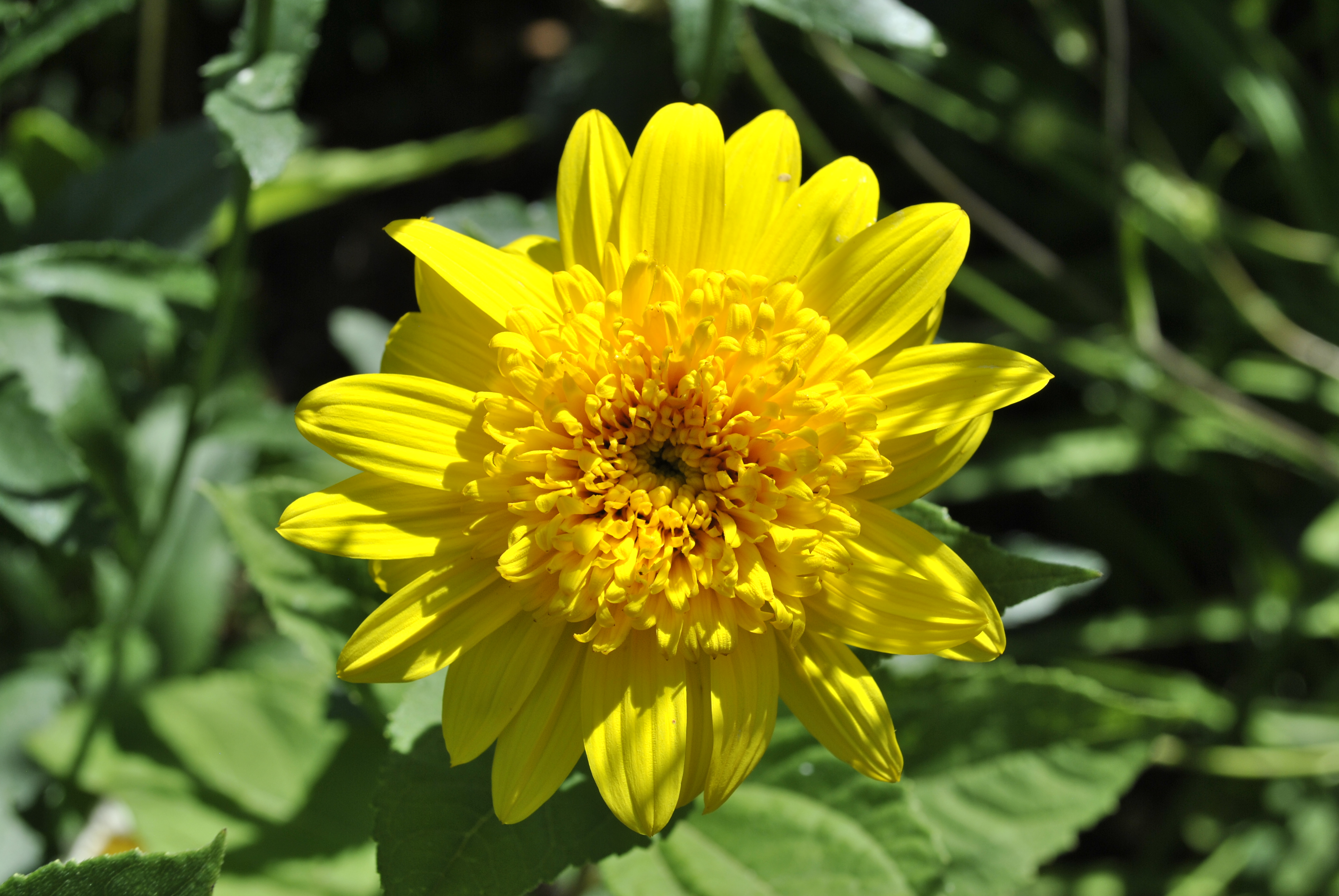
In my quest to avoid higher media storage costs from WordPress, fellow bloggers have recommended I reduce the file size of my pictures before uploading them to a post. This never occurred to me before, but it would seem to be the answer to my problem provided the resizing doesn’t compromise the quality of the picture too much. So, I have uploaded the above image of Helianthus ‘Happy Days’ in its original 3.8 MB form.
I discovered that in Windows 10, there is a simple facility to resize the file and save it to a folder. This is the same picture reduced to 75% of its original size and now just 639 KB
And reduced to 50% of its original size and now just 410 KB, a massive reduction compared to the original.
To the untrained eye, although there is a slight reduction in quality, I don’t think the picture is compromised by much.
Do others feel the same? Your feedback would be appreciated.
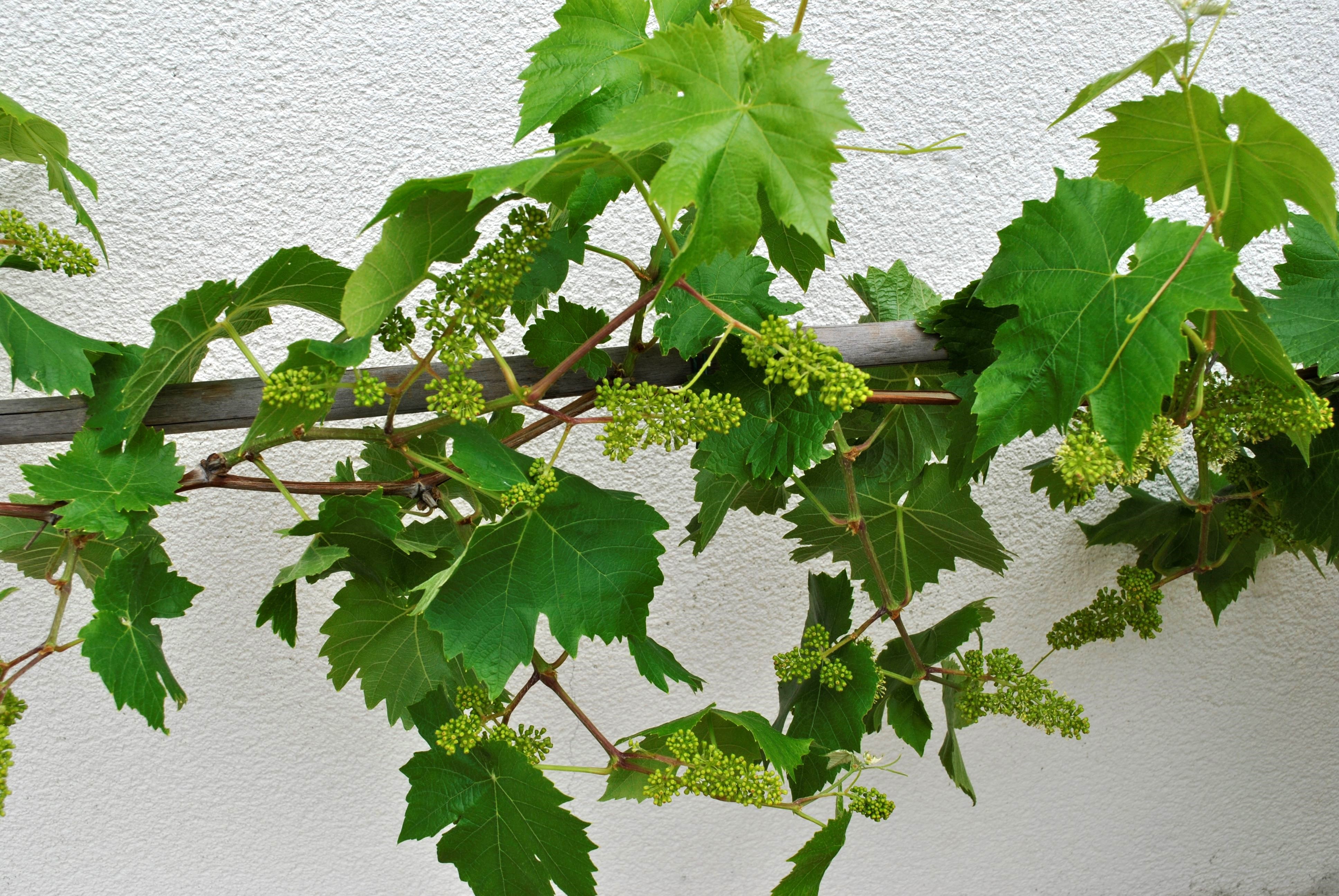
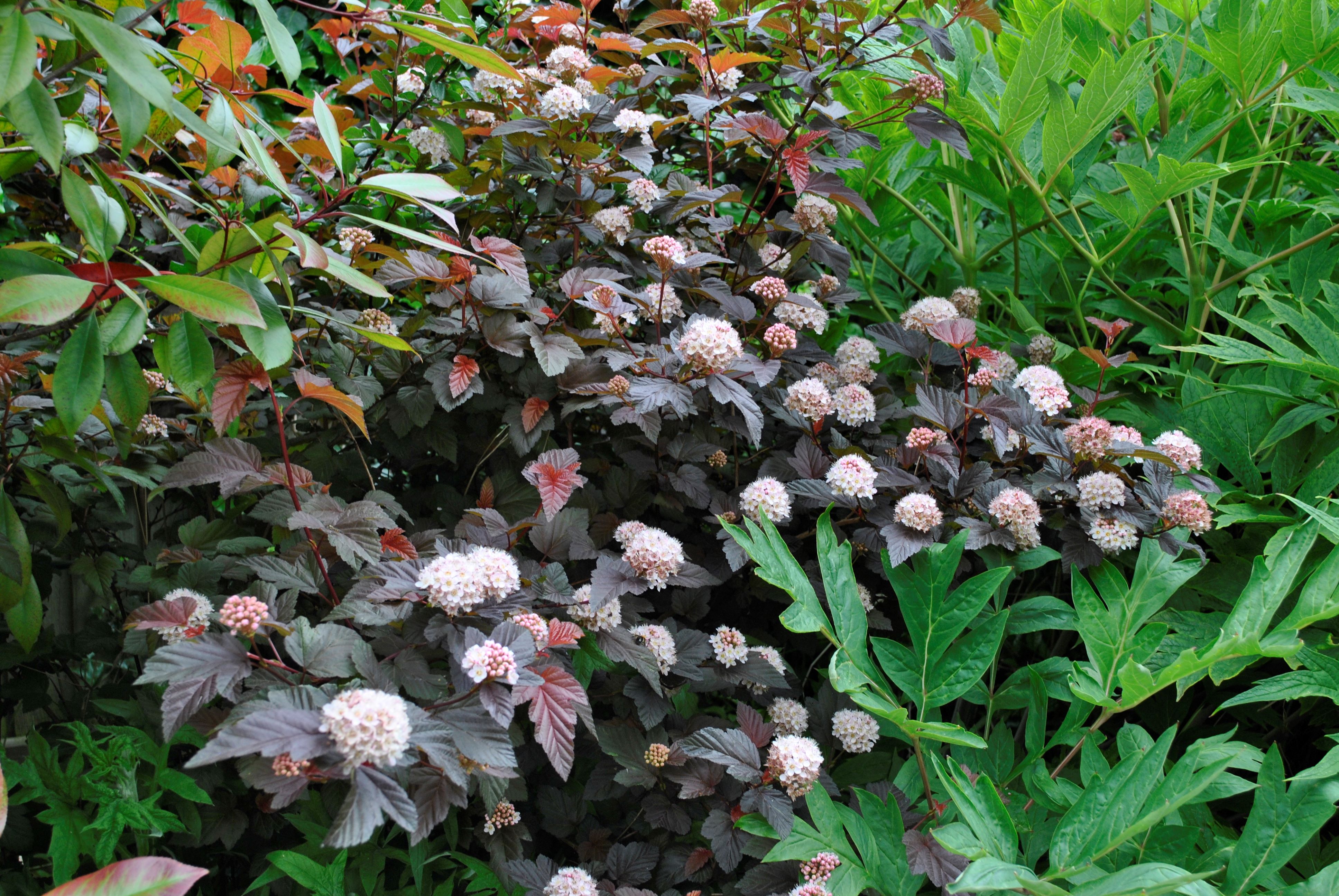
I went to upload new pictures into my WordPress media library this morning, to find I had reached the 6gb limit and have to upgrade my plan to be able to continue with my blog! That is going to be expensive and I have to judge whether it’s worth it. The alternative is to free up space by deleting dozens of photos in my media library, but if I do that the pics will disappear from the past posts in which they featured. Sneaky! So I have no choice but to select Six photos from this time last year while I decide what to do. If anyone has any bright ideas or hacks to increase my media library, do please get in touch asap.
Meanwhile, the Wisteria sinensis ‘Prolific’ is now in full flower and looks exactly like this pic from this time last year. The scent is overpowering and I am grateful to Mother Nature for keeping the late frosts away so I can enjoy the wonderful flowers and fragrance.
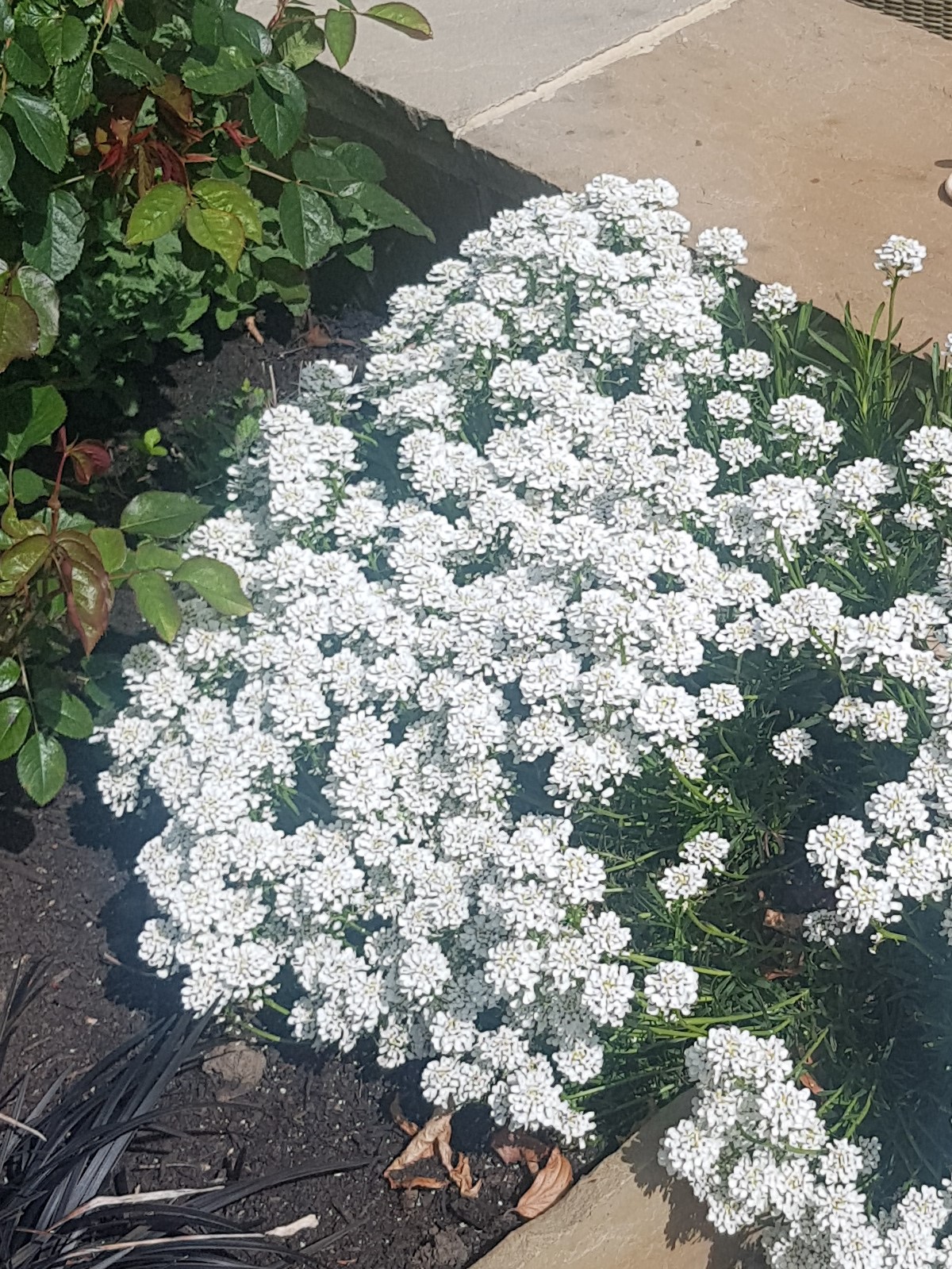
The Iberis sempervirens or Perennial Candytuft, is shining brightly in the sunshine and billowing over the low wall and down the steps as intended. This makes a pleasant change as most of my plants turn out to have different ideas to what was intended!
The hybrid bluebells are back! I thought I had managed to remove all the bulbs last year but obviously not. They are growing in the gravel margin up against the wall of the bungalow so there is no soil at all. I removed the gravel, sifted through and removed dozens of bulbs, but just as many have returned!
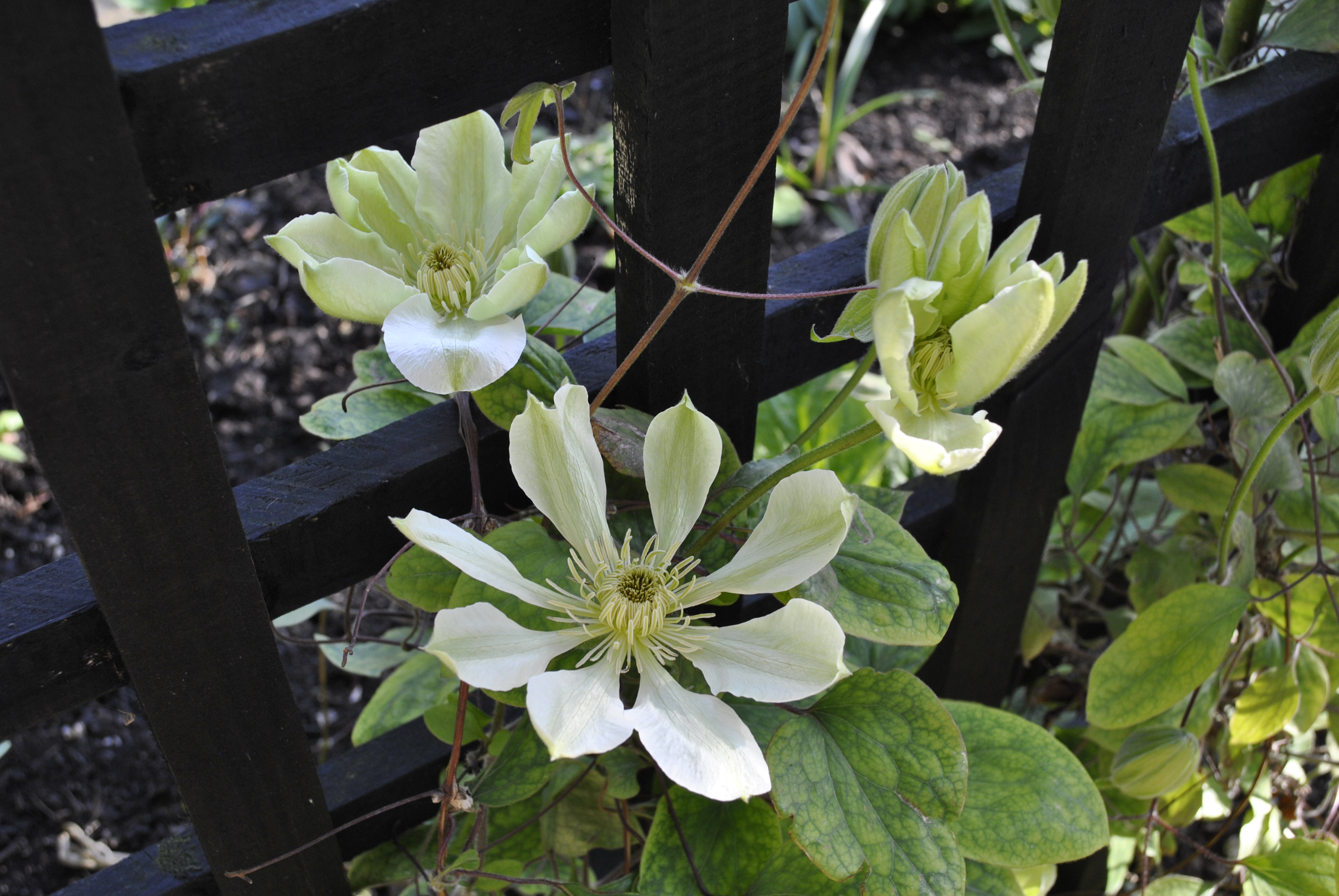
Clematis ‘Guernsey Cream’, a Group 2 variety, is now flowering with it’s unusually separated flower petals like a cartwheel. I find it a rather weak grower and nowhere near as abundant or vigorous as the Group 1 types I have, ‘Wisley Cream’ and C. cirrhosa ‘Freckles’, but it provides some colour in a dark corner while I am waiting for the roses to bloom.
I am pleased to say that all my dahlias survived their winter hibernation in the shed and are now romping away. The tubers were stored in Strulch, a lightweight, dry, mineralised straw which I use to dress the Tradescantia beds in the Spring, and it seems to have been an ideal product for the purpose. Now potted up again in JI No.3, watered and snuggled up in the greenhouse until mid-May when they will be put in the ground. I nip out the tops at this stage to keep them shorter and bushier. It holds the flowers back slightly but there are more of them eventually.
Finally, a warning about this grass, Milium effusum ‘Aureum’ or Bowles’s Golden Grass, which I first saw at one of the many NGS garden openings we have in Gloucestershire in May & June. The owner said it brightened up dark corners and “gently spread around”. On that basis, I purchased a small pot and placed it in a dark corner, from where it has decided to “gently spread” to every corner, crack and crevice in the garden! It is rather beautiful, and does brighten up dark corners but it also seeds like crazy, You have been warned!
I apologise that these are not photos from my garden this week as is the SoS protocol, but I am hoping normal service will be resumed next week. There is a lot of gardening photography coming up! If any of my followers are WordPress experts and can offer any advice on my current dilemma, I would be grateful to hear for them please.
The first Tree Peony came into flower this week. I don’t know the name but I have had it for many years and it is like an old reliable friend. It has light pink , red and yellow cousins who are always a bit later than the dark pink one. Big, blousy and in your face, I love it!
The Mexican Orange Blossom, Choysia ternata, also opened this week so things are definitely on the move.
Talking of which, the Wisteria sinensis ‘Prolific’ has survived a couple of low temperature nights and is rewarding me with the most wonderful sight along the fence bordering the patio. Not fully open as of today so forgive me if I post another picture next week when it is at its peak. The perfume is already wafting it’s way across the garden and attracting a lot of attention from pollinators, especially big fat bumbles.
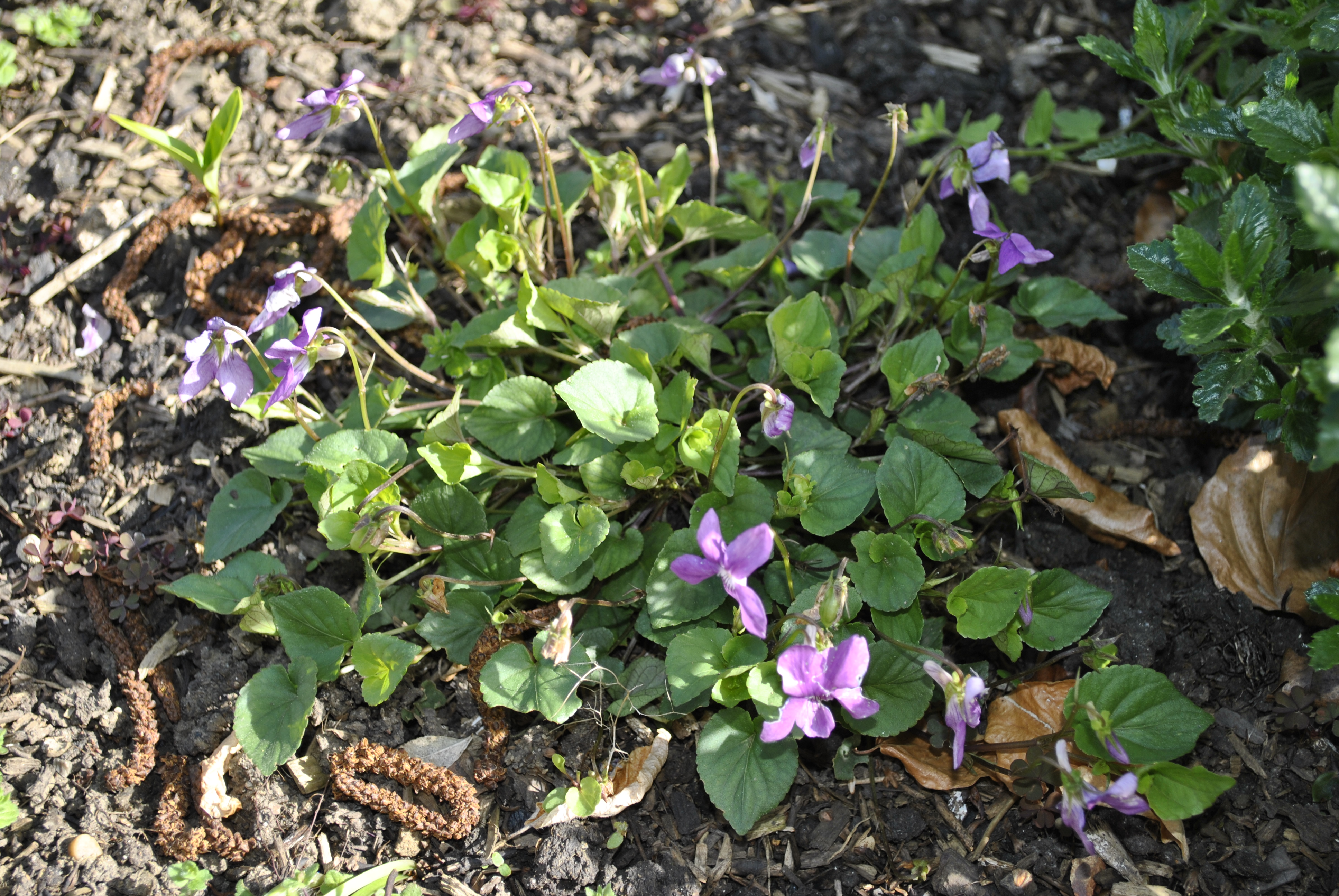
From the spectacular to the diminutive. I have these common violets all over the garden, mostly in white or dark blue/purple. Then, quite by chance, and as nature often does, these pink ones appeared. Just one patch at the moment but likely to be more next year judging by how the others have spread. Sometimes, it doesn’t need to be big to be special.
The first Tradescantia to flower this year was ‘Little Doll’ on 16th April, 13 days earlier than last year, and a different cultivar. Lots of others in bud so the Collection is about to become very colourful again after six months of grassy leaves.
My green Beech hedge does this every year, opens in sections, at the same time and in the same manner. I have no idea why but it is still way ahead of the purple beech hedge in the front which is still in tight buds and not a single leaf open yet. Same species, different habits, just like people!
I rather pretentiously call this ‘The Long Walk’ because it seems a long way from the front door to the garage! However, it does give me a chance to inspect a lot of plants in the ‘long border’ and my big pots in the gravel margin next to the bungalow.
And talking of pots, the Camassias have worked well again this year flowering at the same time as some lovely creamy/white/green tulips. If you haven’t already tried Camassias in pots, I strongly recommend them. Just keep them well watered.
Their starry lavender blue flowers open over a long period and are good with Narcissus too.
Erysimum ‘Red Jep’ is excellent this year. She obviously likes the cooler, wet conditions, the early feed of Growmore in February and the mulch of composted green waste. I tend to find that Erysimums are quite short lived, 3 years max before they go leggy and die on me, so I take a lot of cuttings in the early summer. They also have a nasty habit of snapping in the wind when the stems mature and become brittle.
This is Ajuga reptans ‘Burgundy Glow’, a lighter coloured greeny/purple leaved version of the common Bugle plant. It creeps and roots itself as it goes which is a very useful habit. The bright blue flowers at this time of year are a charming addition to the early Spring border and mix well with the Anemone blanda, Narcissus and the strappy leaves of ‘going over’ Snowdrops.
Viburnums are such good shrubs, totally hardy and bombproof, flowering early like this Viburnum plicatum ‘Mariesii’ which is such a joy. The flowers themselves are tiny and almost insignificant compared to the creamy white bracts surrounding them. A glorious sight at this time of year.
The purple Honesty, Lunaria annua, has been exceptional this year and is all around the hedgerows of Gloucestershire at the moment. I am hoping that my seedlings of the cultivated forms ‘Chedglow’ and ‘Corfu Blue’, will be just as good when they flower next Spring.
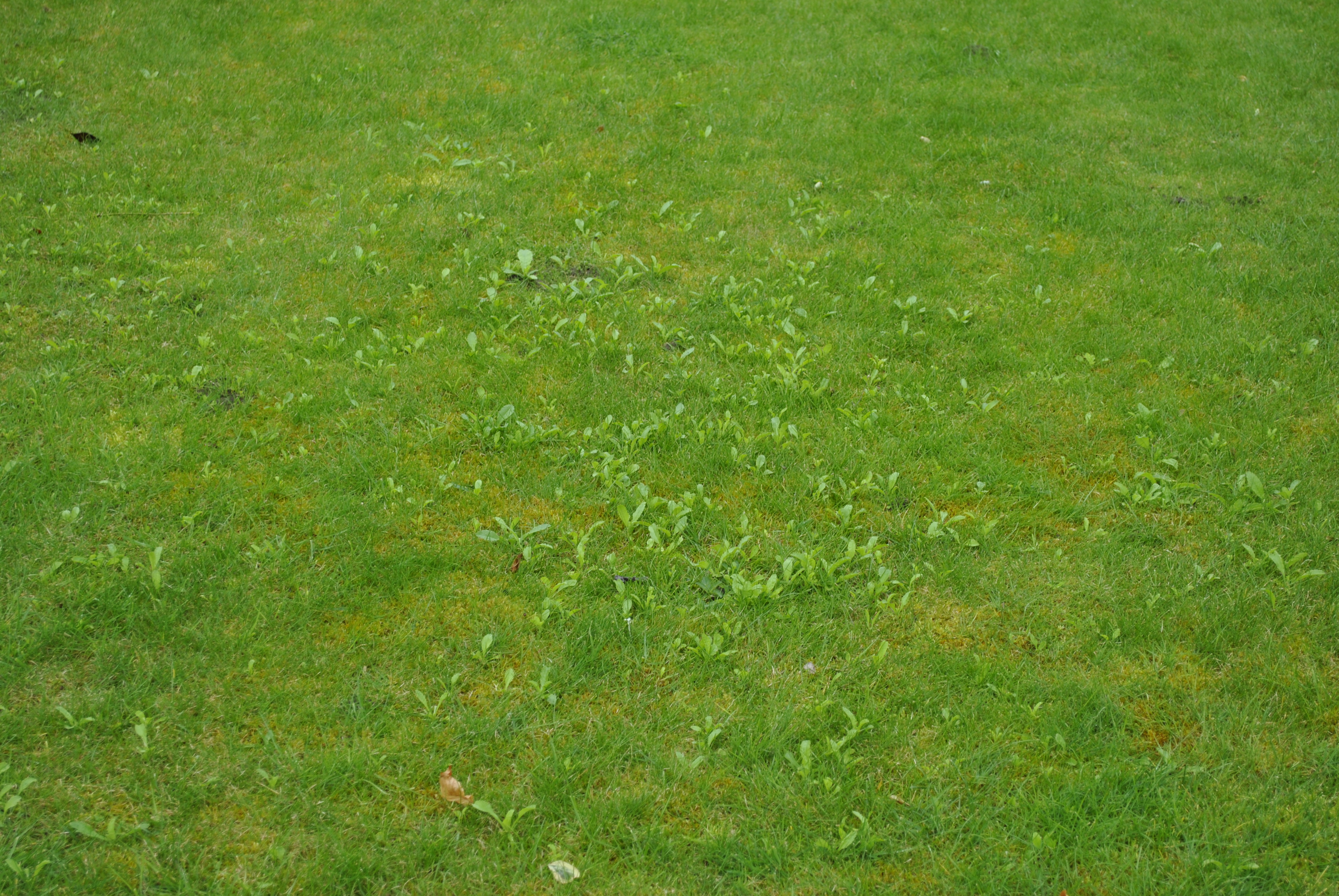
Finally, the long wet winter has taken its toll on the lawn. It is full of moss, weeds and Scabious seedlings from the adjacent border. Time for some Weed ‘n Feed, scarification and aeration methinks. There are those that consider such things unnecessary and ecologically unsound, and I understand their point of view. I am passionate about ecology and wildlife, but I am also a gardener, and when I see the millions of dandelions and daisies in the fields around here, I don’t think my little lawn is significant in the grand scheme of things.
Despite the dreadful weather lately, the garden has flourished and plants are growing before my very eyes. Each day now there is something new, better, bigger or beautiful to look at. Today it was the the Amelanchier lamarckii against a clear blue sky.
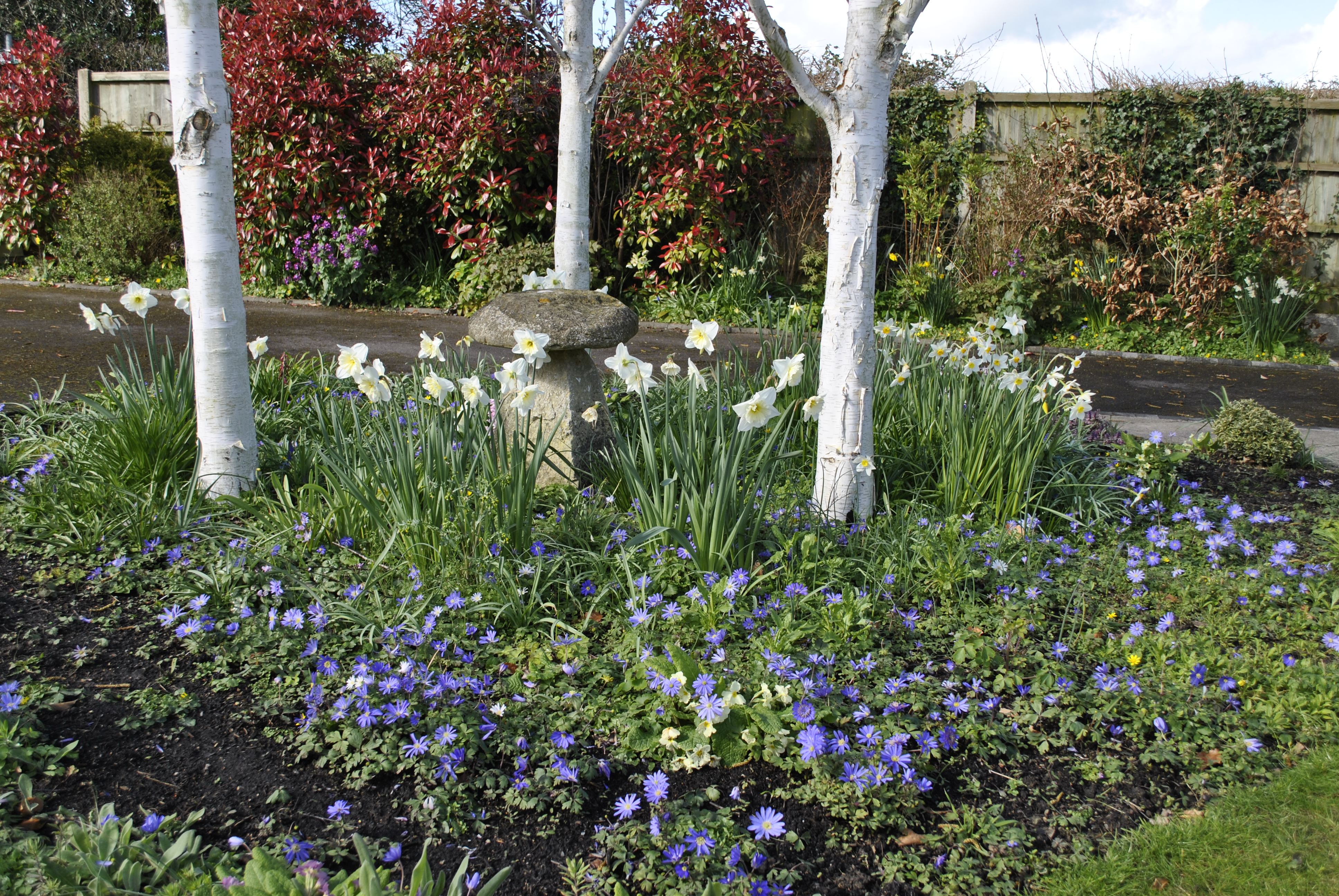
As soon as the sun comes out, the Anemone blanda open and is an arresting sight alongside the naturalised narcissus and primroses.
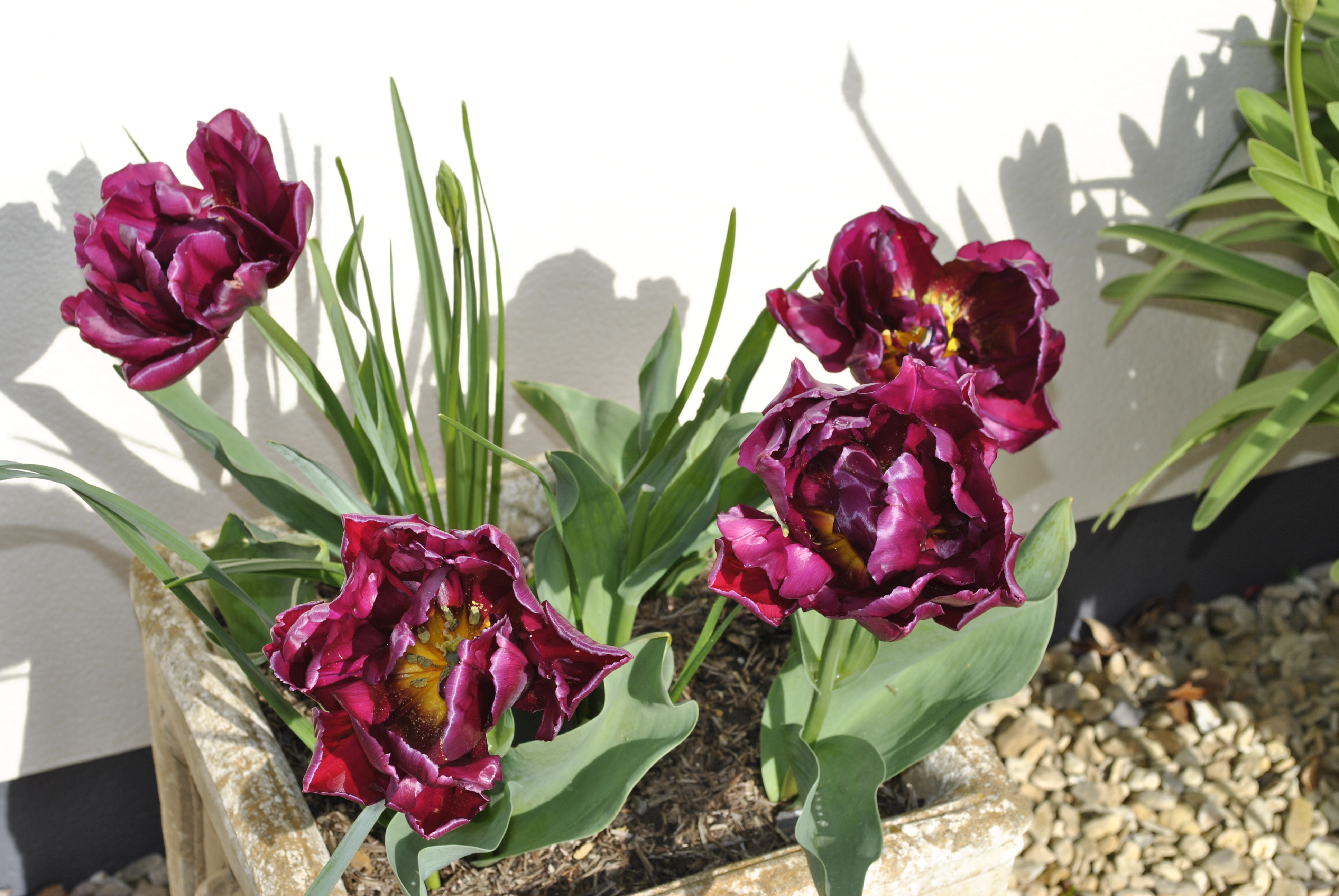
Why are the tulips out so early this year? Is it the variety? The fact that they are in pots (the ones in the ground are not open yet, though already in bud), or maybe just the warm, wet Spring has brought them on quicker. I don’t know.
This large clump of Purple Honesty, Lunaria annua, decided to make its home at the front of the drive border, peeping out from the permanent shrubs, which seems to be its preferred habitat.
Last Autumn, I split a huge clump of Penstemon digitalis ‘Dark Towers’ into quarters and potted them up in 10 litre pots. Two have found new homes and two are now waiting for me to make up my mind where to put them. I now know they need a lot of room, at least a metre due to the volume of foliage they produce, and that is a metre I don’t currently have!
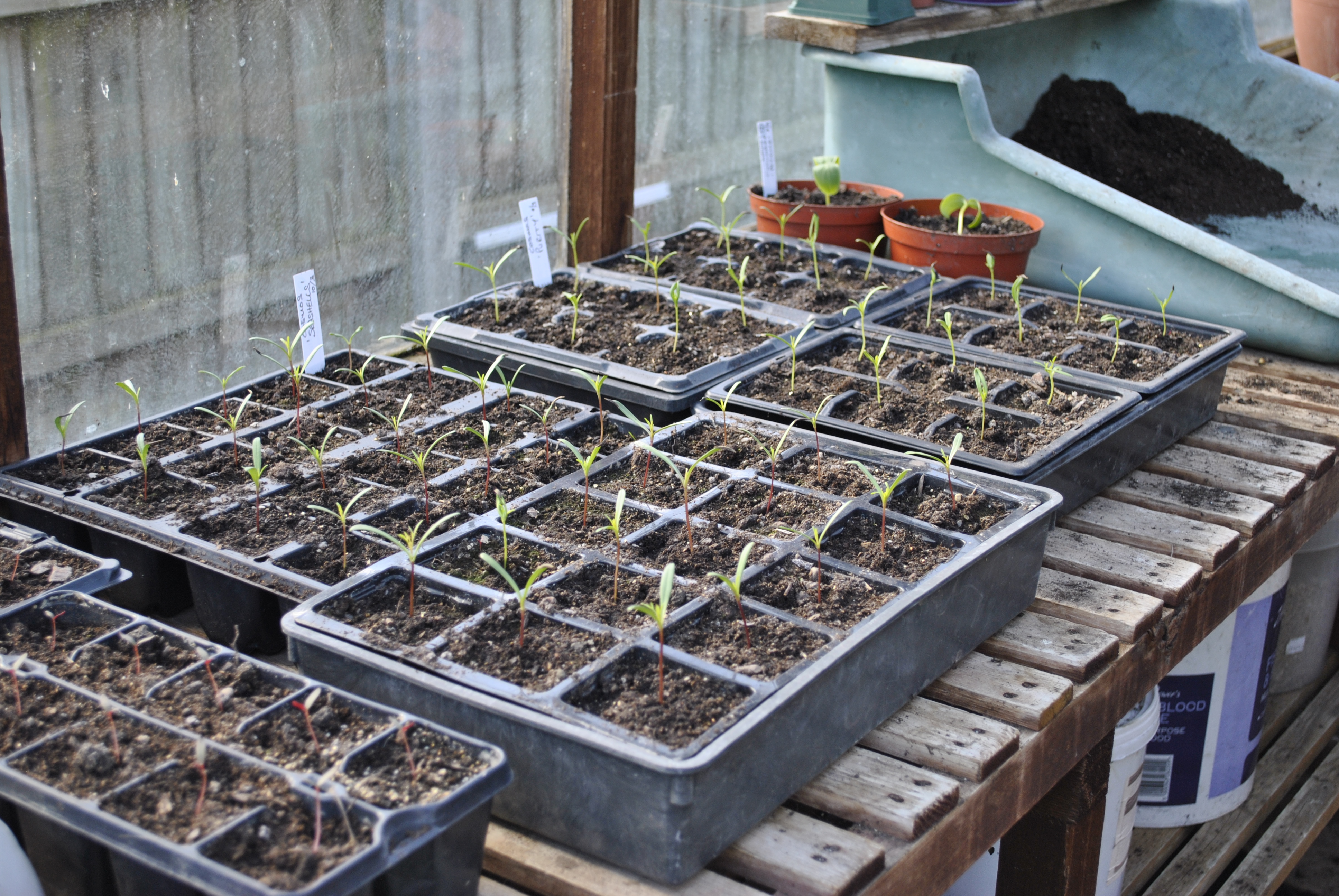
At least the rain gave me chance to get in the greenhouse and transplant the Cosmos seedlings and a few of the Which? Gardening trial seeds I am growing this year, including, for the first time, Amaranthus paniculatus ‘Foxtail’, a variety of the old fashioned favourite Love-Lies-Bleeding. They sent me 50 seeds but only half germinated. Not a great start!
We are now at that inbetweeny stage in the Birch circle where the snowdrops have gone over, the early narcissus are flowering along with the Anemone blanda (when the sun shines!) Amazing to think that by June, all this foliage will be gone and there will just be 6 Geranium ‘Rozanne’ covering the composted bark.
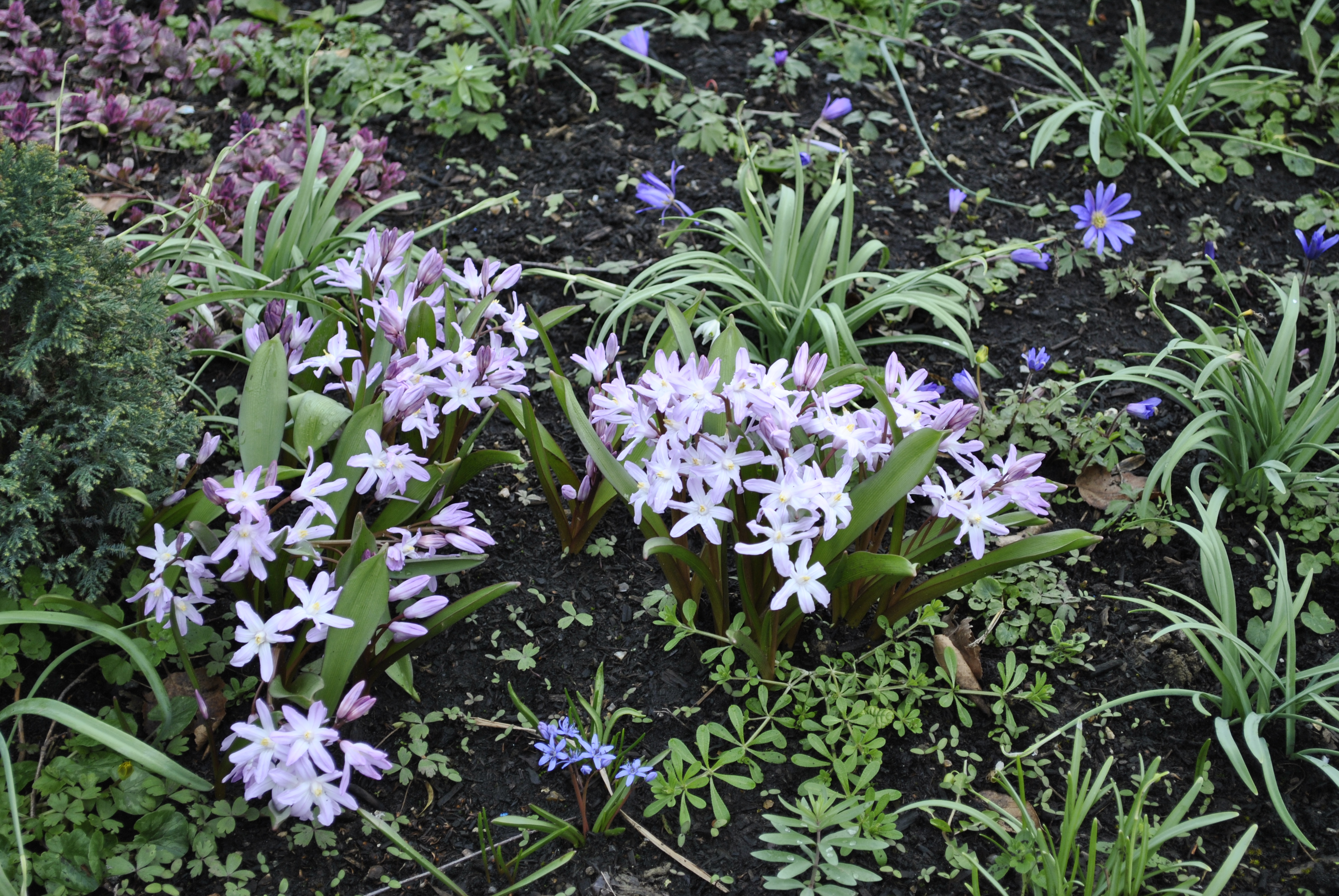
Amongst them is Chionodoxa luciliae ‘Pink Giant’ which I rescued from the undergrowth during our first spring here back in 2009 and still going strong.
Gardening friends thought I was mad last year, for growing Camassias in pots, but I had dug them up from elsewhere in the garden and was undecided where to put them. It was a temporary solution but they did so well that I just left them in the pots and put them behind the shed with the gone over narcissus and tulips. Without any attention whatsoever, they survived and appear to have prospered. They are usually naturalised in damp grassland but they go very well next to late flowering yellow narcissus in pots! Rules are made to be broken!
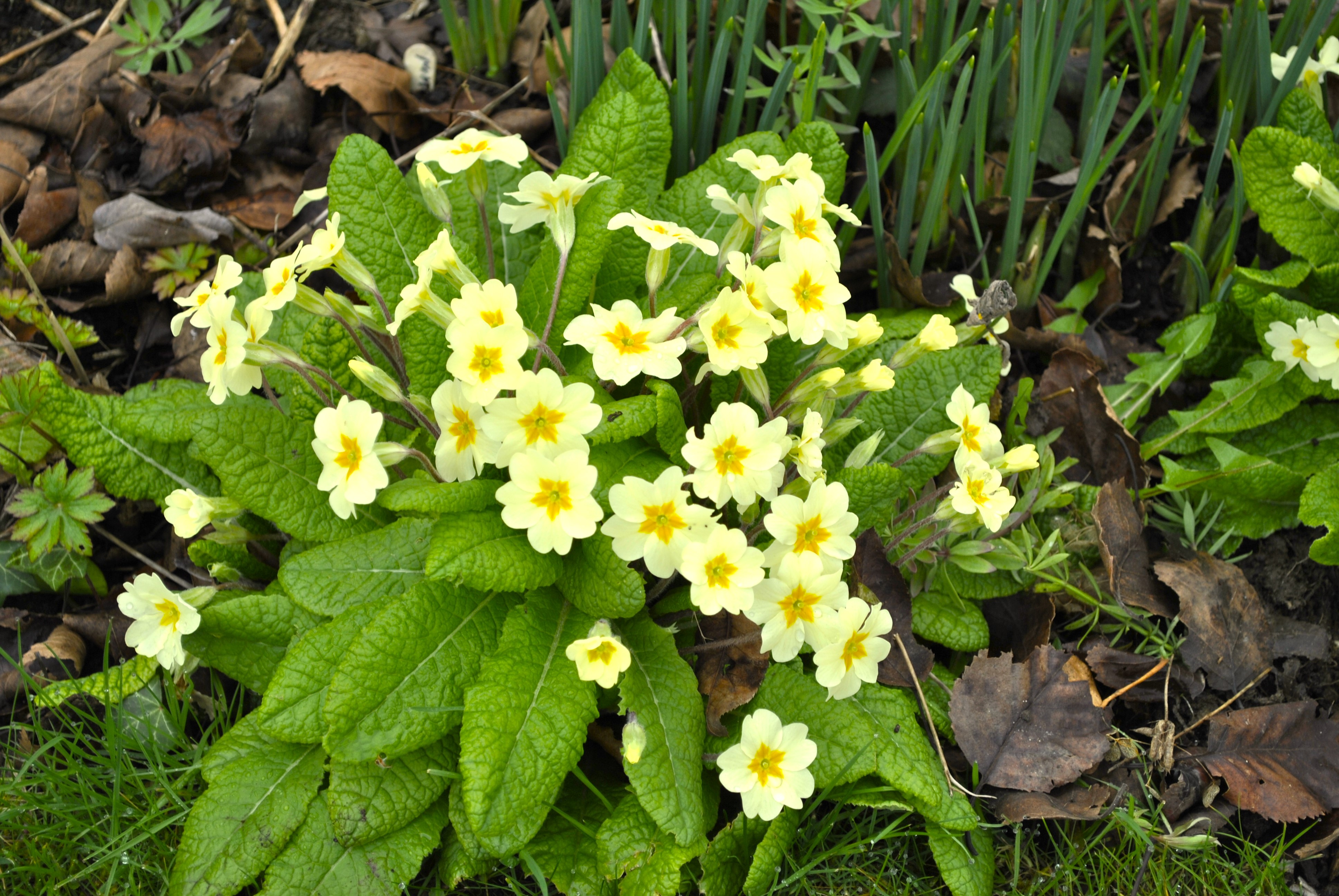
Wild Primroses love the sticky clay in my garden and pop up everywhere. The couple of pink Primulas are not so gregarious and stay put. I had several more in various gaudy colours but they seem to have disappeared. I am never quite sure whether they are, in fact, a Polyanthus rather than a Primula. Perhaps some kind reader can help.
The fat buds of the pink flowered Tree Peony promise a good show in a few weeks time, along with the taller yellow Paeonia ludlowii which looks like it will be spectacular if a late frost doesn’t kill the buds. Definitely a potential SoS contender.
Erysimum ‘Red Jep’, a gift from a kind friend, will be flowering for many months, and will have another go after it has been trimmed back in mid-summer. Such good value plants.
Finally, barring a late frost which is likely to kill off the buds, the Wisteria sinensis ‘Prolific’ is showing signs of another fantastic display in April. Fingers firmly crossed!
My Six on Saturday blogs have recently been interrupted by illness and holidays (in that order!) and on my return I was laser focused on getting the rose garden in shape. I foolishly (as it turned out) spread my own compost over the beds last year, and paid the price in millions of weeds. I also succumbed to my tendency to overplant, and stuffed every available space with herbaceous perennials, summer flowering bulbs and any spare plants looking for a home. I soon discovered that roses don’t like that. They like and need space and airflow around them, otherwise they sulk and whole stems die off! So, 13 old compost bags full of plants, weeds and detritus have gone to the recycling centre, beds are now weed free, fed and mulched, and looking all the better for it.
There is not much colour in the garden yet, but these little Anemone blanda have spread themselves around and pop up everywhere to compete nicely with the unwanted, and impossible to eradicate, Ficaria verna commonly known as the hated lesser celandine.
The other stalwart of the early Spring garden is the common flowering redcurrant, Ribes sanguineum. This one grows as a ‘full stop’ at the end of a beech hedge and gets a hard prune in August, which as every gardener knows, is far too late, But somehow, it has adapted to to this and rewards me with a good show every February and March. When I walk past, it is buzzing with bumble bees which always brings a smile.
Last October, a kind friend gave me some seeds of Lunaria annua ‘Chedglow’, a rather choice variety of Purple Honesty which begins life with blotchy leaves before they turn a dark shade of purple topped with dark purple flowers. I look forward to seeing it in all its glory next Spring.
The mild winter seems to have confused some of my November planted Tulips! These are not a dwarf variety, nor are they an early variety. They are supposed to be up to 40cm tall and flowering in May!
As usual, I seem to have sown far too many Cosmos in the mistaken belief that, because they are last years seed, the germination rate would be far less. Cosmos, as we all know, does not follow the rules, hasn’t read the packet, and will grow regardless of age!