Six on Saturday

You know it’s been a ‘funny year’ when your perennial sweet peas don’t flower until August! This one, Lathyrus latifolius ‘White Pearl’, is normally out in June but it will flower right through until October now. Sadly, it has no scent, but the brilliant pure white flowers shine out from the gloom of the arch where it is competing for space with Clematis cirrhosa ‘Freckles’ and Rosa ‘Dorothy Perkins’.

I may have found a good reason to keep the Phlox! It seems to be a favourite flower of the Hummingbird Hawk Moth. This is the best pic out of the 32 I took! The wing beats are so fast, my ageing digital camera had no chance. I felt quite privileged that it came to visit.

When he came to my Open Day in June, a kind friend gave me a small seedling of Physalis peruviana, the Cape gooseberry or Peruvian groundcherry. From these little green lanterns it will produce the familiar orange fruits in papery cases. It is a very thirsty plant but very productive. I enjoy growing something new each year, something I have never grown before, and often something a friend introduces me to, as in this case.

This little houseplant is the well-named ‘Mother of Thousands’. It’s proper name is actually the impossible Bryophyllum daigremontianum or Kalanchoe daigremontiana, a tough tropical succulent from South America and Mexico, and its clever trick is to produce its baby plantlets on the edges of its leaves! These babies then drop into the pot or on the ground in the wild, and produce new plants.

This Michaelmas Daisy just popped up all by itself in the front garden. I certainly didn’t plant it and I don’t think any of my neighbours have it in their gardens. How it came to be here is a mystery but in a good way. No idea which one it is but a good guess would be Symphyotrichum novi-belgii, the New York Aster, which is now widespread in rough grassy areas in the countryside, although it is flowering a little earlier than normal, Michaelmas Day being 29th September!

Some of the repeat flowering roses are putting on a second flush of flowers. Rosa ‘Roald Dahl’ and ‘Boscobel’ are just two of many. Sadly, most of my roses now have the dreaded blackspot and are defoliating. I will once again try to pick up all the fallen leaves but it is tricky getting under such large prickly bushes! I don’t like spraying chemicals in the garden but a few friends have recommended Garlic Wonder from Solufeed, a concentrated solution derived from garlic and other natural plant based compounds which is diluted into a spray and applied throughout the season. Those who have tried it say it is excellent as a natural alternative to insecticides and fungicides, and they don’t get blackspot or mildew!

In early 2020 I began to eliminate all the pink Japanese Anemones from the garden and just keep the white ones which I believe to be ‘Honorine Jorbet’. The pink ones were spreading like mad and dominating the borders so they had to go. It has taken me 4 years but I have not seen any this year so I think the garden is free of them at last. The white ones are much better behaved and stay in their allotted space without spreading unduly. The little patch has doubled in size over 4 years which is what I wanted and expected. If only all plants did what you expected!

Have a great weekend

David

Six on Saturday

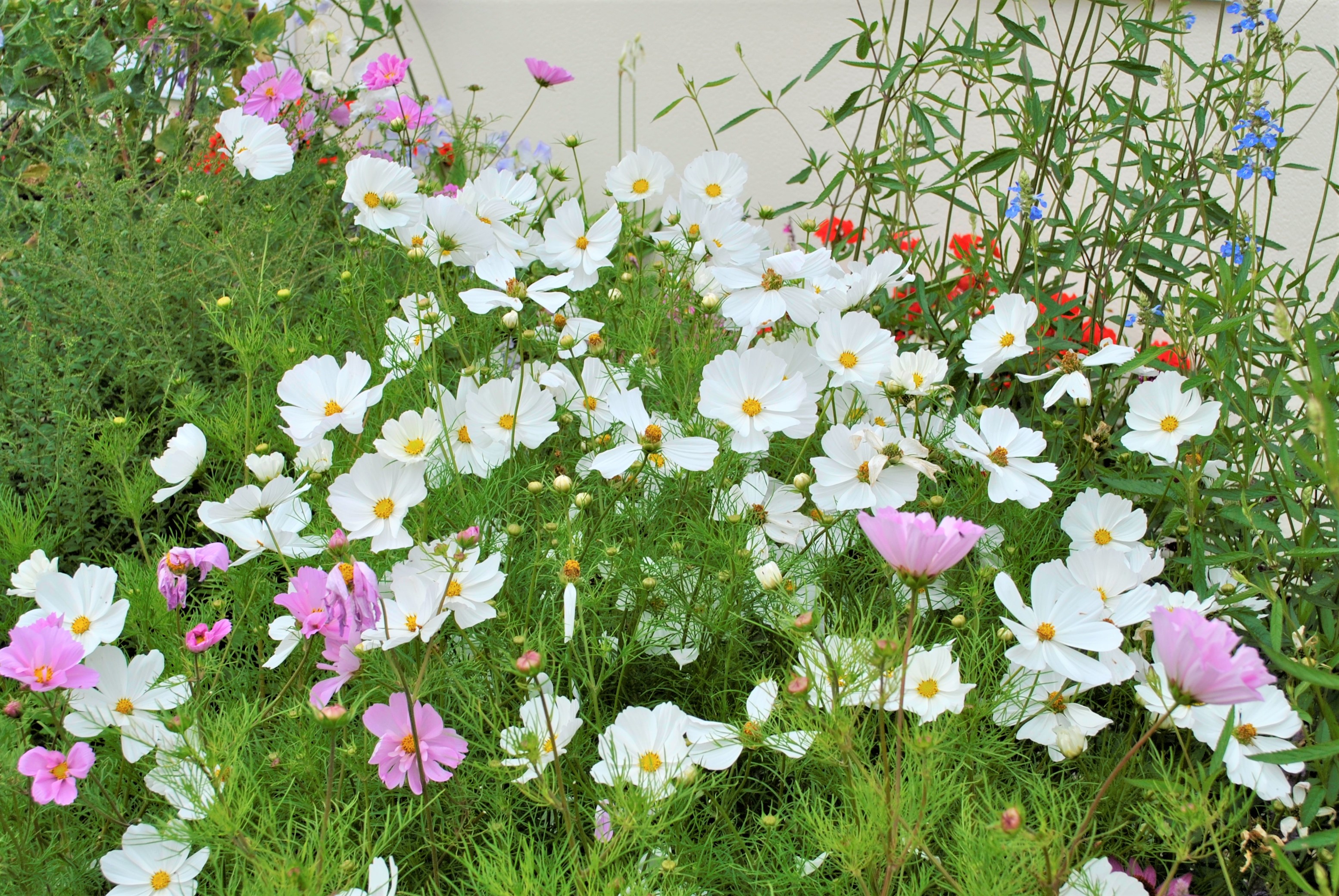
We were lucky that Storm Antoni came in like a lamb and went out like a lamb in Cheltenham last weekend, with a lot of rain but very little damage. Fortunately, the forecast high winds never materialised so the garden was relatively unscathed otherwise things like this Cosmos would have been devastated. The soil in the front border is too rich for them really so they produce too much foliage at the expense of flowers but they still put on a good show. It is a laborious task but carefully deadheading them keeps them flowering for longer. and keeps them looking good. I leave a few seedheads towards the end of the season to collect for next year.

It looks like storm damage but, in truth, it was just the sheer weight of fruit that brought down my rather old and flimsy support structure for the Merton Thornless blackberries. It’s a little more awkward now but I will pick the fruit and rebuild it in September to tie in the new canes.

The grapes are coming on nicely and should produce a huge crop this year. It is Vitis labrusca ‘Isabella’, the pink fox grape, the variety they use in the USA to make Grape Jelly which is often combined with peanut butter for a tasty snack. It is both a dessert grape and and a wine grape so I plan to start my own vineyard!

I am the only garden in my road to have a hanging basket this year! Maybe they are no longer fashionable, or perhaps it’s just the constant feeding and watering that people have found too much. They are a tie though, even if we go away for a weekend I have to ask my neighbour to water it each day. I cram so many plants into a 14″ basket that the thirst for water must be immense and now the pelleted feed has almost certainly been used up, it requires liquid tomato feed at every other watering. Mind you, I do love it and feel it is worth the effort. A miniature miracle!

Why do Hollyhocks insist on growing in the most awkward places! They seem intent on finding a tiny crevice against a wall or fence or, as in my case, up against the purple beech hedge. I hasten to add that I have never planted any myself, they have migrated from next door where they run riot against the house wall in dry, inhospitable conditions which would normally never support life of any kind; even the weeds die of malnutrition.

A plant I am often asked about in the garden is Catananche caerulea or Cupid’s Dart as it is commonly known. It is a short lived perennial but best treated as an annual or biennial. I have it in this blue/purple and white from a packet of seeds I received in a seed exchange several years ago. It forms a lovely papery flower bud which is very popular with flower arrangers and lasts for weeks. If it’s happy in your soil, it will self seed and you will have it forever, like Nigella or bittercress!

Have a great weekend.

David

Six on Saturday

There are some plants in the garden that I rarely look at, much less talk about. They are just there, lurking in the background, unexciting, marking time. Then, one day, they do something which gets my attention and I take notice. This Echinops ritro is such a plant. Ugly and untidy, just spiky leaves for most of the year before a sudden explosion of colourful azure blue flower balls appear accompanied by the almost constant buzzing of honeybees.

Allium ‘Millenium’, a bargain from the forecourt at Lidl a few weeks ago, is now showing what makes her one of the best late summer flowering ornamental onions for the front of a sunny border. Another great bee favourite, and will multiply over time to make a decent clump.

As some of you will know, I am a ‘Plant Guardian’ for a number of rare or unusual plants which have either lost favour with gardeners and nurseries or were literally lost to cultivation due to war, disease or such other catastrophe. This Dahlia ‘Winston Churchill’ came to me in this year’s Plant Heritage Plant Exchange as one such plant, or tuber to be precise! It is such a pretty flower and strong grower, I am surprised it isn’t grown more. However, with thousands of alternatives on offer, it is a crowded market!

Another plant I often walk past without noticing is this pineapple lily, Eucomis bicolor, which has been in the same big pot for thirteen years and enjoys the partial shade of the corner by the side gate. I donk a bit of water and feed on it when I think about it but then feel guilty when the beautiful flower spikes appear in July and August. A record 21 this year! It does get shoved under the greenhouse staging for the winter where it stays completely dry for several months before being put out again in May when the new fat red shoots appear.

The Rudbeckia laciniata was divided and replanted earlier in the year which may explain why it is not quite so tall this summer, although it may have been the very dry June, it did flop quite a bit! Normally around 7 feet tall, it is barely 5 feet this year. Still one of my favourites though and seeds itself around a lot so I always have loads of young plantlets to share.

I have finally got a colony of Purple Honesty, Lunaria annua, to grow in my garden after years of trying to coax it in from the adjacent hedgerow. It is such a fickle plant, only growing where it likes, and it has chosen a shady spot under the Photina hedge facing north, which is just fine by me.

Finally, this is my apple tree! Now fully clothed in Clematis ‘Alba Luxurians’, the one with the rather odd white flowers splashed with green tips. In truth, it is an old and decrepit apple tree which produces tasteless fruit and is only useful to hang the bird feeders on so this was a good decision. The clematis needs a bit of a hand to get going so the trunk is wrapped in green square mesh for the petioles (leaf stems) to twist around, although the rough bark of the tree trunk and branches do offer some support. It will get chopped back to 18″ in December and I will then no doubt spend hours unpicking the dead bits out of the wire mesh! Hey ho!

Have a great weekend

David

Six on Saturday

Just back from a few days in Yorkshire and, despite the torrential rain at times, enjoyed the change of scenery. Very impressed with Ilkley where we stayed, such a well kept riverside town with absolutely no litter, clean and tidy streets, busy independent shops and friendly people. Good municipal planting too although a little regimented for my liking!

I came back to the first flowers on Dahlia ‘David Howard’ AGM, a sturdy variety with burnt orange flowers on long stems rising from purplish bronze foliage. Keeps its heads up even in rain. I believe they call this type a water lily dahlia and you can see why.

First blackberries picked yesterday. Another wonderful crop of ‘Merton’s Thornless’ which makes tying in and collecting fruit so much less painful! I will be picking them for several weeks as many are still green and there are even a few flowers left to pollinate. The granddaughters will enjoy a spot of fruit picking during the holidays! Washed and simmered on the hob for ten minutes, they will be on my granola tomorrow!

Very tricky to get a good shot of Salvia uliginosa but thought this was worth featuring to encourage others to grow it. Tall, and ethereal, the gentle movement in the slightest breeze adds movement to the border, but the thicker square stems at the base prevent bending and snapping, even in strong winds. Adored by bees which puncture the flowers to get at the nectar because the flowers are so small. I imagine they are attractive to hummingbirds in their native South America.

I am always impressed with the flower power of Lobelia and just six little plugs of alternative blue and white have filled this pot, completely surrounding the stem of the standard rose above. Not particularly exciting, different or special, just a pretty thing.

I think Liatris spicata is an underused summer flowering bulb. They come in purple and white and are very hardy and reliable. Just plant and forget. They flower for several weeks. opening from the top down so you don’t get that ugly brown spike of dead flowers beneath. Bees absolutely love them and they are as cheap as chips to buy. Highly recommended.

Finally, a shot of the front border which is looking good at the moment with everything in full bloom and standing upright!

Have a great weekend

David

Six on Saturday

One or two people have expressed surprise that I grow Elephant Garlic as an ornamental onion rather than for culinary purposes, but when you see the beautiful lavender purple globe flower it produces you will understand why. Big too, cricket ball size and very attractive to bees and butterflies. One bulb may have up to 8 big fat cloves which makes it a very economical alternative to the more expensive alliums.

Having said that, the massed blooms of Allium angulosum, (Mouse Garlic), still have the edge for sheer flower power and butterfly attractiveness.

WARNING: Unless you have oodles of space or a massive wild area to cultivate, do not, under any circumstances, grow this plant, as attractive as it may be. Soapwort, Sapponaria officinalis, is highly invasive and extremely difficult to control. I made the mistake of planting it in good rich soil with my roses thinking the soft pink flowers would work well with other whites and reds. And it does, until it takes over! It spreads by underground runners which, in my case, have tunnelled under a hardcore and gravel path and emerged several feet away in another bed. You have been warned!

The Japanese Wineberries are about to ripen and will be on my morning granola next week. Small and sweet, like miniature bright red raspberries, they are a delicious treat for a few weeks in July and August.

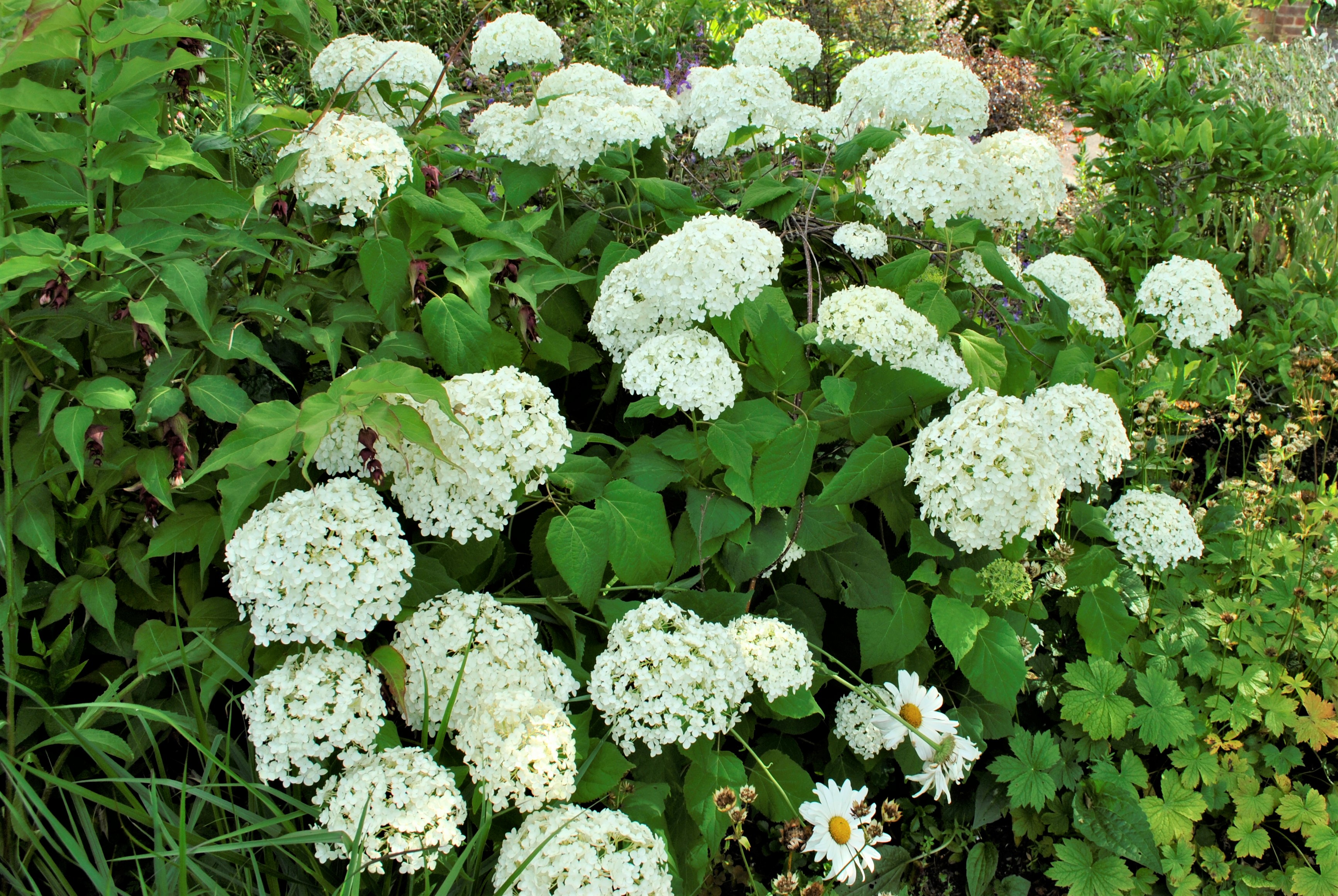
Hydrangea arborescens ‘Annabelle’ has really enjoyed the recent spell of rain and cooler temperatures. Her big fat flowerheads holding up well aided by a discreet woven hazel girdle beneath! I understand that ‘Strong Annabelle’ is now being marketed as a more beefy alternative but I am a sucker for femininity!

This is just to show that it is sometimes best to watch and wait. Earlier in the Spring, this Penstemon ‘Just Jayne’ was, to all intents and purposes, dead. A tangled mass of brown, brittle twigs and a complete absence of the usually seen green shoots at the base. But I waited….and waited……and waited. Until finally, in late April, it came back to life and after some judicious pruning, has rewarded me with a few flowers. Time to take some cuttings!

I wondered what was munching its way through my dahlias and here it is. The caterpillar of the Vapourer Moth which has venomous spines on its body that can cause symptoms like swelling, redness, and intense pain if they come into contact with human skin. In some cases, the venom can even cause an allergic reaction. Needless to say, it is still there! Anyway, what’s a few leaves!

Have a great weekend

David
Six on Saturday

It rained all day on Friday and is still raining this morning here in the Cotswolds so these pictures were taken earlier in the week when the weather was still mild and sunny. As I look out of the window today, all I see is the devastating effects of wind and rain on anything above a foot tall. My Sweet Pea obelisk is lying horizontal on the ground and the tall, swaying Leucanthemums are now flat on their pretty white faces. And to top it off, we are forecast 40mph winds today!

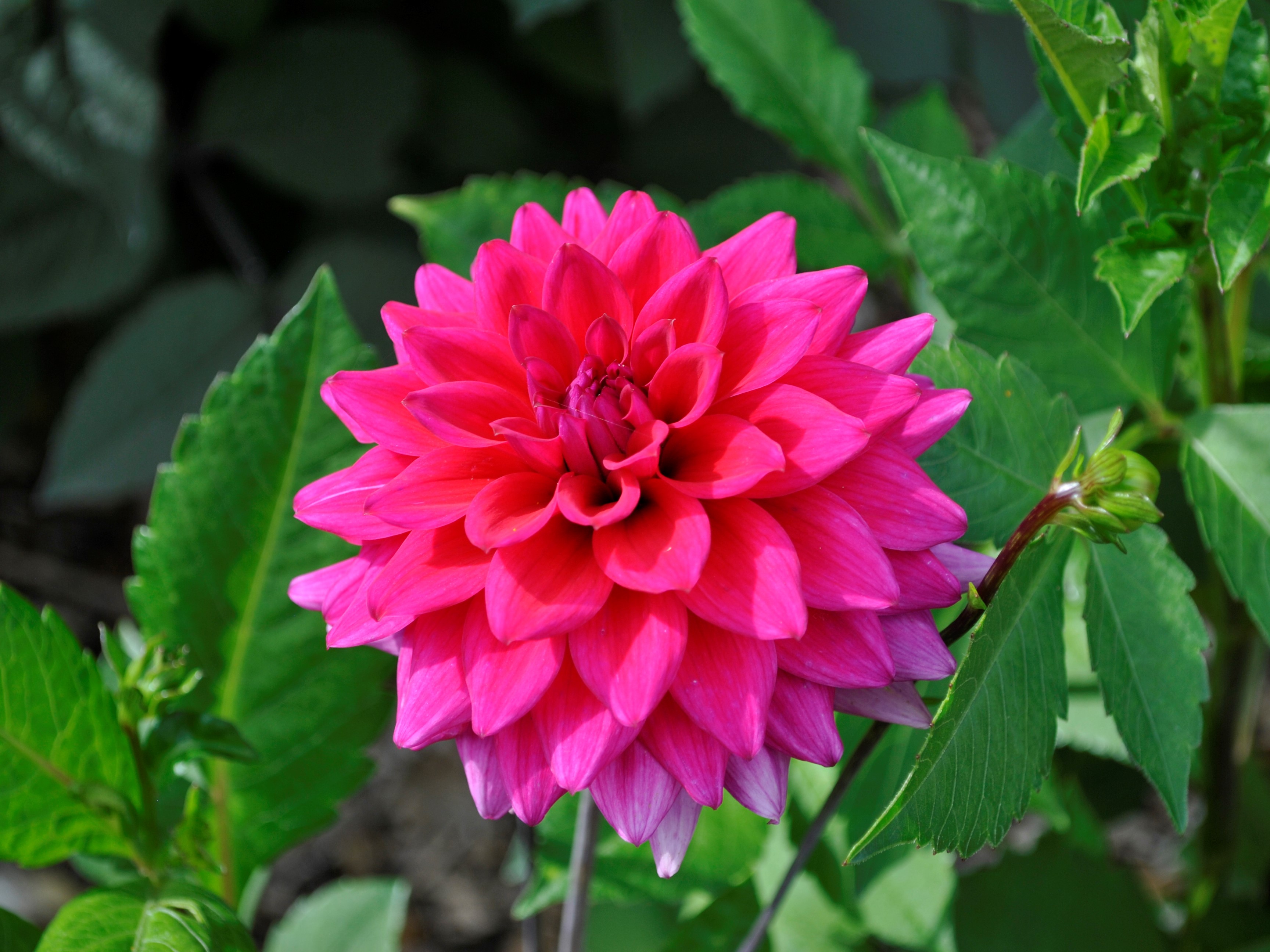
My Dahlias are all either short varieties or young plants this year, and anyway they love the rain, the more the merrier for them. This one isn’t a named cultivar yet, it is a hybrid from days gone by but I keep the tuber going in the vain hope that it might be the next ‘Big Thing’. I have called it ‘Radiant Heat’ which I thought was quite apt. Hoping that Thompson & Morgan might be reading this and will make me an offer I can’t refuse!

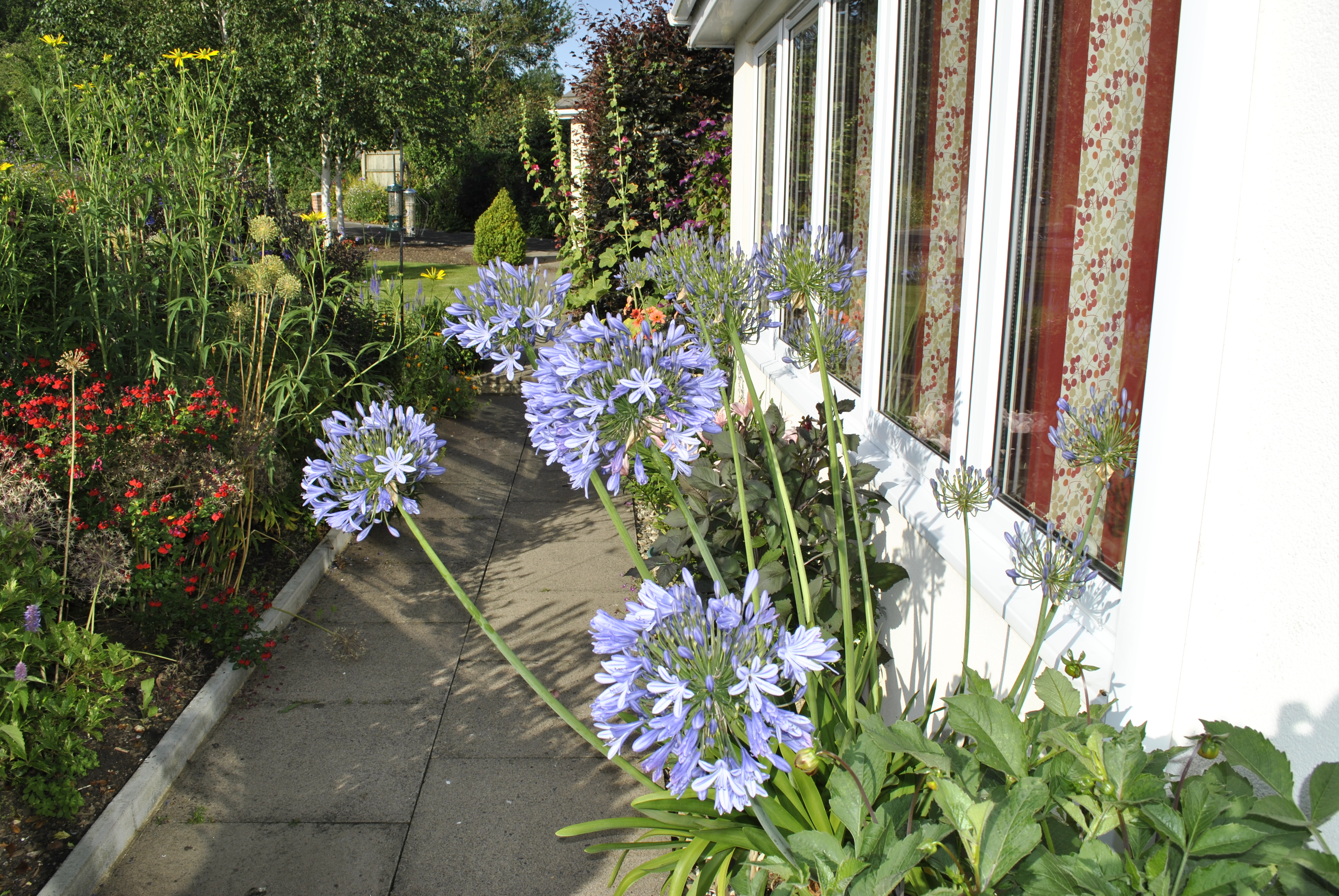
The Agapanthus are flowering a month later this year, probably due to the difficult winter they had. I have met a lot of people who have lost them completely, fleshy roots turned to mush by the harsh conditions in December. I always overwinter my evergreen ones in their pots in the greenhouse and keep them bone dry from October onwards until I start them off again in March. The herbaceous ones, also now in big terracotta pots, are turned on their sides and put in a sheltered spot behind the shed to keep the worst of the rain out.

Once again this year, the Diascia personata has been the subject of much discussion on walks around the garden with visitors and friends. I think 99/100 people think of Diascia as miniature plants in a variety of different colours, a bit like Nemesia. But this species of Diascia grows to waist height and is always lipstick pink. I find it doesn’t overwinter well in the ground so I take cuttings in June and July which grow into stocky little plants by September and survive in the cold greenhouse until spring. They are so floriferous, they almost flower themselves to death. By the end of the year, having flowered for nearly 10 months, they are exhausted!

This is one of several summer flowering ornamental onions I now have in the garden. I like them because they are short and flower reliably every year, unlike Spring flowering versions which I find are quite variable and often don’t appear the following year. The one pictured is Allium angulosum, or Mouse Garlic as it is often called. I now also have Allium ‘Millennium’ and Allium cernuum as well as Allium ampeloprasum, better known as Elephant Garlic. The flowers are beautiful purple lavender globes and highly attractive to bees and other pollinators.

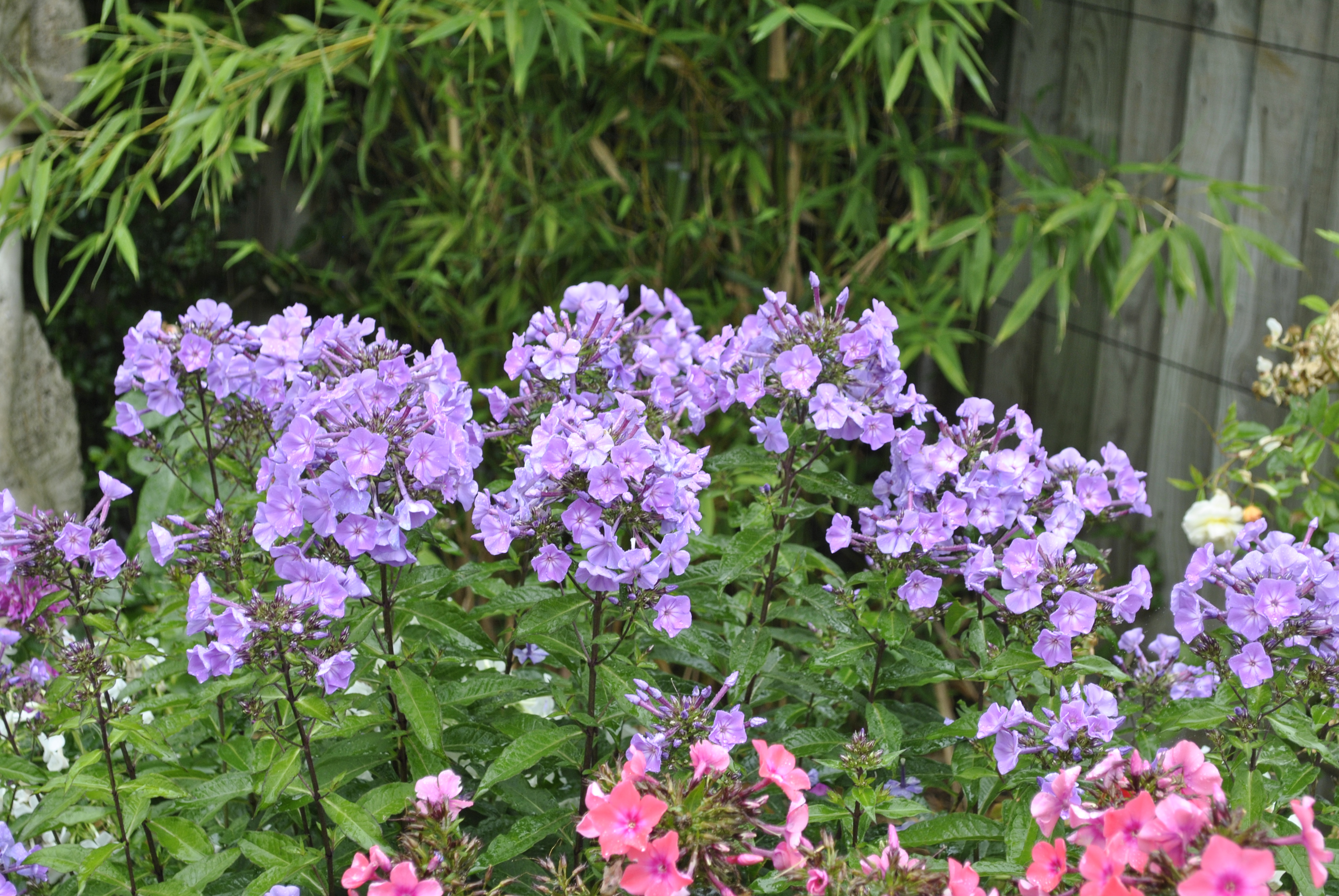
As I have mentioned many times over the years, I am not a big fan of Garden Phlox but they are such reliable plants, given enough moisture, that I am reluctant to get rid of them. I keep splitting them and they seem to do even better! I believe this one is called ‘Blue Paradise’ but I couldn’t swear to it. The previous owner planted a few different ones in the 60’s and they are still growing strong which is a testament to their longevity. They can suffer from mildew if they get too dry at the roots which is why they probably went out of favour.

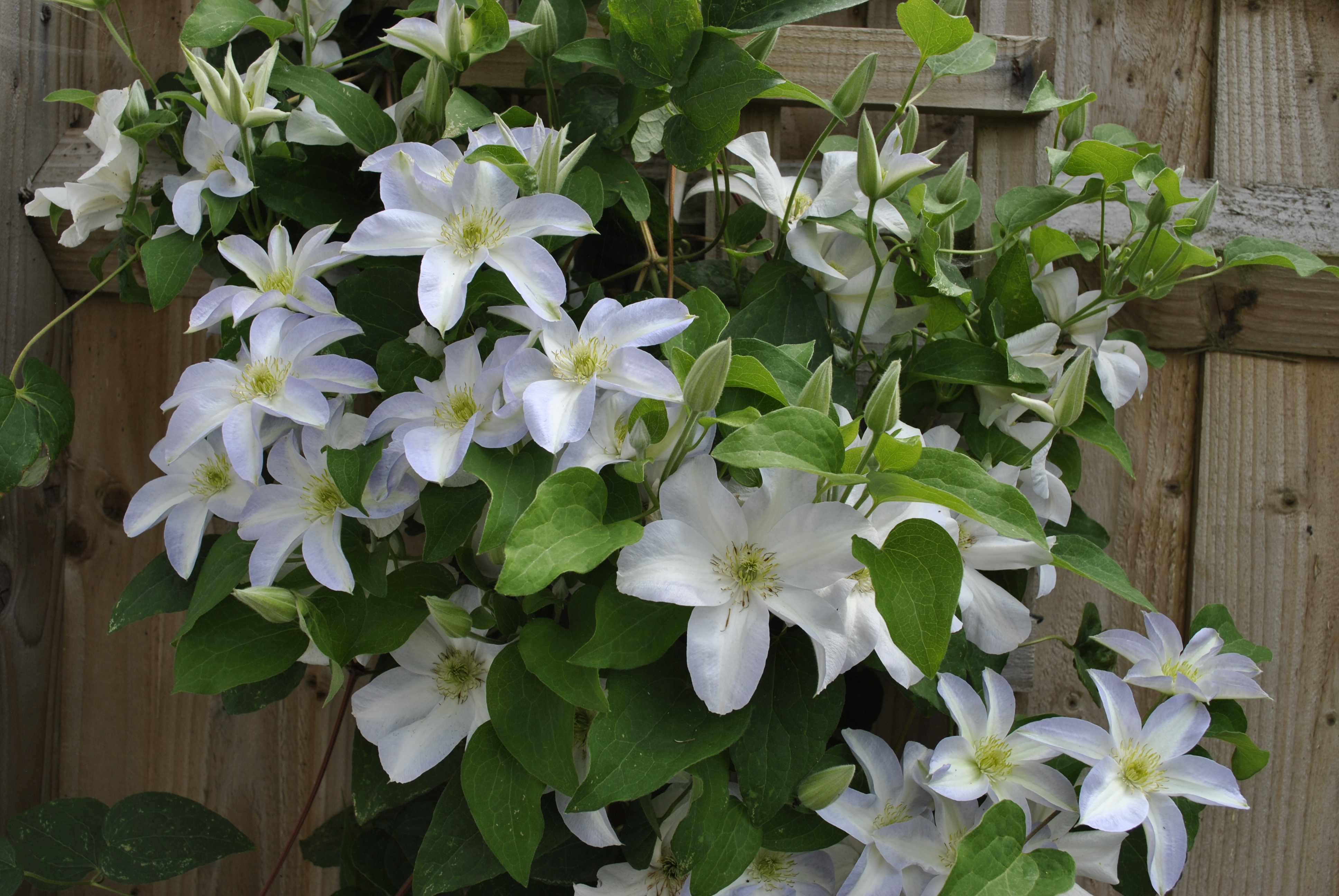
No roses worth showing this week so I decided to feature the delightfully named Clematis ‘Yukikomachi’ which is a short viticella variety ideal for a trellis panel next to a gate which is where mine is and gives me pleasure every time I pass through. I just hope it is still there tomorrow!

Have a great weekend

David

Six on Saturday

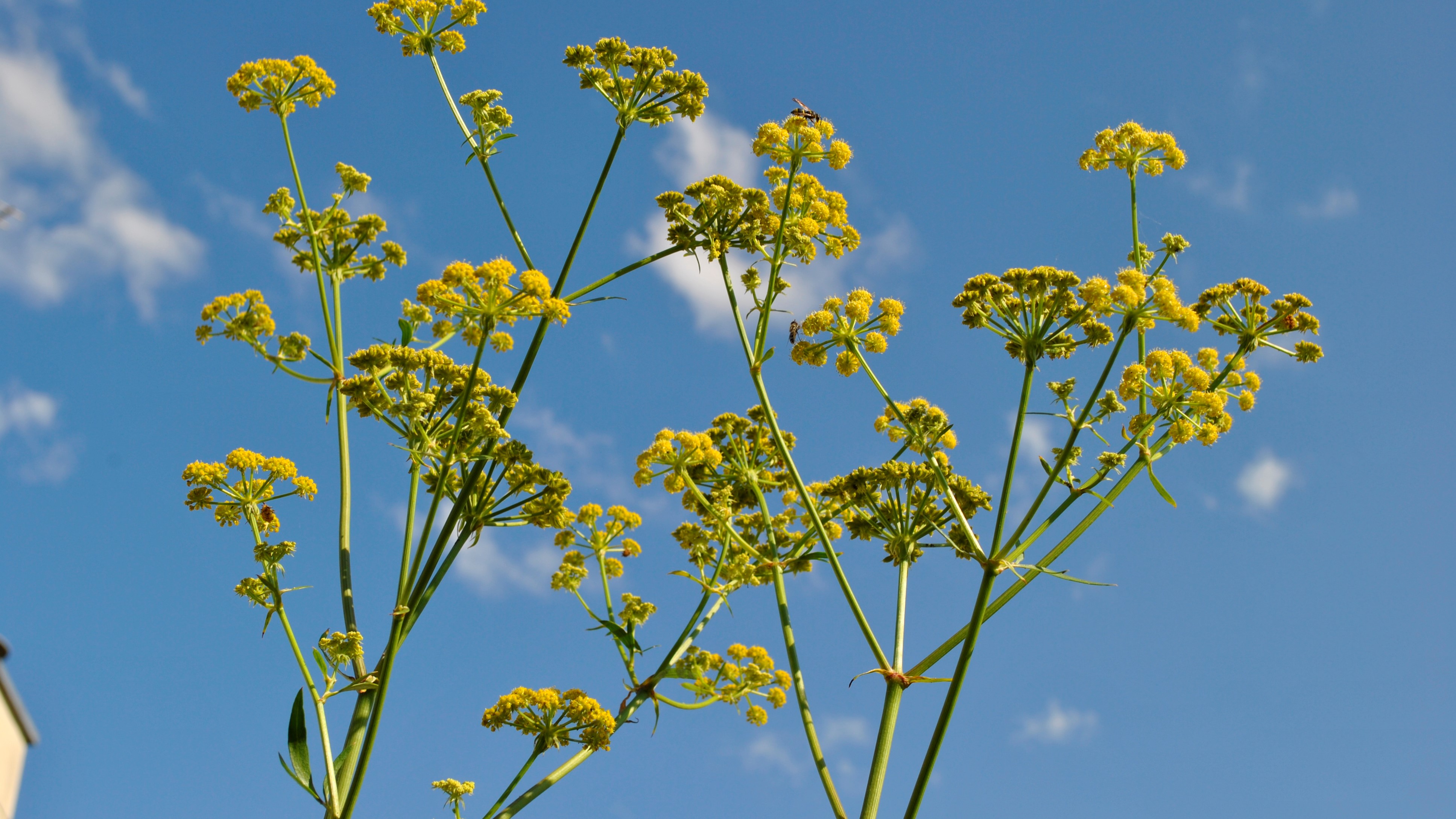
Three guesses……no, it’s Lovage! So many herbs and vegetables have wonderful flowers, it’s a wonder more gardeners don’t grow them as ornamentals.

This is the business end, the leaves that are used to flavour soups and stews, but a bit dull compared to the flowers!

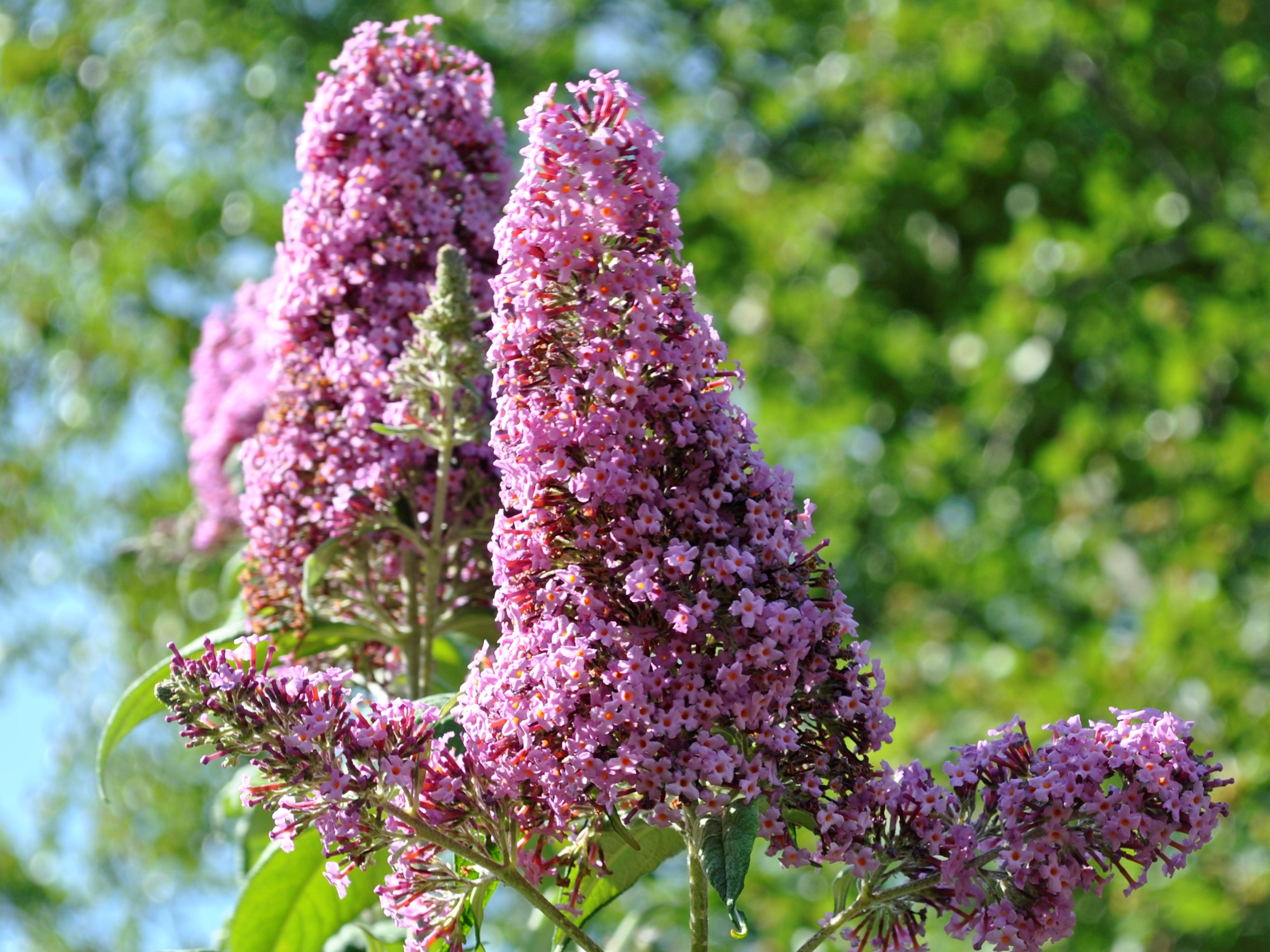
A rather odd view of Buddleia ‘Pink Delight’ reaching up to the sky to attract passing bees and butterflies. One of the better buddleias with big, fat flowers full of nectar.

Francoa sonchifolia or Bridal Wreath as it is commonly known. This one is the deeper pink of ‘Rogerson’s Form’ acquired from a Plant Heritage plant sale many years ago and, as you can see, loved by bees at this time of year. Not grown as much as it should be, it is a bombproof perennial, totally hardy and well behaved.

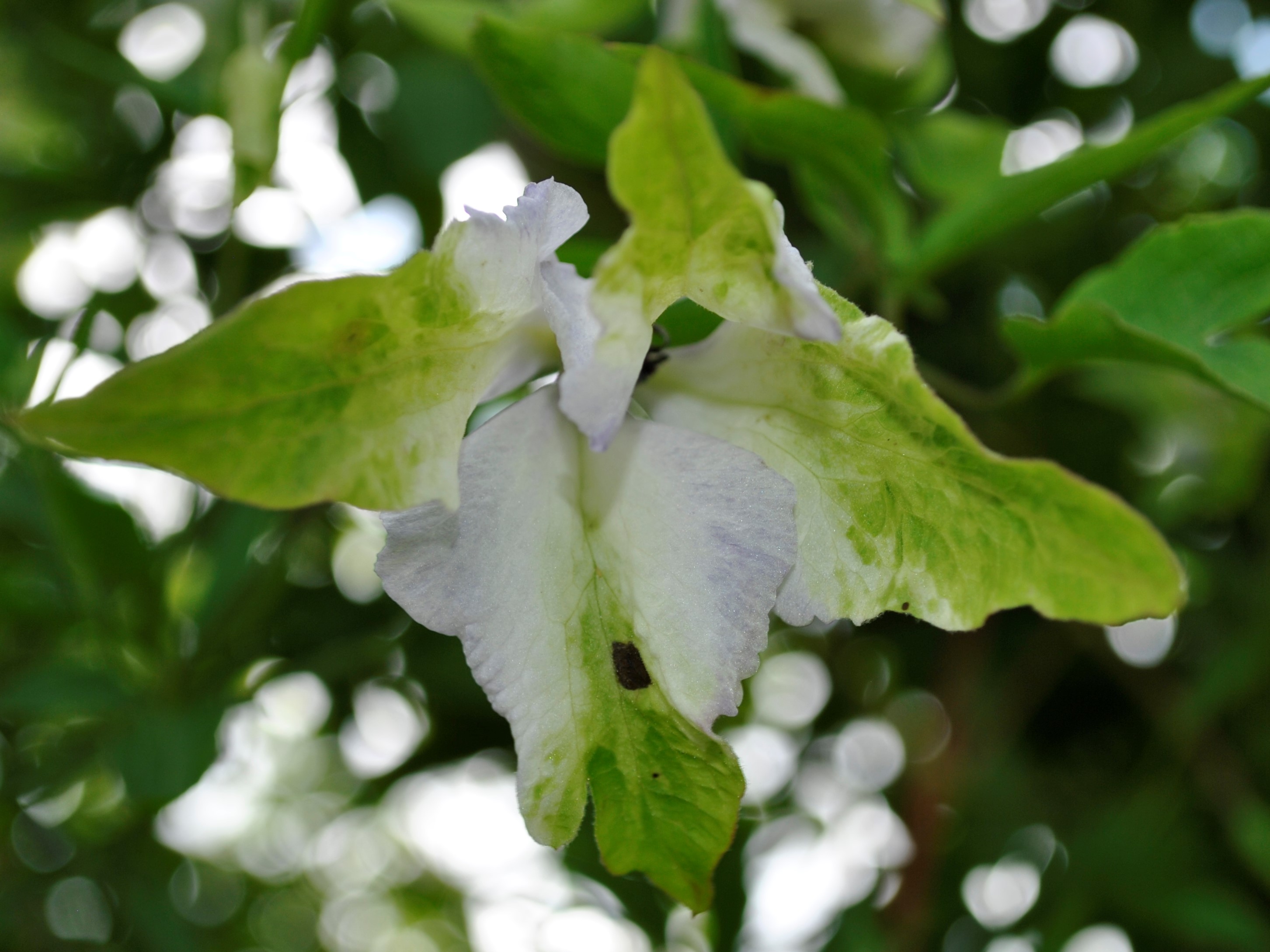
Despite it’s weird appearance and bizarre colour scheme, this is apparently a ‘choice’ form of clematis called ‘Alba Luxurians’ which is white with green tips or splashes. I discovered it growing up an old apple tree in the garden when we moved here 14 years ago and each year I tear it out of the tree and hack it back to the ground. It is obviously a Viticella type but I don’t see it grown in the many gardens I visit, which is either because it is unusual and hard to come by or, probably, because people don’t like it! I can’t make up my mind. I don’t think I would go out and buy it but, as it was here before we were, it deserves its place.

If there was ever a plant which divides opinion, this is it. Lysimachia cilliata ‘Firecracker’, part of the broad family of Lysimachias which cover every size, shape and colour of flower and leaf. This one, however, is probably the most ‘Marmite’ of them all due to its tendency to spread into unwanted spaces and for its unexpected bright yellow flowers aboard coppery leaves. It just doesn’t look right! The small patch I now tolerate sits beneath tall flowering daisies and sunflowers and helps to fill a gap in the border before they come into flower.

If you don’t already have it, I urge you to acquire some Ivy Leaved Toadflax, Cymbalaria muralis, which can literally be grown anywhere. I have a friend who grows it in an old watering can! It’s edible too apparently tasting like watercress, although I can’t confirm that having never tried it, nor intending to! A little joy in a pot, a gift from a friend, a cheery smile as I walk past, undemanding, unpretentious and reliable which is more than can be said for a lot of plants in my garden, and some of my friends!

Have a great weekend

David

Six on Saturday

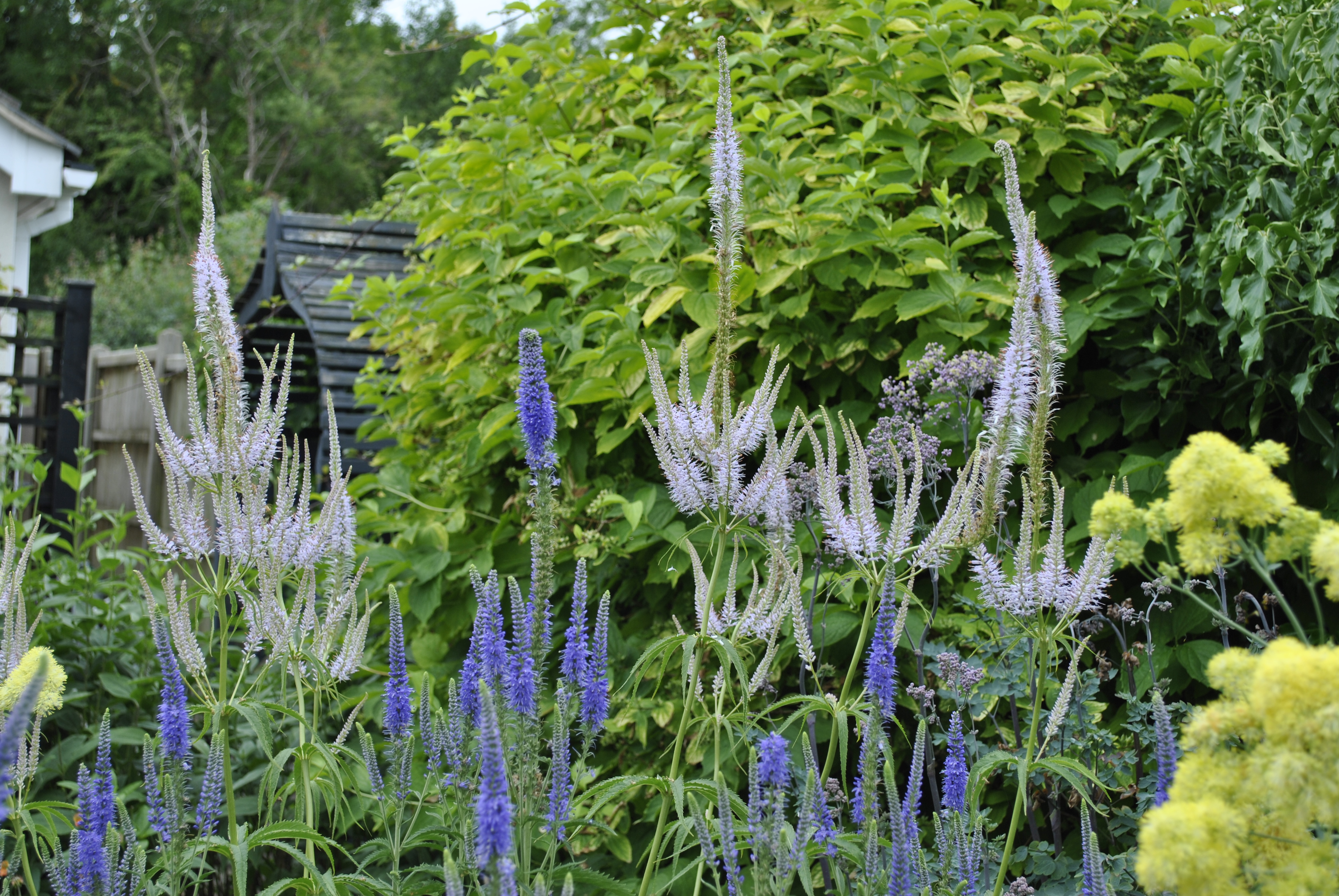
It’s the height of summer and everything in the garden is jostling for position, pushing and pulling or reaching for the skies like this Veronicastrum ‘Lavendelturm’ which is peaking over Veronica longifolia at the back of the border.

The same border is fronted by this tall Lysimachia ephemerum which always causes a stir when visitors see it. Firstly, they can’t believe it is a Lysimachia, and secondly because of its elegance and beauty. It is tall, 150cm or more, with glaucus foliage and spikes of pure white florets which, despite the name, go on for several weeks.

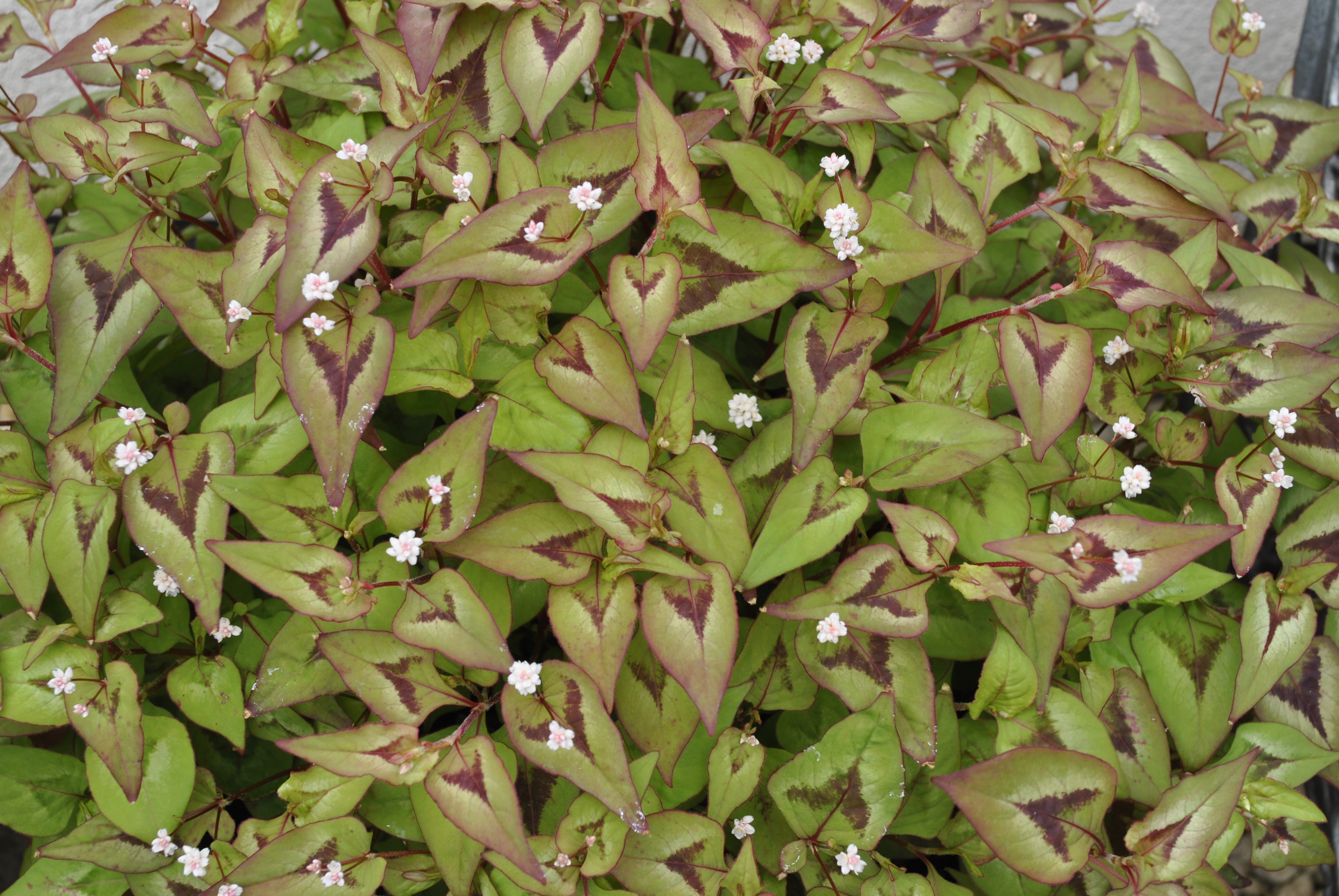
This unusual and diminutive Persicaria microcephala arrived with a health warning as it has a reputation for spreading uncontrollably under the right conditions. Fortunately, I don’t have the ‘right conditions’ which is a moist fertile soil. My dry clay soil should slow its progress outwards and instead, form a nice mound of pointy foliage topped with pretty white flowers.

My ‘go to’ downpipe concealer is this climbing foxglove, Lophospermum erubescens, which a kind friend gave me many years ago and which, owing to its propensity to drop seeds everywhere, has stayed with me ever since. I have given up trying to overwinter the mother plant as it never seems to do as well in subsequent years so instead, I simply dig up one of the myriad seedlings it kindly provides and overwinter that instead. This is one I dug up in October and is now 8′ tall. It produces hundreds of pretty pink foxglove shaped flowers and felty, heart shaped leaves which go on for months. Highly recommended.

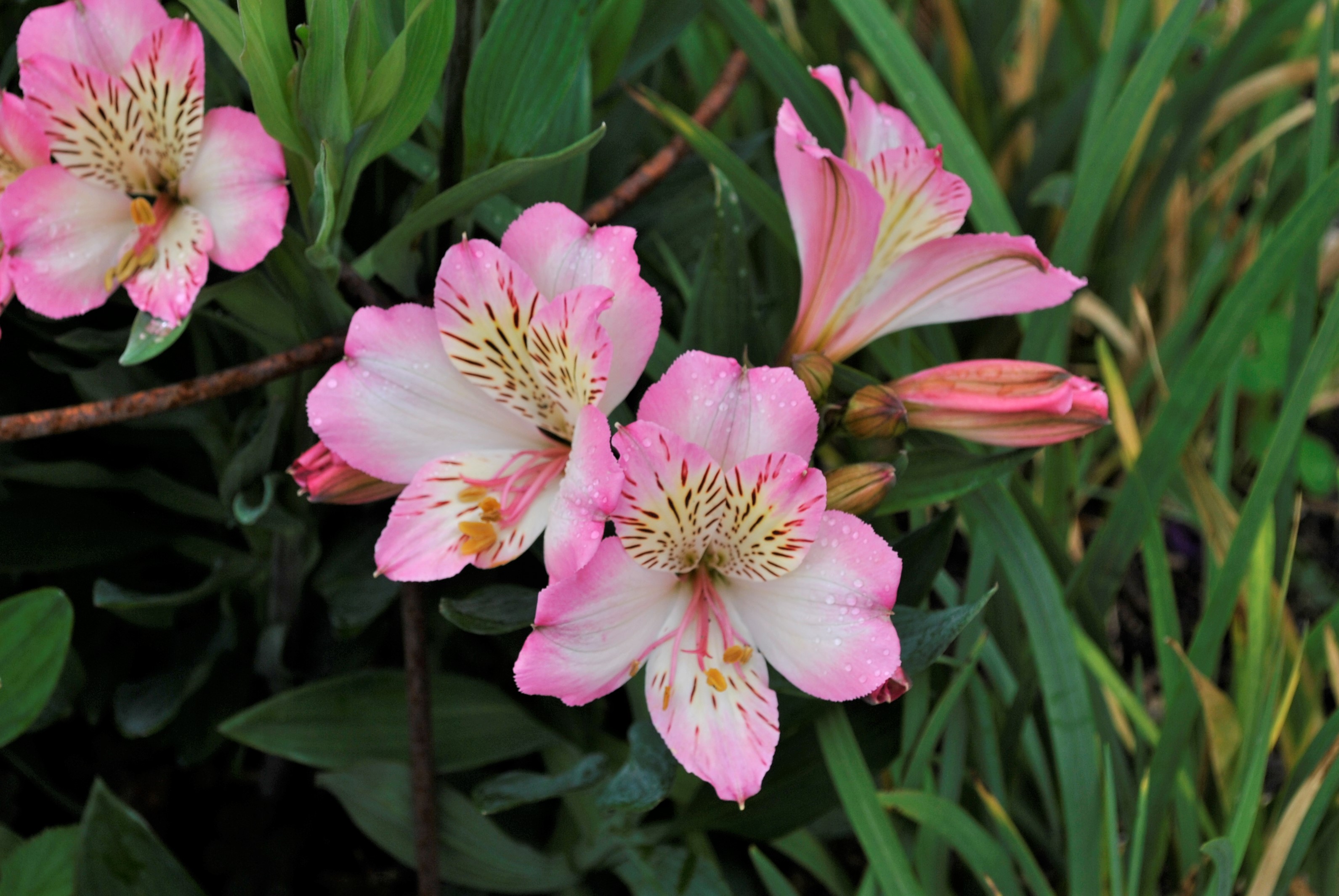
Alstroemeria ‘Summer Break’ found last winter tough going and has only just produced its first flowers which is much later than its companion ‘Indian Summer’ which has been flowering for several weeks already. However, the flowers are so exquisite that she is forgiven for her tardiness.

Very tricky to photograph, this Verbena officinalis ‘Bampton’ sits in a dark corner of the rose garden next to a path which is where it seems to enjoy life with its feet under the paving, rather like V. bonariensis does. I have given lots of volunteer seedlings away this year to people who either don’t know it or can’t grow it, which I find astonishing. It is now officially classified as a weed in my garden! Contrary to its hot, arid origins, this plant prefers to be in the shade and needs quite a moist soil, perhaps because it was found in Bampton in Devon!

Just had to end this week’s Six on a rose, and what a rose! ‘Camille Pissarro’ at his absolute crazy, zany impressionist best!

Have a great weekend

David

Six on Saturday

“A rose by any other name would smell as sweet” even if it is supposed to be apricot and turns out to be pink! This was supposed to be ‘Eden’s Apricot Blaise’ but no matter, it is still beautiful.

‘Camille Pissarro’ however, does exactly what it says on the tin. Named in honour of the French impressionist painter, it reminds me of raspberry ripple ice cream!

Phlomis russeliana wanders throughout my garden, popping up here and there in places where it feels comfortable. It always seems to grow better that way so I generally leave it alone. A valuable plant for dry parts of the garden where other things might struggle. It does produce a lot of seed though!

The same is true of my little forest of Lychnis coronaria ‘Alba’ which discovers where it wants to grow and tries to completely colonise the area with hundreds of seedlings. I have lost count of how many plants I have dug out and given away, or composted! Much more refined than the garish cerise Lychnis usually seen and much admired by garden visitors. A pig to deadhead though!

This is tricky to photograph due to the background but looks better if you click on the photo to enlarge it. Full marks to anyone who spotted the tall colourful flower spikes of Delphinium requienii, or Requin’s Larkspur. A species in the Ranunculaceae family which doesn’t get attacked by slugs and snails like ordinary Delphiniums do. Given to me by a friend two years ago, it now self seeds profusely in this little patch and mingles with chicory and scabious to produce a colourful border of blues and purples.

The latest addition to my National Collection of Tradescantias is ‘Temptation’, and I just couldn’t resist! Hints of pink in the three petals, dark pink filaments surrounding six stamens topped with bright yellow pollen anthers, rare and beautiful.

Have a great weekend

David

Six on Saturday

The exquisite beauty and scent of Sweet Pea ‘Betty Maiden’ is overpowering as I walk down the path. She is certainly one of the strongest fragrances in my little collection of Sweet Peas and one I will always cherish.

The first Dahlias are in flower already including this ‘Union Jack’, also known as ‘Star of Denmark’, which I am lucky to be looking after and propagating for Plant Heritage. It is a rather sickly looking plant with spindly stems which flop under the weight of the rather garish flowers but it flowers profusely until the first frosts.

It is proving to be a very good year for roses with very strong flowering and lots of healthy foliage and few greenfly. This ‘Let’s Celebrate’ is a good example of the sheer quantity and quality of blooms. Much admired at my Tradescantia Collection Open Day on Thursday along with several others equally as good.

Just exquisite! Rosa ‘Isn’t She Lovely’. Yes she is! Perfection.

The Alstroemerias are beginning to flower with ‘Indian Summer’ the first. They took a while to get over the tough winter and fight their way through the 10cm of mulch I piled on top of them in November. I will start pulling them for the vase this weekend to keep them flowering. If you don’t already know, they are twisted and pulled like Rhubarb, never cut. The pulling stimulates more flower buds to form.

I do think these Nectaroscordum siculum are clever! When the drooping bells are pollinated by bees, they turn themselves upwards and close up like little pixie hats!

Couldn’t resist one more, the rock rose, Helianthemum ‘Wisley Primrose’, a sprawling sun lover for the dry garden which has incredible flower power for such a small plant. Not fussy about soil or moisture levels or nutrients but must be able to sunbathe all day!

Have a great weekend.

David