Six on Saturday

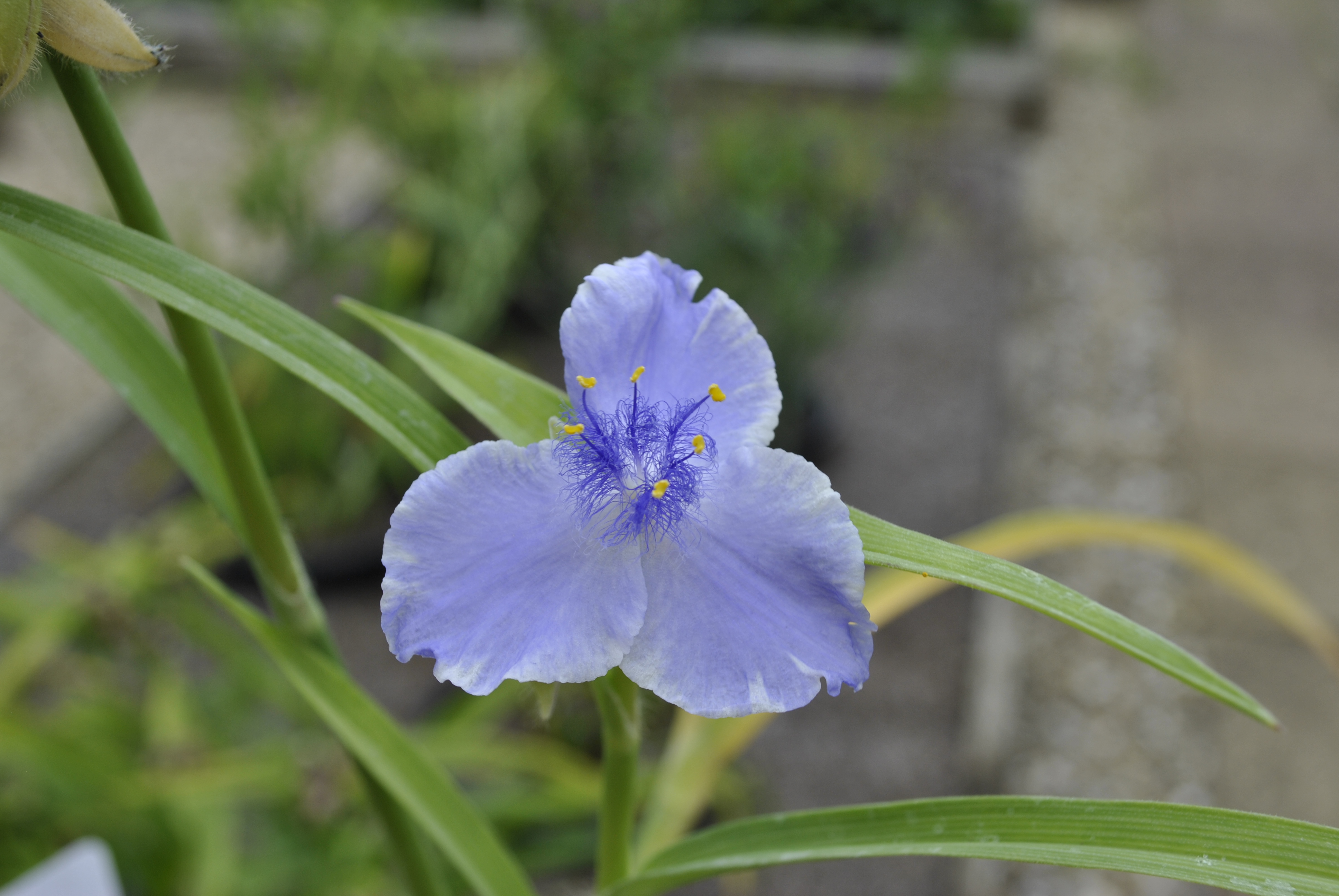
Just a pretty Poly to welcome you all on this dreary, windy and wet Saturday morning. Thankfully, my finger and toe crossing worked and we came off relatively unscathed after Eunice came in like a wrecking ball yesterday. Just one piece of broken glass, two lost floor mats and an upturned wheelie bin. All roof tiles intact, all fence panels still in place and, best of all, no lasting damage to my garden plants or greenhouse.

I am sure we are all familiar with emerging Delphiniums, the gourmet food of slugs at this time of year. I don’t have many for that very reason. I just can’t bear the sight of munched plants and try to avoid hostas and other such slug and snail delicacies rather than use chemical solutions. However, discussing this with a friend recently, I was presented with this:

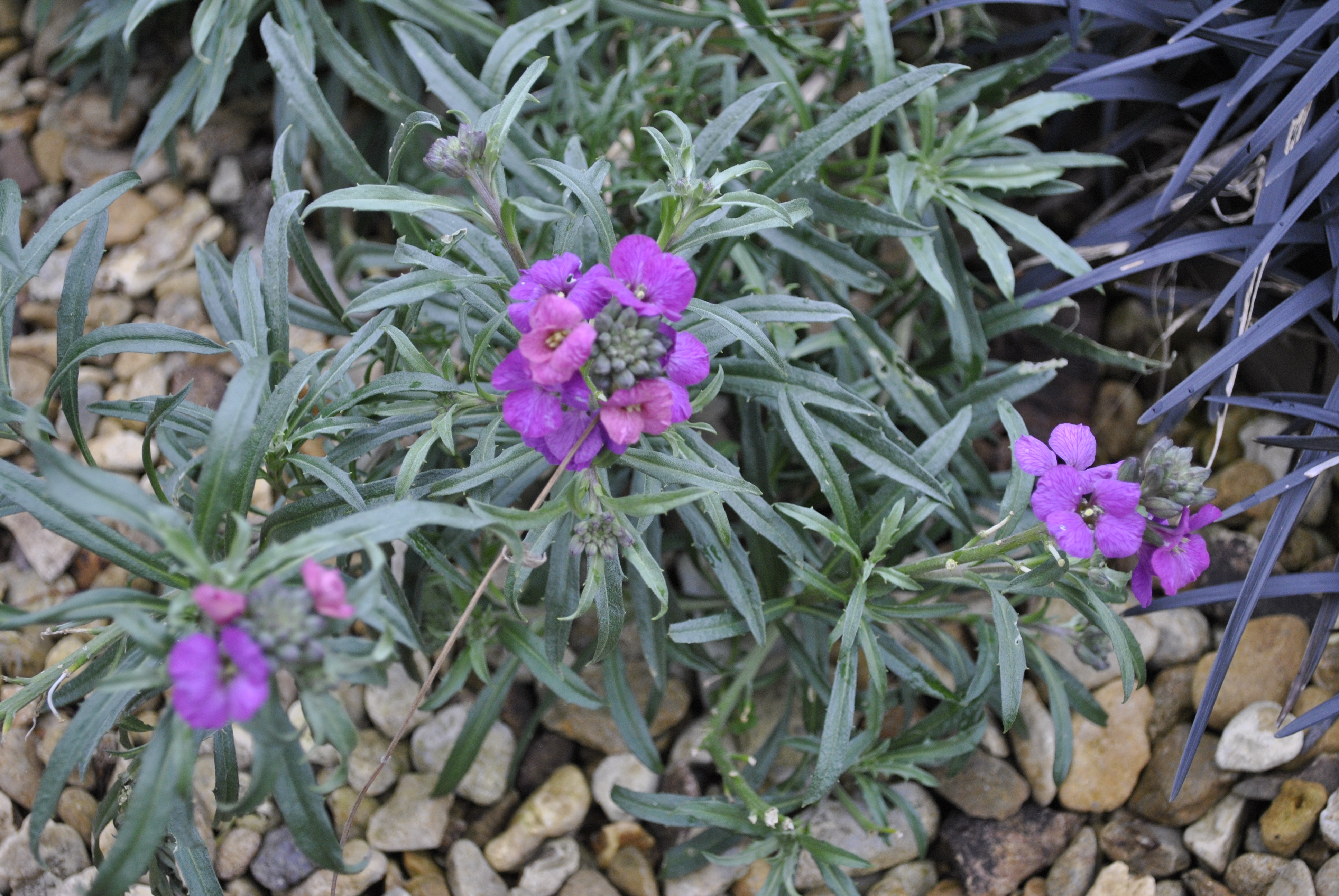
Delphinium requienii, a hardy biennial form from the South of France with thicker shiny leaves which slugs avoid! It grows on my friends allotment and is a prolific self-seeder there. It might as well be perennial, she says, because its offspring come true every year from seed. Different flowers from both perennial Delphinium and a different genus from annual Larkspur, this should become a permanent resident of my sunny herbaceous border.
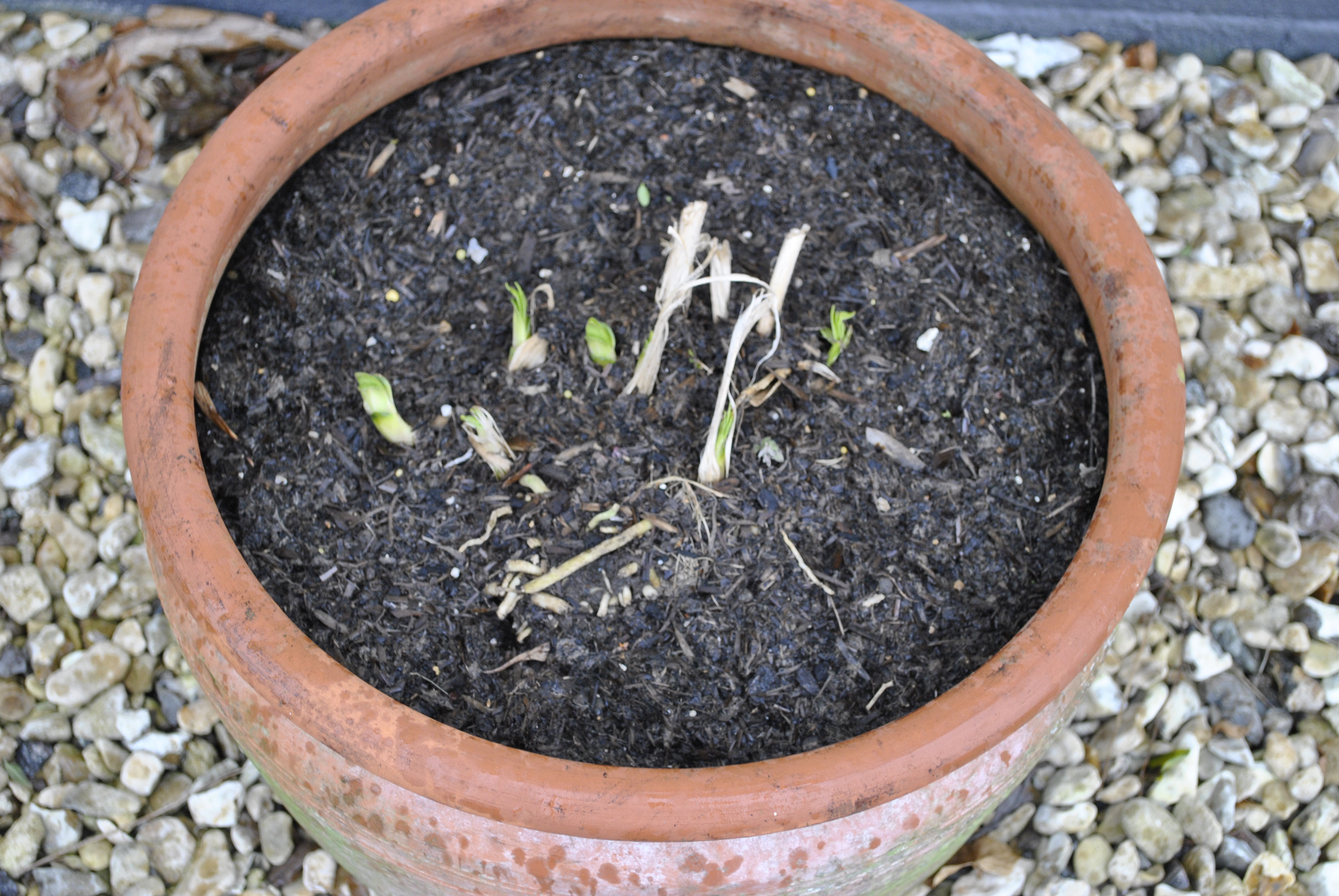
The tall, late flowering, dark blue Agapanthus, which was becoming swamped beside a burgeoning Pittosporum tenuifolium, has been lifted and divided into 4 quarters this week, each one now in its own large pot. It didn’t seem to notice being hoicked out of the ground, sliced up with a spade and moved to a new home. It has continued to put on new shoots and is apparently perfectly happy.
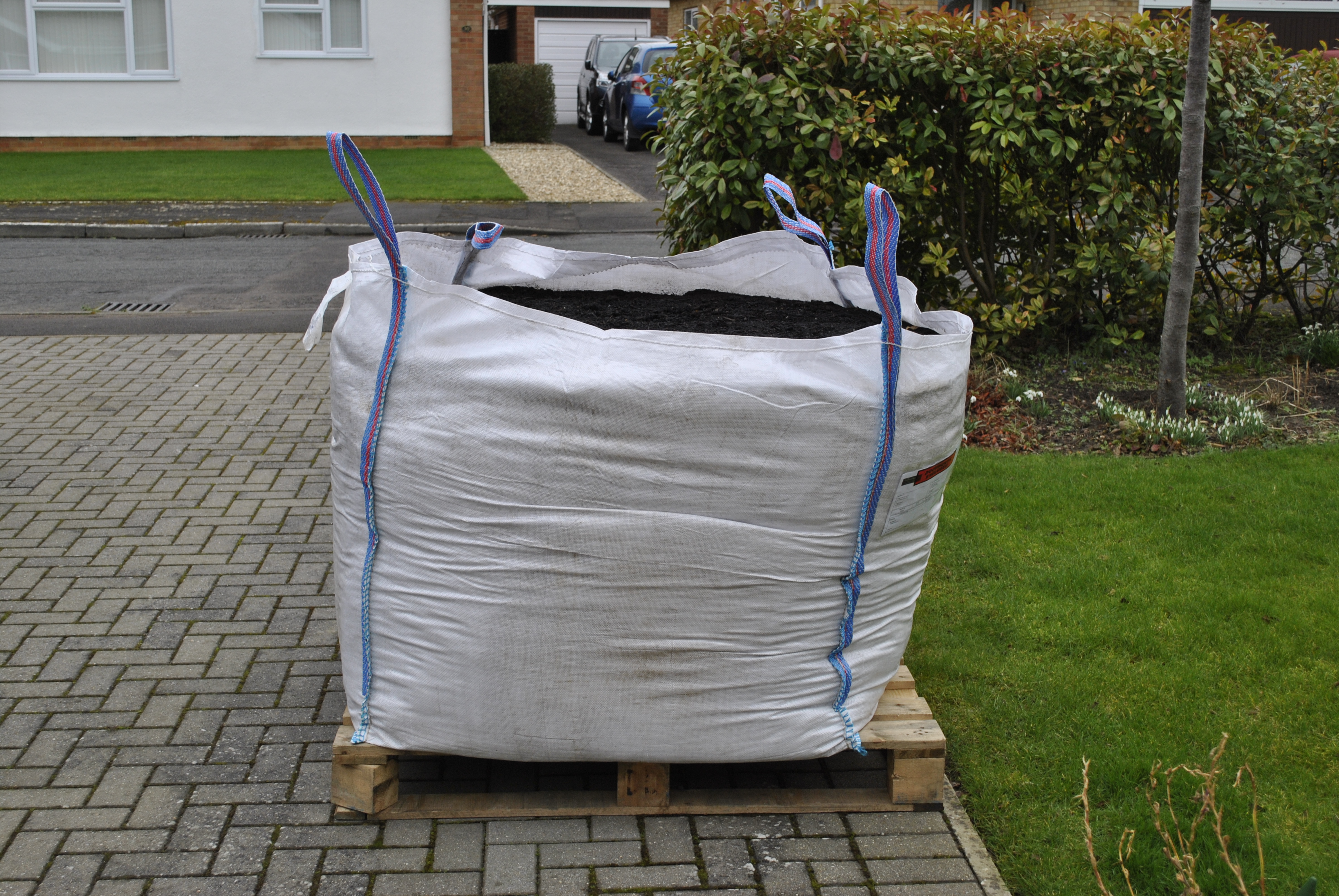
On Monday, my Valentine’s Day present to my darling wife arrived on a lorry. 1000 litres of beautiful, dark, crumbly recycled green waste soil improver. She was not impressed. I tried to explain that this was the ultimate eco friendly, recycled, low carbon footprint alternative to red roses flown in from Kenya but she was having none of it. Looks like I will have it all to myself!
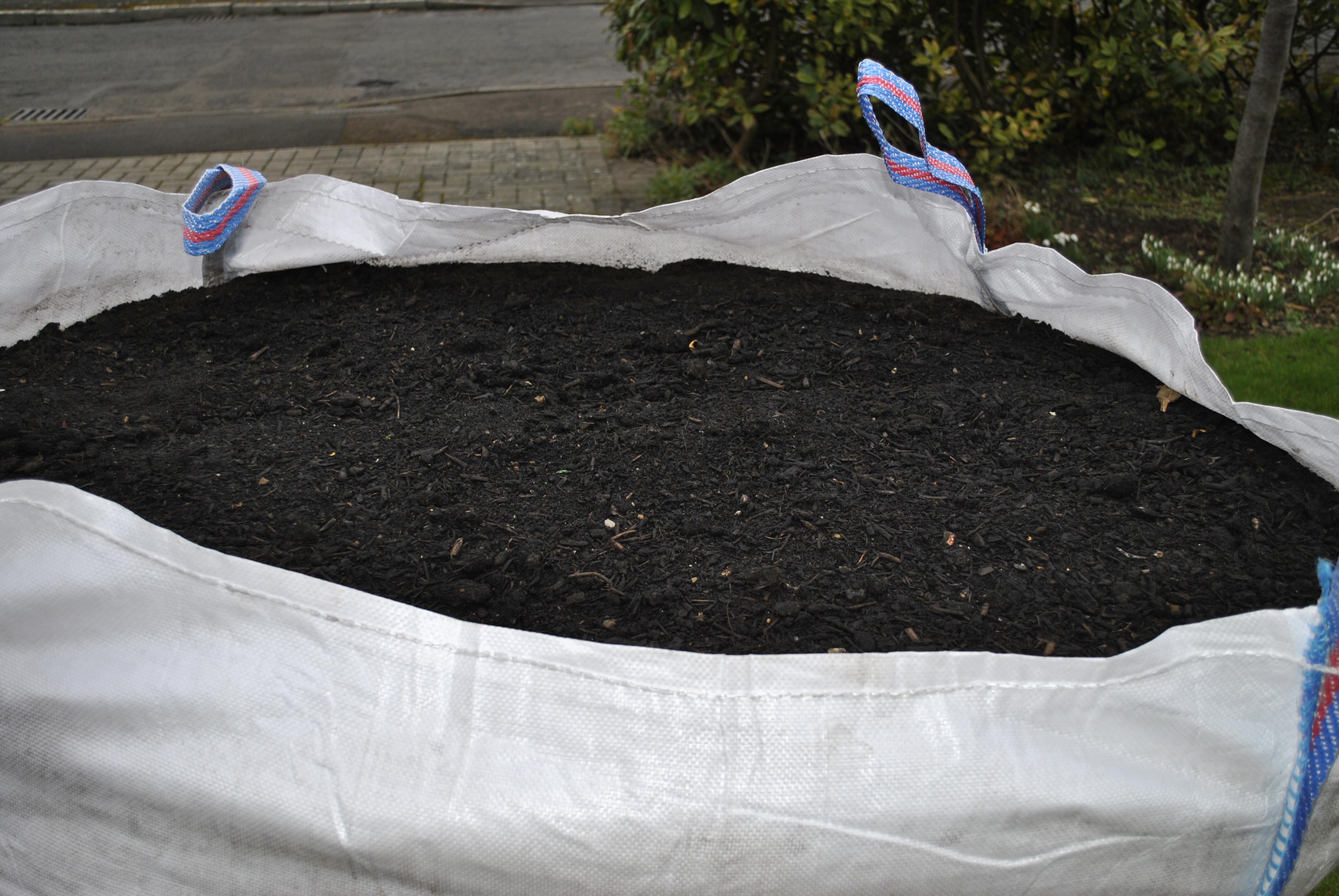
If anyone is interested in treating the other half to a similar gift, it came delivered on a pallet lorry from Earth Cycle in Chichester and this is their website. https://earthcycle.co.uk/?utm_source=bing&utm_medium=cpc&utm_campaign=Pure%20Brand%2BUK%2BAll%2BSPART&Campaign=Pure%20Brand%2BUK%2BAll%2BSPART&Source={Bing}&Medium={cpc}&msclkid=99a752d3052c147231bd30c3cc99b51d

That’s it for this week. Next week I will be sharing some information about my new website all about my Tradescantia Collection which you can follow if you wish.

Have a safe weekend

David

Six on Saturday

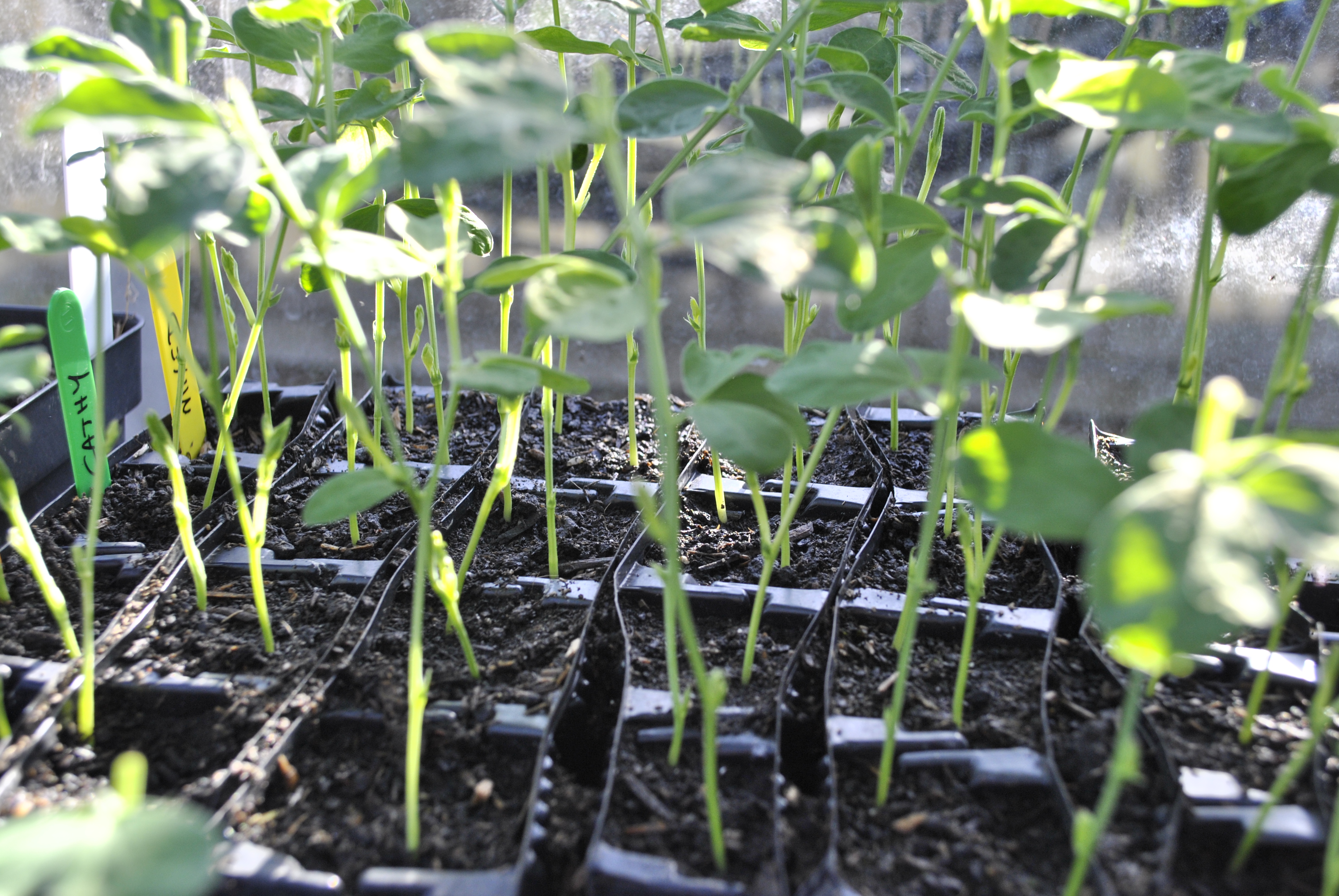
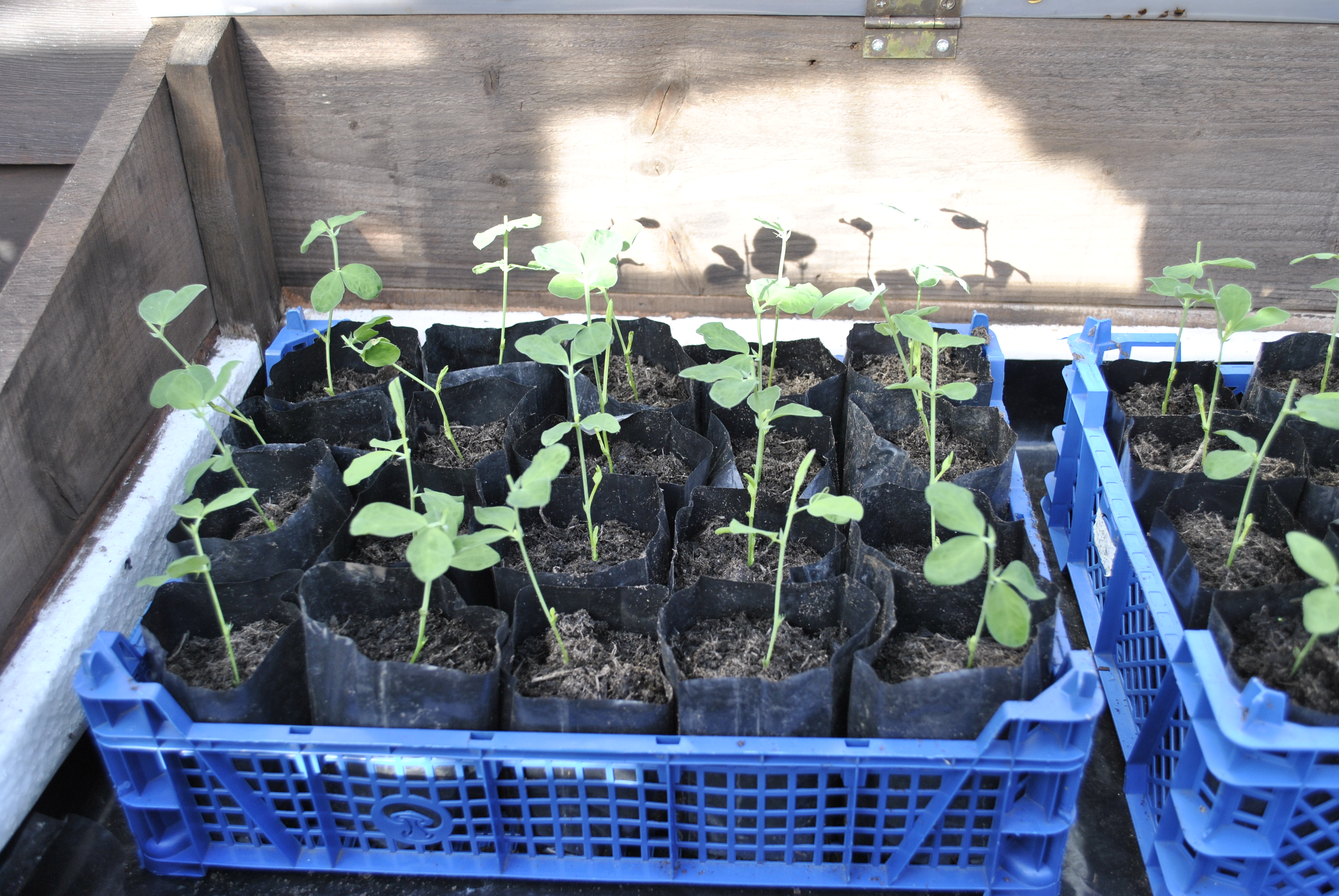
It was time to pot-on the sweet peas this week to give them 6 weeks to establish a good root system before planting out at the end of March. Some people are surprised by me doing this. Most people grow them in a pot and then just plant that out, even though the roots have probably been going round the pot for many weeks trying to find water and nourishment. I think this additional stage is worthwhile to get stronger stocky plants which are well fed and better prepared for life outside when they are hardened off in mid-March. It only took a few days after pinching the tops out for them to start producing side shoots which will result in nice bushy plants with more flowering stems and therefore more flowers.

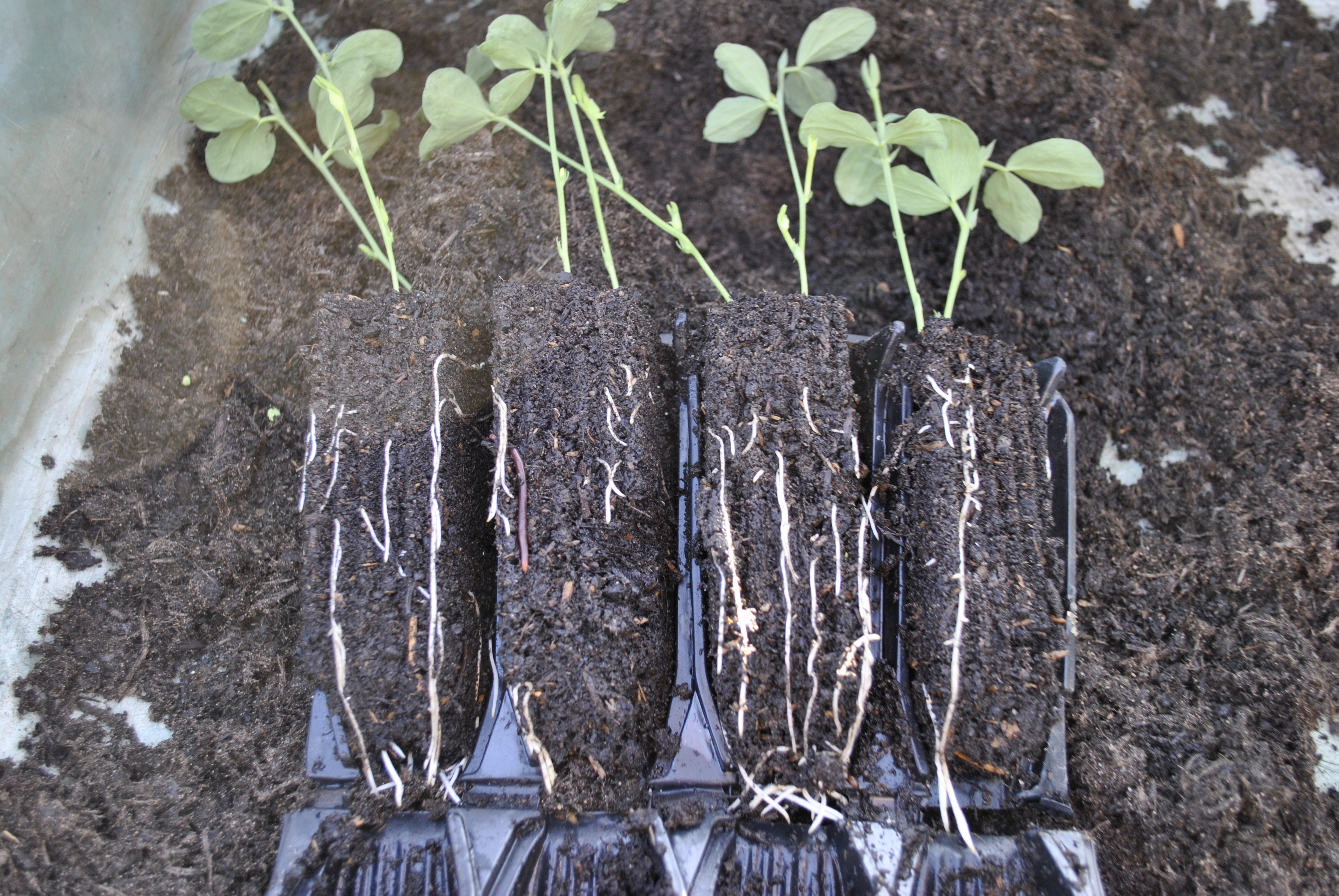
I sow two seeds into each cell of root trainers and, most of the time, both seeds grow. I don’t soak them or chit them as some recommend, I have never found this necessary if you plant fresh seed in October/November. As soon as they have grown two pairs of leaves I pinch out the top and let them start to produce side shoots. I start pinching out in mid January and by now they have all been pinched out and ready for potting-on.

The root trainers produce really good root systems and I think it is essential to give them plenty of room at this stage. I have tried cardboard toilet roll tubes but they just turn to mush and can only accommodate one seed. You also can’t pot them on unless you put the whole thing into a pot which seems to defeat the object of sowing them in the toilet roll tube in the first place! Root trainers are definitely the best.

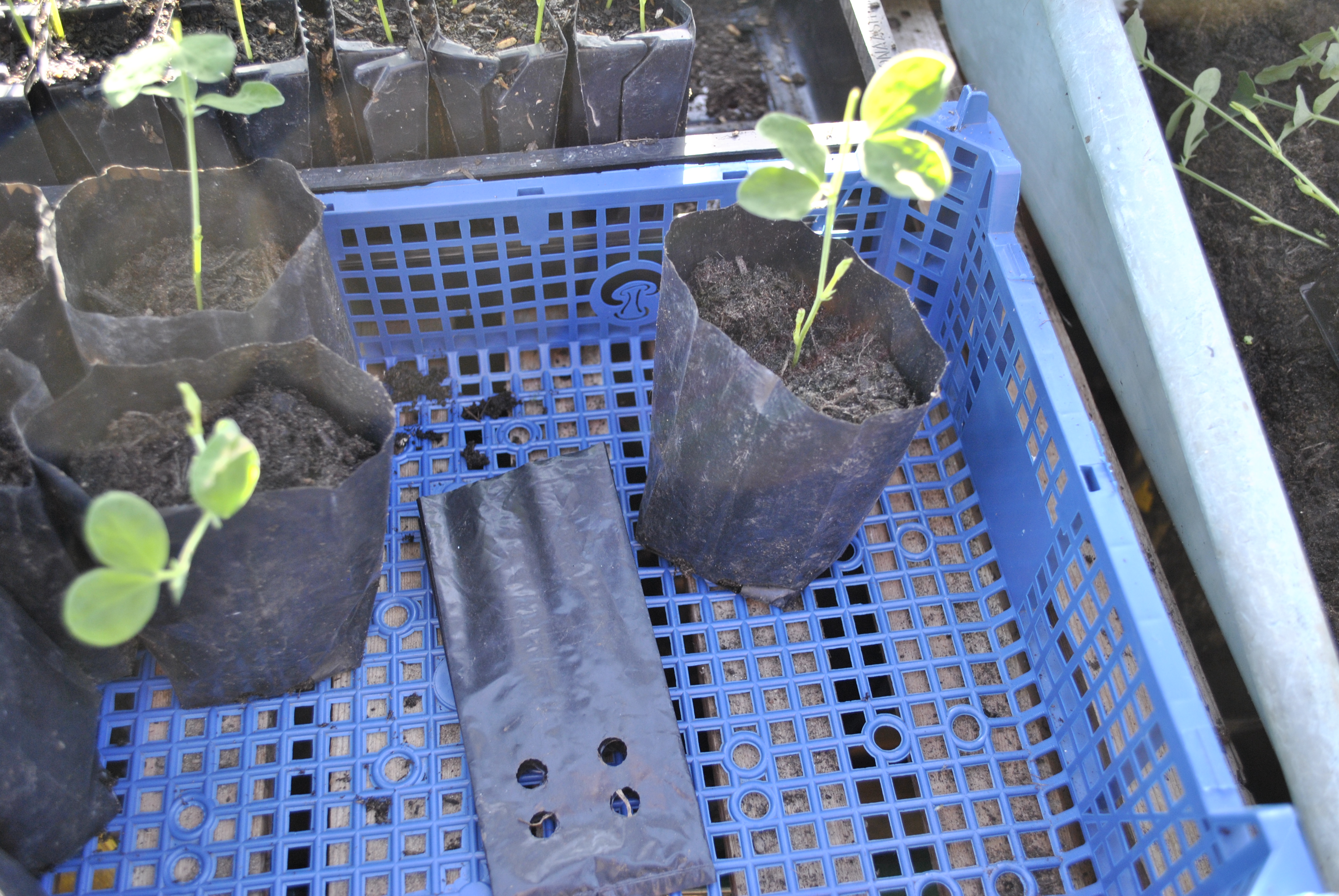
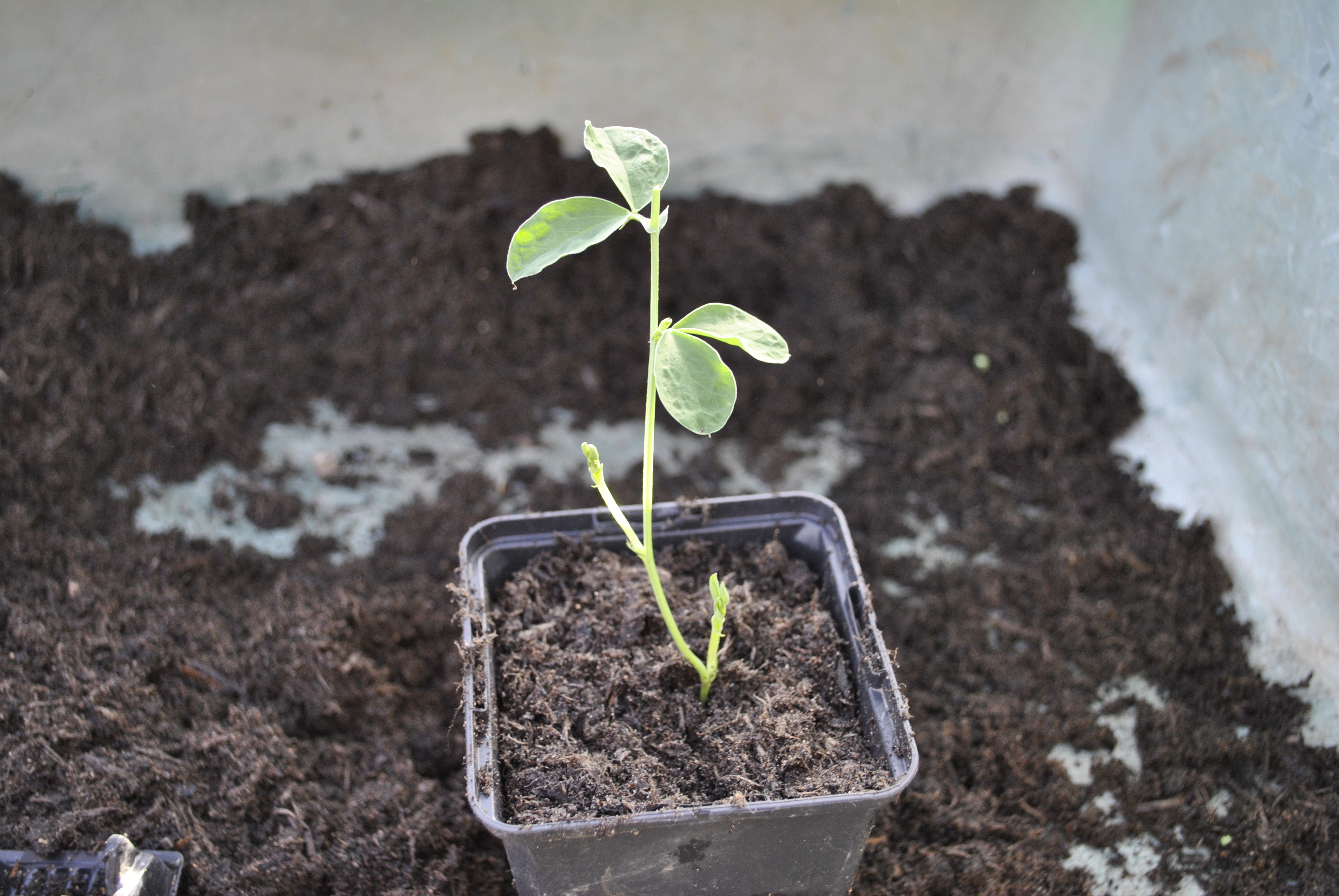
The two little plants separate easily without any damage to the roots and are potted up individually in 9cm pots or, my preference which is Sweet Pea bags. Hard to come by these days, I think I bought mine from Roger Parsons many years ago. Like pots, they last for ever. However, I have given so many away over the years to intrigued friends that I now only have 30 left, so I use 9cm pots as well.

They both fit nicely in a mushroom tray for moving them about and watering and provide the same amount of compost and growing room. I don’t add any feed in the compost at this stage, other than what is already provided by the supplier in the bag. I don’t want to encourage too much soft growth before they are ready to go outside.

So there we are, Six on Saturday all about Sweet Peas! Sorry, but there’s not much else going on this week. Lots more next week though, February is weed, feed and mulch time and I have 1000 litres of blended soil conditioner arriving in a dumpy bag on Monday! Valentines Day present for the wife. So romantic!

Have a great weekend

David
Six on Saturday

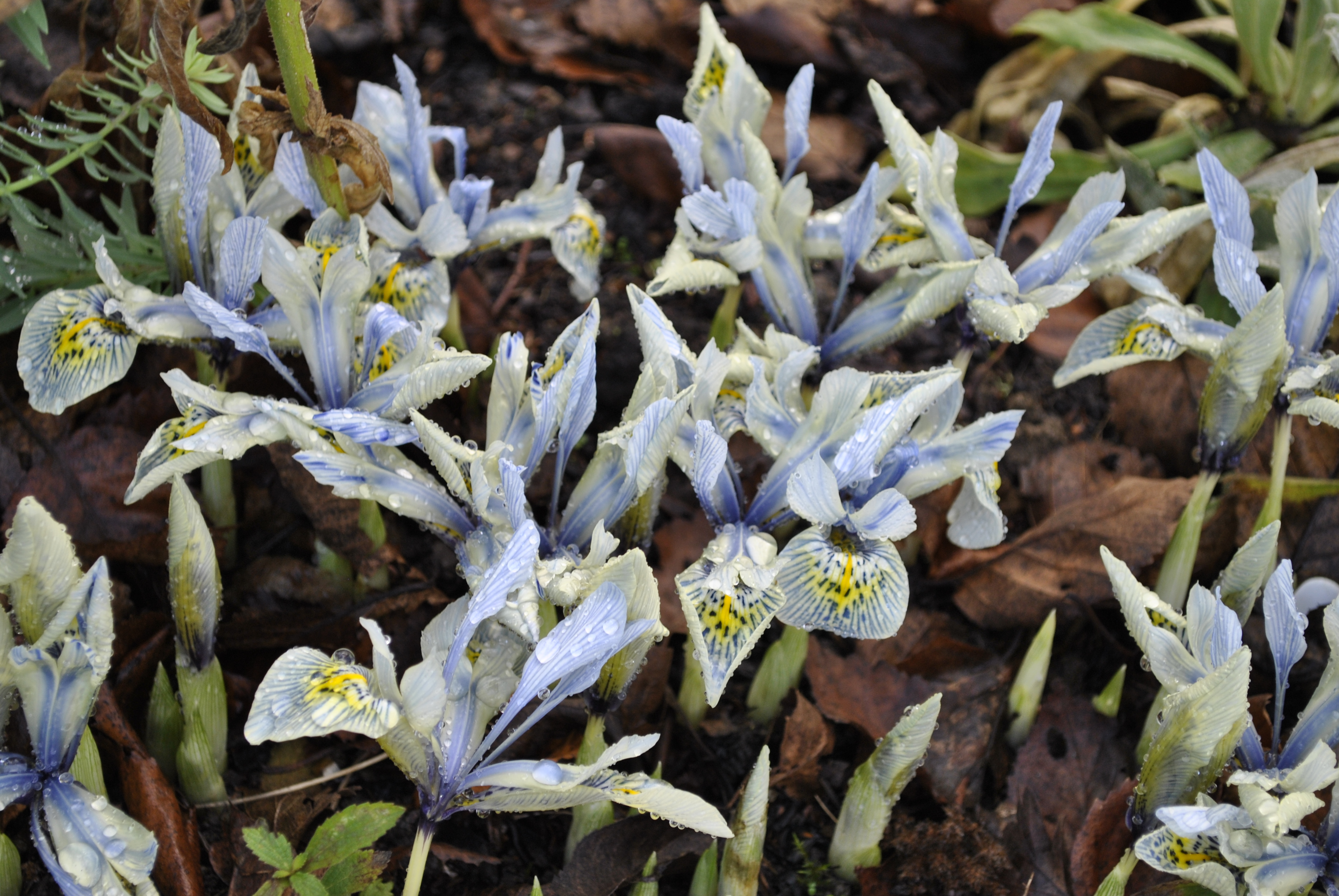
Rain at last! After several unexpected dry weeks since mid December, we finally got some much needed rain yesterday. Neighbours had been cutting their grass, I had been watering my pots and birds were relying on my bird bath for water. Strange times! Mind you, Iris ‘Katharine Hodgkin’ loved it and has put on a great display which will be brief but much admired.

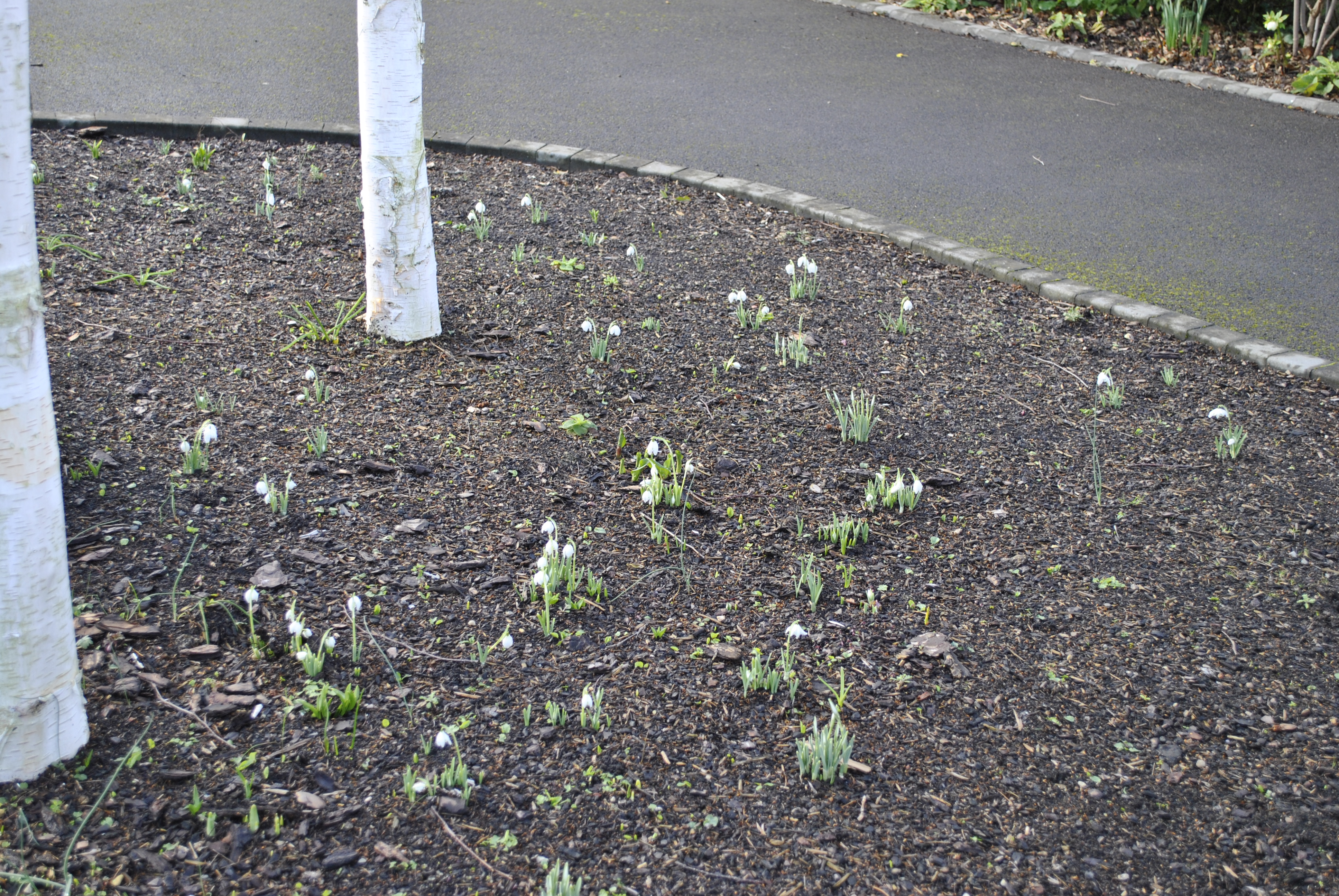
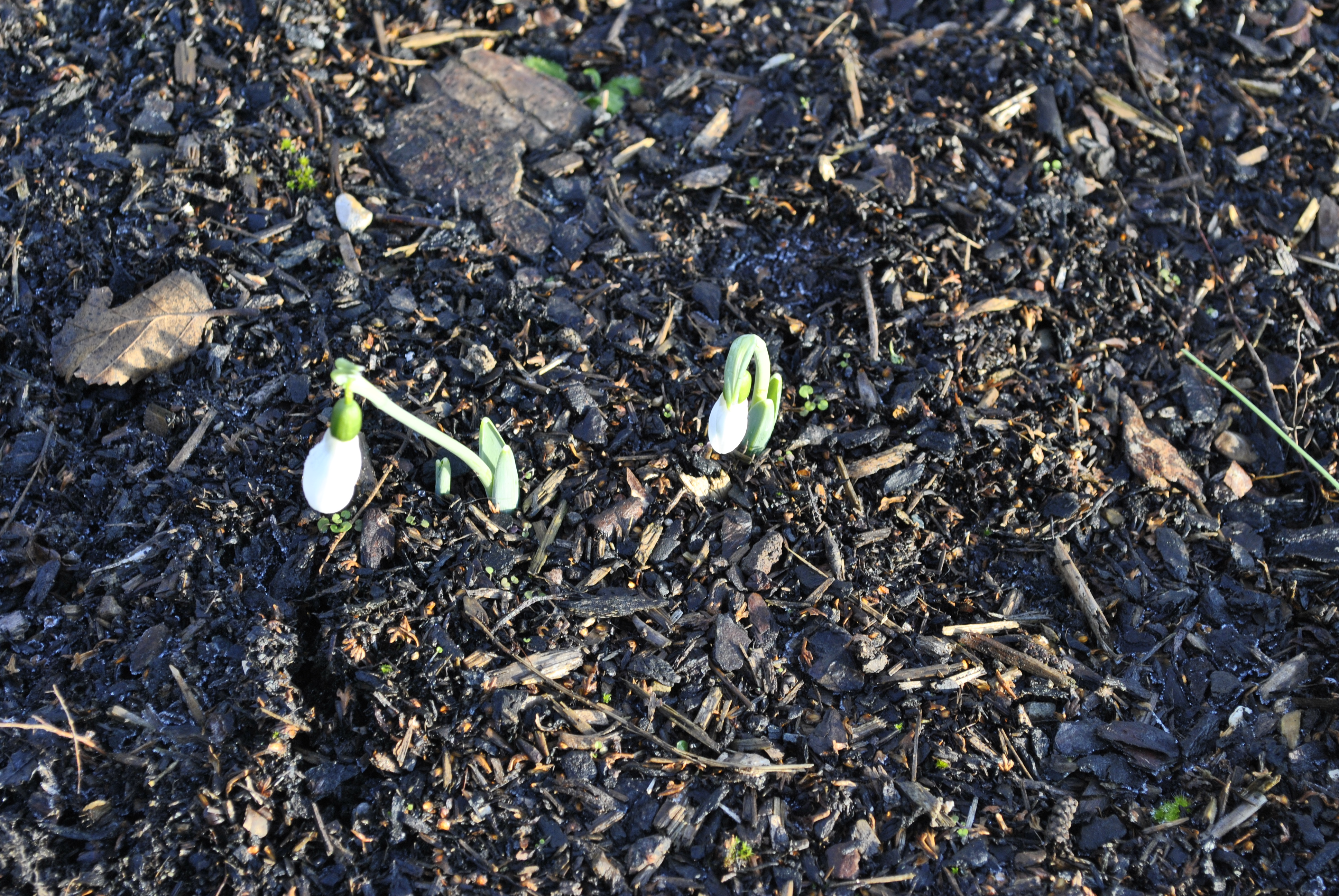
The Snowdrops I split and replanted last year under the Himalayan Birches have finally appeared, but look a bit lost at the moment. It will be a few years before they colonise the whole area, but one thing us gardeners have in spades is patience!

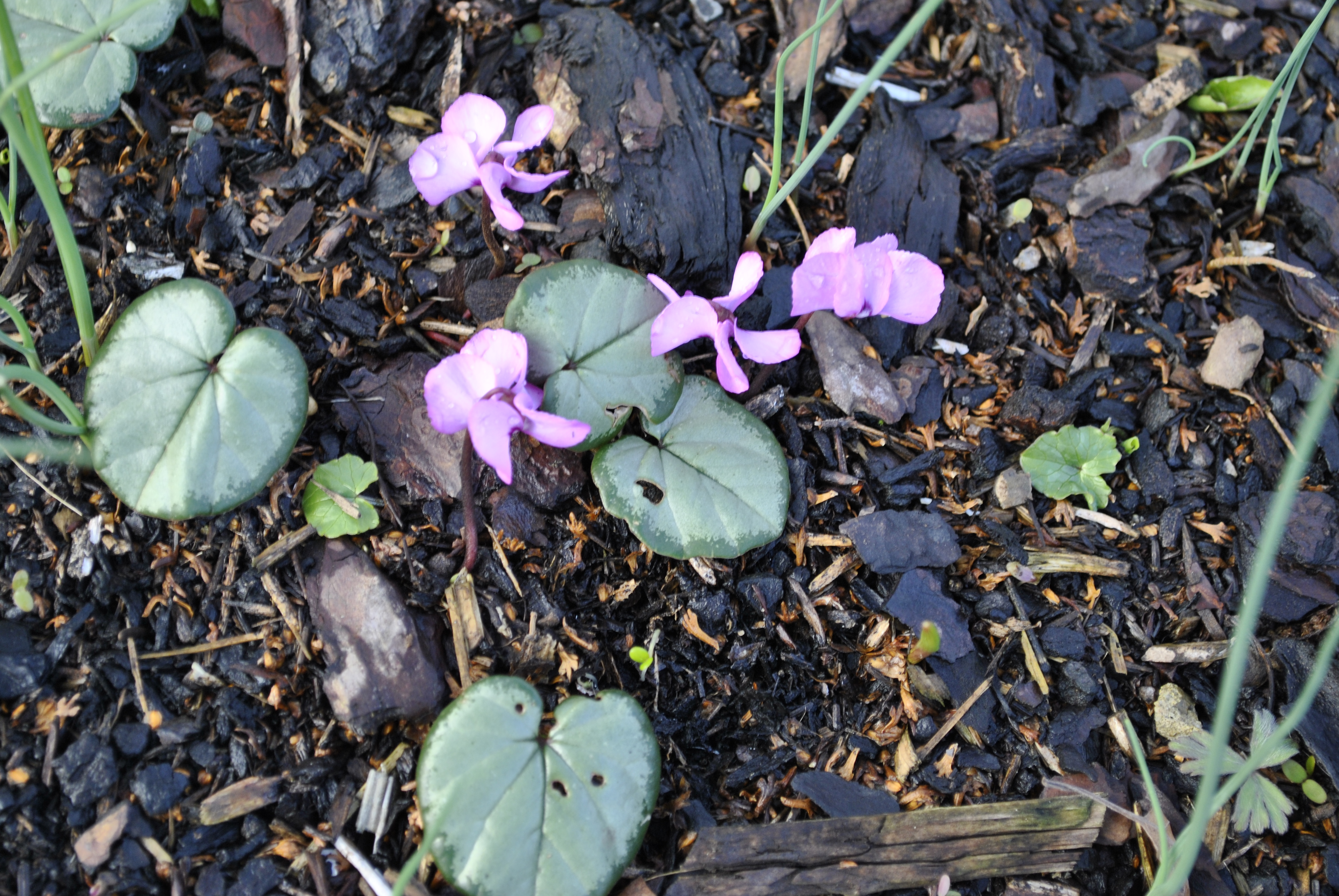
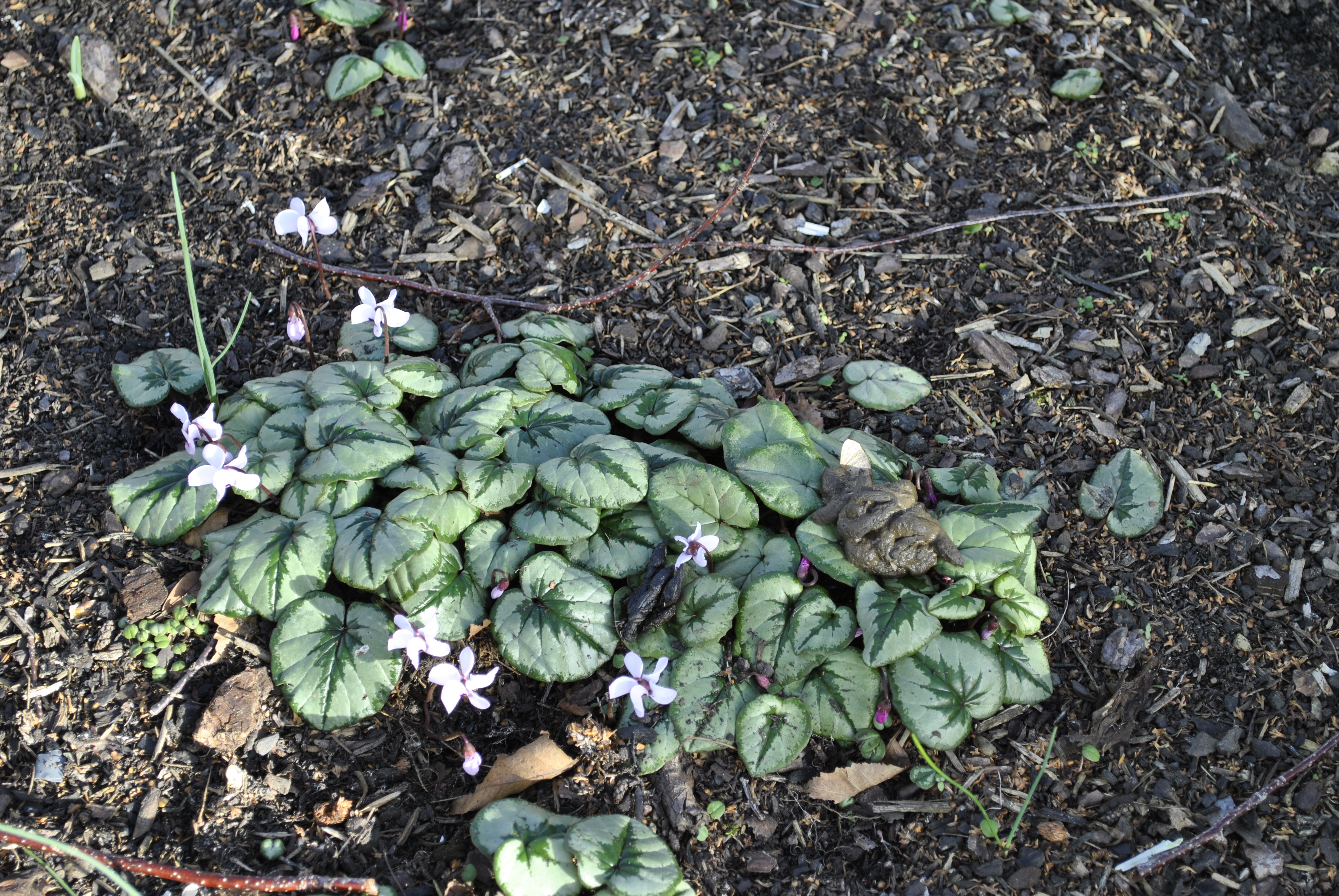
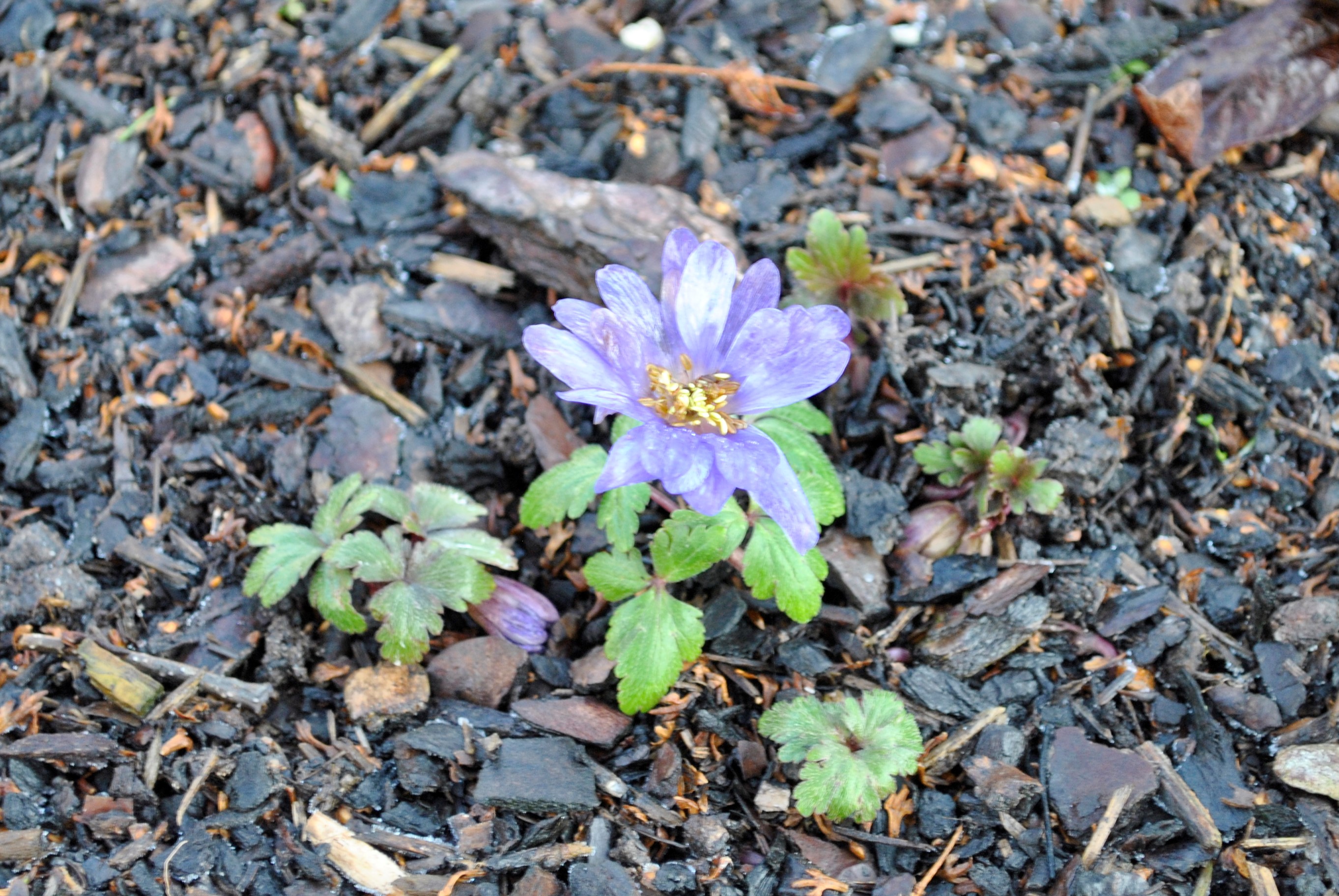
Cyclamen coum fighting it’s way up through 6″ of bark mulch! The Anemone blanda will be next followed by the narcissus. A gardening ‘guru’ friend told me last week that if I dig around in the bark mulch I will find threads of mycorrhizal fungi which everything else relies on. Not sure if I want to disturb things at the moment but it would be interesting to see. Maybe just a sneaky peek!

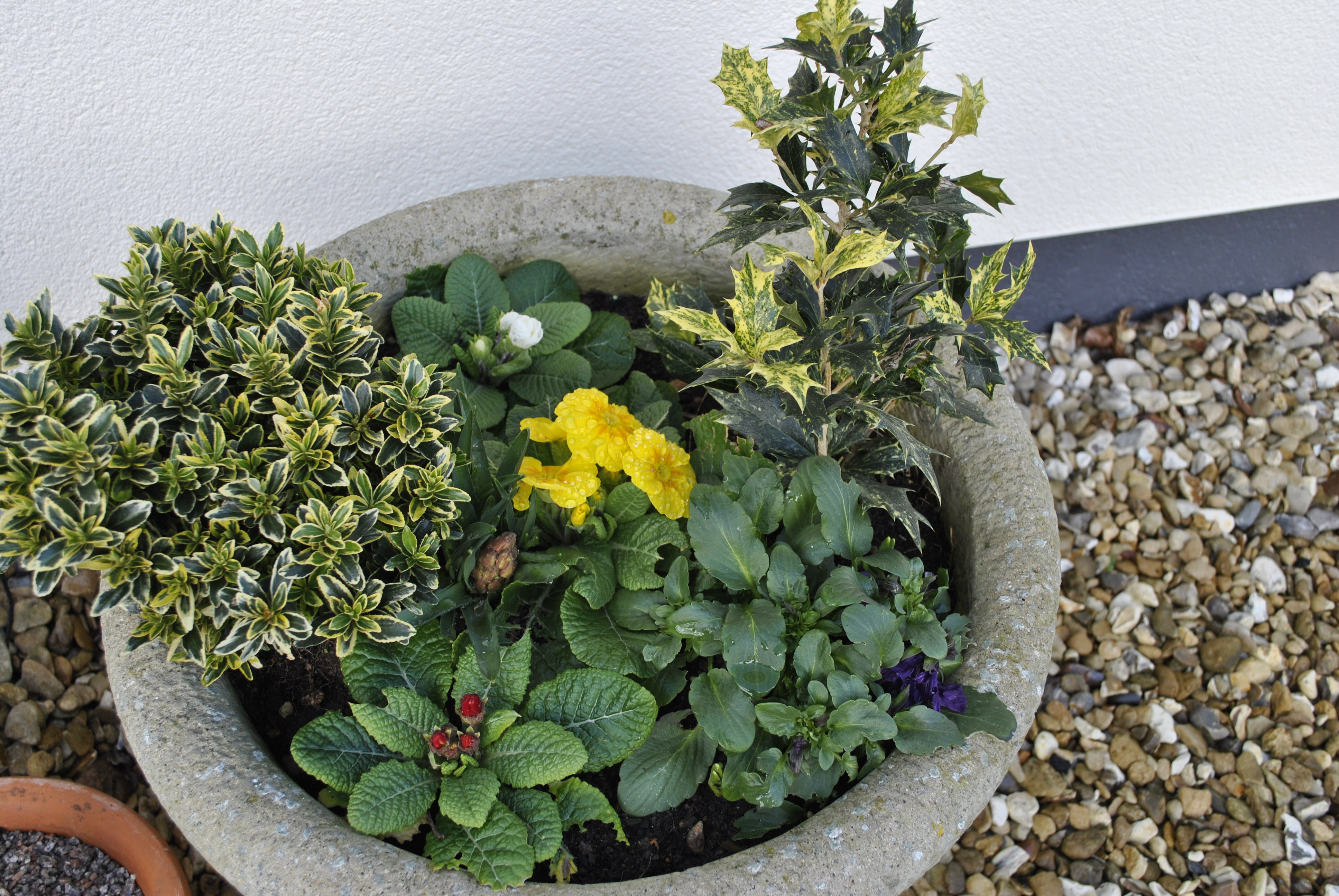
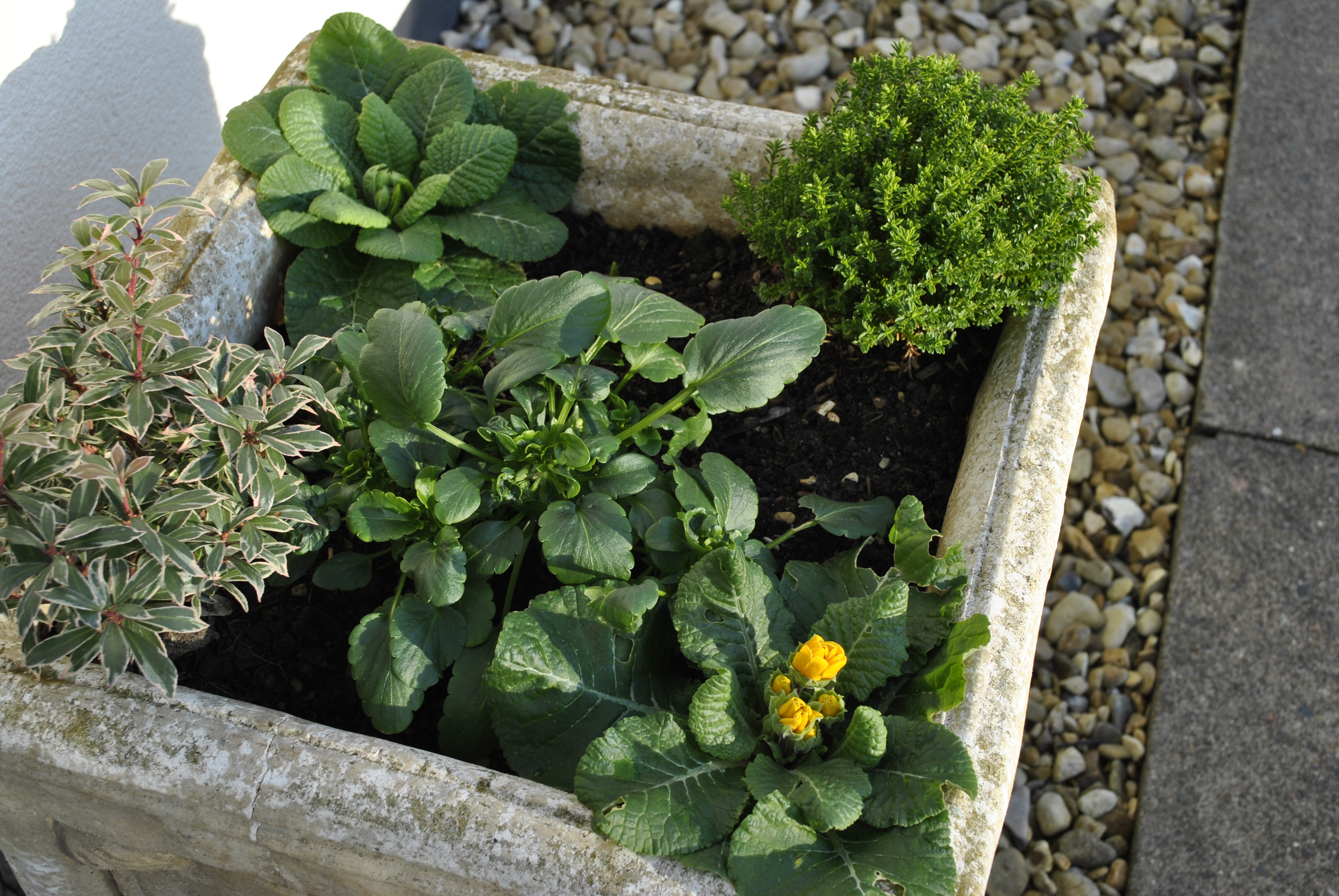
My winter pots are finally beginning to show some colour instead of a palette of green. The bulbs are coming up through the pansies and polyanthus so it should be a good show in a few weeks time.

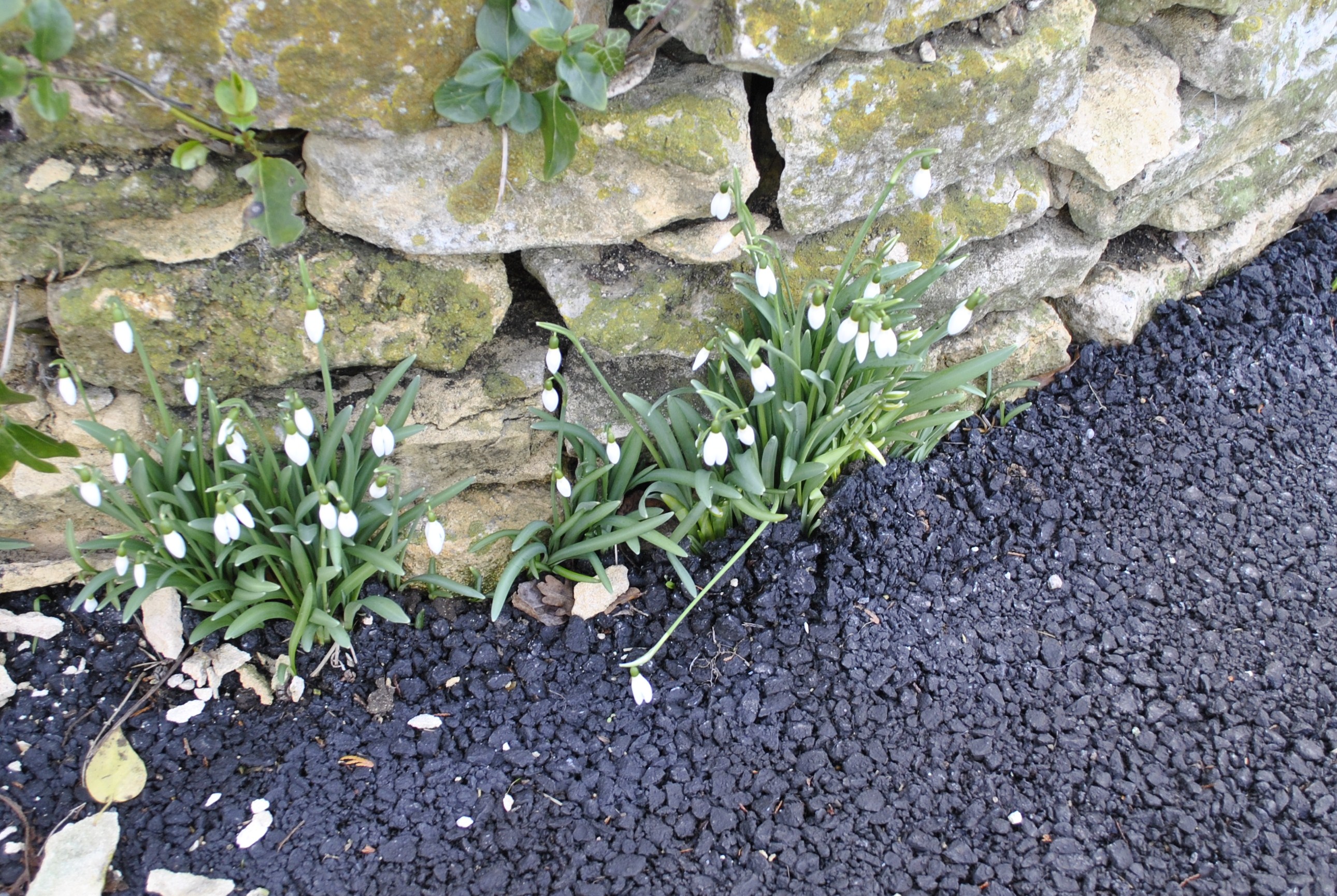
Snowdrops are tough customers. This is my neighbour’s drive which was resurfaced last year. A bit of tarmac won’t stop them!

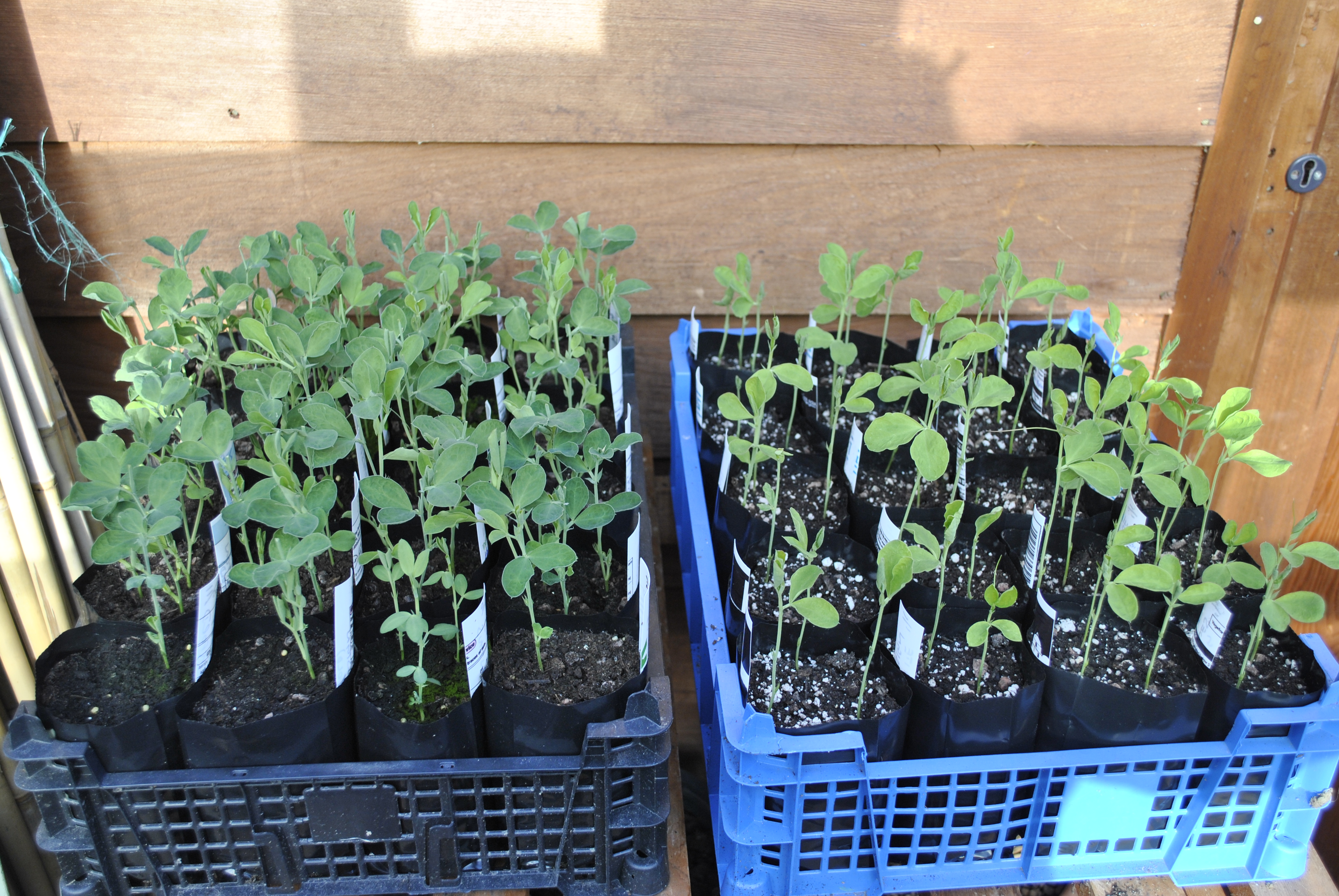
Sweet Peas pinched out and waiting for warmer weather and longer days. Not all for me though! I now find myself growing them for friends and family. “Well, you’ve got a greenhouse” they say!

I have spent a happy 20 minutes watching Robins and Blue Tits gathering nesting material and going back and forth to my boxes. Far to early for my liking! Seems like everything is a month early this year.

Have a great weekend

David
Six on Saturday

Should be a picture of pristine Cyclamen coum, but no. Once again, Freddie the Fox has ruined it. Every morning I am presented with his calling card, often on the path, sometimes on top of a pot, but mostly on a plant. Today, he excelled himself.

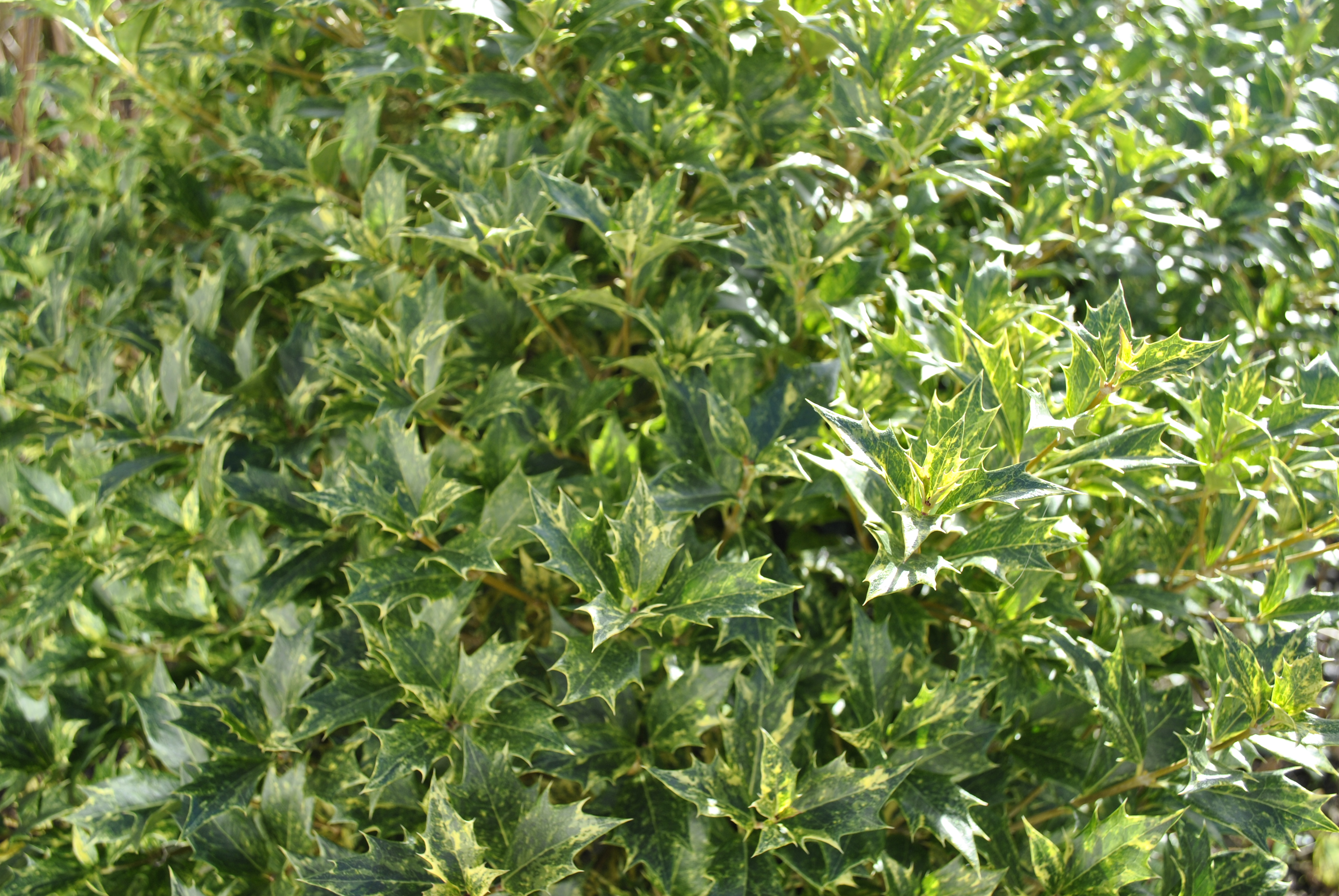
However, pristine Osmanthus in the early morning sun cheered me up and gives me an idea. If all my plants were spiky like Osmanthus, Freddie might find things a tad uncomfortable.

Hardwood rose cuttings from November 2020, grew well and even flowered last year, just cut back and potted up separately to give away to friends and fellow gardeners in return for some of their lovelies. Incredible root systems after just 12 months growth, needed 2 litre pots to accommodate them.

In my continuing war against the local cat population who seem to think it amusing to lie in wait for the finches on the birdfeeders, this new ultrasonic device is recommended by the RSPB and is mains powered to ensure even the deafest cat will hear it!

Bright and breezy day ahead according to the Himalayan birches. Storm Malik approaches but we will just get the tail end of the winds.

A sign of better things to come. Hemerocallis ‘Dad’s Best White’ emerging from the cold clay soil and getting ready to put on his fantastic display. But later, much later.

Have a great weekend

David
Six on Saturday

This David Austin rose ‘The Generous Gardener’ obviously didn’t get the memo! Freezing cold but still throwing out its beautiful baby pink flowers in January!

Another photo of Clematis cirrhosa ‘Freckles’ on the arch but from a few steps back to capture the gorgeous blue sky which is framing it today. It seems to revel in the frosty weather and has literally hundreds of blooms up, down and across the arch.

The sweet peas I sowed in December have gone a bit leggy! I forgot to sow them in October like I usually do so I can’t blame them. Must be the low light levels that causes it. However, as soon as the second set of leaves are open I will pinch them out which will prompt them to send up side shoots and bush out a bit.

The Vinca never seems to stop flowering and last year’s wallflowers are still going strong too. the first Anemone blanda scouts are just poking their heads up to check the weather and decide if it’s their time to shine yet.

I am disappointed with the polyanthus and winter pansies planted back in November and which should have been flowering by now. Not sure why they are just sitting there sulking. Perhaps they are about to burst forth. Nature works in mysterious ways!

The first snowdrops are just showing. I did a big lift and divide of all my clumps last year so I don’t expect the show to be quite as good this year. They seem to need a year or two to settle into their new surroundings and clump up a bit.

Well, that’s my Six.

Have a great weekend and stay warm.

David

Six on Saturday

Clematis Cirrhosa ‘Freckles’ resplendent on the arch today, as reliable as my old Grandmother’s clock. Gets virtually no attention all year, never watered or fed, often clothed in perennial sweet peas (Lathyrus latifolia) and a climbing rose in summer but shrugs them off to prepare for her wonderful display in December and January each year. One of the best.

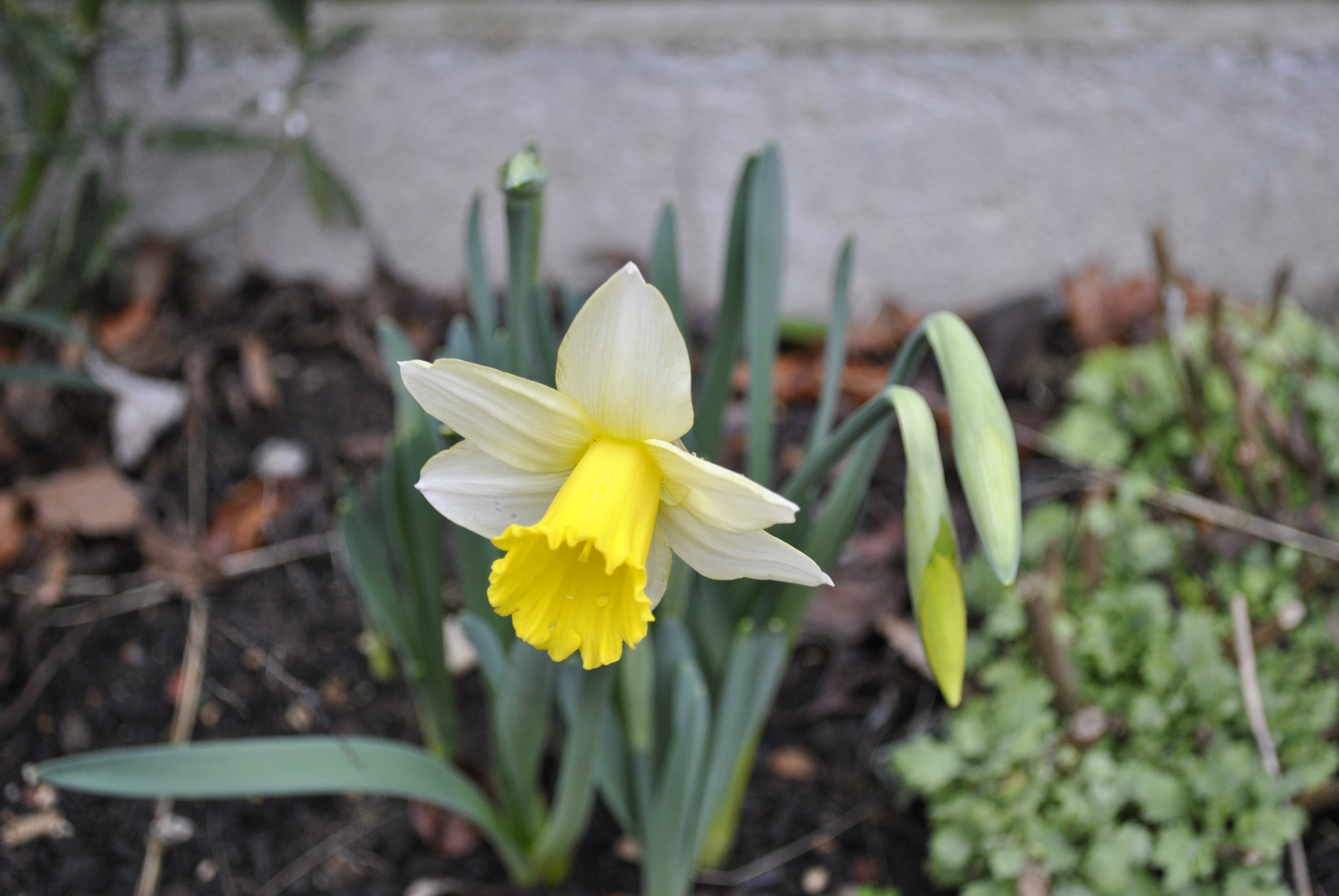
Narcissus ‘Spring Dawn’, one of the earliest daffodils, was in flower on New Year’s Day and is utterly reliable to cheer you up even on the darkest days of winter. It is a harbinger of Spring and better days to come.

A rather bedraggled Erysimum ‘Parrish’s’ which persists even in the depths of winter as if on a mission. It’s flowers seem darker at this time of year, the brick red and pink not appearing frequently until early summer. This variety is one which can be cut back hard in Spring and will sprout new shoots from the old wood, unlike ‘Bowles Mauve’ and others in the same family. This cultivar along with it’s cousin, ‘Apricot Twist’, are probably the two best perennial wallflowers in my garden for longevity and flower power. Easy to propagate from cuttings too.

Not my picture, but a borrowed image of Tradescantia ohiensis ‘Mrs Loewer’, a member of the Andersoniana Group of Tradescantias but distinctly different foliage to most others. Just acquired from Beth Chatto nursery in Essex who is probably the only supplier of this particular hybrid in the UK. Looking forward to becoming the other supplier soon!

H85

My trail camera discovered who has been leaving me a little ‘present’ on the path every morning recently. We are fortunate to have a lot of wildlife literally on the doorstep where we live and we often see and hear foxes, deer, owls and bats as well as the occasional badger but I do wish they would leave their toilet habits away from my precious plants!

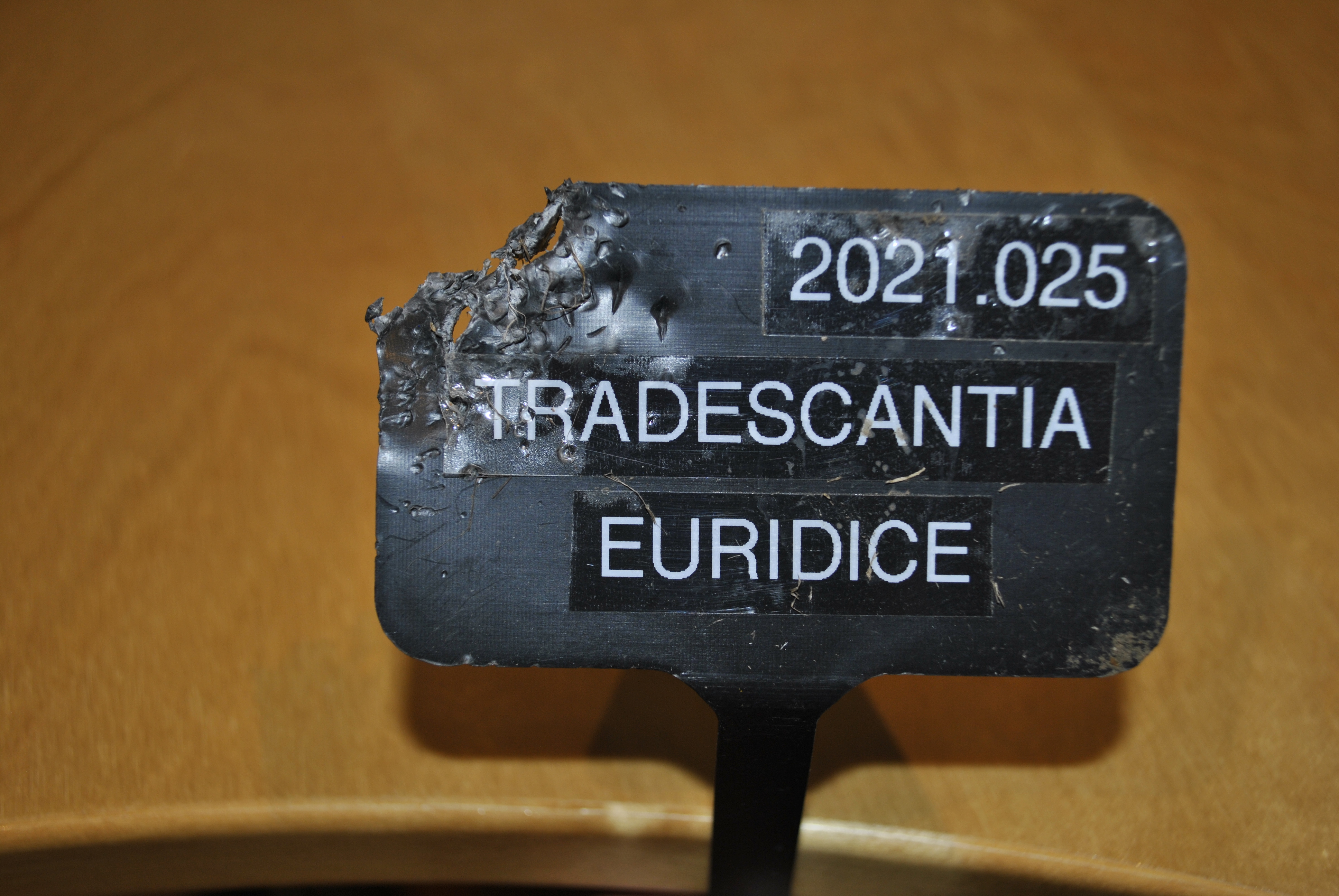
And, while we are on the subject of wildlife, what on earth chews and eats plastic plant labels?! My money is on a rat because I know from bitter experience that their smaller cousins love plastic bottle tops and wiring!

Have a great weekend

David

Six on Saturday

Autumn has arrived in style and the Liquidamber styraciflua ‘Worplesdon’ is putting on her beautiful display. I always marvel at the way shorter days trigger dormancy and leaves stop making chlorophyll causing them to change colour and fall off the tree.

Helianthus ‘Lemon Queen’ has been rather shorter in stature this year, only 150cm tall, probably due to the dry summer we have had and the adjacent hedges and trees sucking up the available moisture. They don’t need much water but if dry, they don’t wilt like other plants, they just don’t seem to grow as tall.

The Alstroemeria ‘Indian Summer’ have been extraordinarily good this year and we have taken armfuls of flowers into the house and given bouquets to friends and family, but still they go on! Twisting and pulling rather than cutting does seem to stimulate more and more flowering shoots as the advice suggests. It’s a bit like pulling rhubarb!

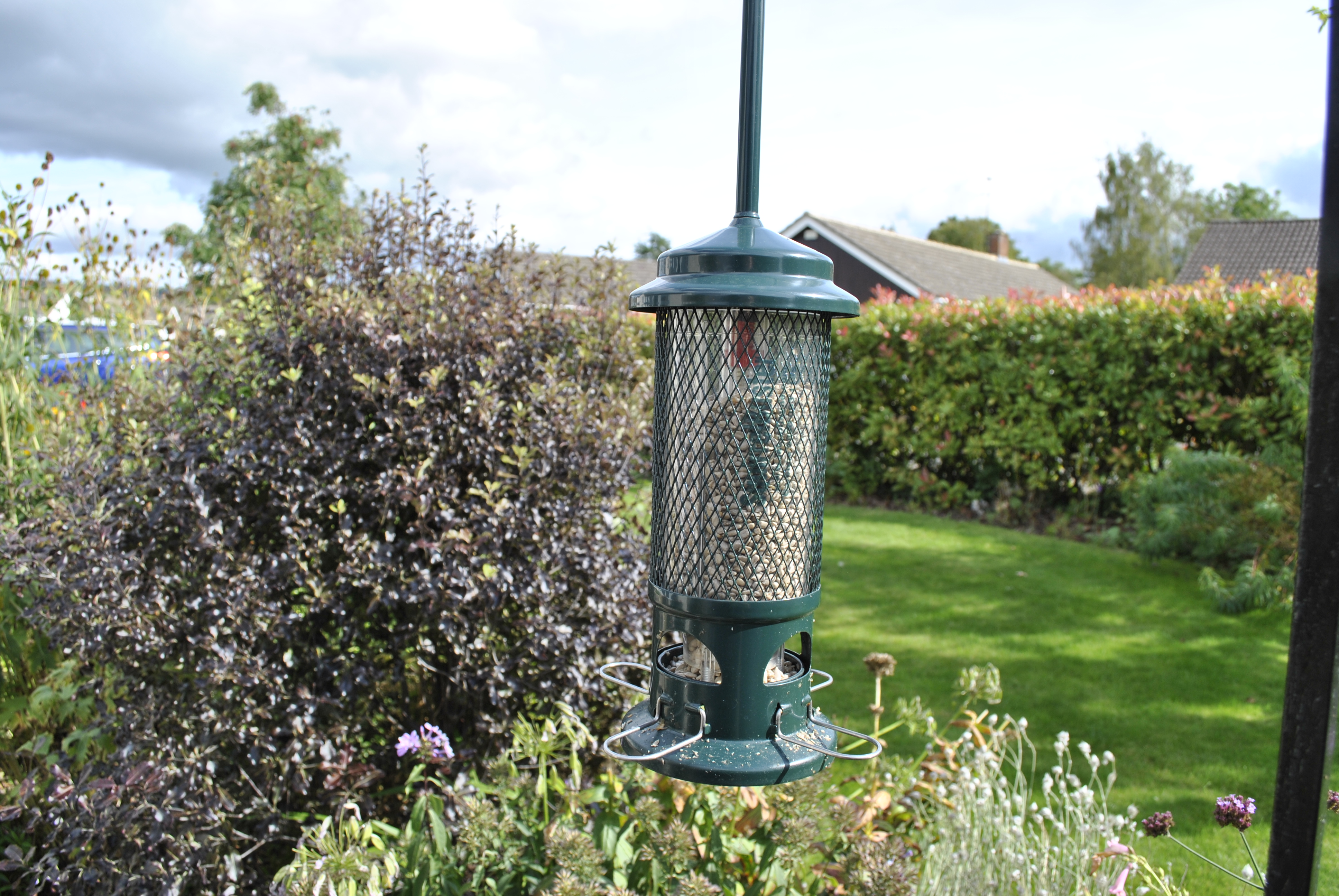
We have a squirrel problem. They are always on the bird feeders and are costing me a small fortune in sunflower hearts which, incidentally, have increased in cost by 50% since Brexit! However, the new ‘Squirrel Buster’ feeder really works and the squirrels have given up and gone somewhere else for their daily fill. I would highly recommend it, very well made, sturdy and weatherproof. £30 well invested!

The very last Phlox flowers nestled amongst the agapanthus foliage. It has been a wonderful year for garden phlox and they have given me a lot of pleasure, although I am gradually reducing them or banishing them to less front and facing positions. I love the flowers but hate the foliage and their weedy appearance. Too old fashioned and a tendency to get mildew unless constantly moist makes them a bit-part player nowadays.

In just three years this Sambucus nigra ‘Black Lace’ has gone from a self sown seedling in a 9cm pot to a 3m tall giant! What a performer. It must be its common hedge cousin genes which makes it so prolific. I stupidly planted it close to the driveway so it’s going to need hacking back in the early spring. Knowledgeable gardening friends tell me that ‘coppicing’ produces better foliage but less flowers so maybe a more selective approach is in order!

That’s my six. I look forward to seeing yours.

Have a great weekend

David
Six on Saturday

So excited! My immature Fox Grape, Vitis labrusca ‘Isabella’ has produced one bunch of beautiful sweet fruits which will be picked and eaten in a few days. Now I have to find somewhere in the garden to put it. It has survived in a large pot for three years, but now it is bearing fruit I will have to find it a permanent place against a sunny wall to train it as the growth next year will be substantial and it will be starved of water and nutrient in a pot.

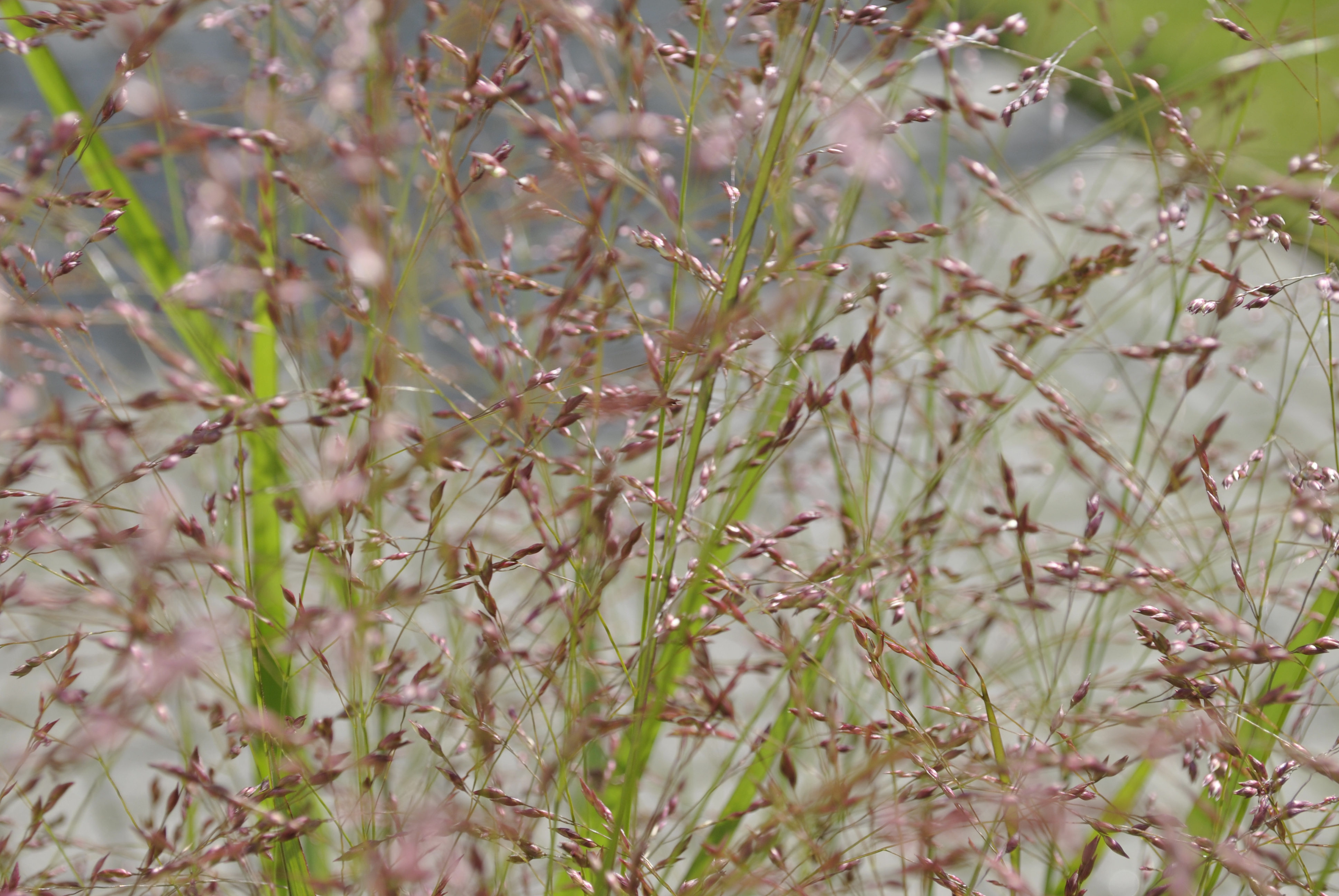
Grasses are difficult to photograph! This beautiful Panicum virgatum ‘Purple Tears’ is a case in point. Chest high and wide, it is at its peak now with wonderful photogenic seed heads that sway in the slightest breeze but on which the camera struggles to focus! Still, you get the point!

I have stopped growing Symphyotrichum as I found them weedy and needing support, often attracting mildew and generally unattractive. This one, however, is dainty and low growing Aster ageratoides ‘Stardust’ which is a healthy, well behaved, self supporting species aster which slowly spreads to form an attractive colony of pretty white daisies in September and October. It is loved by pollinators and provides plentiful nectar just at a time when most summer flowers are going over. Very easy to propagate by division or semi-rooted cuttings, totally hardy and as one knowledgeable nurserywoman pointed out to me, hides its dead flowers with new ones!

Still going strong and showing no signs of slowing down, Diascia personata continues to provide colour in various spots in the garden. This was a leftover cutting from last year and has been in flower since May in a pot. In the ground they can get quite tall and need supporting to stop them flopping and swamping adjacent plants, but they do less damage in a pot!

Another difficult subject to photograph is this Solidago rugosa ‘Fireworks’ which, as the name implies, shoots off its flowers in all directions in a wonderful display which goes on for weeks and weeks. Another easy late summer/early autumn border filler which goes particularly well with purple Symphyotrichum at this time of year.

Still a few cornflowers about. Was there ever a more true blue flower?

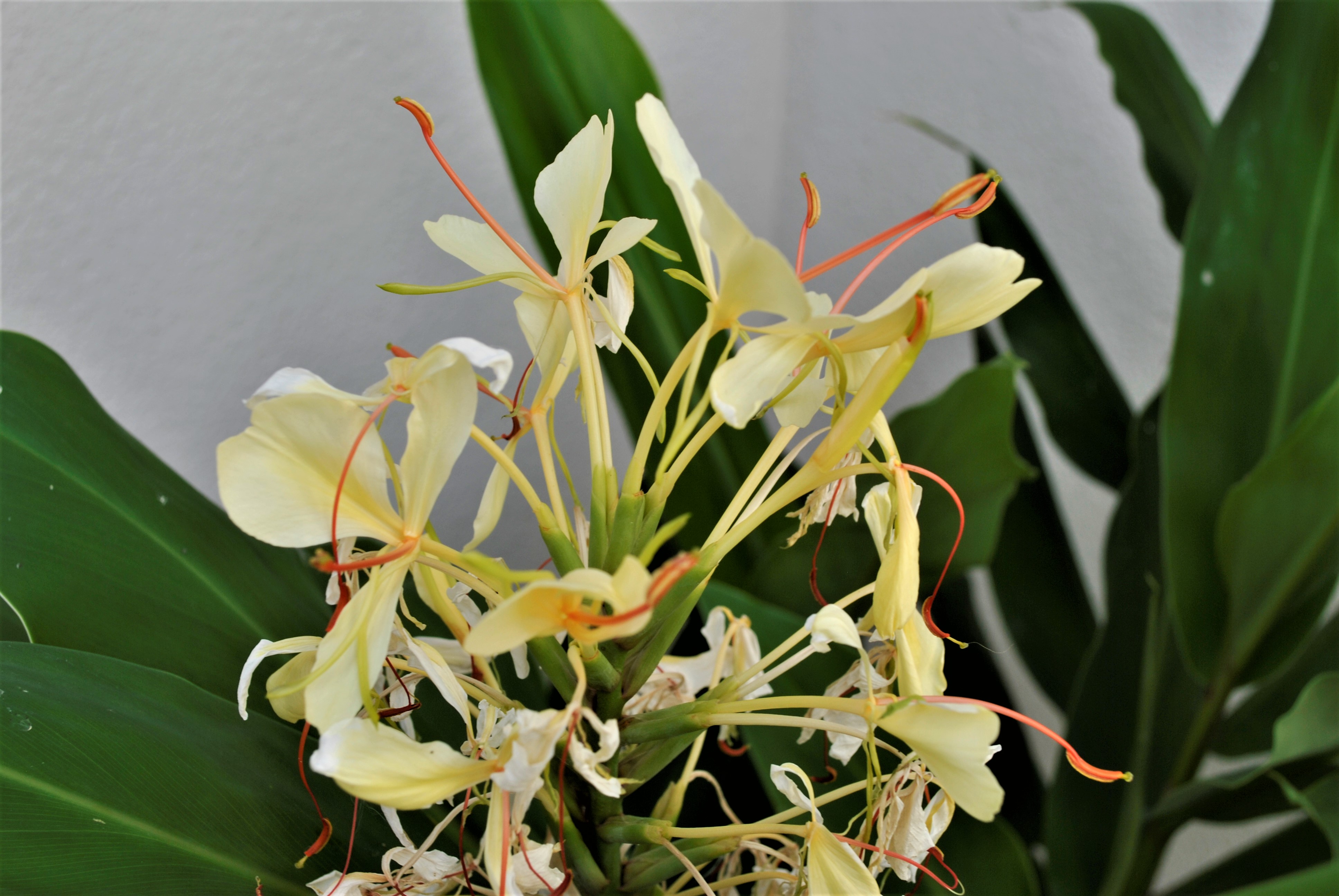
My first time growing some ginger lilies, this one is Hedychium flavescens with its spidery, heavily sweet scented blooms and spear-like dark green leaves which bring a tropical look to the late summer border. Surprisingly easy to grow from their fleshy rhizomes and undemanding in pots, they would do well in a conservatory but are hardy enough to be grown outdoors with a little winter protection.

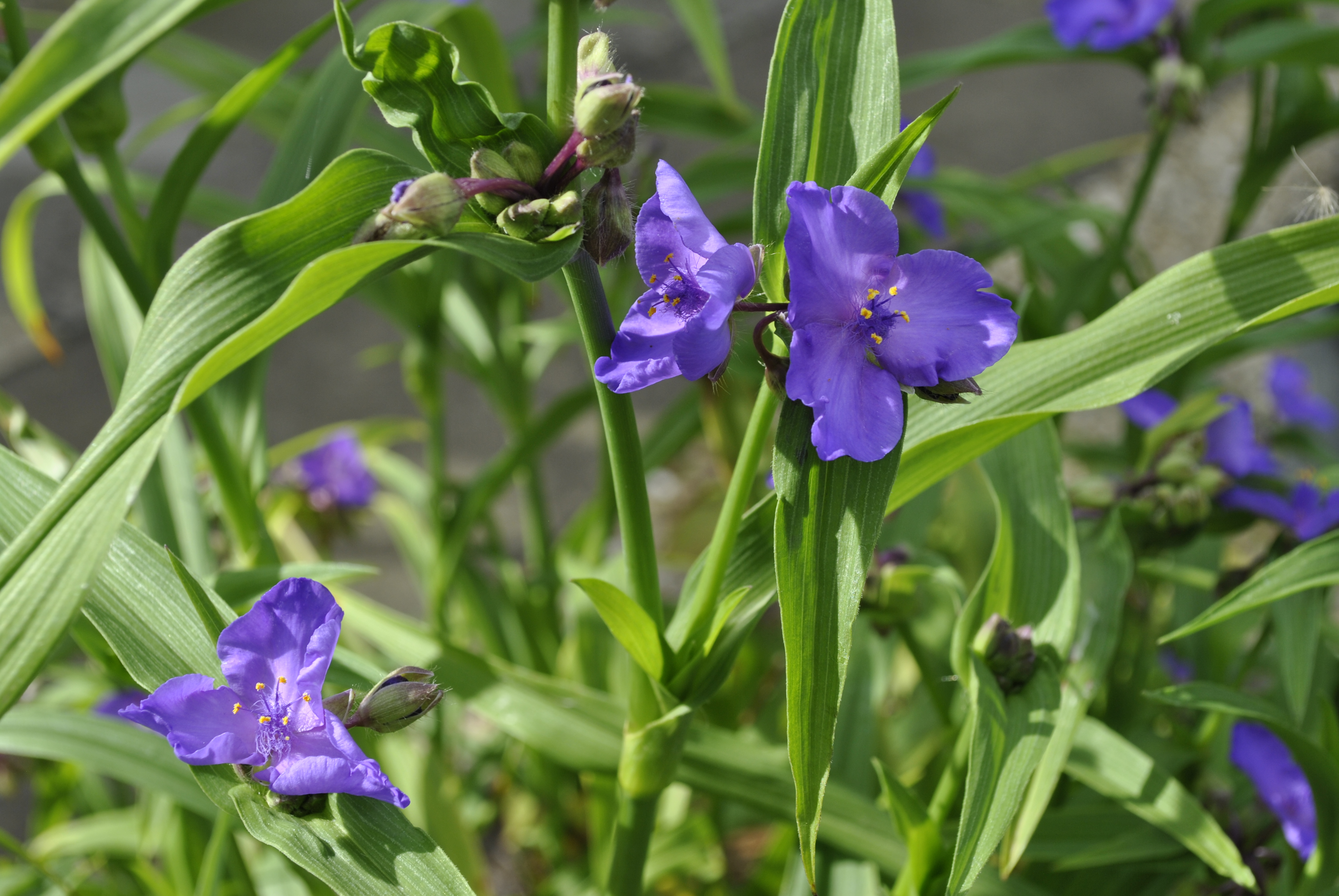
The last few flowers on my Tradescantias before they are cut back this weekend. It has been a great first year for my new hobby which received National Collection status from Plant Heritage earlier this month. I have currently amassed over 40 species and cultivars of T. virginiana and T. Andersoniana Group which is roughly three quarters of those available in the UK but I am keen to find a way of bringing others in from the USA if and when phytosanitary rules allow.

Have a great weekend

David
Six on Saturday

One of the beautiful Tradescantias from my ever increasing collection which, fingers crossed, will become accredited as a National Plant Collection by the Plant Heritage Conservation Committee on Monday 6th September. Currently 39 hybrids and cultivars, two species and 7 identified and awaiting collection from Nurseries around the country.

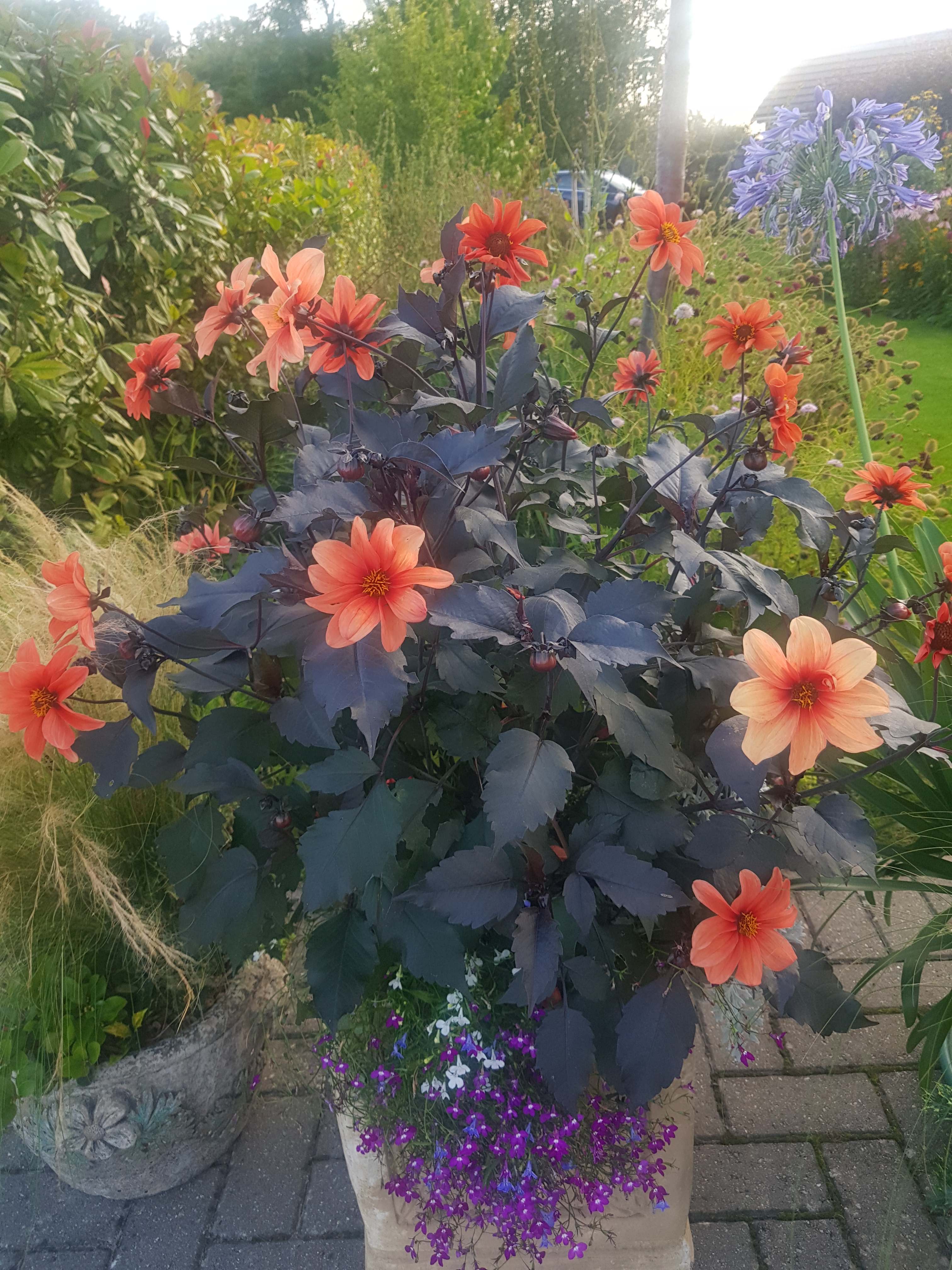
This Bishop’s Children dahlia, grown from seed this year, has been getting quite a lot of attention on social media, due mainly to the colour combination I think. The peachy apricot flowers go really well against the dark foliage. Unfortunately, the blackfly have been a real problem this year and even if squished or washed off, they seem to keep coming back for more! I don’t spray with chemicals in case I also kill off natural predators like Ladybirds, lacewing larvae and blue tits.

So, here we are at the end of August and still no flowers on the Cannas! They are trying really hard but they need warmth and sunshine. Hopefully they will get both this coming week as the weather forecast is for a return of summer for a few weeks.

It’s not glamourous or even particularly attractive, but the spikey leaved Echinops ritro is a real survivor and is one of the best bee plants you can have in any garden. It thrives in poor thin alkaline soils in full sun which is why it loves my dry stony border. It is almost impossible to eradicate and spreads by underground runners which is why it is so easy to propagate from root cuttings.

Rudbeckia fulgida ‘Goldsturm’, the most common form of perennial rudbeckia showing why she is so popular in gardens at the moment. Bone hardy, totally reliable and yellow with a black eye, hence the common name Black Eyed Susan. Mixed with purple monarda and orange heleniums, it revels in a sunny border unfussed by soil type and moisture. Almost the perfect border plant..

I have a bit of a love hate relationship with Scabious because it is beautiful and a useful bee plant but is becoming invasive due to it’s annoying habit of self seeding everywhere. This Scabiosa atropurpurea ‘Derry’s Black’ is now officially a weed in my garden and needs a firm hand otherwise it swamps it’s neighbours. It gradually finds its way into all parts of the garden and must be removed swiftly and without compassion, something I am not good at.

Well there we are, six things on a rainy Saturday in August!

Have a great weekend

David
Six on Saturday

A bit late again this week, too busy enjoying myself! This Dahlia, a ‘Bishop’s Children’ variety grown from seed this year, is an absolute stunner and is the texture of rich red velvet. Needless to say, the bees adore it.

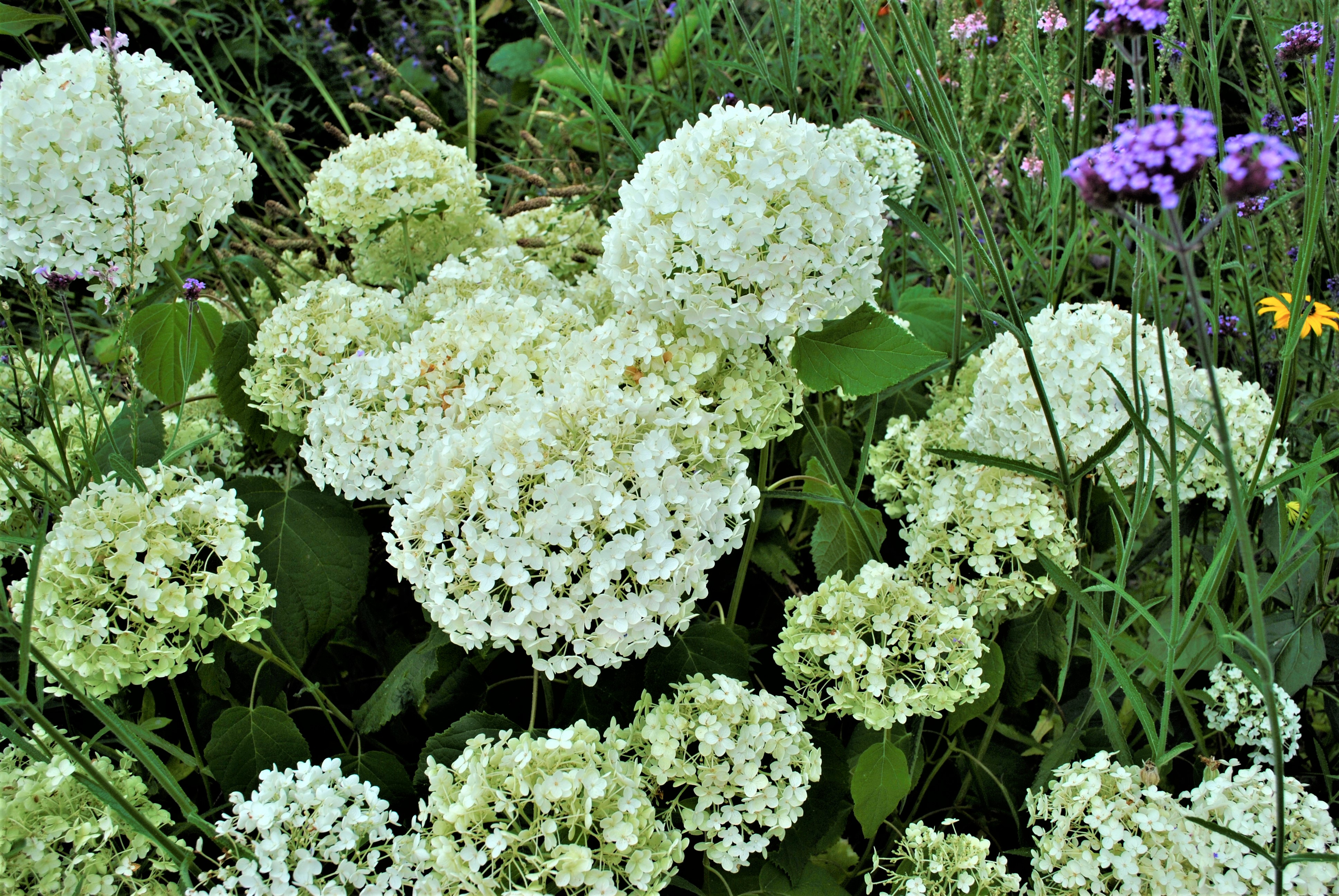
Hydrangea arborescens ‘Annabelle’ is struggling again and has barely reached three feet tall this year. I think she needs moving to moister and shadier climes in another part of the garden so I think a bit of division and rejuvenation is required come October. She is also a bit crowded out by the Verbena which I thought would be a good companion but may be robbing the water supply!

This is my latest Tradescantia acquisition, ‘Erudice’, part of the Andersoniana Group of hybrids and destined to become a favourite I think. I love the frilled white edged petals and the different blues of the petals and stamen hairs. Or am I just a geek?! Erudice was the wife of Orpheus and the flower is just as beautiful.

.This Verbena hastata f. rosea is a very persistent perennial which is easy from seed or just pot up the self seeded ones of which there are hundreds! Adored by bees and the occasional butterfly, it is self supporting, has a long flowering period and goes with almost everything except orange! I strongly recommend it as a ‘perfect for pollinators’ plant in any sunny garden and well drained soil.

Rose ‘Amber Queen’, simply gorgeous and richly scented, this is her second flush and lots more to come.

Something a little bit unusual but, in reality, just another north American daisy, Silphium perfoliatum is an extremely tall hardy perennial which towers over everything except trees! It has very odd thick, square stems and cup shaped leaves which trap water and dribble it down the stem to the roots. Completely disappears in winter and comes back bigger and better every year, A good addition to the back of an herbaceous border, provided you like yellow daisies, which I do!

And finally, my little Myrtle which was badly frosted in May has rewarded my judicious pruning with a show of late summer flowers which are much appreciated by the bees and me!

Sorry I was late. Will do better next week!

David