Six on Saturday

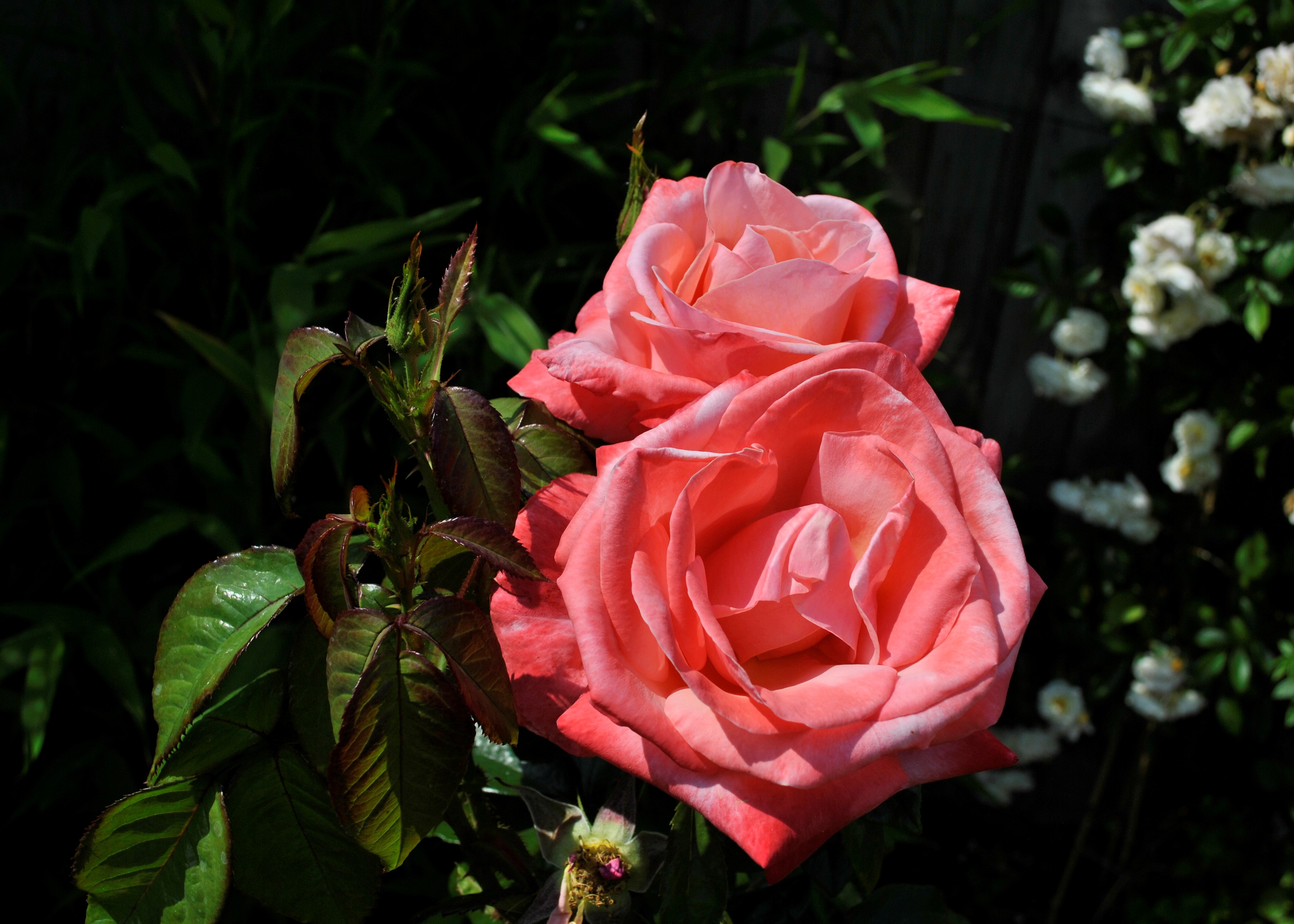
“A rose by any other name would smell as sweet” even if it is supposed to be apricot and turns out to be pink! This was supposed to be ‘Eden’s Apricot Blaise’ but no matter, it is still beautiful.
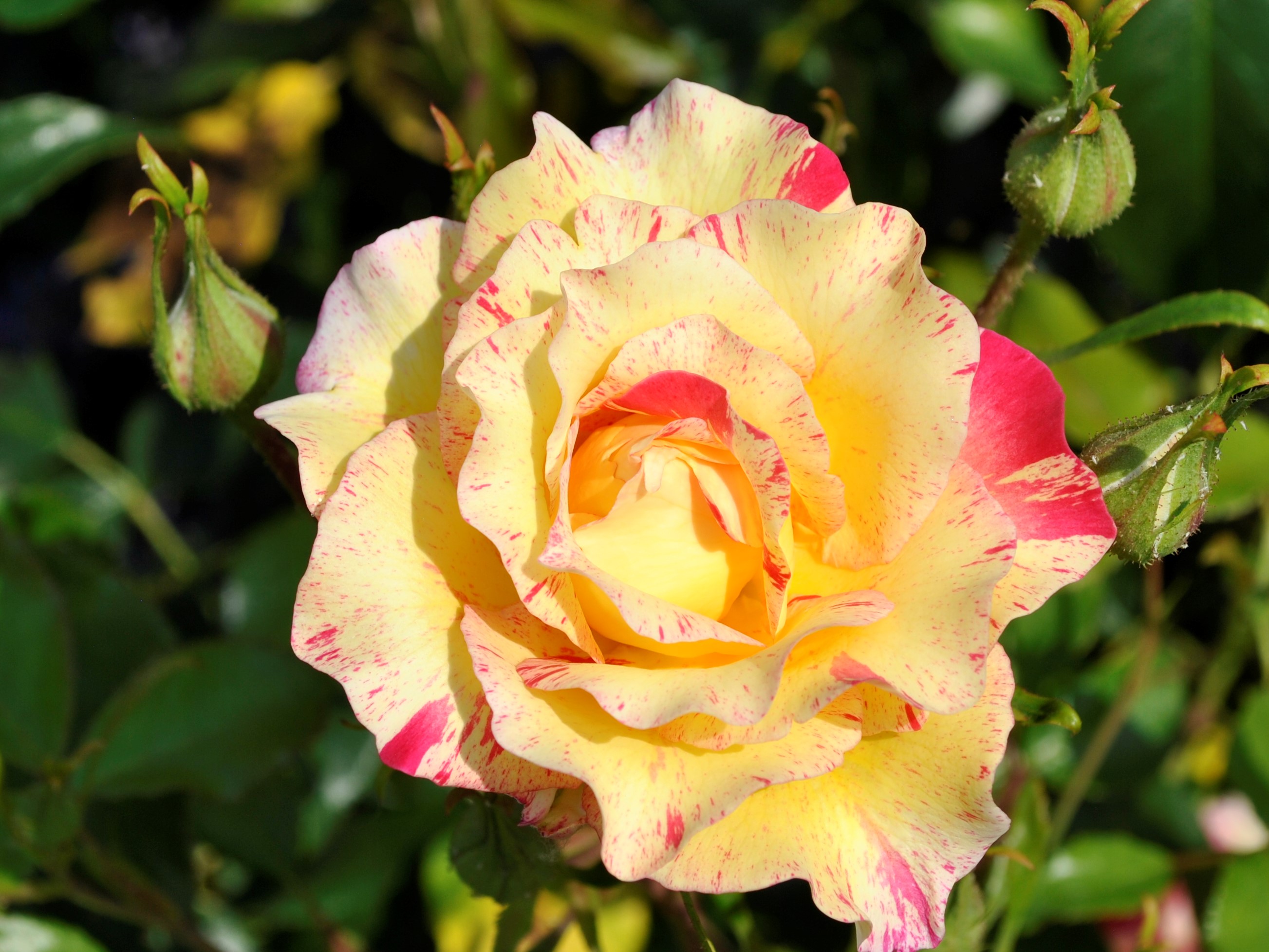
‘Camille Pissarro’ however, does exactly what it says on the tin. Named in honour of the French impressionist painter, it reminds me of raspberry ripple ice cream!
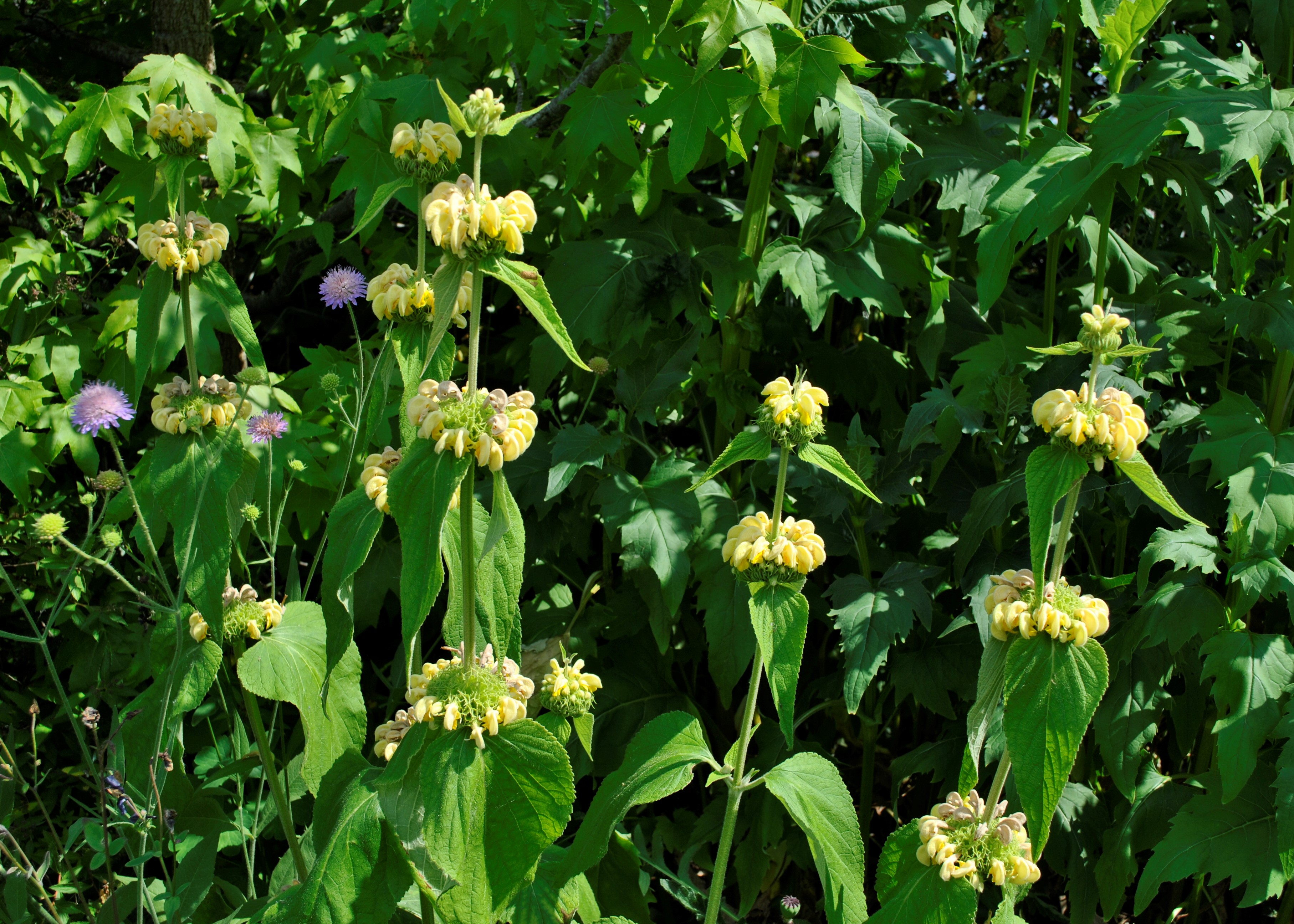
Phlomis russeliana wanders throughout my garden, popping up here and there in places where it feels comfortable. It always seems to grow better that way so I generally leave it alone. A valuable plant for dry parts of the garden where other things might struggle. It does produce a lot of seed though!
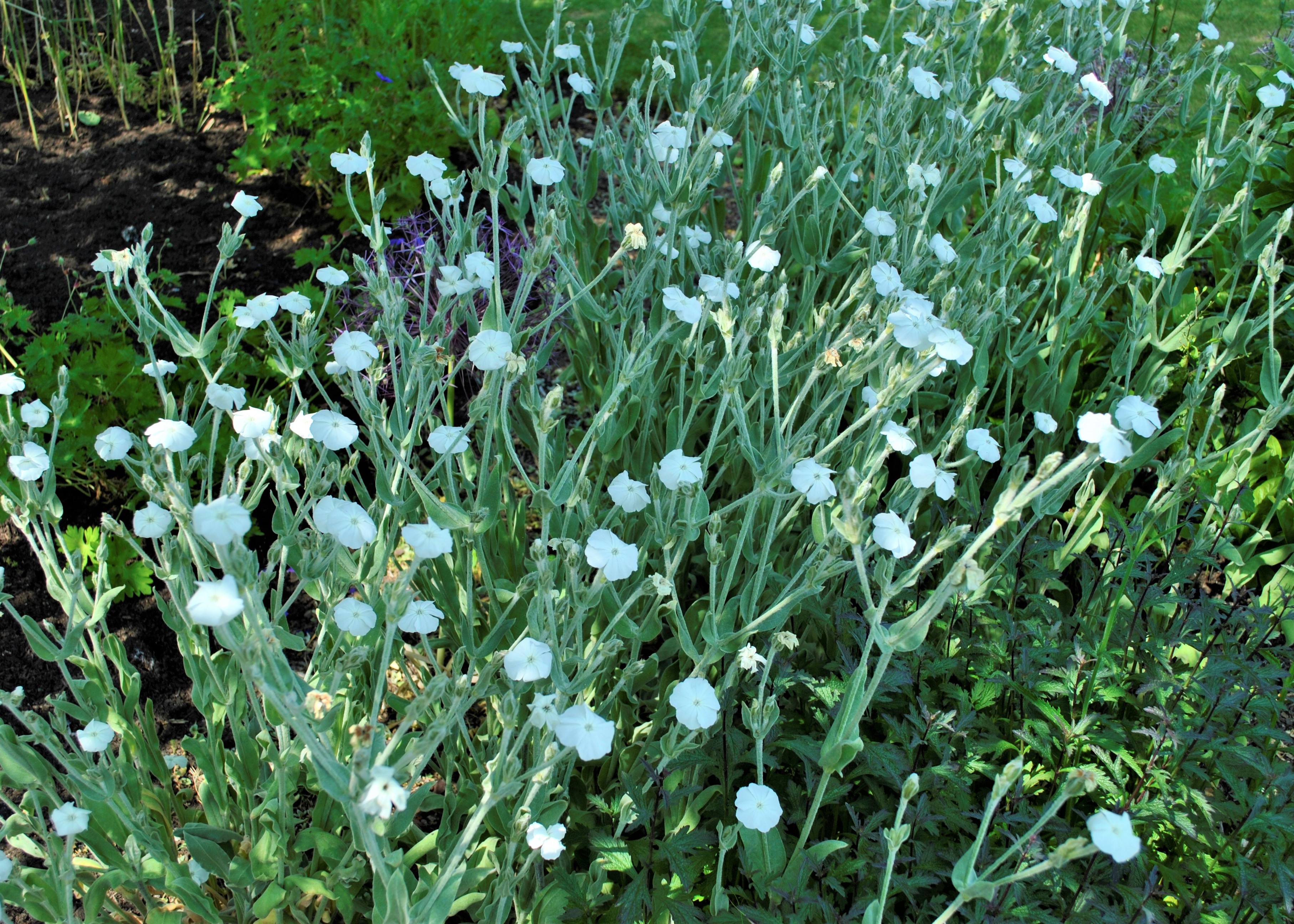
The same is true of my little forest of Lychnis coronaria ‘Alba’ which discovers where it wants to grow and tries to completely colonise the area with hundreds of seedlings. I have lost count of how many plants I have dug out and given away, or composted! Much more refined than the garish cerise Lychnis usually seen and much admired by garden visitors. A pig to deadhead though!
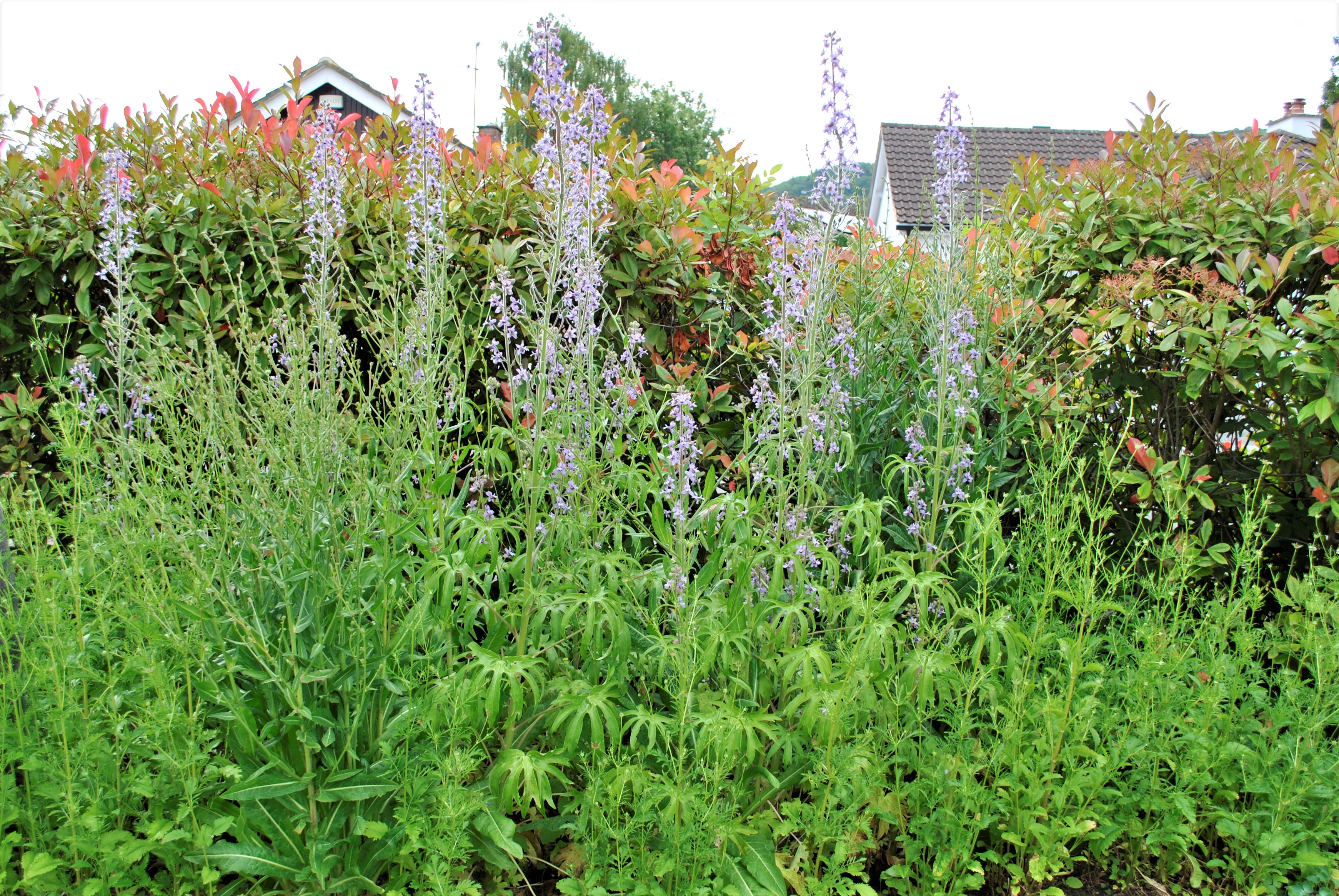
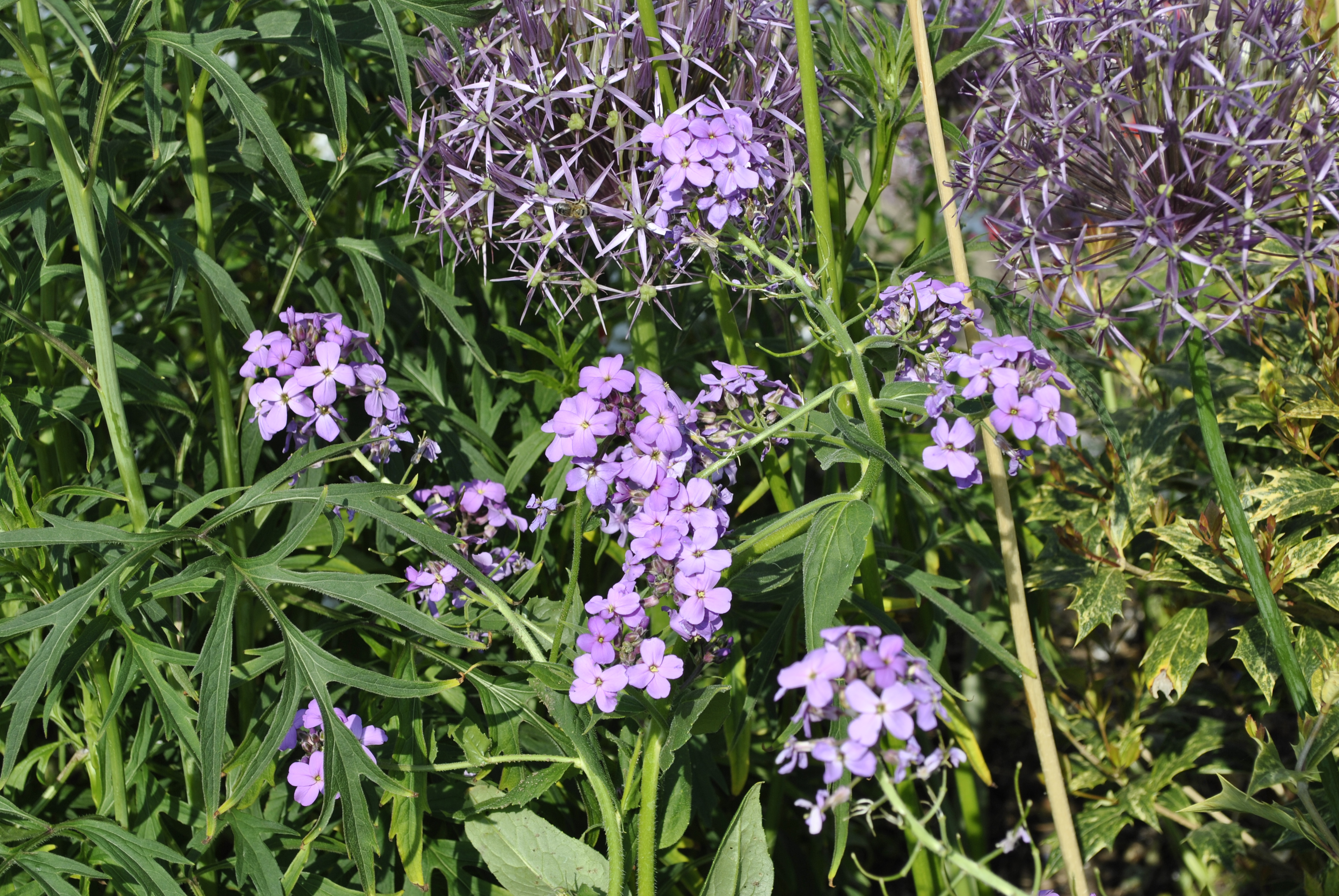
This is tricky to photograph due to the background but looks better if you click on the photo to enlarge it. Full marks to anyone who spotted the tall colourful flower spikes of Delphinium requienii, or Requin’s Larkspur. A species in the Ranunculaceae family which doesn’t get attacked by slugs and snails like ordinary Delphiniums do. Given to me by a friend two years ago, it now self seeds profusely in this little patch and mingles with chicory and scabious to produce a colourful border of blues and purples.
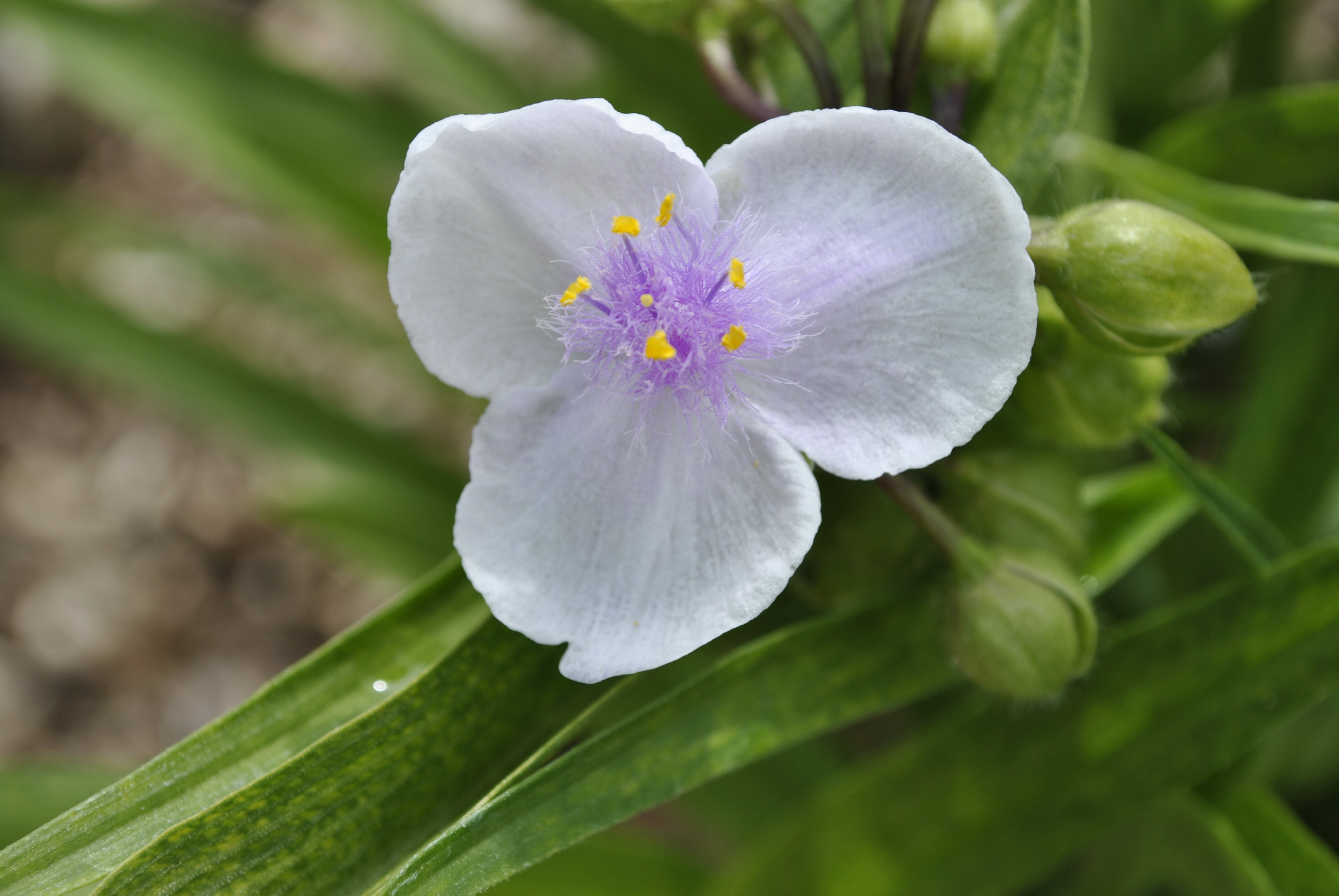
The latest addition to my National Collection of Tradescantias is ‘Temptation’, and I just couldn’t resist! Hints of pink in the three petals, dark pink filaments surrounding six stamens topped with bright yellow pollen anthers, rare and beautiful.

Have a great weekend

David

Six on Saturday

The exquisite beauty and scent of Sweet Pea ‘Betty Maiden’ is overpowering as I walk down the path. She is certainly one of the strongest fragrances in my little collection of Sweet Peas and one I will always cherish.

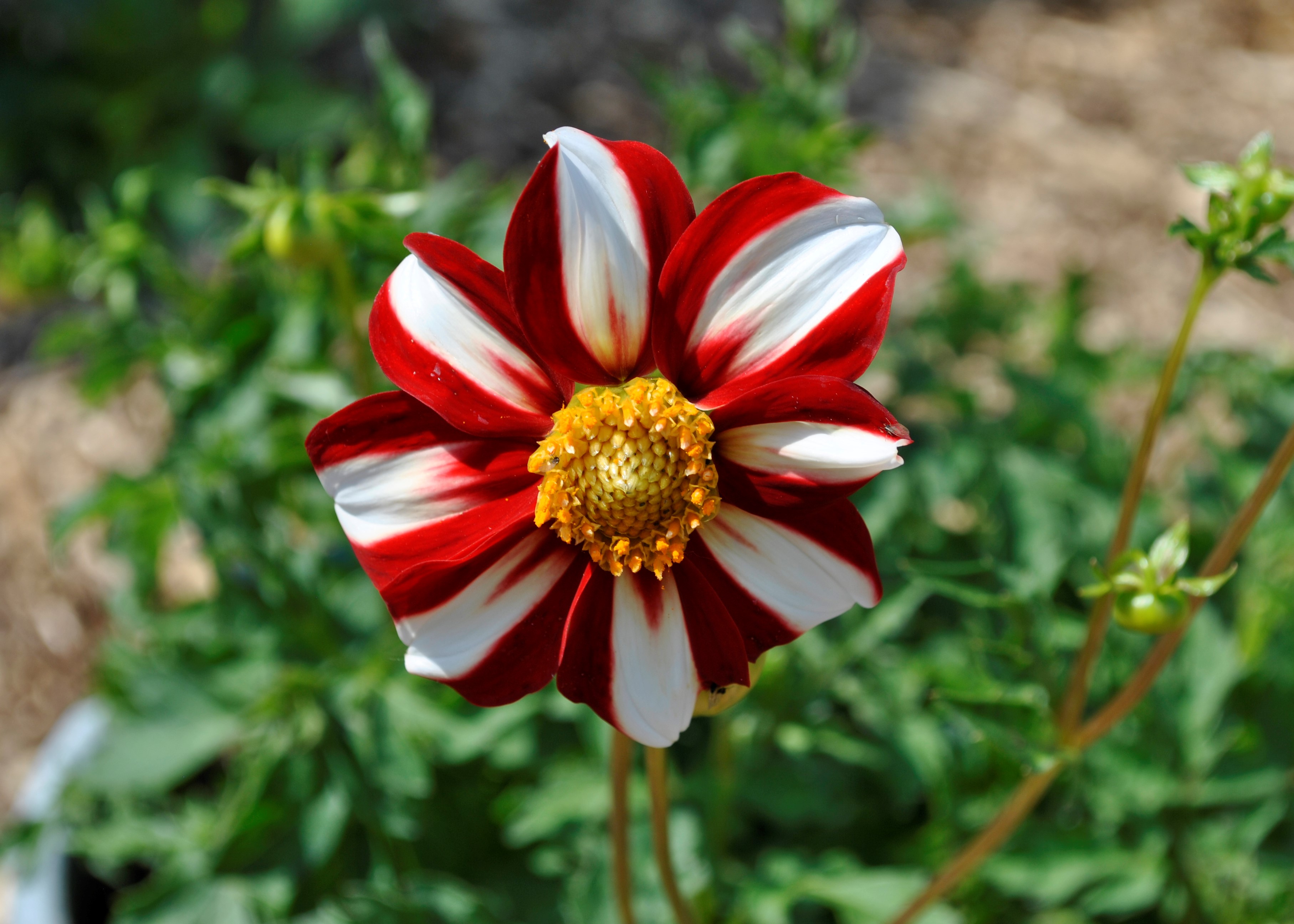
The first Dahlias are in flower already including this ‘Union Jack’, also known as ‘Star of Denmark’, which I am lucky to be looking after and propagating for Plant Heritage. It is a rather sickly looking plant with spindly stems which flop under the weight of the rather garish flowers but it flowers profusely until the first frosts.

It is proving to be a very good year for roses with very strong flowering and lots of healthy foliage and few greenfly. This ‘Let’s Celebrate’ is a good example of the sheer quantity and quality of blooms. Much admired at my Tradescantia Collection Open Day on Thursday along with several others equally as good.

Just exquisite! Rosa ‘Isn’t She Lovely’. Yes she is! Perfection.

The Alstroemerias are beginning to flower with ‘Indian Summer’ the first. They took a while to get over the tough winter and fight their way through the 10cm of mulch I piled on top of them in November. I will start pulling them for the vase this weekend to keep them flowering. If you don’t already know, they are twisted and pulled like Rhubarb, never cut. The pulling stimulates more flower buds to form.

I do think these Nectaroscordum siculum are clever! When the drooping bells are pollinated by bees, they turn themselves upwards and close up like little pixie hats!

Couldn’t resist one more, the rock rose, Helianthemum ‘Wisley Primrose’, a sprawling sun lover for the dry garden which has incredible flower power for such a small plant. Not fussy about soil or moisture levels or nutrients but must be able to sunbathe all day!

Have a great weekend.

David

Six on Saturday

It’s Roses time!

I could easily fill this week’s blog with roses of all sizes shapes and colours but I will try to resist. Just a couple then! ‘Ghislaine de Feligonde’ is a short rambler which mingles on the trellis with Wisteria. Clusters of flowers open from deep apricot to almost white and are fully double. Not as thorny as some ramblers and easily contained. A good choice for a small garden I think.

The greeny, creamy Foxgloves mentioned last week turned out to be white! However, by a stroke of luck they are almost exactly the same colour as Rosa ‘The Pilgrim’ on the trellis behind.

The kind lady who follows my blog and offered to swap some of her violet Hesperis matronalis for some of my white ones arrived yesterday with a bucket of beauties! Thank you Gay, they are now planted and look amazing.

I collected over 800 self-sown Tradescantia seedlings from the Collection beds this year and, after many hours in the greenhouse and several bags of compost, they are all potted up. However, they grow very fast and in a few weeks they will all need potting on! Many of them will flower this year giving me the opportunity to select the best as potential new named hybrids.

The Sweet Peas are in full flower now and need picking every other day to keep them going. I love the old varieties like this ‘Painted Lady’, but the grandiflora types too. They all need a lot of watering and feeding to flower well but the rewards are definitely worth it. Their beauty and scent are the essence of a cottage garden in early summer.

And another rose to finish, I couldn’t resist! ‘Amber Queen’, one of my absolute favourites for the complexity and beauty of the flowers. It begins as orange/apricot becoming rich deep yellow when fully open. A Harkness rose, not David Austin, introduced in 1984 and possibly still the best of all the yellows.

Have a great weekend. We are off to Ashton-under-Hill village Open Gardens this afternoon if the weather holds. Thunderstorms are forecast for this evening and overnight but we do need the rain!

David

Six on Saturday

I don’t know about you, but it feels like summer has sneaked up on us and there is still so much to do! There was a cold north east wind all week here in the Cotswolds which made gardening a chore instead of the pleasure it usually is in late May. This Prostanthera cuneata, the Alpine mint bush, recommended by a good friend, has produced an amazing display of pure white flowers on mint scented foliage this year. Seems oblivious to anything the British climate can throw at it, despite its Australian origins.

These rather wayward Gladiolus byzantinus have found their way here from a big clump I dug up and split last year. I thought I had found them all, but apparently not. Despite their rather glamorous name, they have been a stalwart of the cottage garden for hundreds of years having been introduced from the eastern Mediterranean in the 1500’s.

This early flowering Allium amplectens ‘Graceful Beauty’ is a scruffy, grassy, spreading perennial which will take over a bed unless you are ruthless and selectively weed it out in early spring. However, for a few brief weeks in late May and early June it redeems itself with hundreds of pure white flowers which pollinators love.

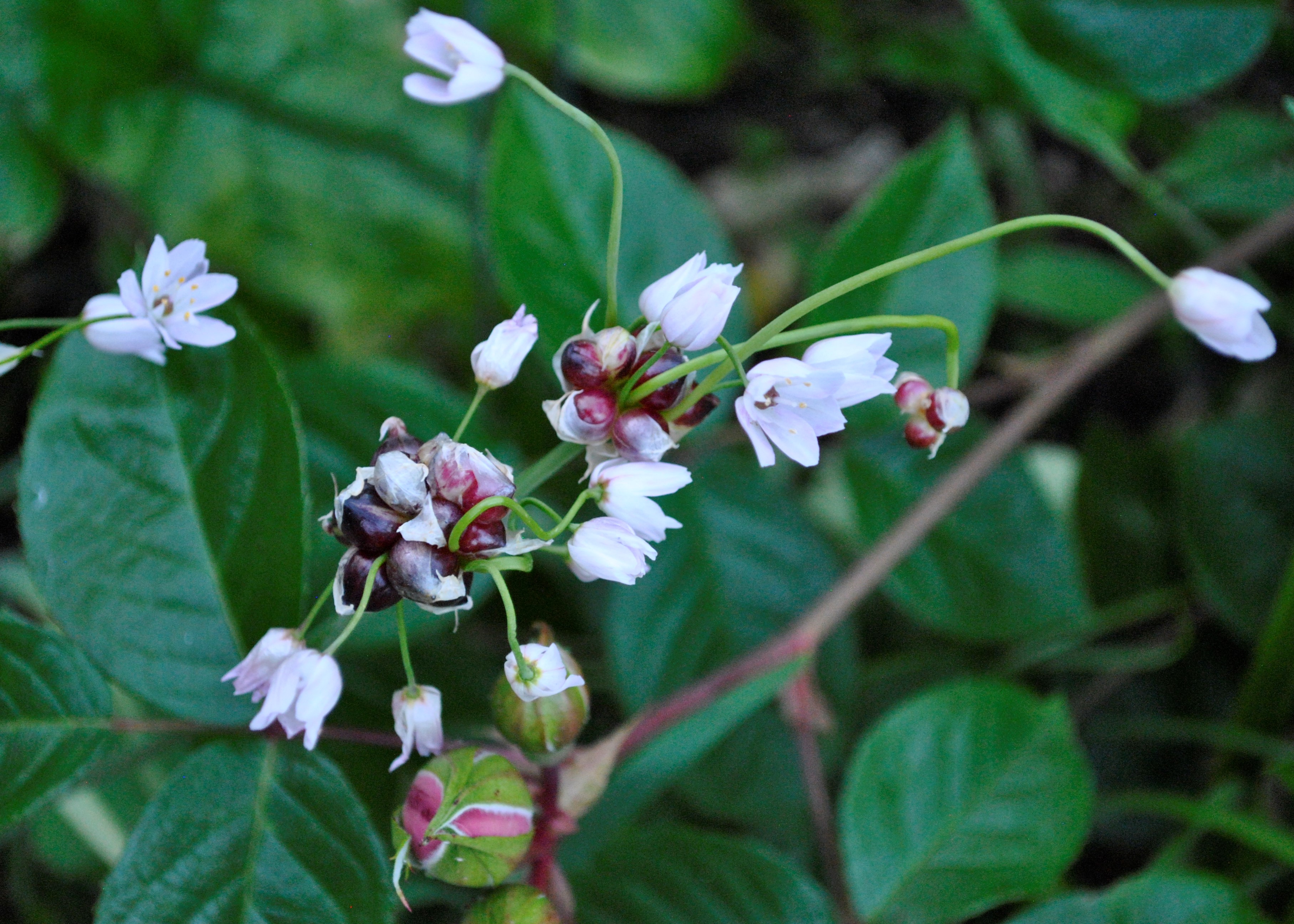
This unusual rosy flowered garlic, Allium roseum, produces pretty pink scented flowers followed by tiny bulblets which will spread about and produce new plants if allowed. An edible Old World species of garlic which was apparently prized for its delicate flavour.

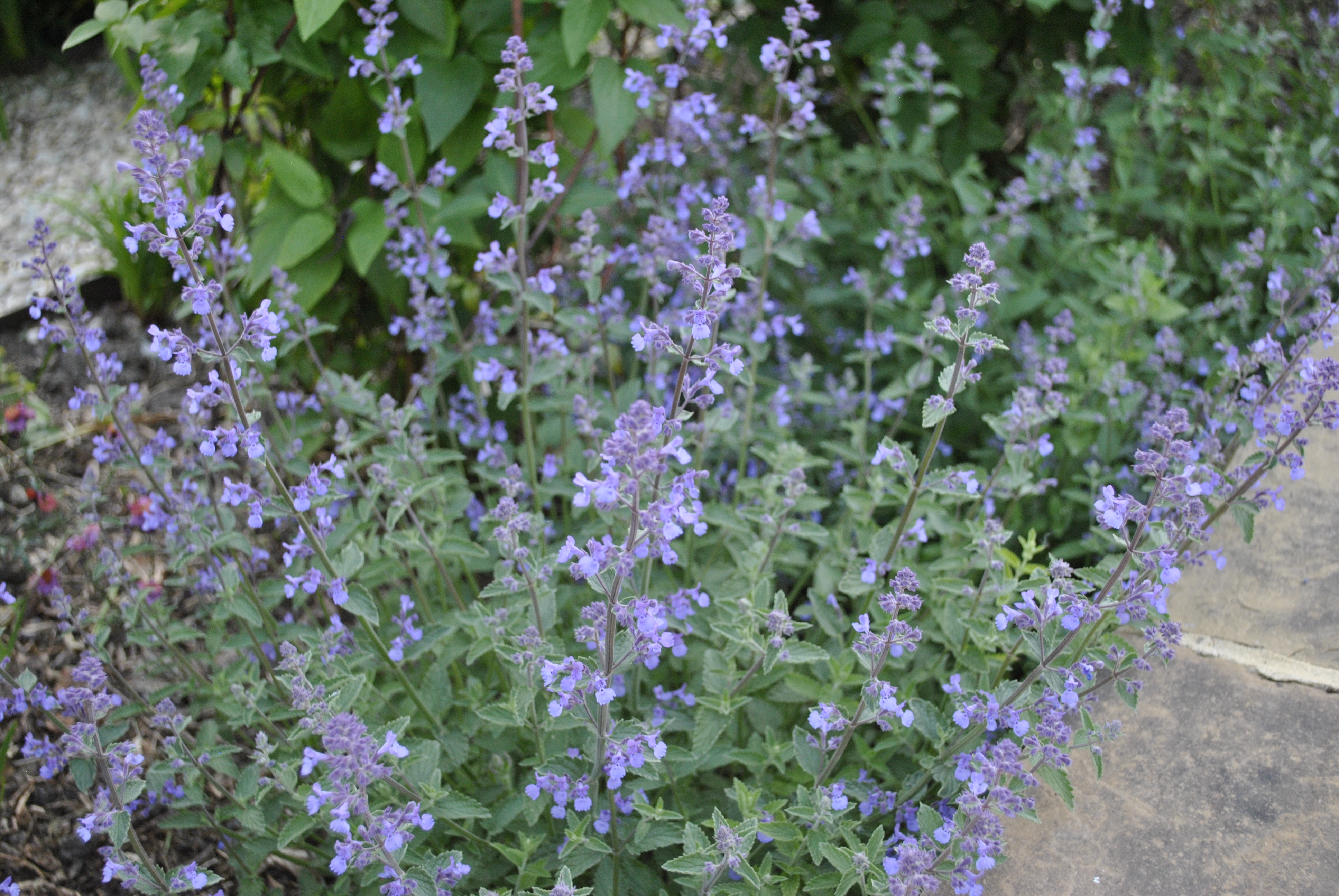
The first flowers of Rosa ‘Roald Dahl’ and ‘Boscobel’ accompanied by a froth of Nepeta faassenii ‘Kit Cat’. It’s going to be a good year for roses. The hard February pruning and a cold winter have produced strong new healthy growth which is being inspected daily by our resident Blue Tit family, picking off the aphids to feed their young.

Nature has kindly produced a greeny, creamy foxglove instead of the usual pink or white ones which are everywhere else in the garden. I rather like it and hope its offspring are the same colour next year, but I doubt it.

Finally, the smoke bush, Cotinus coggygria ‘Royal Purple’, is smothered in flowers at the moment meaning a lot of ‘smoke’ to come!

Have a great weekend

David

Six on Saturday

Aren’t gardeners kind people. After my post last week I was contacted by a lady who lives not far away, offering to replace my lost purple Hesperis and craves the white one, of which I have seedlings galore. I always find that gardening folk are keen to share and help others. The dainty bells of this Clematis integrifolia remind me of this when I recall the kind gardening friend who gave it to me many years ago.

The Photinia x fraseri ‘Red Robin’ hedge is bursting with blossom despite the rather pale and chloritic colour of the foliage! I believe it is suffering from a deficiency of some sort but not sure what. It could be a form of rose replant disease, the hedge being in the position of old roses. Comments and suggestions welcome!

Not Geranium ‘Rozanne’ as most people might assume, but ‘Orion’, another sterile hybrid with very different foliage but the same red veined, violet blue flowers but slightly less of a white centre. Looks very interesting under polarised sunglasses!

Allium ‘Mount Everest’ looking splendid in the long border and towering above its purple cousins. The leaves, however, have been shredded by our slimy friends and must now be removed. I am reliably informed that this will not affect next year’s flowering as it has already formed in the bulb. Just noticed the aircraft coming in to land from the West!

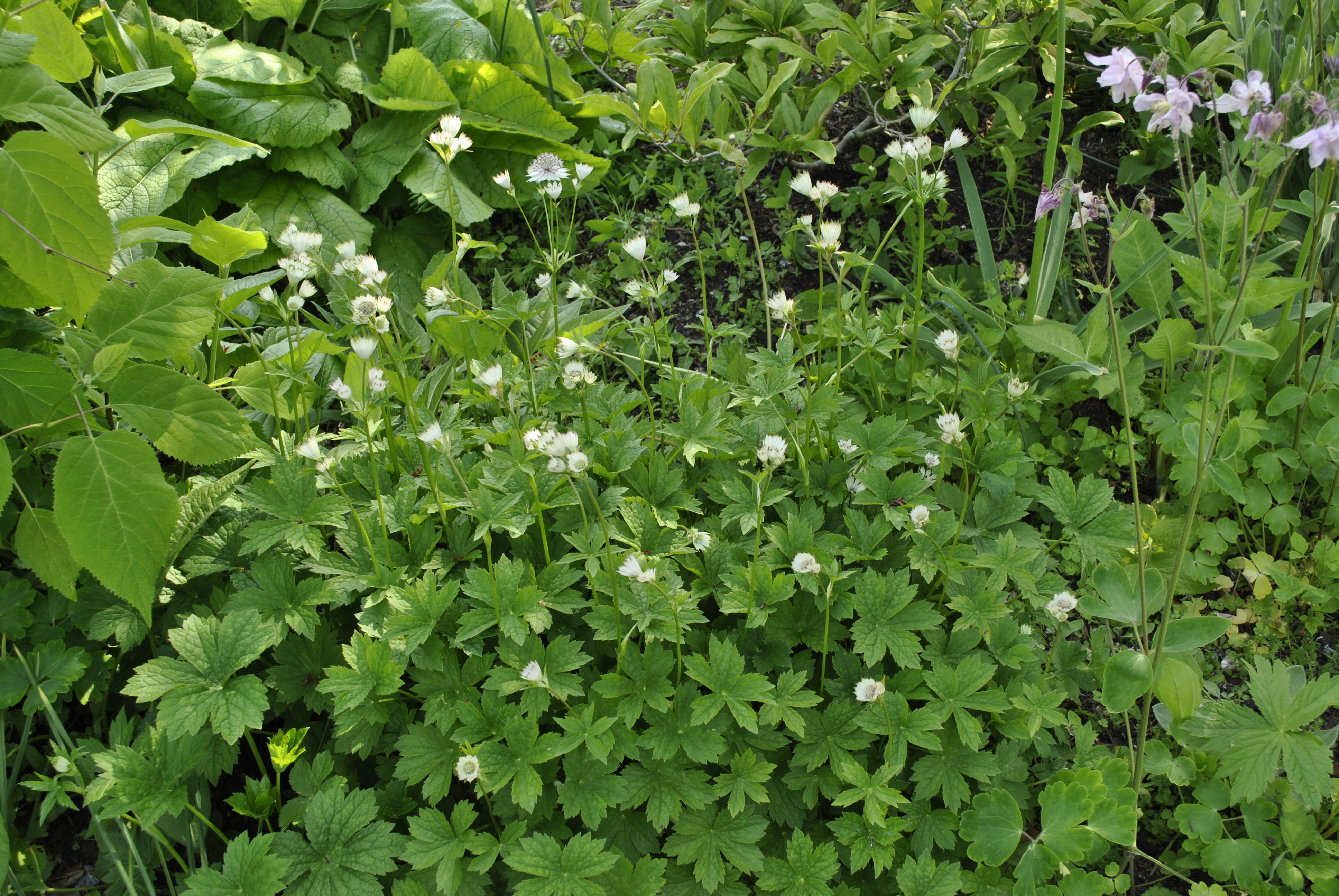
I struggle to grow Astrantias in my garden, even the tough old Astrantia major, unless I am constantly watering them over the summer, something I neglect to do. I have tried to grow the dark pink ones like ‘Roma’ but they just curl up their toes. Sometimes you just have to cut your losses and move on!

Finally for this week, Lonicera nitida ‘Baggesen’s Gold’ which I grew from cuttings many years ago and about which I now have mixed feelings. In my ordered world of ‘painting with plants’, I find this scruffy and untidy, extremely fast growing and therefore high maintenance. I fear it may be time to consider a more attractive replacement……or maybe topiary!

Have a great weekend.

I’m off to Sheffield for our Granddaughter’s Christening tomorrow.

David

Six on Saturday

All of a sudden, the garden has exploded into life and everywhere I look there is beauty and chaos in equal measure. Euphorbia palustris and Viburnum plicatum enjoying the first rays of early morning sunshine.

Originally, I had both the violet and white Hesperis matronalis but in recent years the violet disappeared. It now seems it may be making a slow comeback as this white is showing definite pink tendencies!

Neillia thibetica is a tough flowering shrub which should be in more gardens. Its pretty pink flowers are fleeting but the dense thicket of fresh green foliage provides a good way of hiding ugly fences, sheds or buildings. Not something to stand and admire, just useful.

The early flowering Wisteria sinensis ‘Prolific’ came through the spring frosts unscathed for a change and the air was laden with its sweet scent for a week or so. Still very immature but living up to its name!

The first Sweet Peas are flowering, this one being ‘Painted Lady’, one of the oldest varieties and still one of the prettiest in my opinion, understated in a simple two-tone pink and white.

Centaurea montana, pushing its way through the tangle of other foliage is a stalwart of the spring garden. Utterly reliable, wildflower which is a valuable source of early nectar and pollen for bees and other pollinators.

Finally for this week, the simple beauty of Paeonia lutea, the yellow tree peony, which will flower in succession for several weeks. Now 2m tall and covered in buds.

Off to Eckington Village Open Gardens today, I love seeing other people’s gardens!

Have a great weekend

David

Six on Saturday

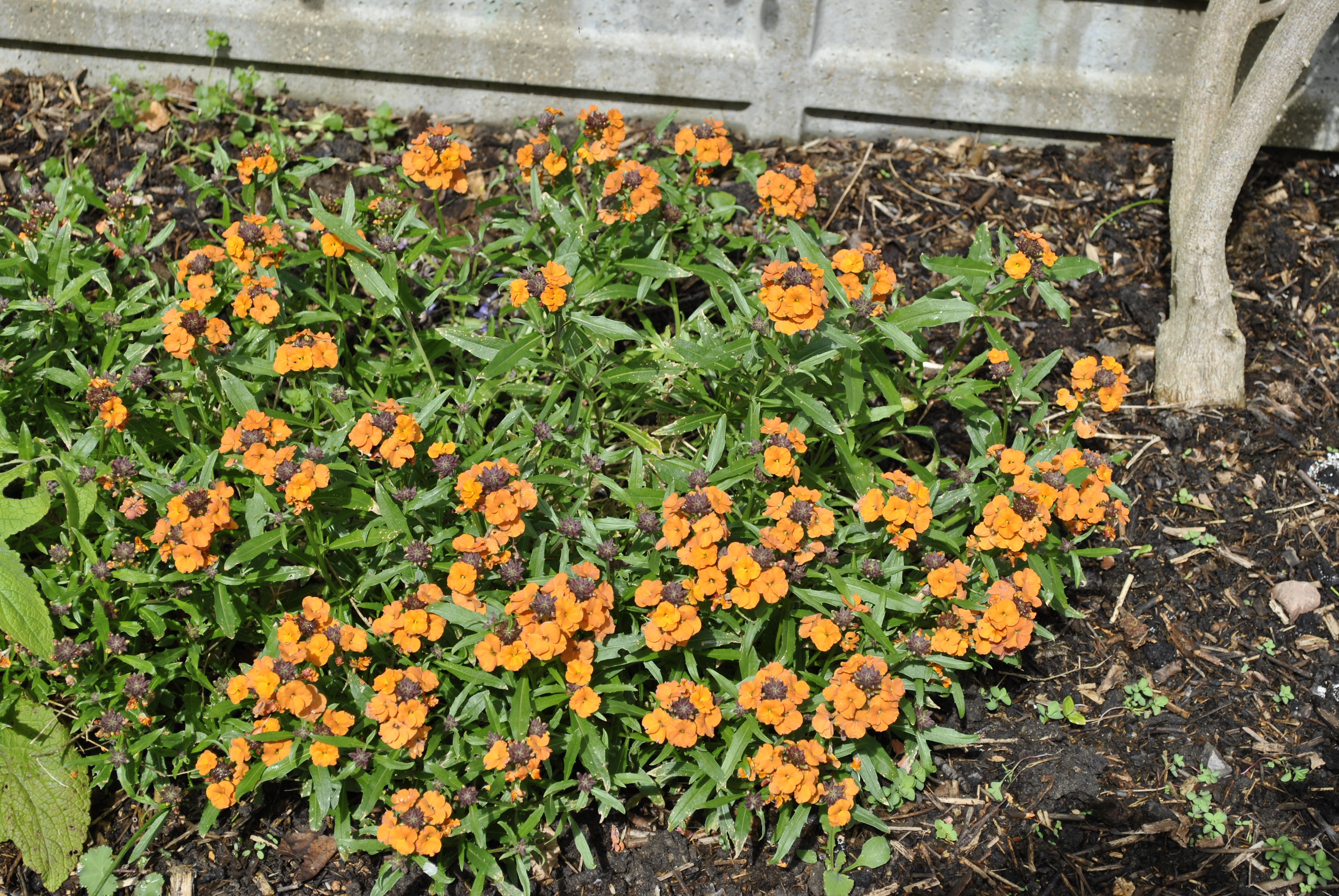
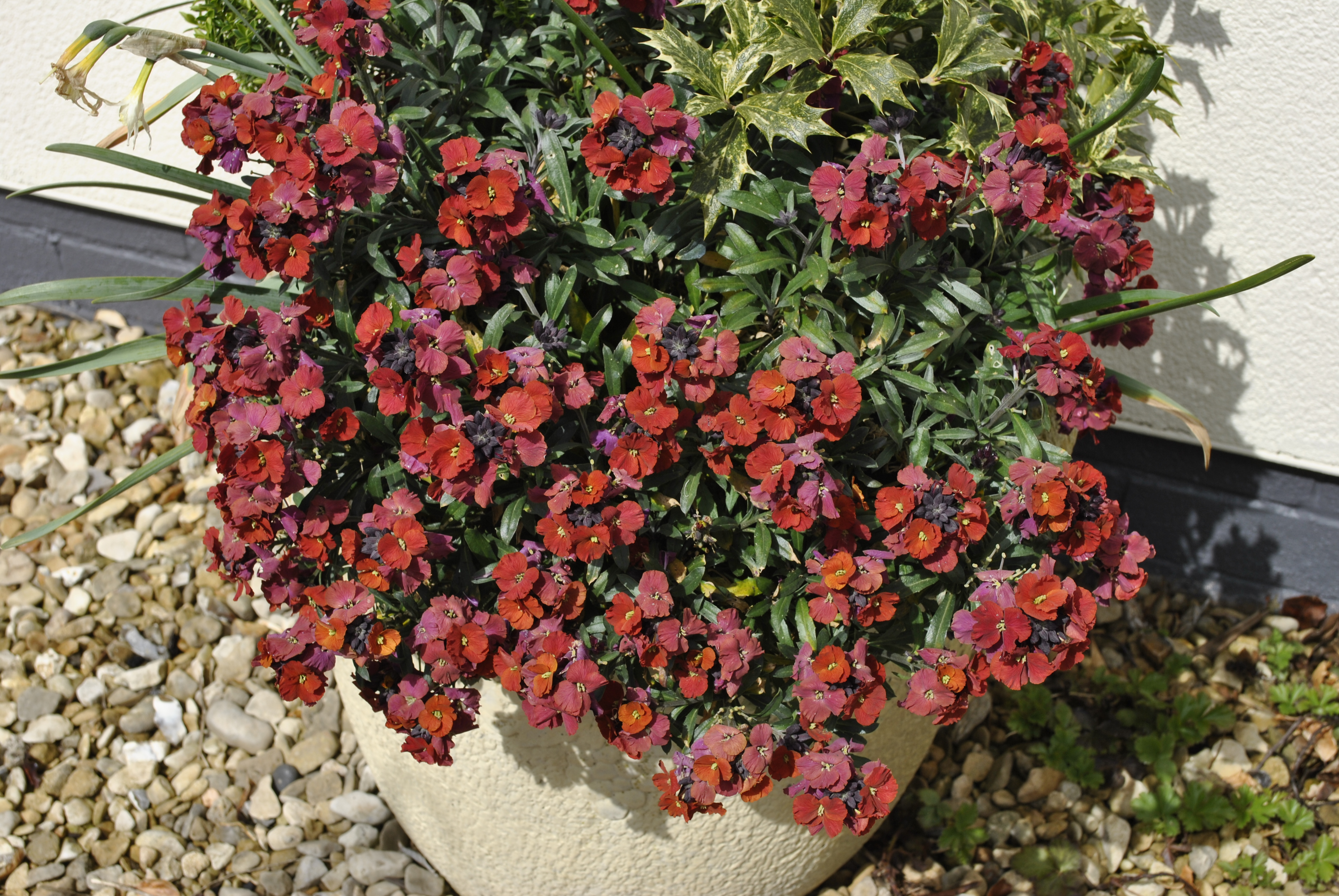
It is still very wet and cold for late April but some plants carry on regardless such as Erysimum ‘Apricot Twist’ which seems intent on being the plant that never stops flowering. This is a cutting taken 2 years ago which has flowered periodically all winter and is now really getting into her stride. She will probably flower for 6 months or more before I replace her with a cutting taken last year. They literally flower themselves to death!

This is Erysimum ‘Red Jep’ kindly given to me by a dear friend from our gardening group. It has been in this pot all winter and took the worst of the weather, but look at it now!

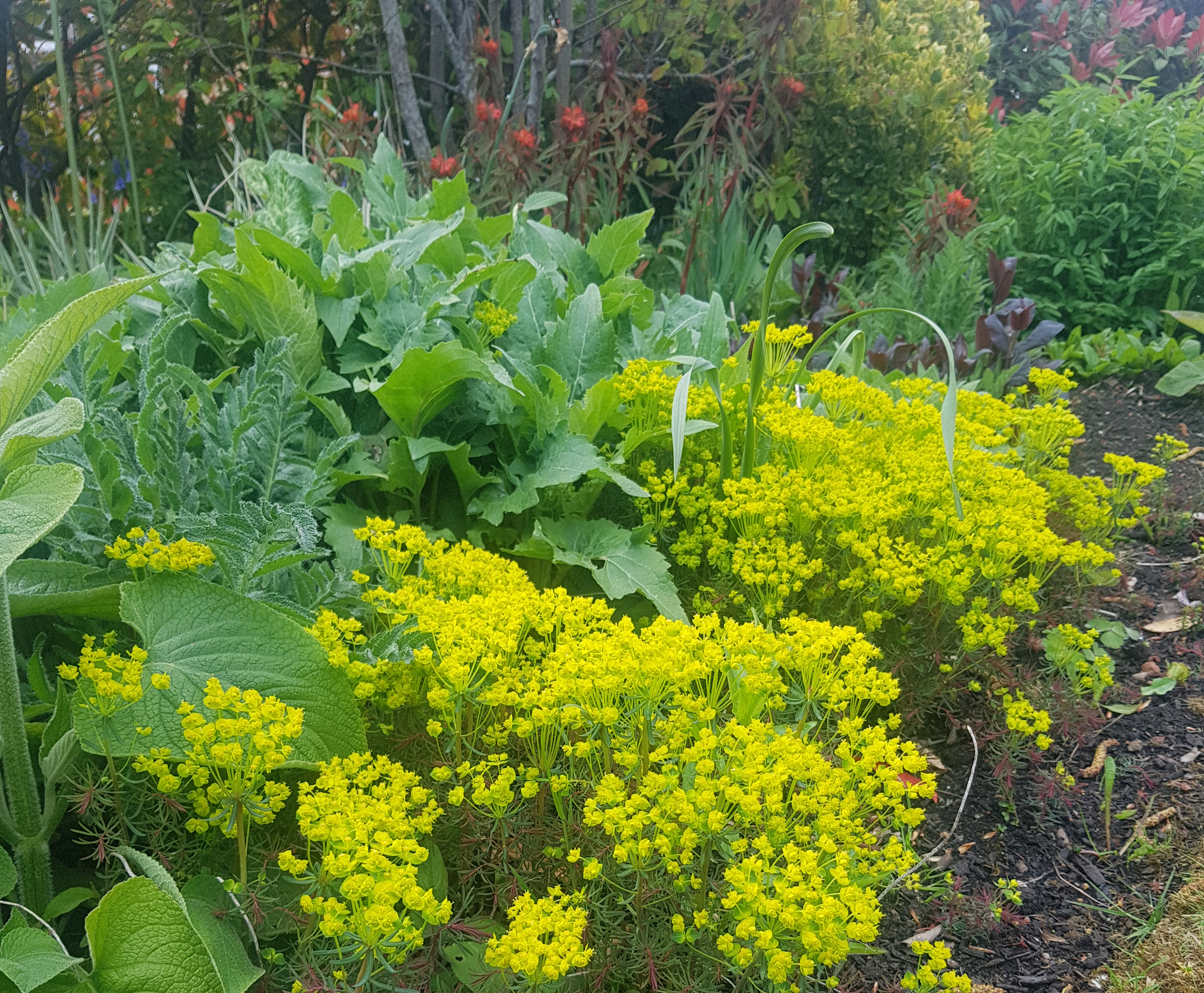
Euphorbia cyparissias looking splendid at the front of the shrubbery again. It has spread significantly since last year and now occupies a swathe across the front of the taller shrubs and perennials. I just love the acid yellow against the emerging sea of green.

As an experiment, I lifted a huge clump of Camassias last year which were in the wrong place and overcrowded, dried off the bulbs over summer and planted them in big pots in the autumn. I am delighted with the results. They mix well with narcissus and some early tulips and I can move the pots in May to make way for the Agapanthus africanus.

Unless we have a late frost, which now looks unlikely according to the current weather forecast, the Wisteria sinensis ‘Prolific’ should look magnificent this year. After three years of frosted flower buds and no flowers, I might finally get the show I planned for. Fingers crossed!

I consider myself to be very lucky to have pink and white bluebells in the garden. They appeared by chance many years ago and come back every year. They have all the same characteristics of our native bluebell, Hyacinthoides non-scripta, and occur when the flower’s blue pigment is missing, making them ‘albino’ bluebells. It is believed a native white bluebell occurs only once in every 10,000 flowers.

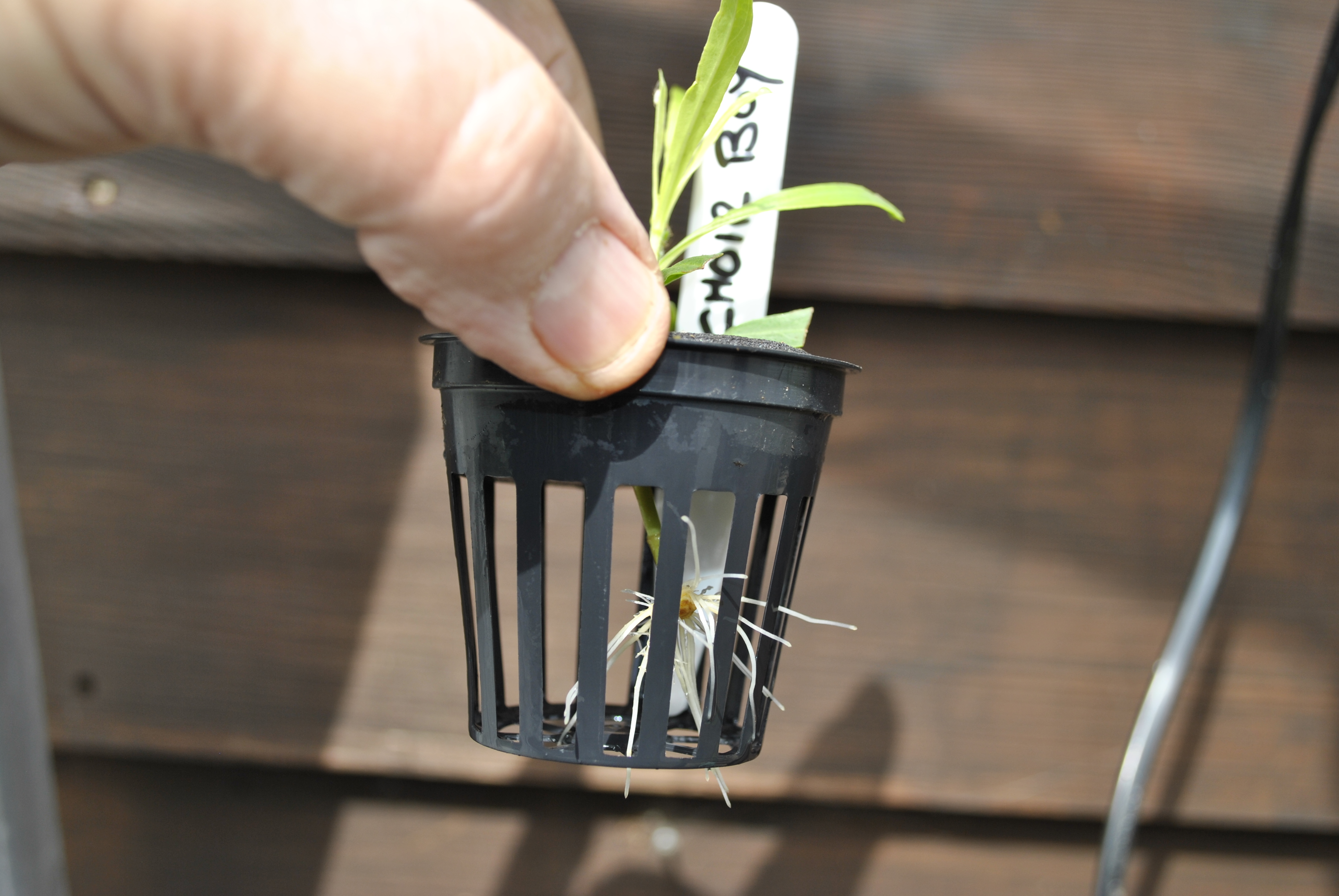
Finally, the Hydropod cuttings propagator is going full blast to create lots of young plants for the coming season. This is Penstemon ‘Choir Boy’, a rare white cultivar which I am hoping to popularise again. It has only taken three weeks to get these roots which proves the value of the equipment. I have now probably produced over 300 cuttings in three years!

Have a great Bank Holiday weekend

David

Six on Saturday

Okay, I know they are frowned upon, hated by some, very promiscuous with the natives and difficult to remove once established BUT if you keep them under control by removing as many as possible each year I think the hybrid bluebell, Hyacinthoides × massartiana, is an acceptable plant in small numbers in suburban gardens. (ducks down under the desk to avoid flying brickbats!) It is an annual process, just like removing any other plant having domination tendencies (Sapponaria comes to mind!) but, after all, that’s part of gardening.

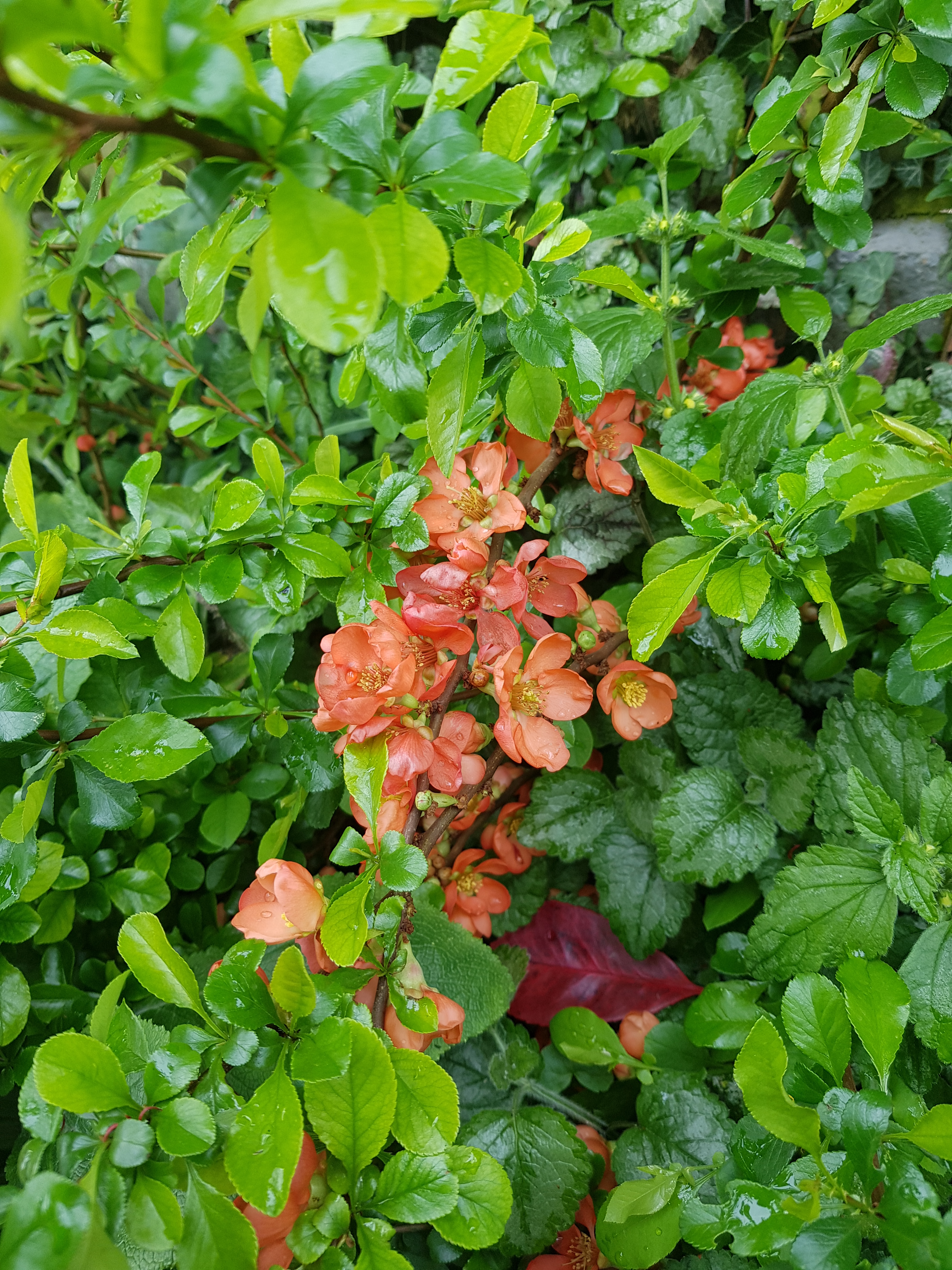
This Chaenomeles japonica (ten points if you know how to pronounce it properly!) was grown several years ago from a pip in a fruit stolen from a friend’s garden. Lucy, if you are reading this, sorry! They are the easiest things to grow from pips and there are often 30 or more in each fruit. They have to be old and dried up before you break into them to take the pips but 3 months on a greenhouse shelf usually does the trick.

The Monkshood, Aconitum carmichaelii, is just emerging from it’s slumbers and looks remarkably like a weedy geranium at this stage. Soon however, it will reach up to the skies with spires of blue hooded flowers, provided I remembered what it was! Sometimes, when I am in weeding frenzy mode, head down, iPod earplugs in, things get mistaken at this early stage and woosh, they are gone!

I have to give the flowering currant, Ribes sanguineum, a round of applause for a spectacular show this year and for providing masses of early nectar for thousands of emerging bumble bees and early exploring honey bees. This plant is on an awkward corner and gets sheared with the beech hedge in August, much later than the books suggest, but it always rewards me with the most wonderful Spring display. A bit out of fashion these days but a stalwart of the Spring garden in my view. The same goes for………

Forsythia, tall, straggly, ugly. Say what you like but it is a trooper and as reliable as a Labrador. Frankly, if I had the time I would prune it properly by removing a third of the oldest branches each year and carefully cutting back this year’s flowered shoots in May. But I don’t have the time or the inclination because I know that whatever I do, it will flower again next year. So it also gets hacked back in August with the Beech hedge which obviously gives it just about enough time to form flowering shoots for the following year.

To round off this week’s common or garden ‘must have’ spring flowers, I should give a very brief mention to Forget-me-nots and Grape Hyacinths. There, I have mentioned them.

Have a great weekend

David

Six on Saturday

Despite the showery weather, the temperatures are encouraging the garden to get up and go. Everywhere I look, things are gathering pace and I need to keep up! As usual, the weeds are growing even faster than the cultivated plants so that is my main priority at the moment. However, it’s nice look at pretty things too, like this Chionodoxa luciliae ‘Pink Giant’ even though the bittercress in the background annoys me!

I am never quite sure whether this is a pink Primrose, Primula or Polyanthus. It comes back every year and is spreading to different parts of the garden, presumably by seed, but I am happy to let it be. It is a cheerful little thing.

Millium effusum ‘Aureum’ or Bowles’s Golden Grass is something I spotted in a large manor house garden a few years ago and bought a small pot for £2. It was said to brighten up dark corners and is an unfussy plant which “gently spreads about”. In fact, it grows anywhere, spreads like mad and is becoming a nuisance! In late summer the waving seed heads are very attractive above the golden leaves but don’t be fooled, it is just looking for its next target. Every bed and border now has its own clump which will soon become a forest so be warned!

The Delphiniums are relishing the damp conditions and the 3″ of mulch I packed round them a few weeks ago. I got on top of the slugs and snails by applying ferric phosphate on Valentine’s Day (so romantic!) and they are untouched. Time to get the supports in place!

I think I might have overdone the Cosmos! Friends and neighbours will take a few but that still leaves far too many. However, the leftover mixed dahlia seeds are doing well and are ready to be pricked out today. I love a nice surprise!

The Sweet Peas will also get planted out today, but in the garden. I follow the old mantra of ‘sow when the clocks go back, plant out when the clocks go forward’, so today is the day! By sowing in October, pinching them out in January and overwintering them in a cold greenhouse, I get stocky plants with at least two side shoots and a healthy root system to give them a good start. They go into heavily composted soil with some chicken pellets and bone meal which I find produces good results.

That’s it for my Six. Have a great weekend

David

Six on Saturday

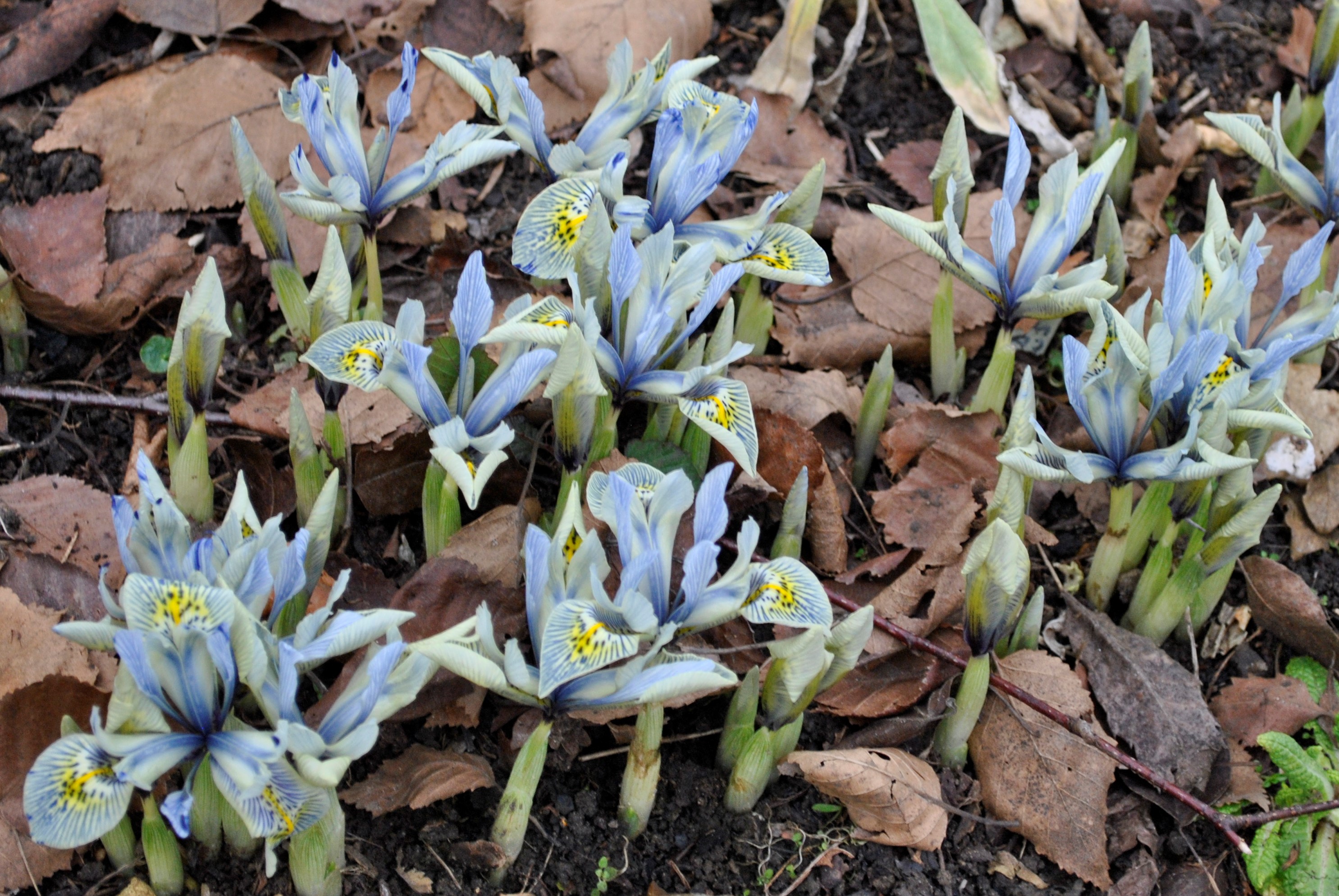
Finally, some good weather! It may only be a brief respite and I am not counting any chickens, but I had a really productive few days in the garden this week. It was positively warm in the sunshine and no wind chill to spoil things, so I started clearing, weeding, cutting back, propping up and making plans. Iris reticulata ‘Katharine Hodgkin’ as reliable as ever and multiplying well in the leafy border under the Silver Birches.
February is my ‘weed, feed, mulch’ month and I took delivery of 1500 litres of composted fine bark/mushroom compost from my local nursery. That should keep me busy for a few days!

Although I compost as much as I can, I never produce enough of my own mulch to do the whole garden which is why I always have to buy some in. However, the good stuff I make is going on the roses this weekend after a dressing of Toprose.

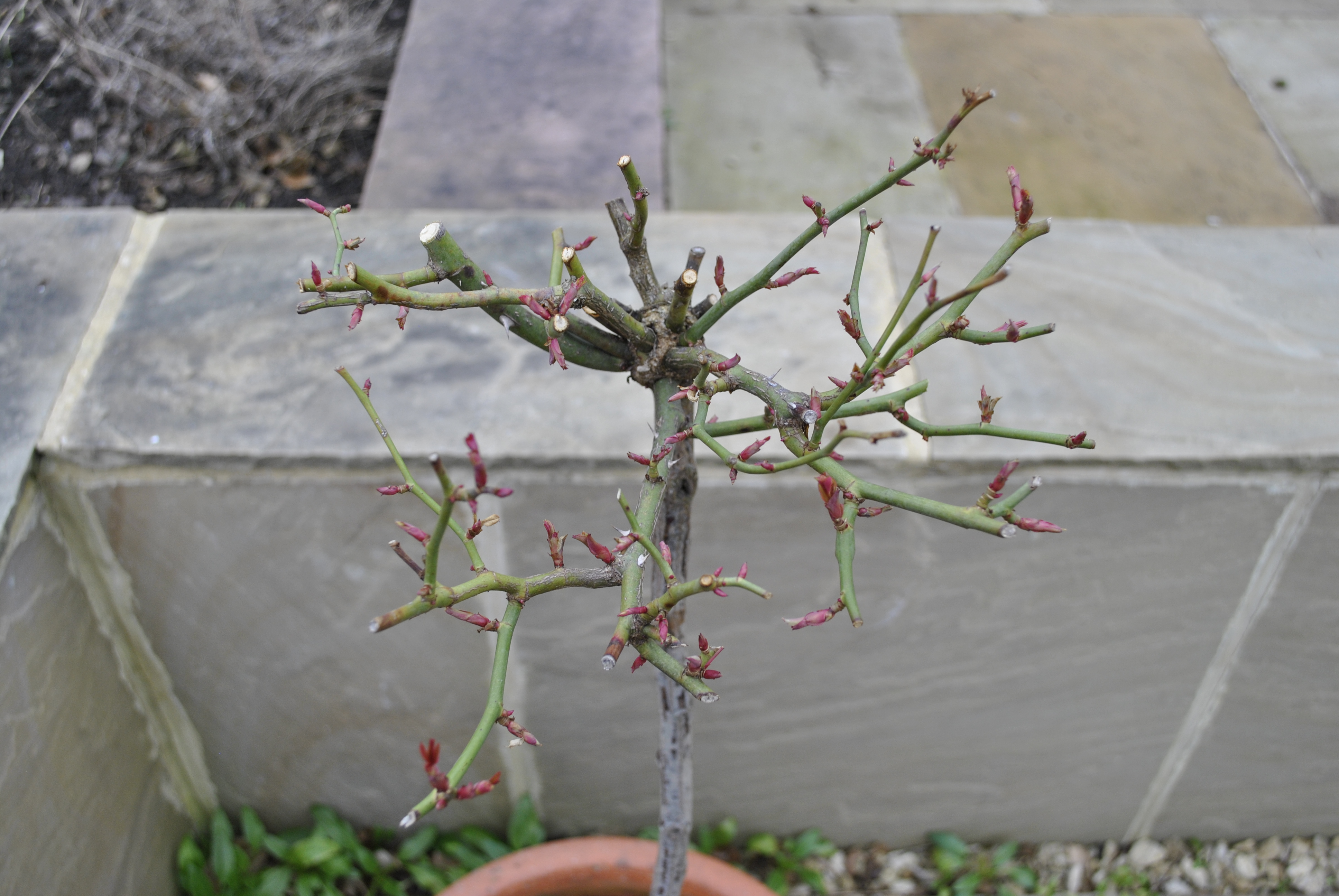
Talking of roses, only a few short weeks after pruning, new buds are shooting away promising a wonderful display in June.

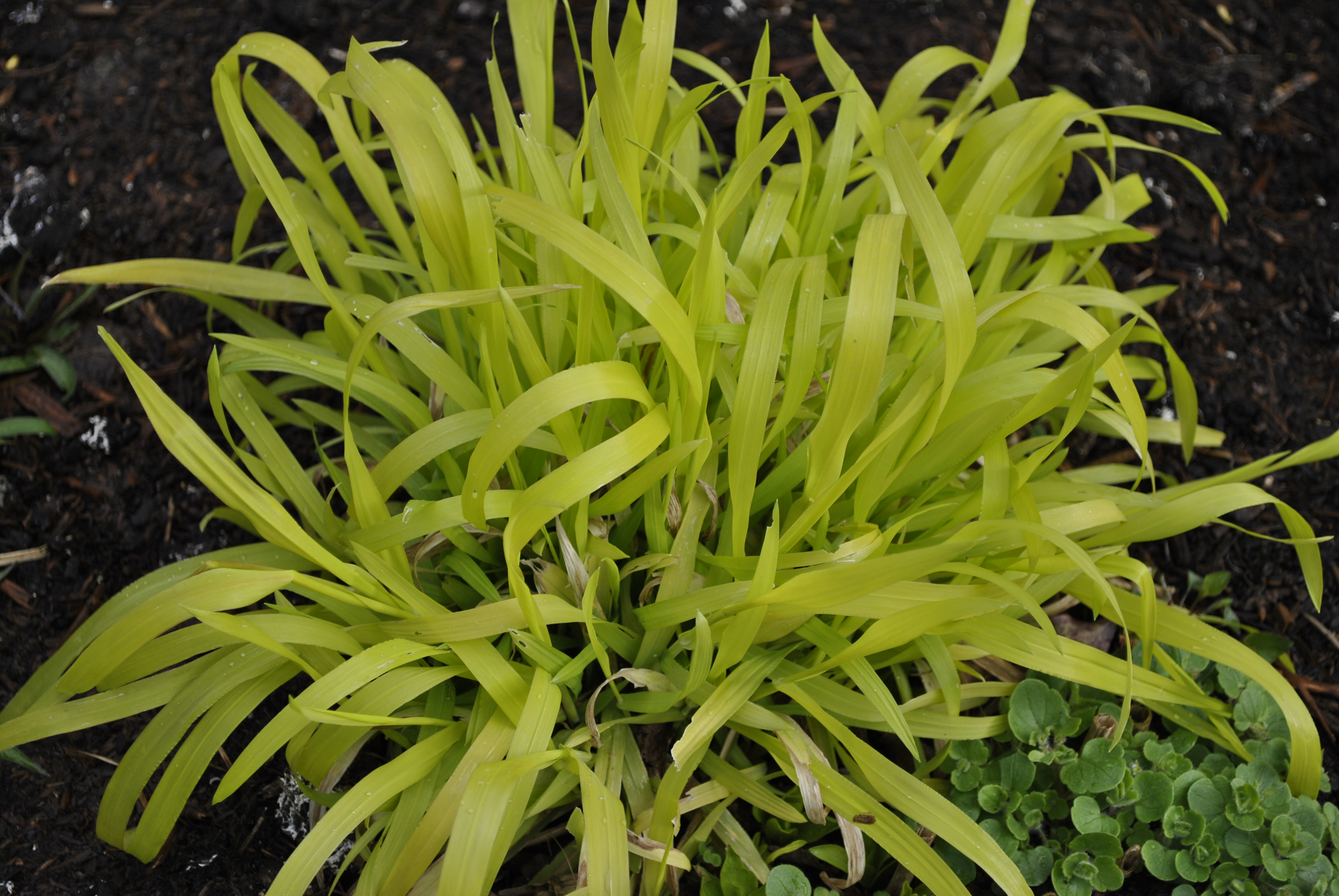
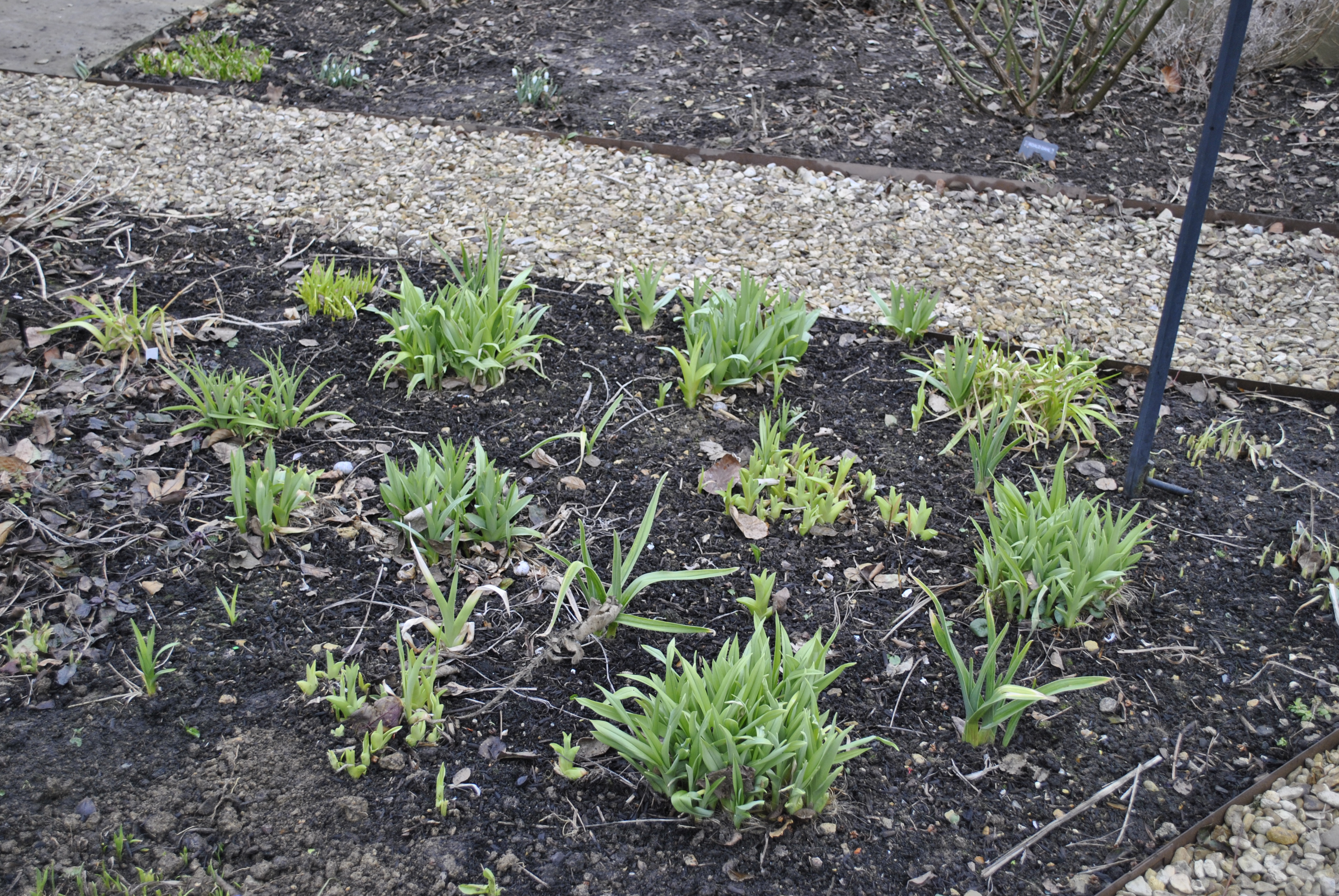
The Hemerocallis cultivars are totally unfazed by cold, wind and rain; in fact they seem to revel in all weather conditions. They are one of the most bombproof plants in any garden, almost thriving on neglect. Just a handful of granular fertiliser about now, a good mulch with compost and that’s it for the year.

It looks like I am going to lose the top growth on my dark leaved Pittosporum tenuifolium after it was hit by the severe December snow and bitterly cold temperatures. It is a coastal plant in its native New Zealand and is slightly tender in the UK. However, I will cut it back and I am confident it will regrow from the lower branches.

Had to finish with a double flowered snowdrop, Galanthus nivalis ‘Flore Pleno’ which I have popping up all over the garden. Always brings a smile to my face and cheers me up!

Have a great weekend

David