Six on Saturday

If there’s one thing I have learned about gardening over the years, it is that it is full of disappointments. You have to learn to roll with the punches, take the rough with the smooth etc. I have had Box bushes in many forms, pyramids, balls, low hedges and spirals but now, they’re all dead or dying. The cause is the dreaded box tree moth caterpillar, which has rampaged through the entire area where I live in Gloucestershire leaving scenes like the one above in almost every garden.

These notorious caterpillars can eat their way through a box bush in double quick time leaving a trail of destruction behind them. Young caterpillars are just over an inch long and a greeny yellow colour with black and white striping. The older caterpillars protect themselves from predators by building a distinctive pale white tent of webbing when they feed. In winter the small caterpillars hibernate in an envelope of two box leaves that have been spun together the previous autumn.

The adult box moth, Cydalima perspectalis, which it becomes is a rather beautiful creature with white wings edged with brown and is just over an inch wide from wing tip to wing tip. It arrived in the UK from Asia in 2008 and has quickly spread to all parts of the country, including Scotland.

No point in spending vast sums of money on expensive treatments unless everybody for miles around does the same, otherwise it will be back next year! No, time for pragmatism, the Buxus has had it’s day and it’s time to find an attractive replacement. I always try to see things like this as an opportunity, not a problem.

I think, on balance, the most admired rose in the garden this year has been ‘Ebb Tide’. It’s colour and fragrance have attracted more comments of approval than all the others, even though it does not have the strongest scent or the best flowers. A strongly growing, healthy and trouble free rose, almost thornless and repeat flowering.
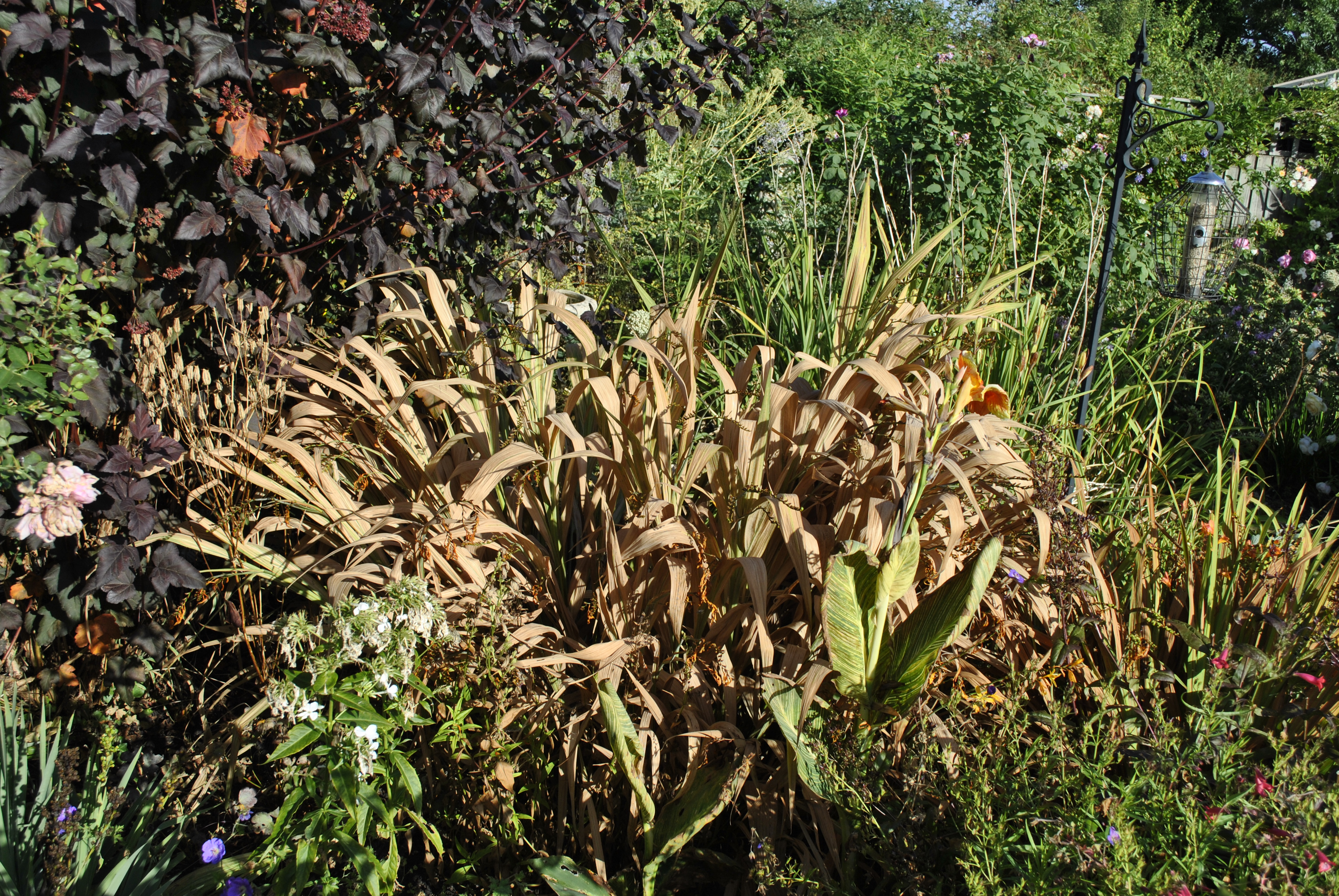
The recent heatwave and consequent drought has badly affected the Crocosmia ‘George Davison’ which is remarkable and disappointing. It has never happened before. I thought they were bombproof! I have certainly had a patch of the old Montbretia in the back garden which I have never done anything with, in dry poor soil, under a tree and they survive anything. Ah well, another opportunity beckons!

The beautiful flowers of Salvia uliginosa otherwise called Bog Sage! It certainly needs a constantly moist soil and lets you know when it needs a drink by drooping its flowerheads, which it does almost daily in this weather! Adored by bees, tall and willowy, it should be grown more in cottage style gardens.

The little Fox Grape, Vitis labrusca ‘Isabella’, has produced a great crop of fruit in just it’s second year. The grapes are becoming a darker shade of green and getting that musty bloom before they turn dark red with their characteristic pink flesh in the autumn. Learning how to prune them has been a revelation, not too dissimilar to wisteria in that you take off the whippy growth in the summer after the fruit has set and then a second harder prune in winter.
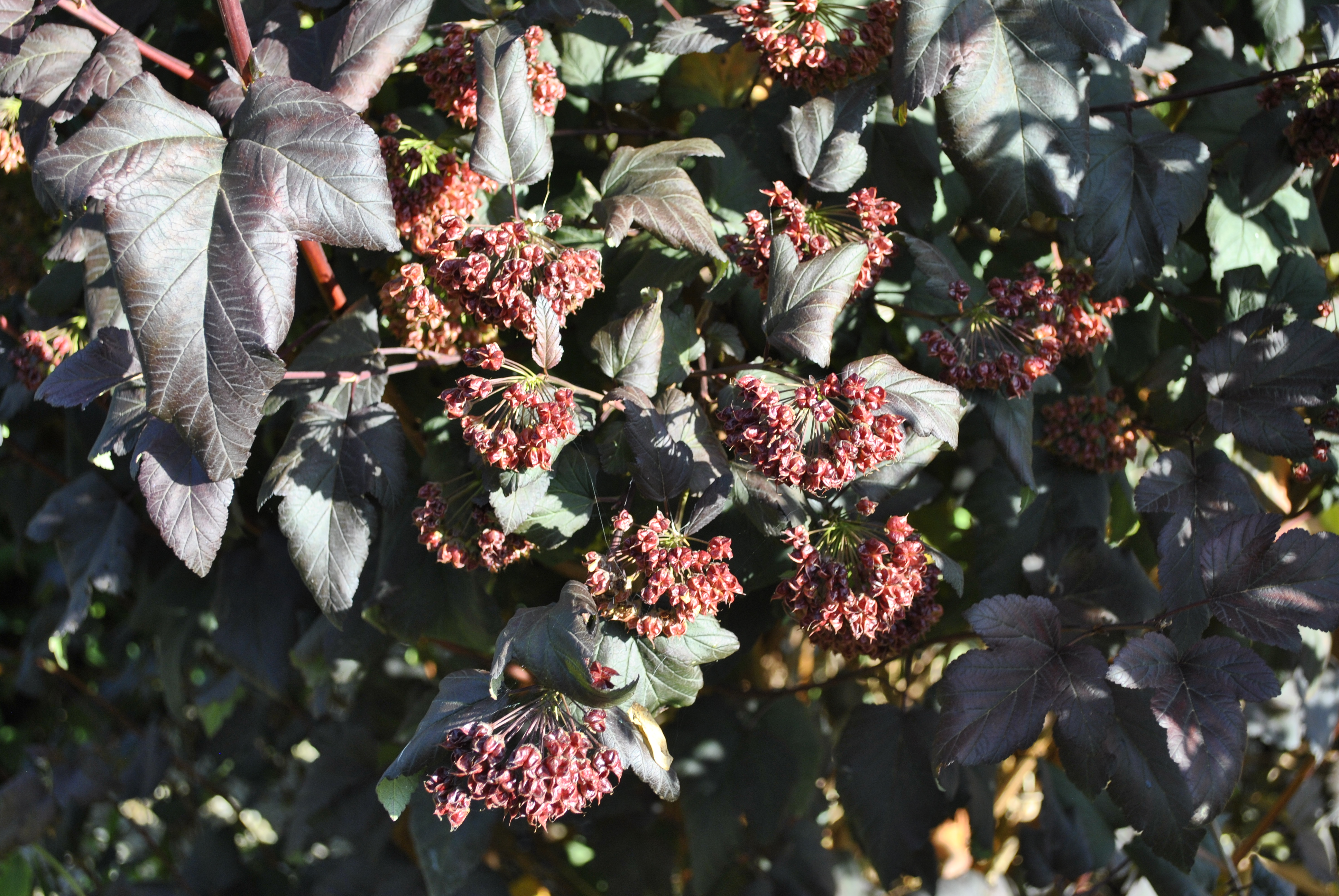
The fat red berries on the dark leaved Physocarpus ‘Diablo’ give this shrub an extra appeal at this time of year. Those who hard prune it miss out on this treat as they flower and fruit on the previous year’s wood, a bit like a Philadelphus or Cotinus. I now do a three stage prune to get new stems from the base, new stems from semi-pruned older branches and the height, flowers and fruit on untouched central branches. It seems to work!

Have a great weekend

David
Six on Saturday

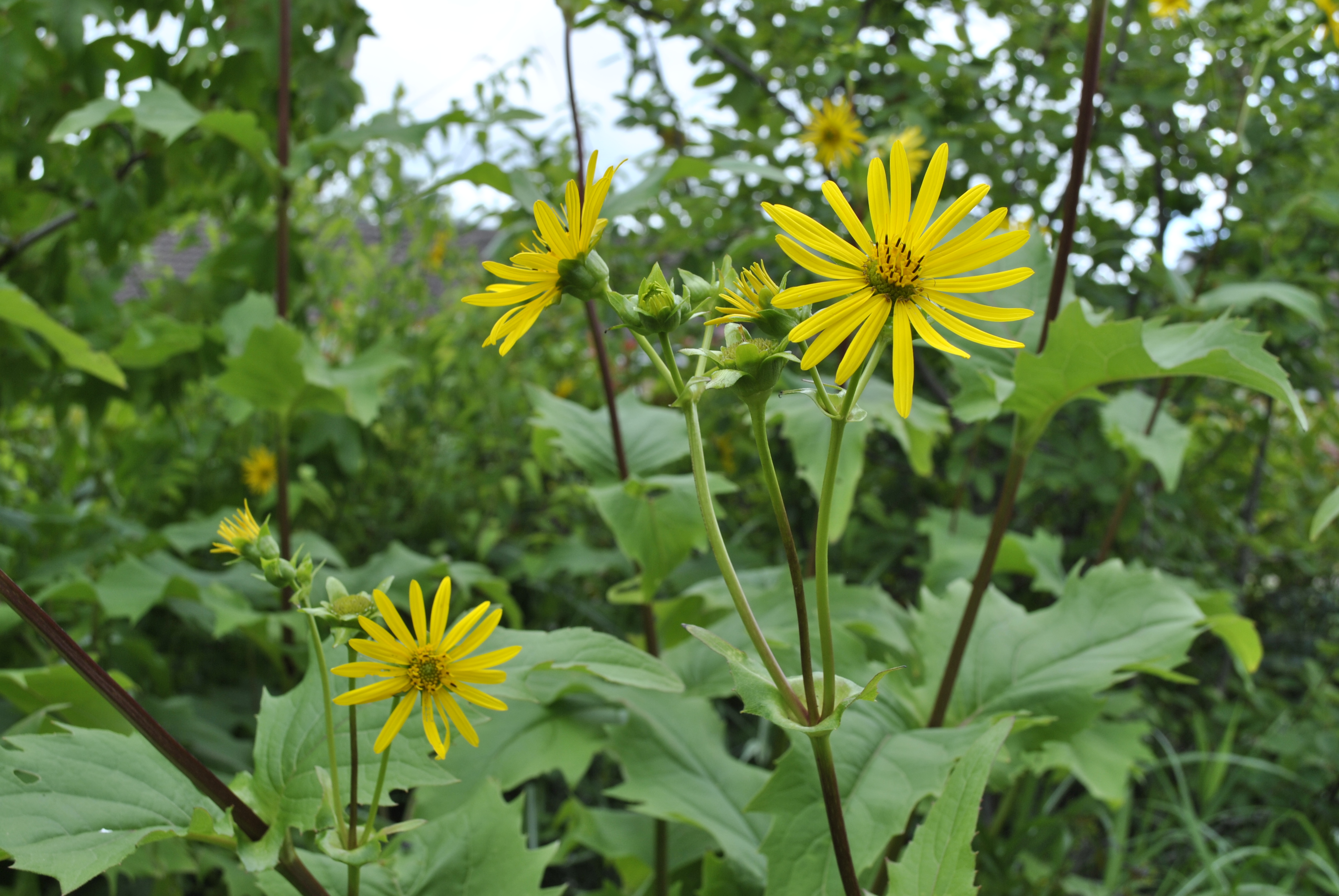
I suspect I won’t be alone in talking about the drought this week! But it is too easy to moan, I like to get on with things and believe it will get better, like it always does! This Silphium perfoliatum is a good case in point. It is a little shorter than last year and the flowers are slightly smaller, but it is coping like it is designed to do in the prairies of North America.

This short and stocky little Helianthus ‘Happy Days’ is another one enjoying the heat alongside the Shasta Daisy, Leucanthemum x superbum. It is protected from the fierce heat of the afternoon sun by the shrubs and trees which tower over it and seems quite happy, despite the lack of water.

However, Hydrangea arborescens ‘Annabelle’ needs her daily drink to survive and I have been determined to keep her happy to enjoy her beautiful big bounty of flowers, the size of footballs. The colours fade quickly in this heat and relentless sunshine and I should probably have planted her in a shadier spot, but I wanted to see her from the kitchen window and for others to enjoy her too.

My potted pineapple lily, Eucomis bicolor, is struggling too but seems determined to put on a show. Her fleshy leaves wilt in the heat but the flower stems stand erect and unconcerned, pulling in the bees all day long.

This gaudy Phlox paniculata is on its last legs, gasping for breath but soldiering on in the mixed border. I chuck a bit of water around the roots if I am passing with the watering can, but there’s a small part of me that obviously doesn’t care if she lives or dies!

Finally, the wonders of nature. I have been monitoring this tiny spider for days as she spins her web over the Euonymus. Truly, a work of art!

Have a great weekend and remember, the rain will come!

David

Six on Saturday

Blackberry ‘Merton Thornless’, absolutely delicious and currently picking a bowlful every day before the Blackbirds get them. The plant is enormous, far too big to net, but there are more than enough for everyone.

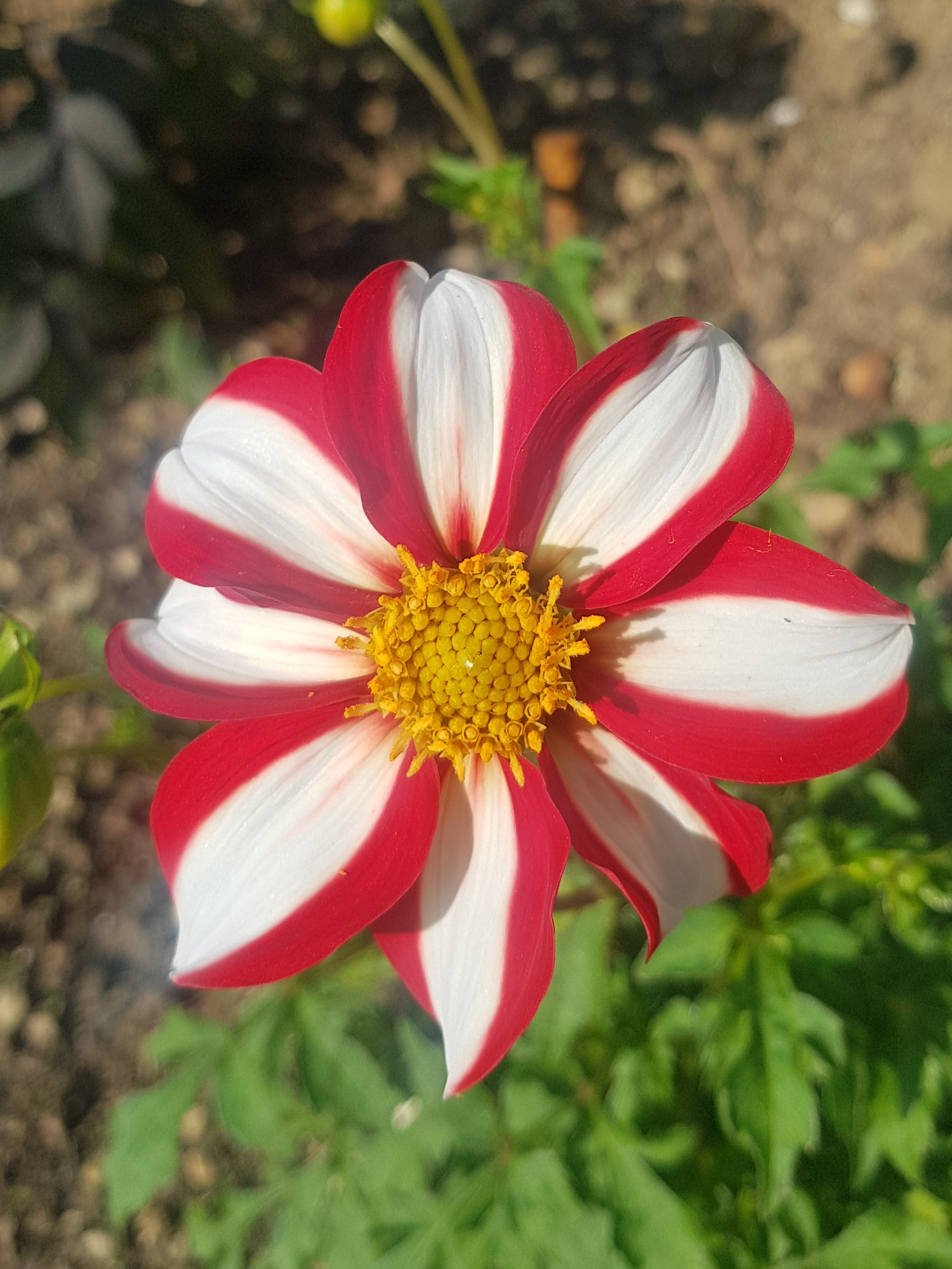
Dahlia ‘Union Jack’ , also known as ‘Star of Denmark’ is one of the oldest known cultivars dating back to at least 1832 but not grown much any more probably due to its lax habit. The flowers are too large and heavy for the spindly stems which droop under the weight. Anyone who has seen the original species dahlias like ‘merckii’ will recognise this unfortunate trait and understand why it went out of favour. I am now its Plant Guardian to make sure it remains in cultivation, despite its unpopularity!

Whilst most things in my garden are dying of thirst and underperforming, the fruit is amazing and revelling in the heat. These Japanese Wineberries are coming thick and fast and provide a welcome treat for topping the breakfast granola. The sticky little berries, like shiny miniature raspberries, are easy to grow and well worth it.

Aster trifoliatus subsp. ageratoides ‘Stardust’, lovely little species aster but terrible name! Another plant which has me as its Guardian but doesn’t need any help from me to survive. A real thug which refuses to stay in one place. A small 1 litre pot acquired 5 years ago is now a border all of its own and still spreading. Its stems root when they touch the ground and it sends out underground runners as well. Pure white starry flowers against mid-green foliage is a winning combination though.

Phlomis ‘Rougemont’, a sport of Phlomis fruticosa (Jerusalem Sage) discovered by chance in the grounds of the Rougemont Hotel in Exeter some years ago and now in my care. Unusual variegated felted foliage and a whorl of bright yellow hooded flowers adored by bumble bees. Only in a pot at the moment but due to be transferred into the garden when I can find the right spot, which is always the problem!

This Phlox paniculata was in the garden when we moved here 13 years ago, has been lifted and divided several times, and is now in several spots. It was destined for the compost heap last year but I gave it a reprieve and now quite like it so it can stay for another year or until I find something which deserves the space more.

Let’s end with one of my favourites and such a pretty flower with impressively large petals, Tradescantia (Andersoniana Group) ‘Red Grape’.

Have a great weekend

David