Six on Saturday

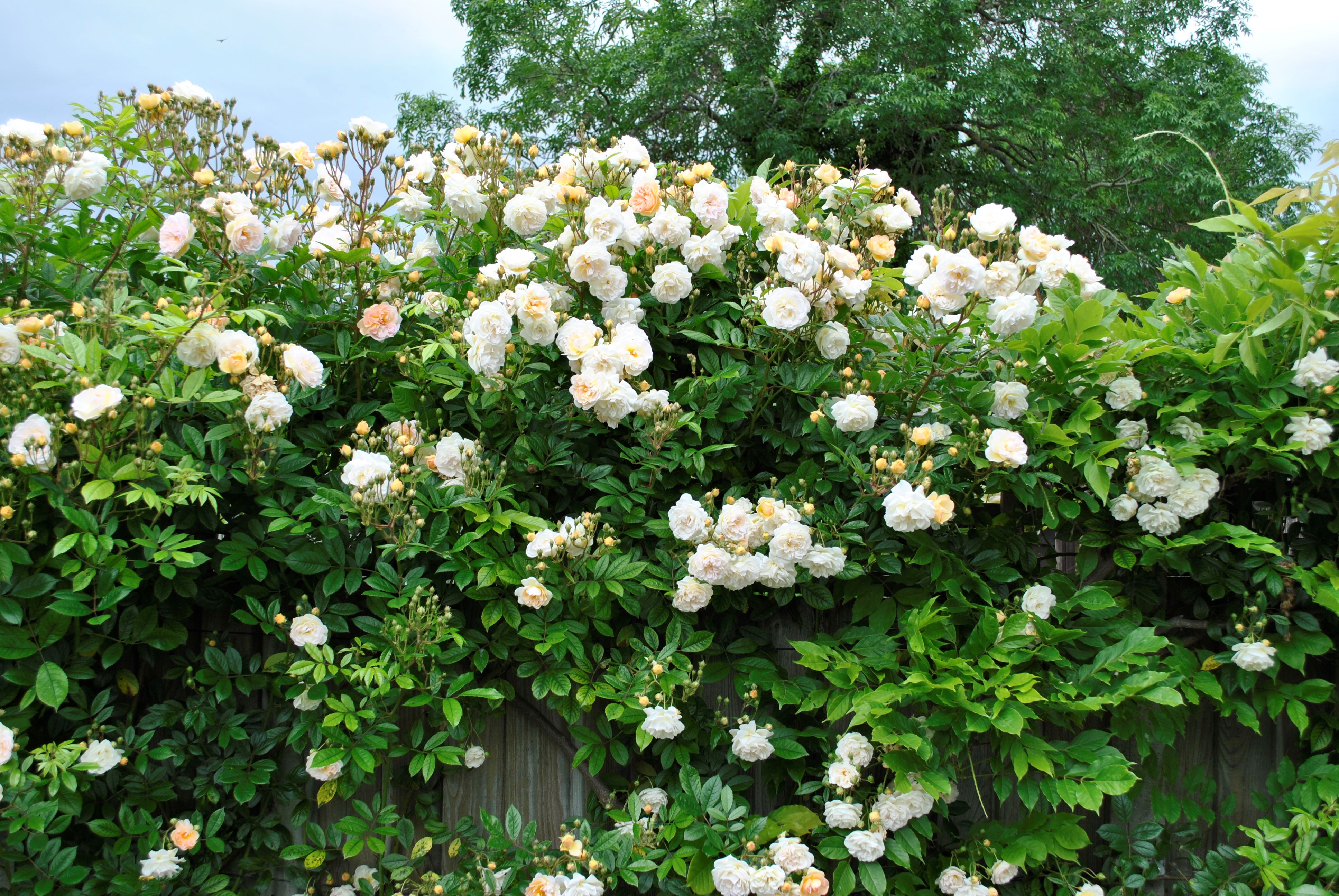
We were away for a few days in the frozen north (Sheffield!) looking after grandchildren over half term, and came back to a garden awash with colour and scent! This is my short rambler rose ‘Ghislaine de Feligonde’, almost thornless and very well behaved. She is not very smelly but looks gorgeous on the fence mingling with the wisteria.
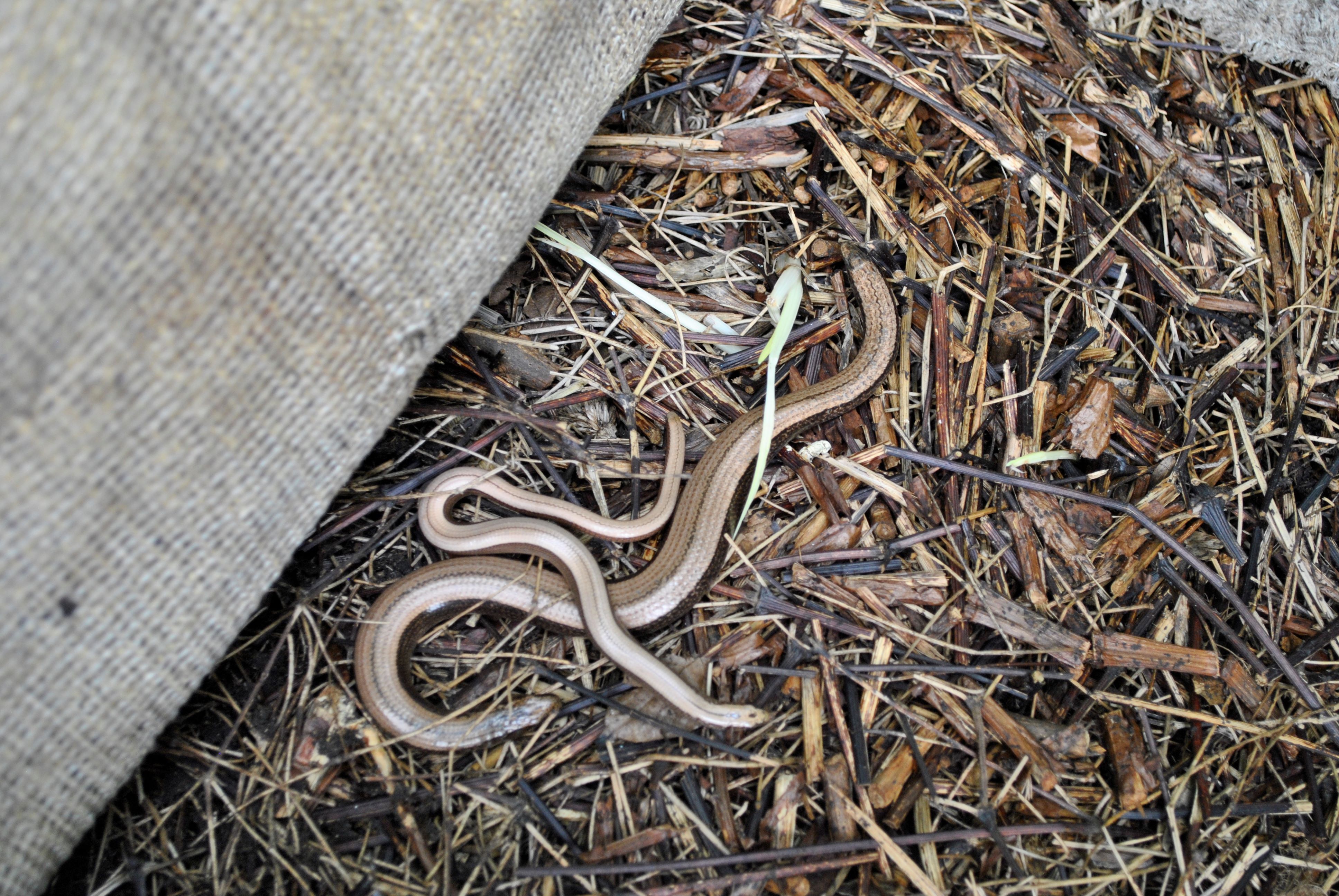
Pulling the old carpet back on one of the compost heaps, I was very pleased to find a family of Slow Worms having a nap before venturing out this evening on slug patrol. They are not snakes but legless lizards, and completely harmless. They are long lived, so these could be the same ones I found last year and the year before.
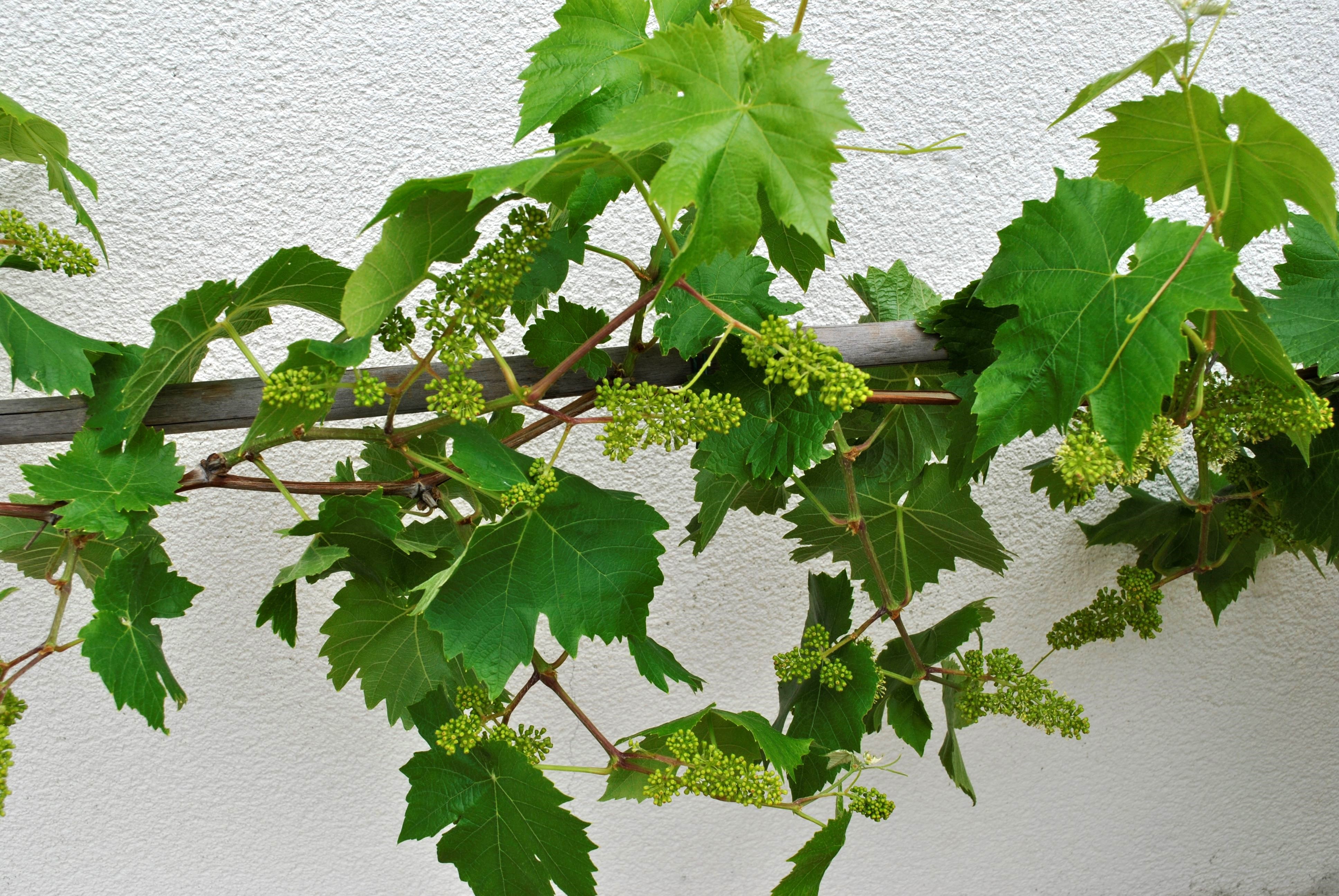
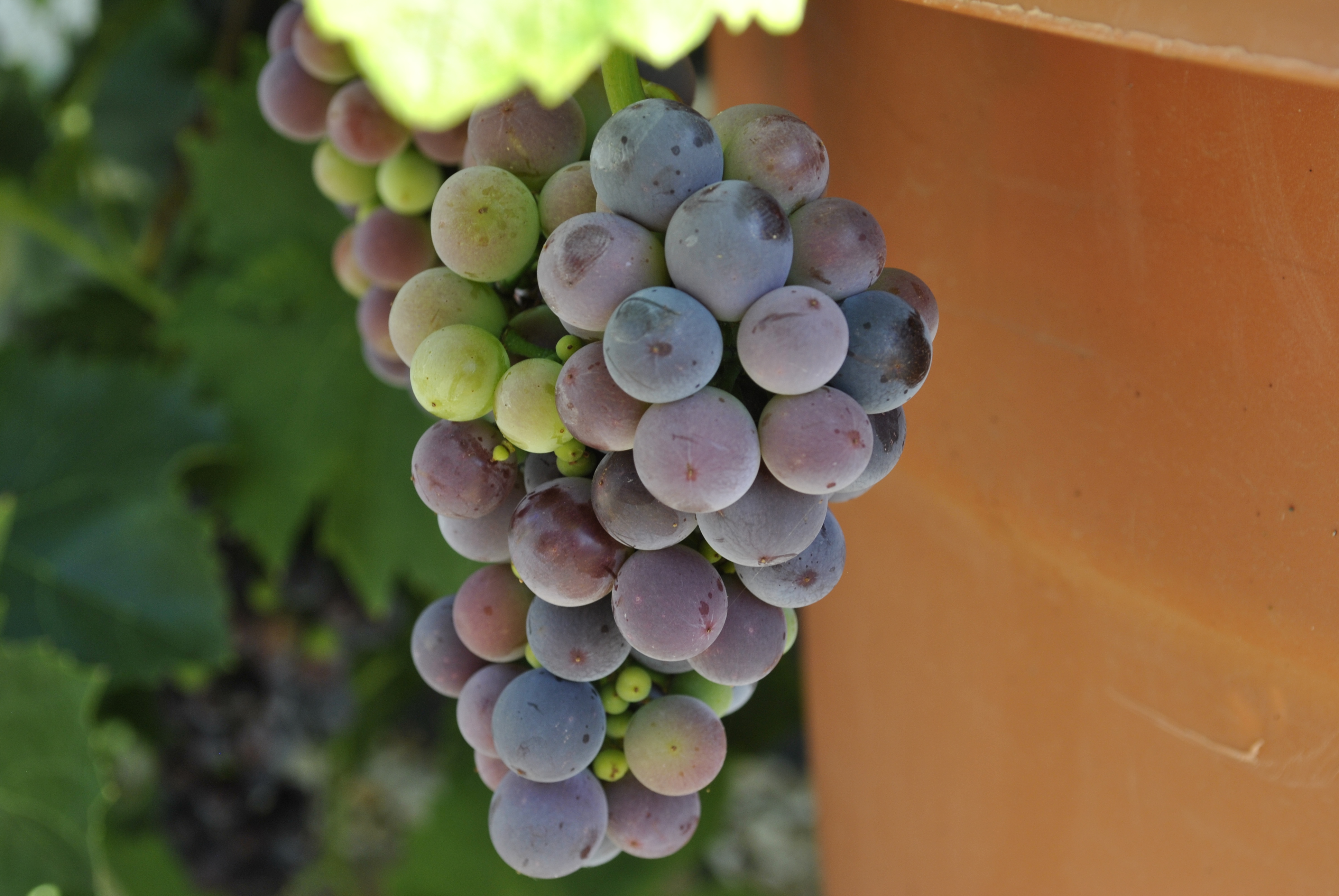
It looks like it’s going to be another bumper grape harvest this year. The embryonic Pink Fox Grapes are forming well and I already have requests from some of my jam and jelly making friends. If there are enough to go round, I might even try my hand at making some wine this year!

The Sambucus nigra ‘Black Lace’ is also showing signs of producing a great crop of flowers and berries. I love the pretty pink flowers and dark, almost black foliage. It gets pruned hard every winter, but seems to thrive on it and comes back bigger and better every year.
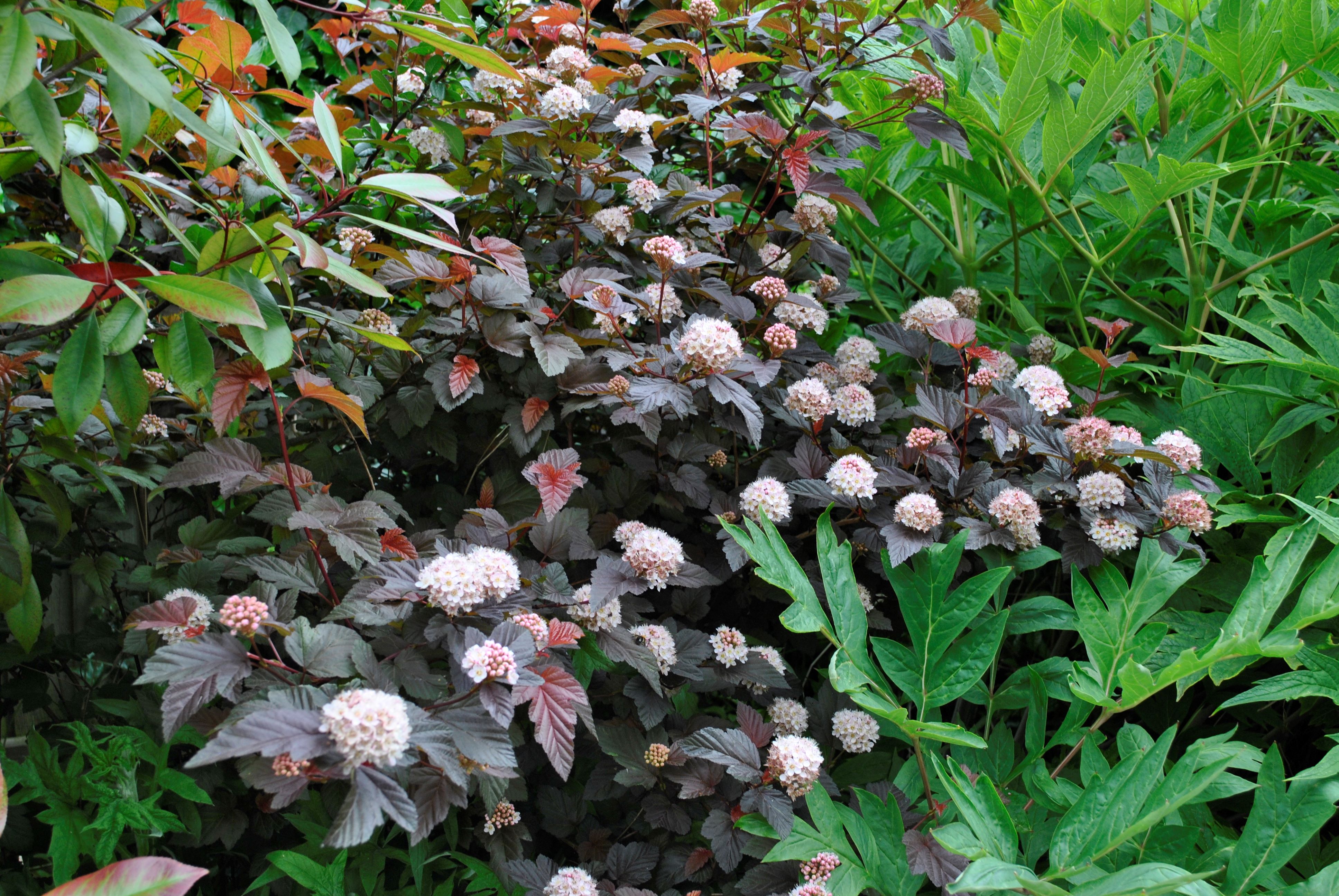
The dainty little Physocarpus opulifolius ‘Lady in Red’ is in full flower but getting swamped by a huge Photinia on one side and an even bigger yellow Tree Peony on the other. However, I love the contrast of shapes and colours in this shrubbery border.

The majestic spires of Delphinium ‘Black Knight’ are now well over 2m tall and at risk of getting snapped if we get any strong winds, which is what normally happens! They are supported with hoops but these provide the perfect snapping point! In the meantime the bees are having a great time.
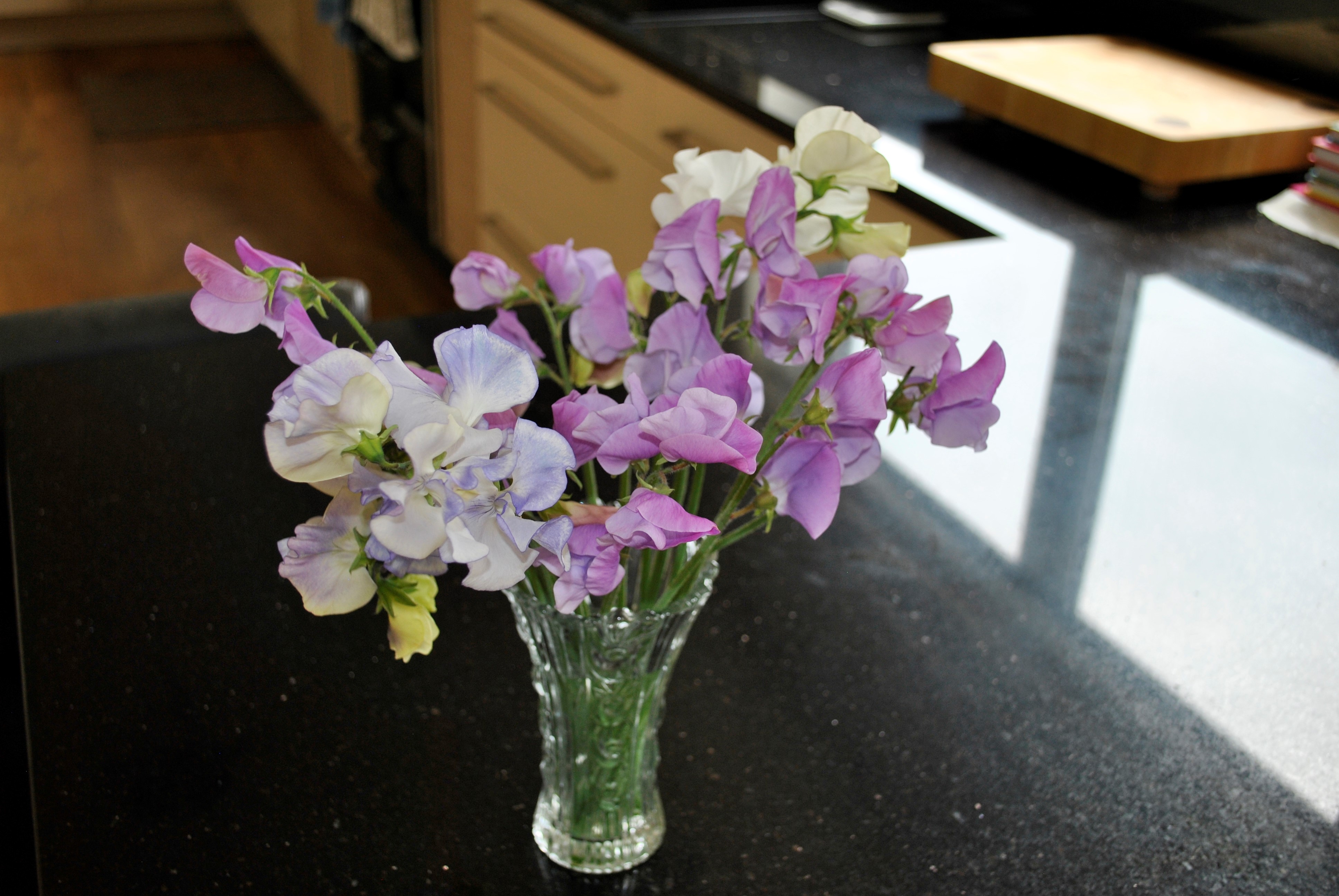
I have been picking my autumn sown sweet peas for two weeks and they are coming thick and fast so I am cutting a bunch every other day. The scent in the kitchen is overpowering! I suddenly remembered why I love gardening so much!

Have a great weekend

David

Six on Saturday

I have been absent for a couple of weeks due to holidays and a very poorly wife who contracted a nasty dose of Covid courtesy of Easy Jet! Air travel still carries risks, and several friends have succumbed to the pesky pandemic in recent weeks. On a lighter note, Dahlia ‘David Howard’ looking resplendent in the morning dew and new to me this year, but I am disappointed to find that the flowers do not go over well, hanging on in tatters unless I am extremely diligent with deadheading, removing the spent flowers as soon as they go over. This is a shame as I love the beauty and art of the flower.

I have a love-hate relationship with Ivy. It is making a takeover bid on my western boundary fence and is quite a nuisance. However, when it matures and turns arboreal, the flowers are a magnet for bees, wasps, and butterflies at this time of year, and the black fruits are a favourite of Blackbirds in the winter. On mild days it is literally buzzing with life. I think the wildlife will win this one!

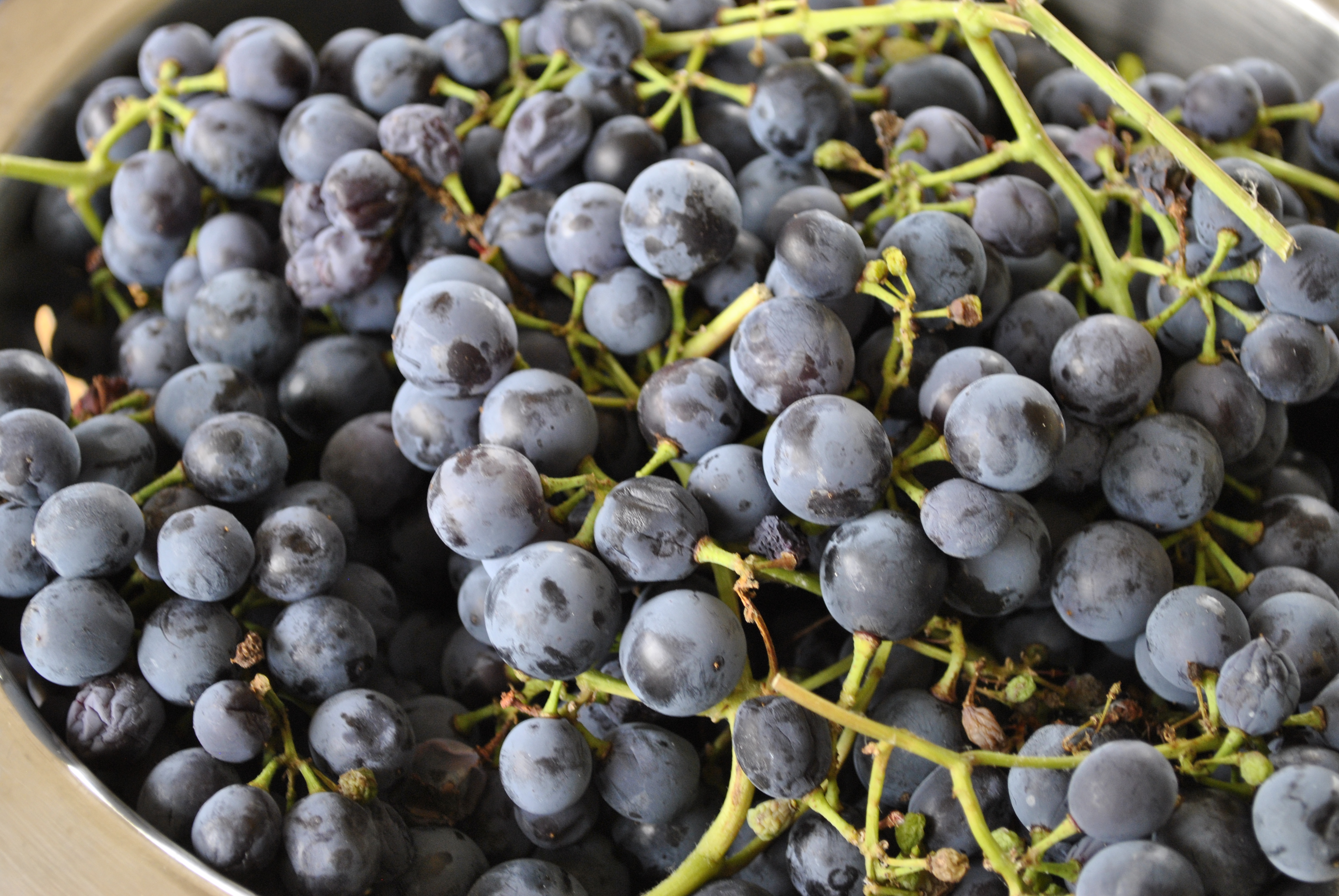
It has been a bumper year for grapes and the harvest from my single vine was 11.3kgs which is astonishing. The variety is Vitis labrusca ‘Isabella’, the Pink Fox Grape, predominantly used for jam making in the US but sweet enough to eat as a dessert grape, if you don’t mind the pips!.

The fruits look more like blueberries than grapes!

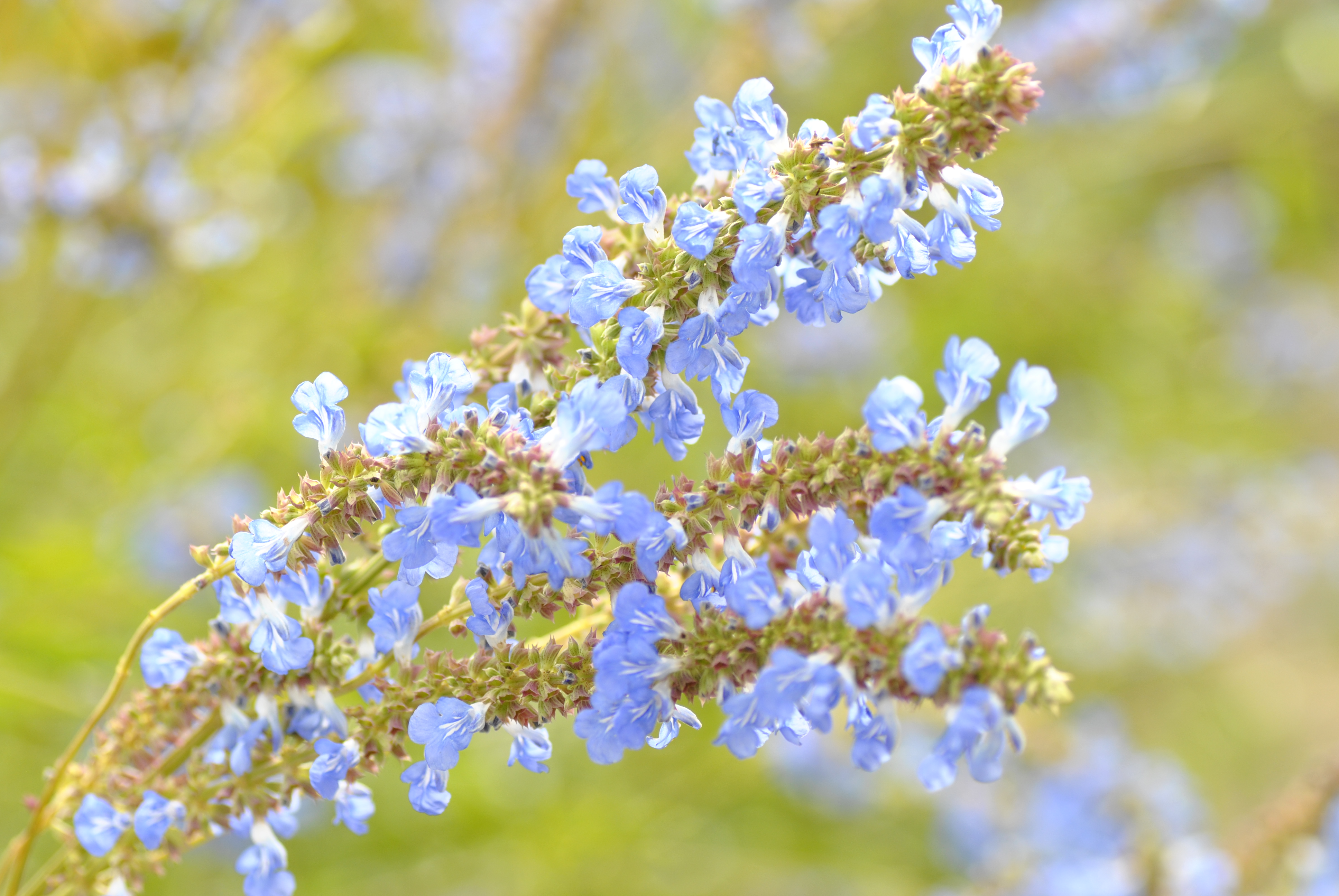
The stand out pollinator food plant this year has undoubtedly been Salvia uliginosa, which has constantly been covered in bees, particularly bumble bees, since May and is still going strong. It is very tall and ethereal, swaying in the slightest breeze, but the bees hang on determinedly. As I have mentioned previously, due to their size, the bees do not enter the flowers, they make a hole in the base from the outside to sip the nectar. Clever little bees!

We all make mistakes! Some years ago I planted one small pot of the tall grass, Miscanthus sinensis, at the back of the shrubbery where I naively thought it would stay and provide a nice backdrop for other, shorter shrubs. It has now spread throughout the shrubbery, popping up everywhere and taking over. A real survivor, it is totally bombproof and makes the very best of whatever conditions it finds itself in.

The seedheads are also beautiful at this time of year and will stand throughout the winter, looking particularly good after frost.

Another casualty of last year’s harsh winter was my only remaining Canna ‘Tropicana’ which I leave in the ground under a good mulch of compost. This would usually flower in August but here we are in October and it is only just beginning to flower. It only has two flower spikes this year instead of the usual three or four which probably means part of the enormous tuber turned to mush due to the cold and wet.

Finally, surely the purest white of all pure whites, (with just a hint of green!) Lathyrus latifolius ‘White Pearl’, planted many years ago and almost forgotten until these perfect, but unscented, everlasting Sweet Pea flowers adorn the arch over which they mingle with the delicate pink rose ‘Dorothy Perkins’.

Have a great weekend

David
Six on Saturday

Obviously, the intense heat has been the main topic of conversation this week and, for gardeners in particular, it has been difficult to cope with. Many of my potted plants have become dehydrated and flopped before I noticed, but a good drink and they all revived fairly quickly. I always worry about the longer term damage it might have done though, I am sure that like us, a sudden and debilitating change in health can’t be good for them. However, we keep calm and carry on watering!

The ‘Pink Fox Grape’, Vitis labrusca ‘Isabella’, has produced a good crop of sweet purple fruit almost ready to be picked and made into grape jelly. I am not a winemaker, and even if I was there is only enough fruit for a few bottles, but these are sweet enough to be eaten as a dessert grape as well, lovely with a bit of cheese, yum.

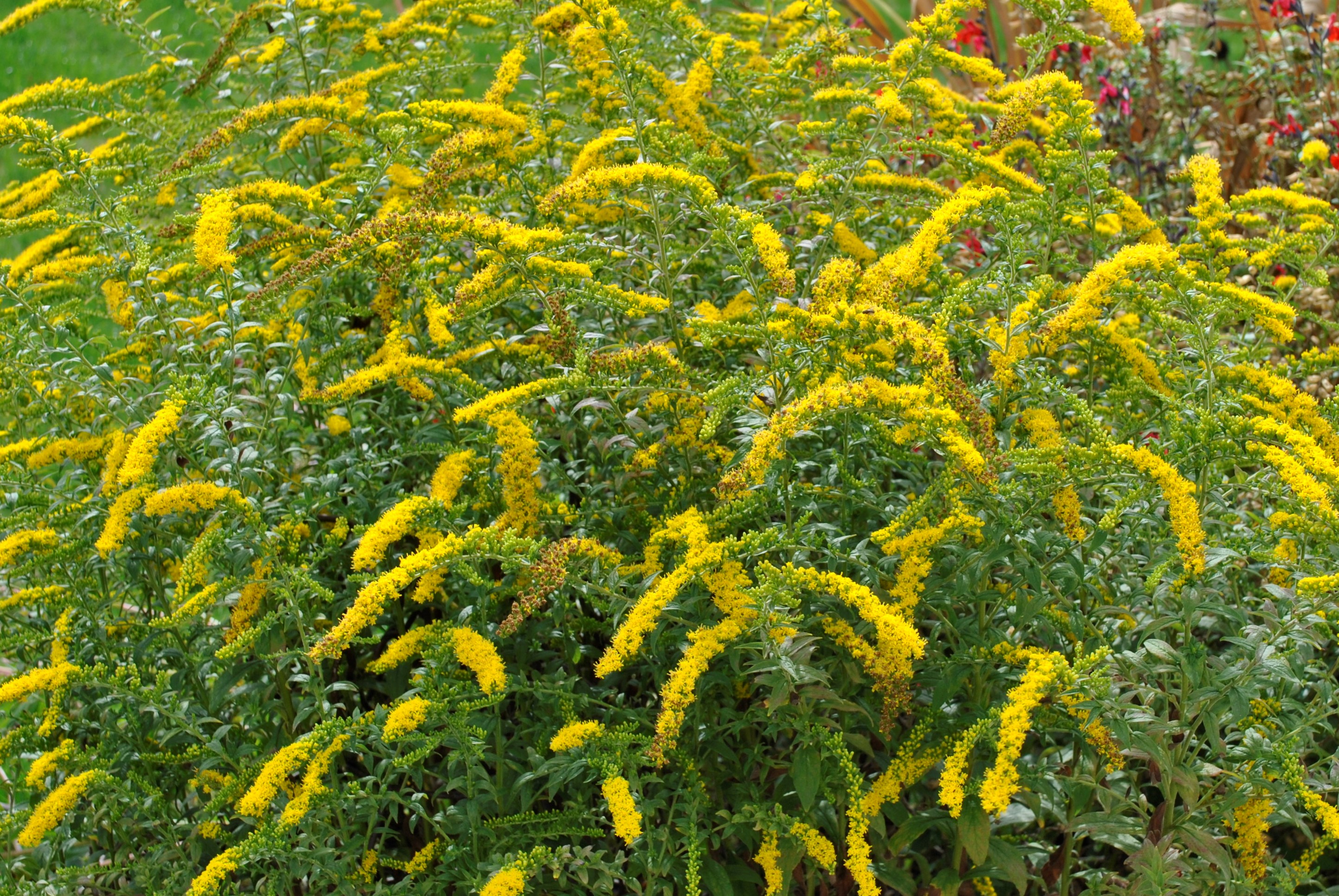
For those who don’t like Golden Rod, this is its refined cousin, Solidago rugosa ‘Fireworks’, which works well in late summer and early autumn with blues and purples like Symphyotrichum and asters, Salvias and even Cosmos. It is a fuss free hardy perennial which literally erupts in all directions with long-lasting spikes of yellow florets which are adored by bees and other pollinators.

The second flush of Delphiniums is never quite as good as the first but still impressive and the slugs don’t seem to bother with the new shoots at this time of year. I only cut these back to the ground in late July so not bad in just 6 weeks.

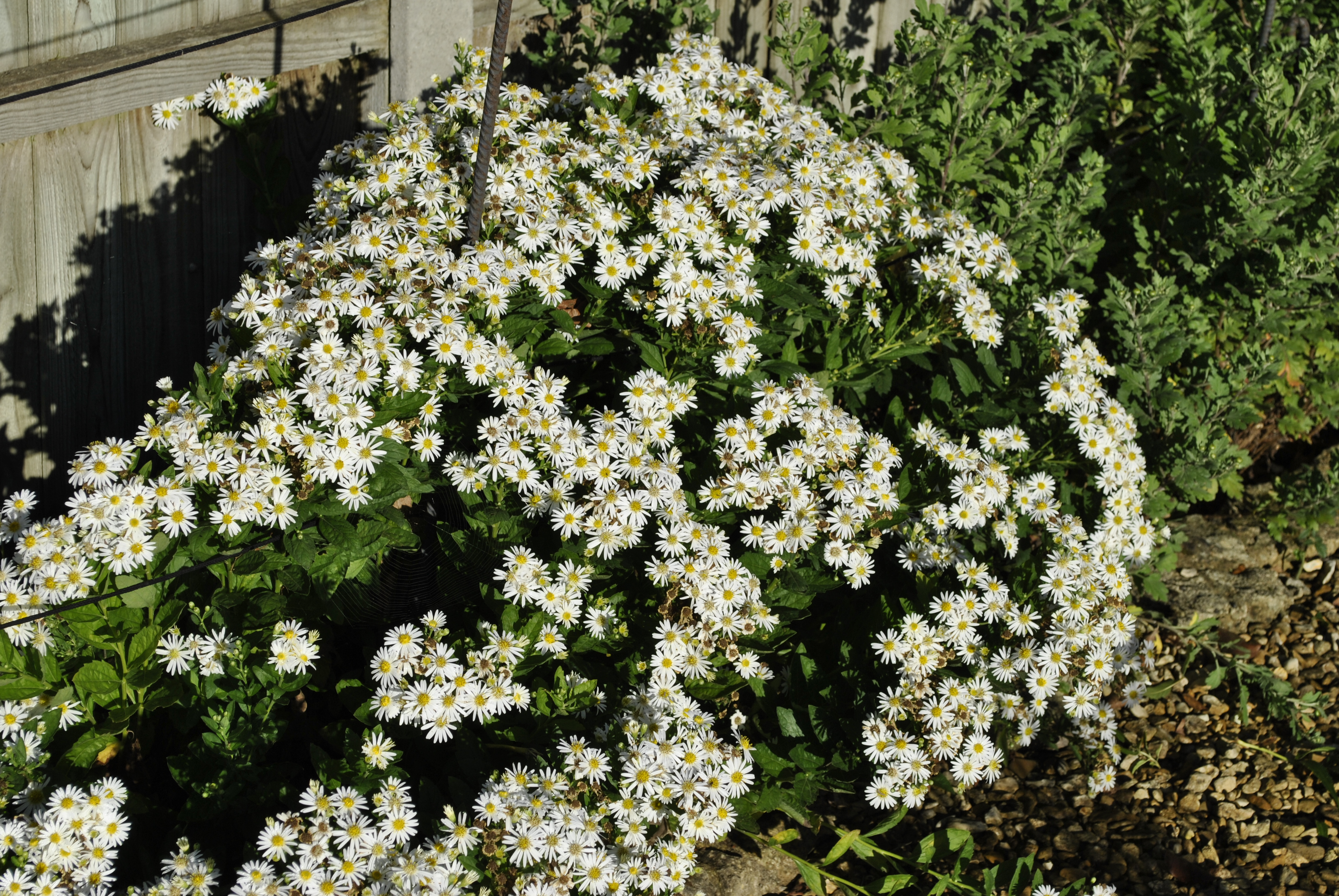
The Asian aster, Aster trifoliatus subsp. ageratoides ‘Stardust’, is a hardy, low maintenance and reliable, spreading perennial. In late summer it produces clusters of dark green leaves topped with masses of pure white daisy flowers with bright yellow centres. Very easy to grow and easy to create new plants from the underground spreading runners. I started with one plant and now have twenty and that’s on top of the dozens I have given away to unsuspecting friends and gardening club members!

Following on from last week’s mention of the beginnings of autumn colours, the Liquidambar styraciflua ‘Worplesdon’ has now produced the most delicious range of reds, oranges, browns and fawns as the tree slowly begins to slip into dormancy for another year.

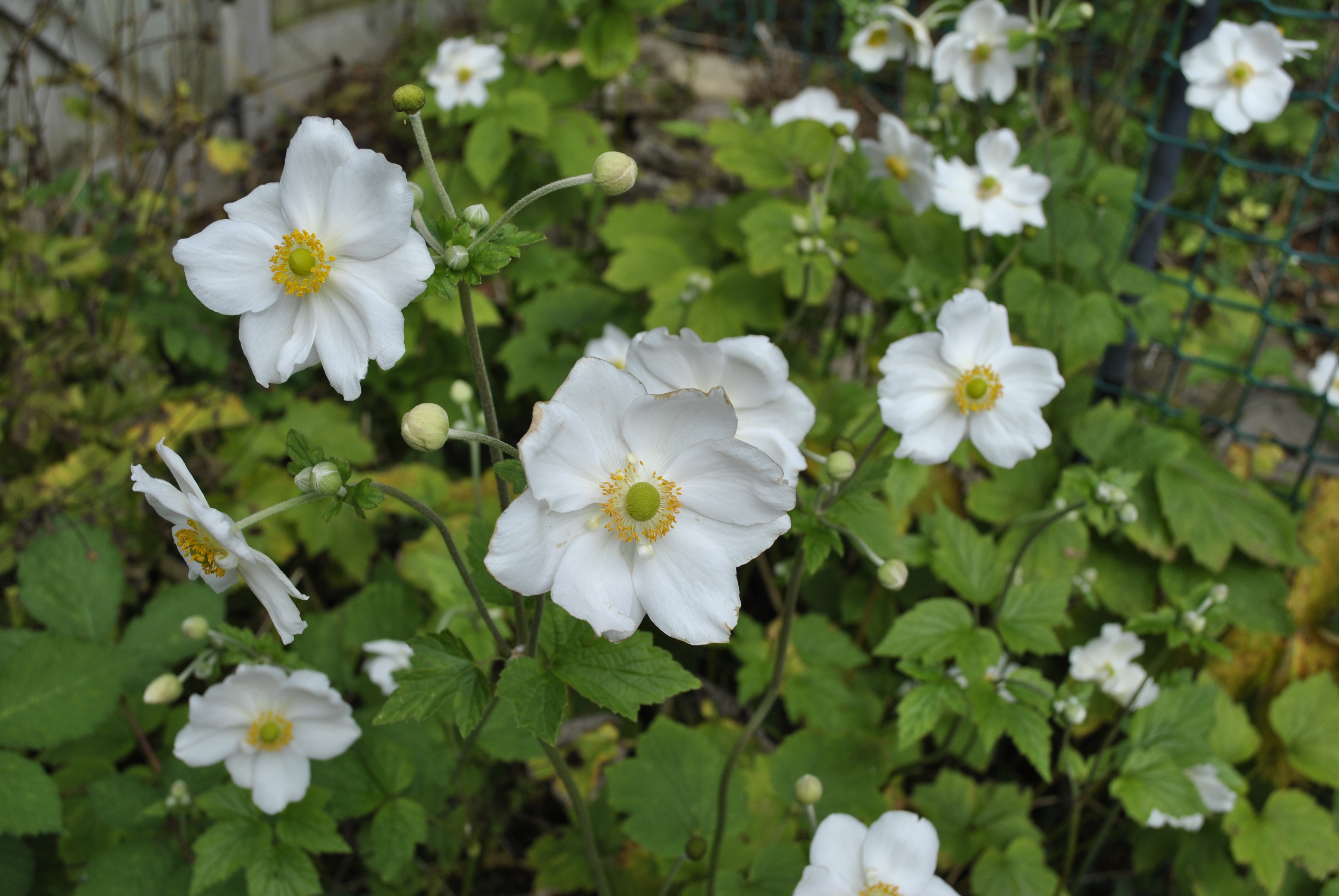
Finally for this week the lovely Japanese Anemone ‘Honorine Jorbet’ which is delighting me with her beautiful pure chalky white flowers with green centres surrounded by bright yellow stamens and anthers. Simply a wonderful combination on a plant that enjoys the dry shade and gloom of a north or east facing garden or border.

Have a great weekend and keep cool. Rain is on the way!

David

Six on Saturday

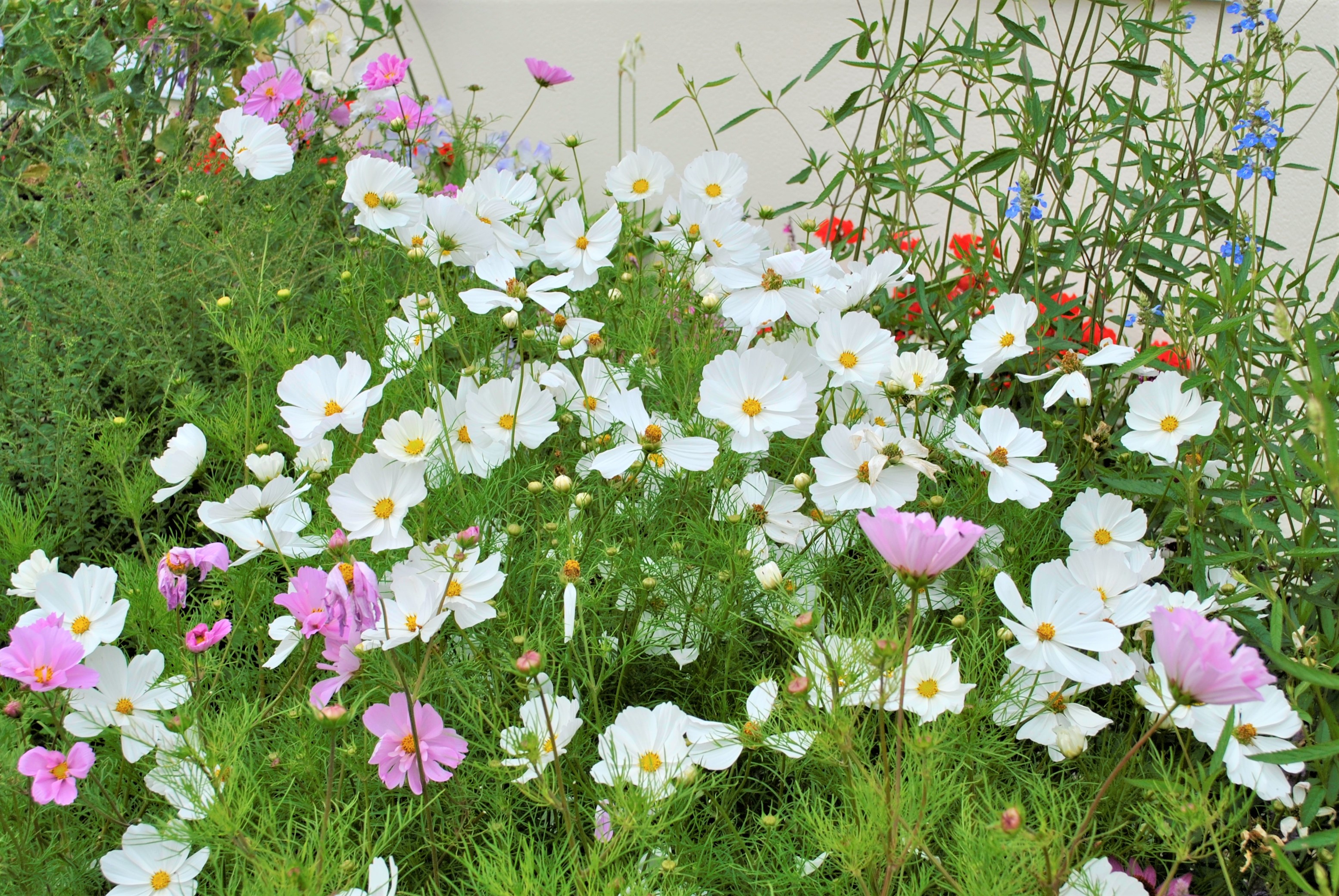
We were lucky that Storm Antoni came in like a lamb and went out like a lamb in Cheltenham last weekend, with a lot of rain but very little damage. Fortunately, the forecast high winds never materialised so the garden was relatively unscathed otherwise things like this Cosmos would have been devastated. The soil in the front border is too rich for them really so they produce too much foliage at the expense of flowers but they still put on a good show. It is a laborious task but carefully deadheading them keeps them flowering for longer. and keeps them looking good. I leave a few seedheads towards the end of the season to collect for next year.

It looks like storm damage but, in truth, it was just the sheer weight of fruit that brought down my rather old and flimsy support structure for the Merton Thornless blackberries. It’s a little more awkward now but I will pick the fruit and rebuild it in September to tie in the new canes.

The grapes are coming on nicely and should produce a huge crop this year. It is Vitis labrusca ‘Isabella’, the pink fox grape, the variety they use in the USA to make Grape Jelly which is often combined with peanut butter for a tasty snack. It is both a dessert grape and and a wine grape so I plan to start my own vineyard!

I am the only garden in my road to have a hanging basket this year! Maybe they are no longer fashionable, or perhaps it’s just the constant feeding and watering that people have found too much. They are a tie though, even if we go away for a weekend I have to ask my neighbour to water it each day. I cram so many plants into a 14″ basket that the thirst for water must be immense and now the pelleted feed has almost certainly been used up, it requires liquid tomato feed at every other watering. Mind you, I do love it and feel it is worth the effort. A miniature miracle!

Why do Hollyhocks insist on growing in the most awkward places! They seem intent on finding a tiny crevice against a wall or fence or, as in my case, up against the purple beech hedge. I hasten to add that I have never planted any myself, they have migrated from next door where they run riot against the house wall in dry, inhospitable conditions which would normally never support life of any kind; even the weeds die of malnutrition.

A plant I am often asked about in the garden is Catananche caerulea or Cupid’s Dart as it is commonly known. It is a short lived perennial but best treated as an annual or biennial. I have it in this blue/purple and white from a packet of seeds I received in a seed exchange several years ago. It forms a lovely papery flower bud which is very popular with flower arrangers and lasts for weeks. If it’s happy in your soil, it will self seed and you will have it forever, like Nigella or bittercress!

Have a great weekend.

David

Six on Saturday

So excited! My immature Fox Grape, Vitis labrusca ‘Isabella’ has produced one bunch of beautiful sweet fruits which will be picked and eaten in a few days. Now I have to find somewhere in the garden to put it. It has survived in a large pot for three years, but now it is bearing fruit I will have to find it a permanent place against a sunny wall to train it as the growth next year will be substantial and it will be starved of water and nutrient in a pot.

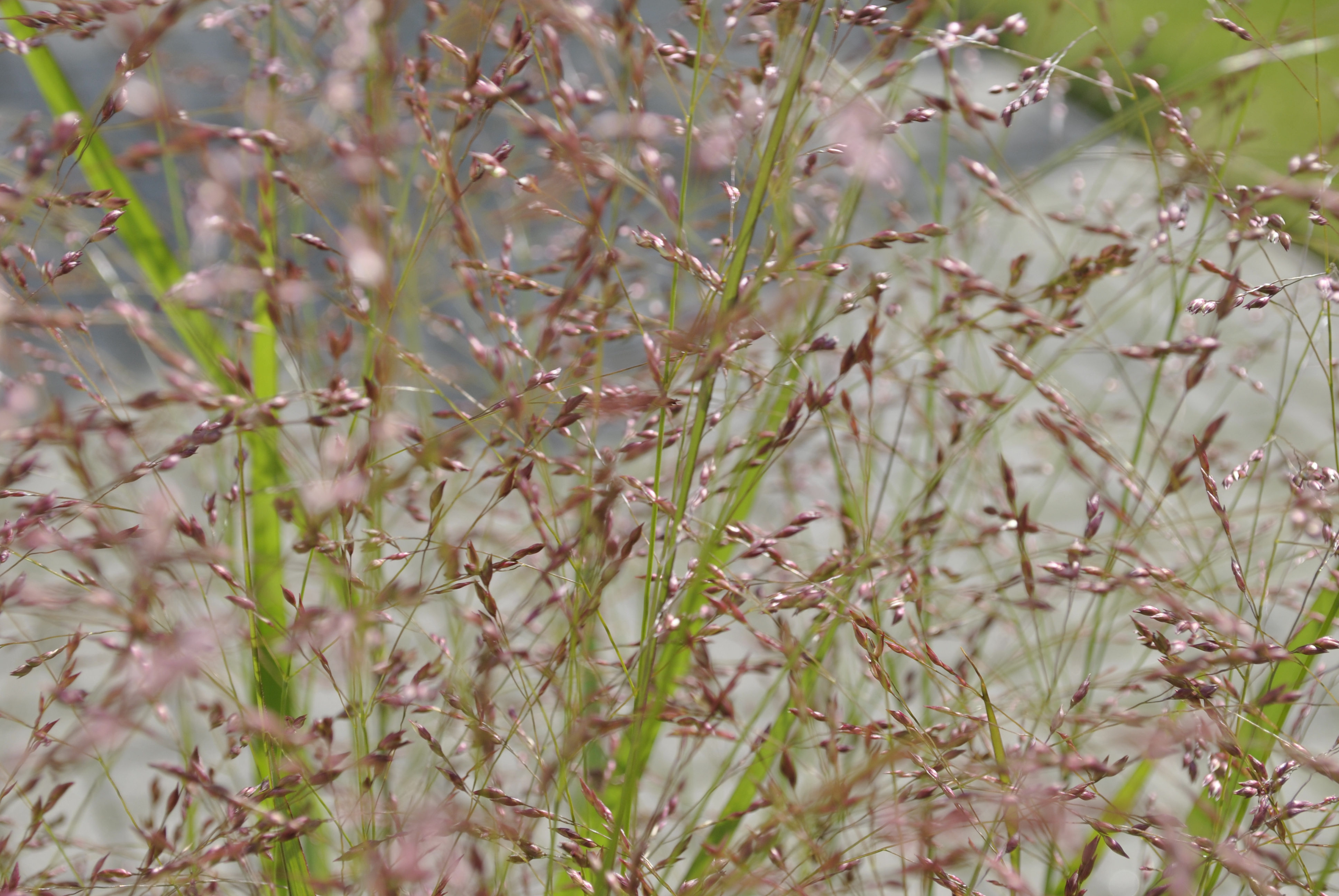
Grasses are difficult to photograph! This beautiful Panicum virgatum ‘Purple Tears’ is a case in point. Chest high and wide, it is at its peak now with wonderful photogenic seed heads that sway in the slightest breeze but on which the camera struggles to focus! Still, you get the point!

I have stopped growing Symphyotrichum as I found them weedy and needing support, often attracting mildew and generally unattractive. This one, however, is dainty and low growing Aster ageratoides ‘Stardust’ which is a healthy, well behaved, self supporting species aster which slowly spreads to form an attractive colony of pretty white daisies in September and October. It is loved by pollinators and provides plentiful nectar just at a time when most summer flowers are going over. Very easy to propagate by division or semi-rooted cuttings, totally hardy and as one knowledgeable nurserywoman pointed out to me, hides its dead flowers with new ones!

Still going strong and showing no signs of slowing down, Diascia personata continues to provide colour in various spots in the garden. This was a leftover cutting from last year and has been in flower since May in a pot. In the ground they can get quite tall and need supporting to stop them flopping and swamping adjacent plants, but they do less damage in a pot!

Another difficult subject to photograph is this Solidago rugosa ‘Fireworks’ which, as the name implies, shoots off its flowers in all directions in a wonderful display which goes on for weeks and weeks. Another easy late summer/early autumn border filler which goes particularly well with purple Symphyotrichum at this time of year.

Still a few cornflowers about. Was there ever a more true blue flower?

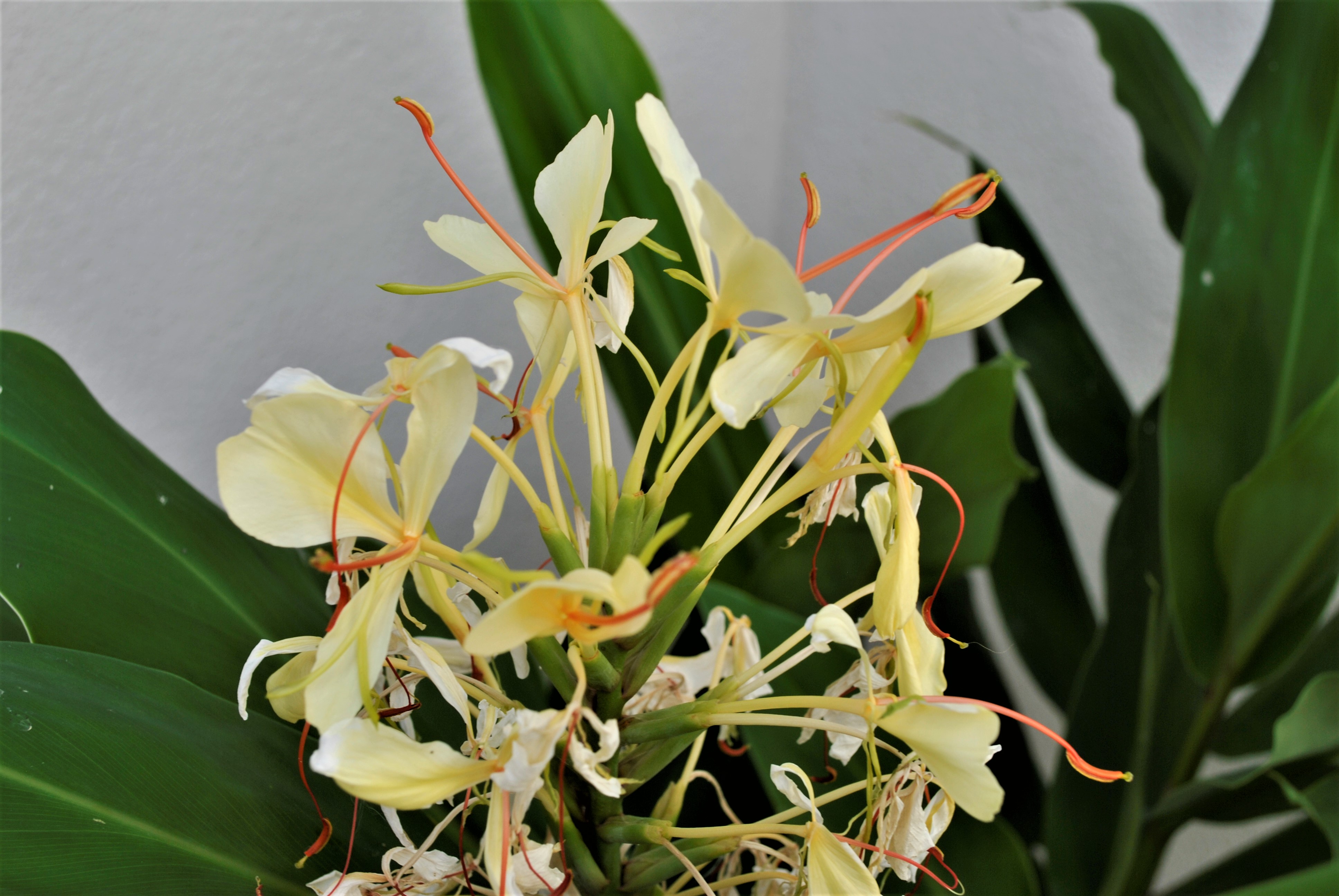
My first time growing some ginger lilies, this one is Hedychium flavescens with its spidery, heavily sweet scented blooms and spear-like dark green leaves which bring a tropical look to the late summer border. Surprisingly easy to grow from their fleshy rhizomes and undemanding in pots, they would do well in a conservatory but are hardy enough to be grown outdoors with a little winter protection.

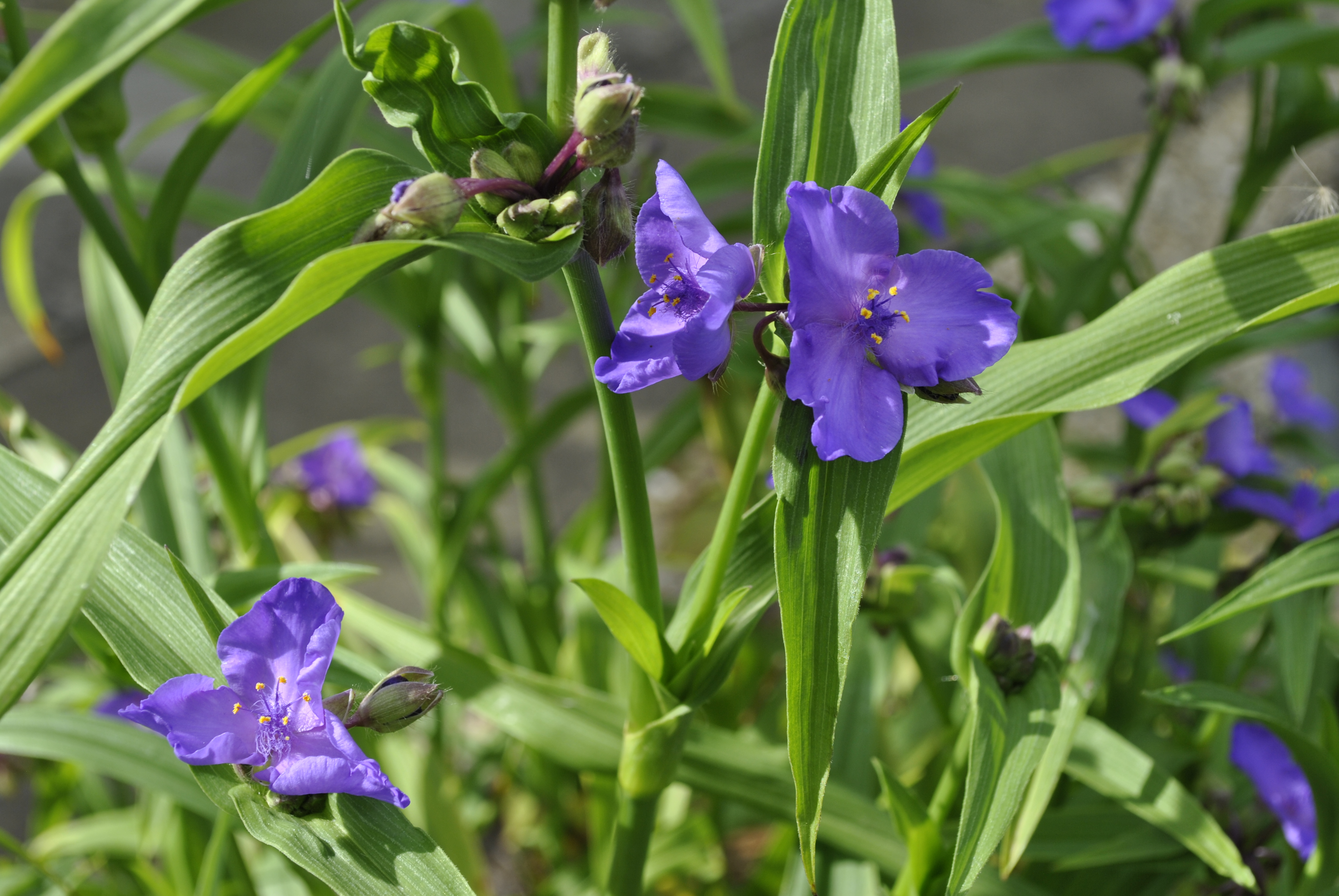
The last few flowers on my Tradescantias before they are cut back this weekend. It has been a great first year for my new hobby which received National Collection status from Plant Heritage earlier this month. I have currently amassed over 40 species and cultivars of T. virginiana and T. Andersoniana Group which is roughly three quarters of those available in the UK but I am keen to find a way of bringing others in from the USA if and when phytosanitary rules allow.

Have a great weekend

David

Six on Saturday

It’s been raining here in Cheltenham for the last two days so my photos had to be taken between showers. However, the Echinacea pallida enjoyed the welcome rain and perked up a treat. Their downward facing petals look odd but are the defining feature of this species of Echinacea. My ‘White Swan’ have all disappeared and my purpurea drastically reduced, but pallida goes from strength to strength. Looks good with the Monarda too.

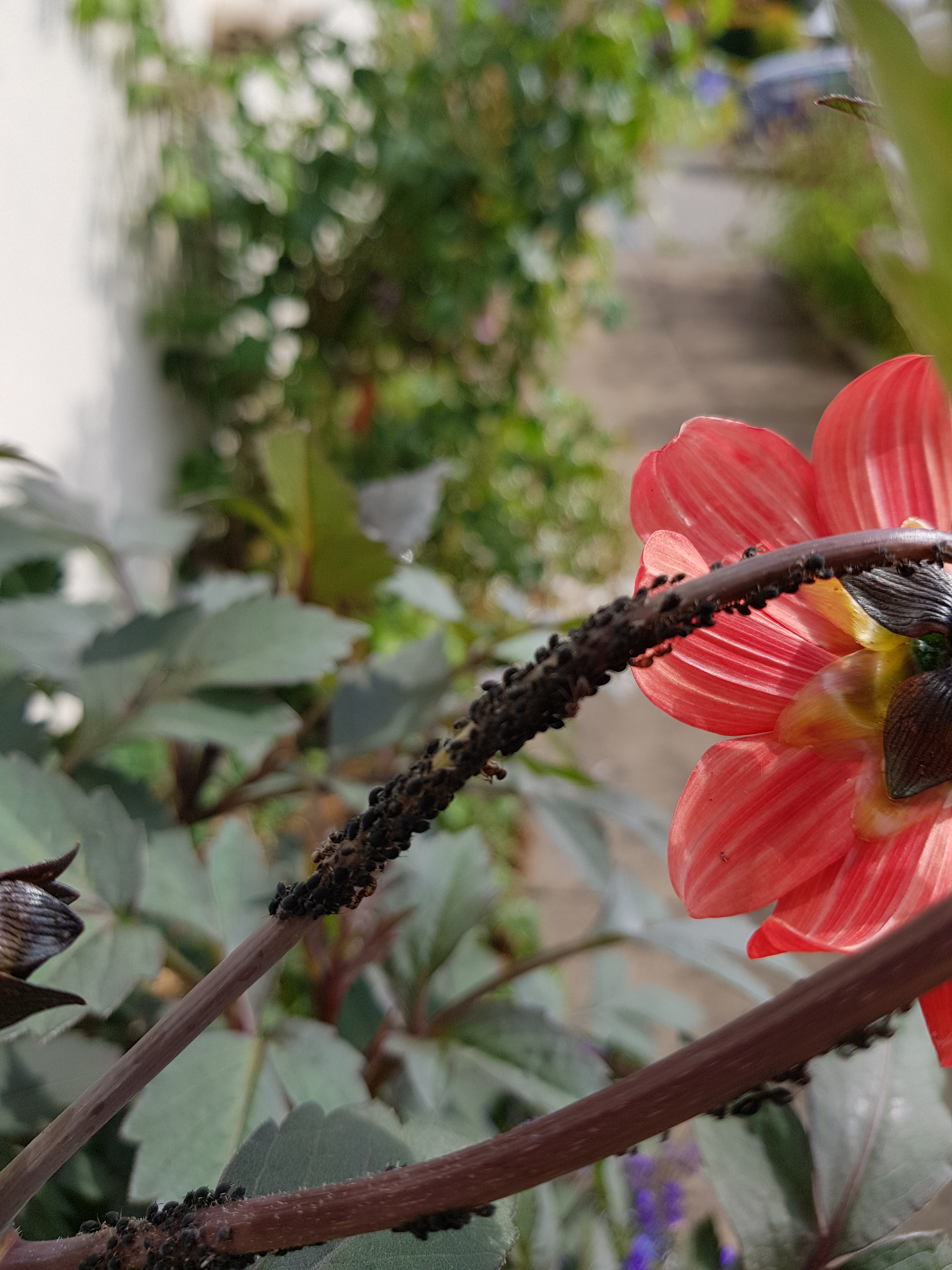
I am trialling Dahlia ‘Bishop’s Children’ for Which? Gardening magazine to see how they perform in containers and to see which colours attract the most pollinators. Unfortunately, they seem to be attracting more blackfly than pollinators at the moment! Time to squish!

I have to confess, I was stupidly excited at seeing the first grapes forming on my little Fox Grape, Vitis labrusca ‘Isabella’, and wonder if they will actually become tasty, sweet pink grapes. Watch this space!

The Merton Thornless blackberries are turning colour a little later than usual this year, presumably due to the unseasonal weather in May, but are very welcome, particularly to the hungry blackbirds! It’s a bit of a race each morning to see who gets there first! Mind you, there’s enough to go round and you can only eat, freeze and cook so many blackberries!

Japanese Wineberries are coming thick and fast too. The bright red shiny, sticky sweet little jewels are not so prolific as raspberries or blackberries but they are delicious on our morning granola.

‘Moneymaker’ tomatoes are very late ripening, probably due to the rubbish weather, but we should have been picking for a few weeks now. Not that we have been having too many salads this year! Disappointing, but things might have been different if they had been in a greenhouse. I like to grow mine outdoors for good pollination, and in the ground rather than pots or growbags despite the risk of blight. At least a month behind though!

Well, that’s my six for today

Have a great weekend and I hope it stays dry for you.

David