Six on Saturday

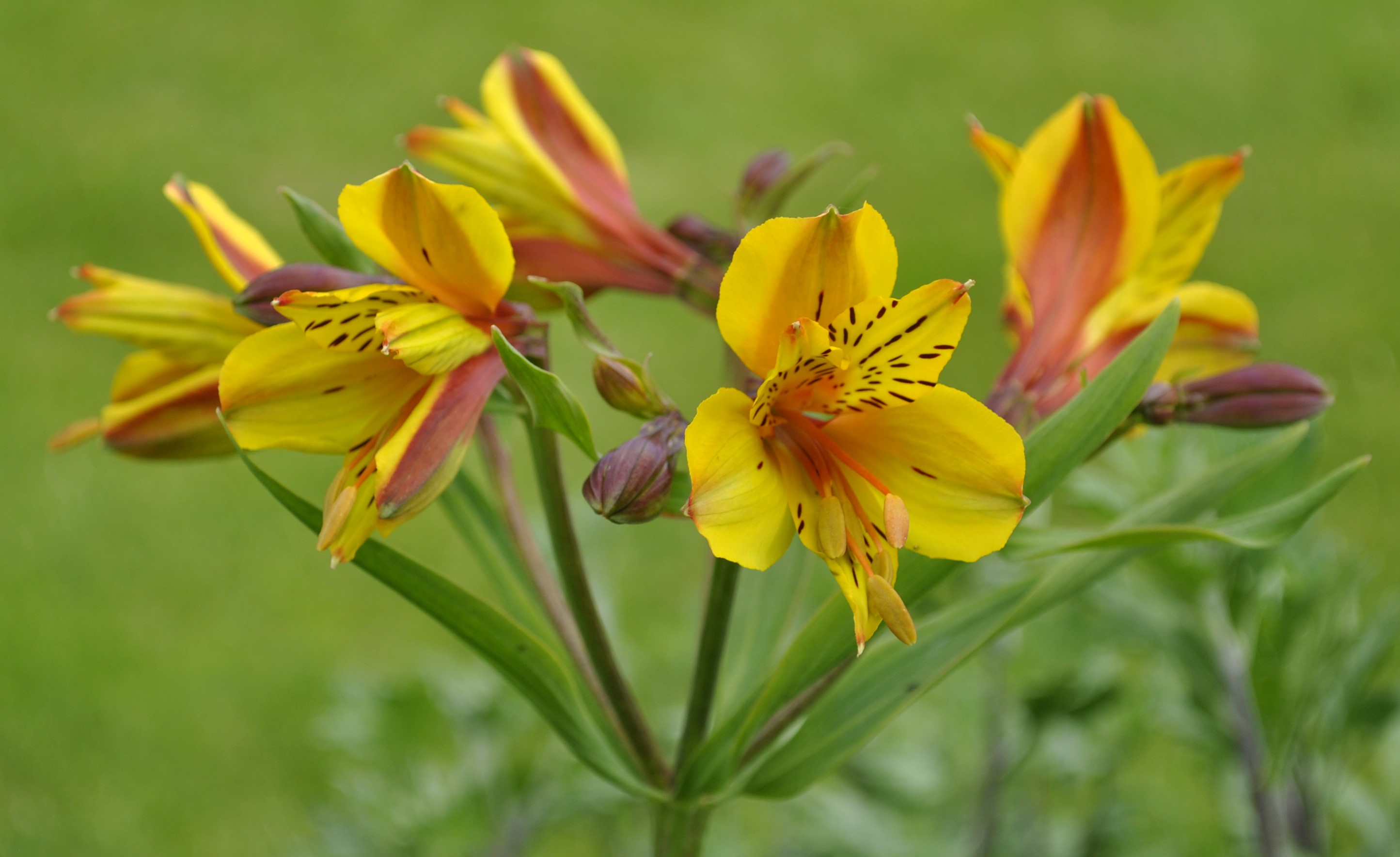
Six lovely things for a rainy Saturday, starting with Alstroemeria ‘Princess Sophia’, of which I am a Plant Guardian for Plant Heritage. This means that, for some reason, known only to the Nursery trade, this cultivar has gone out of favour and is no longer being sold. It is in danger of becoming obsolete, so we try to stop that happening by propagating and passing plants to others to look after and do the same. Worth keeping I think.
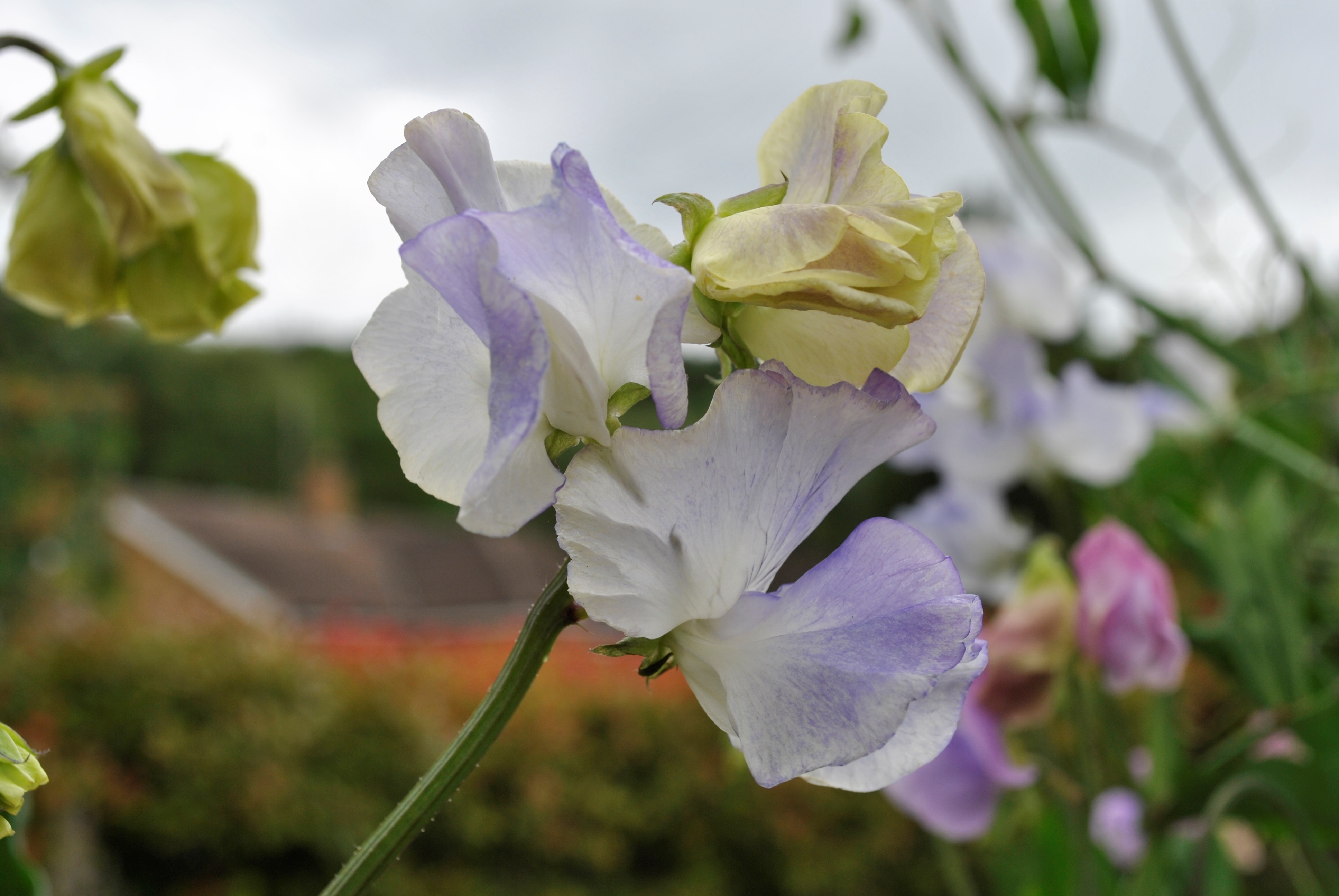
Sweet Peas are one of my favourites and there is simply nothing better than the scent of a bunch on the kitchen window cill. This one is ‘Betty Maiden’ which I trialled for Which? Gardening magazine in 2019 and have grown every year since from saved seed. Like most members of the pea family, it is self pollinating so you won’t find the bees swarming all over it like most open pollinated plants. Fortunately though, this means they will come true from seed, keeping the cultivar going forever.
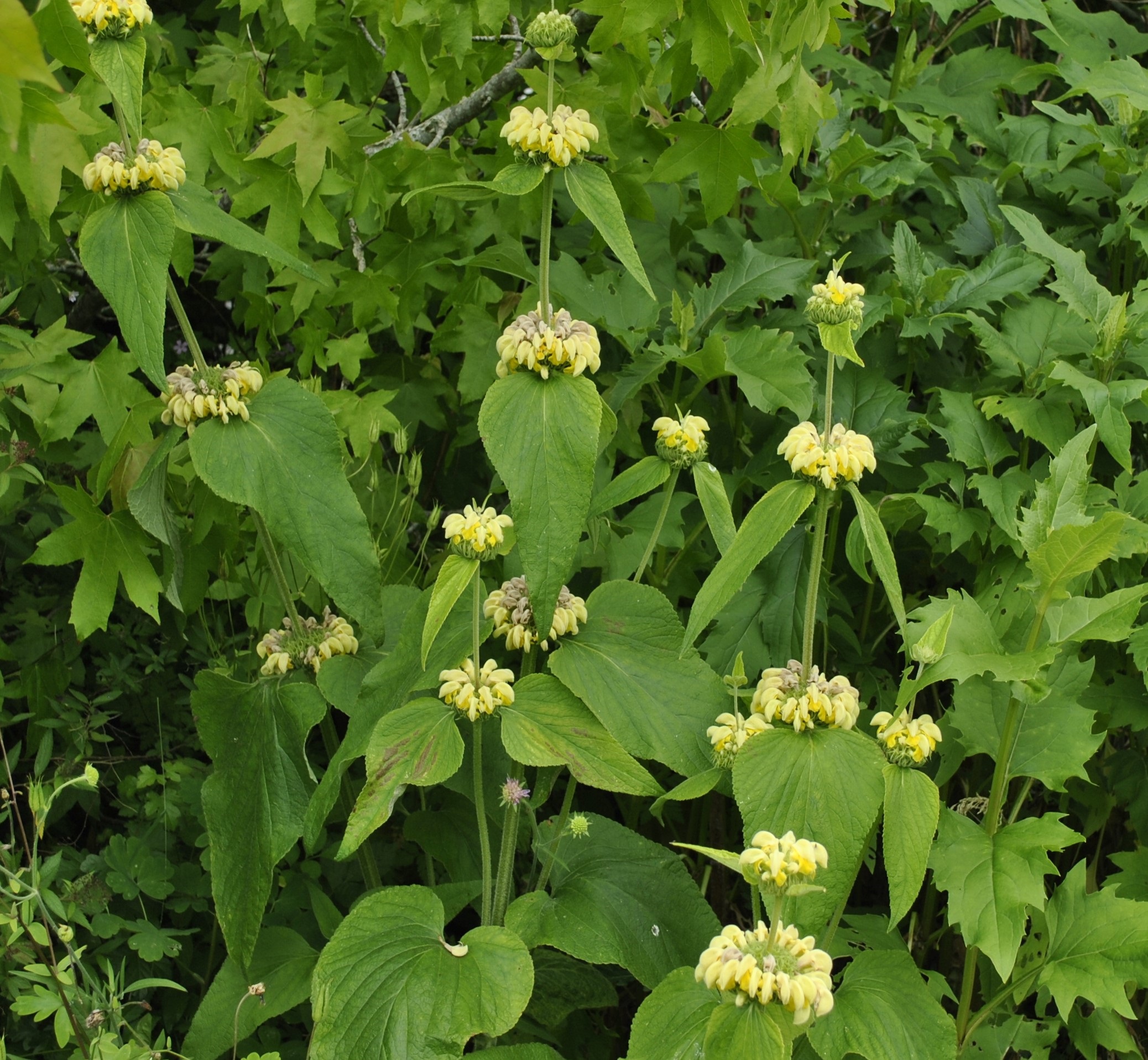
I sowed seed of Phlomis russeliana many years ago which did well and have gradually self-seeded in various parts of the garden, mostly in places I don’t mind. They seem to like the company of other plants and squeeze themselves into tight spaces. For what is supposed to be a Mediterranean sun lover, they certainly like my clay!
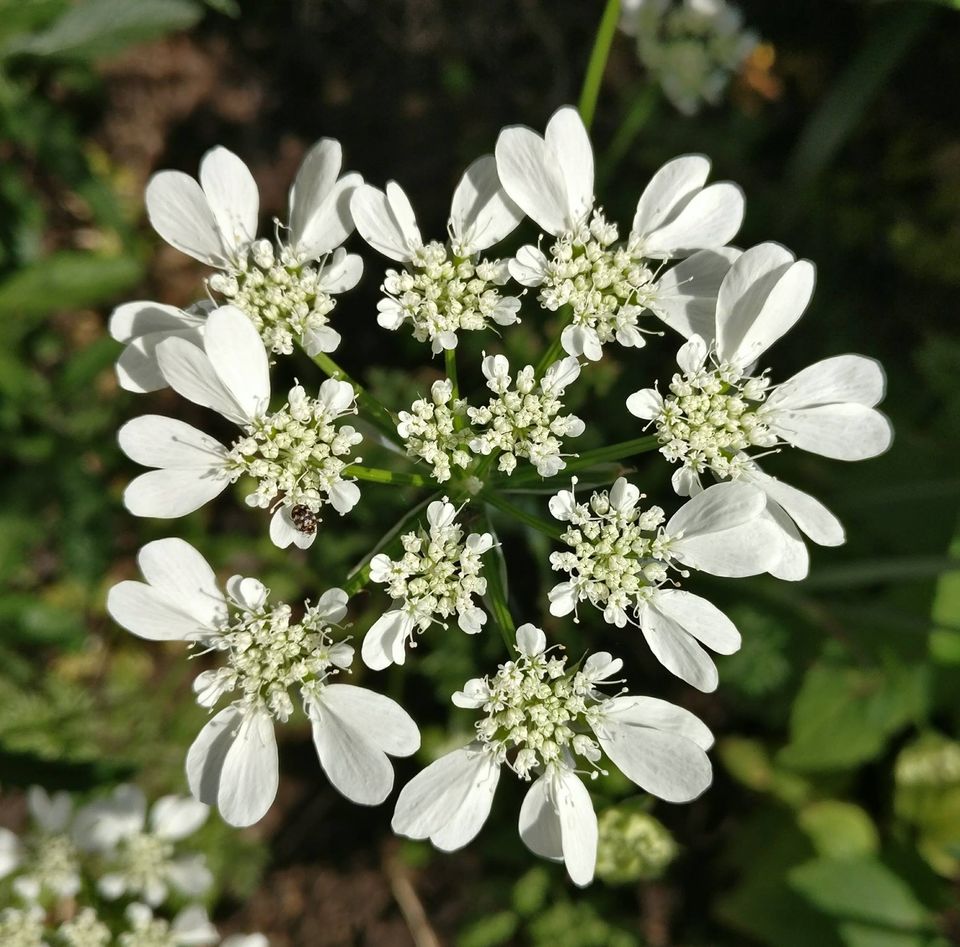
There is a lot of Ammi majus around at the moment which, to me, is just posh cow parsley. But this is different. Orlaya grandiflora, the White Lace Flower, is exquisite in it’s delicate design and composition. Like mini lace handkerchiefs on a creamy white flat umbellifer flowerhead. Nature at her beautiful best.
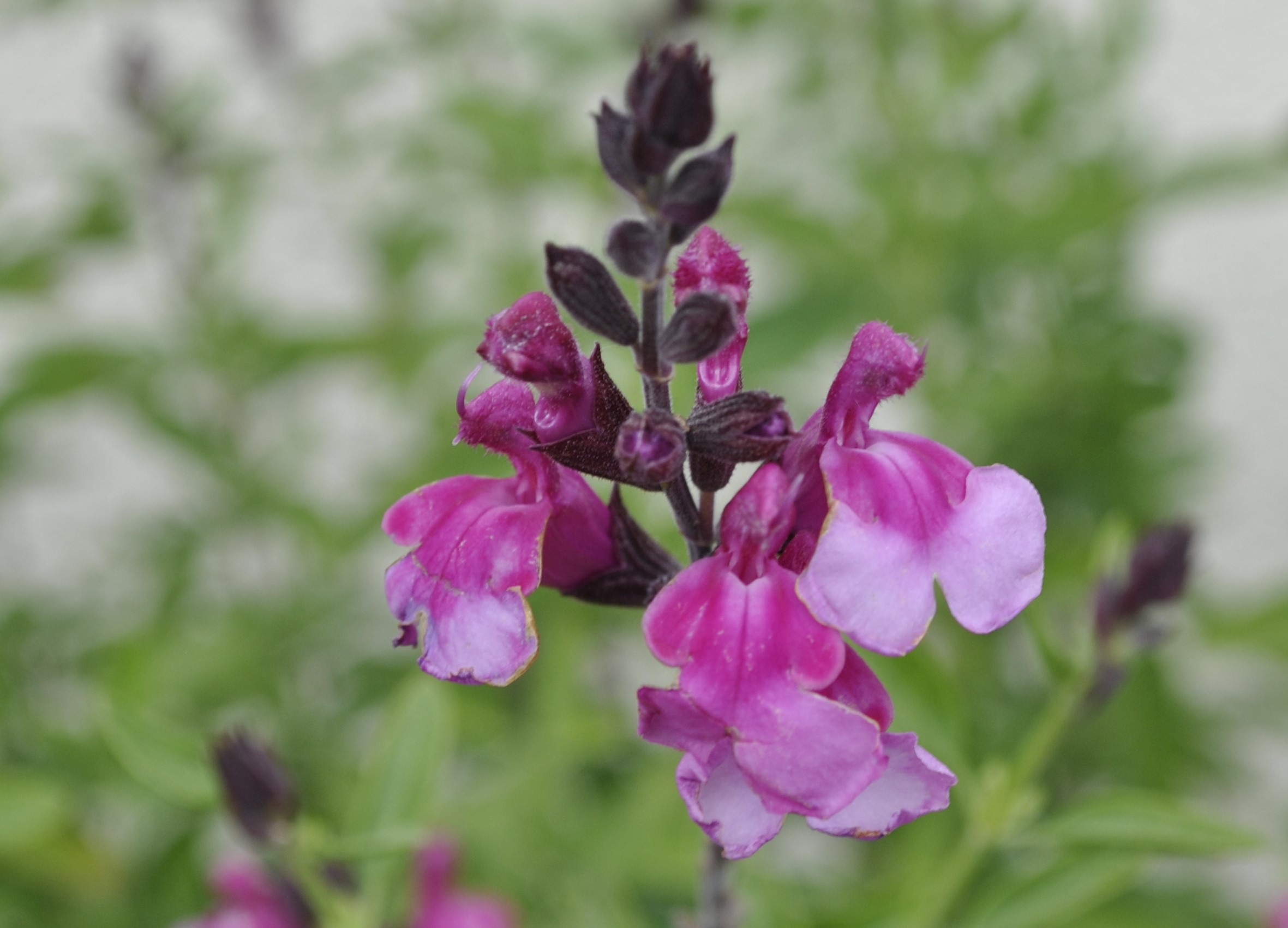
There are hundreds of shrubby salvias available and they are all good, but some are better than others. Personally, I think this is one of the best, Salvia greggii ‘Icing Sugar’ which is a double pink variety emerging from dark, almost black buds. Given to me last year by a friend, it is thriving in a pot at the moment while I try to find a space for it!
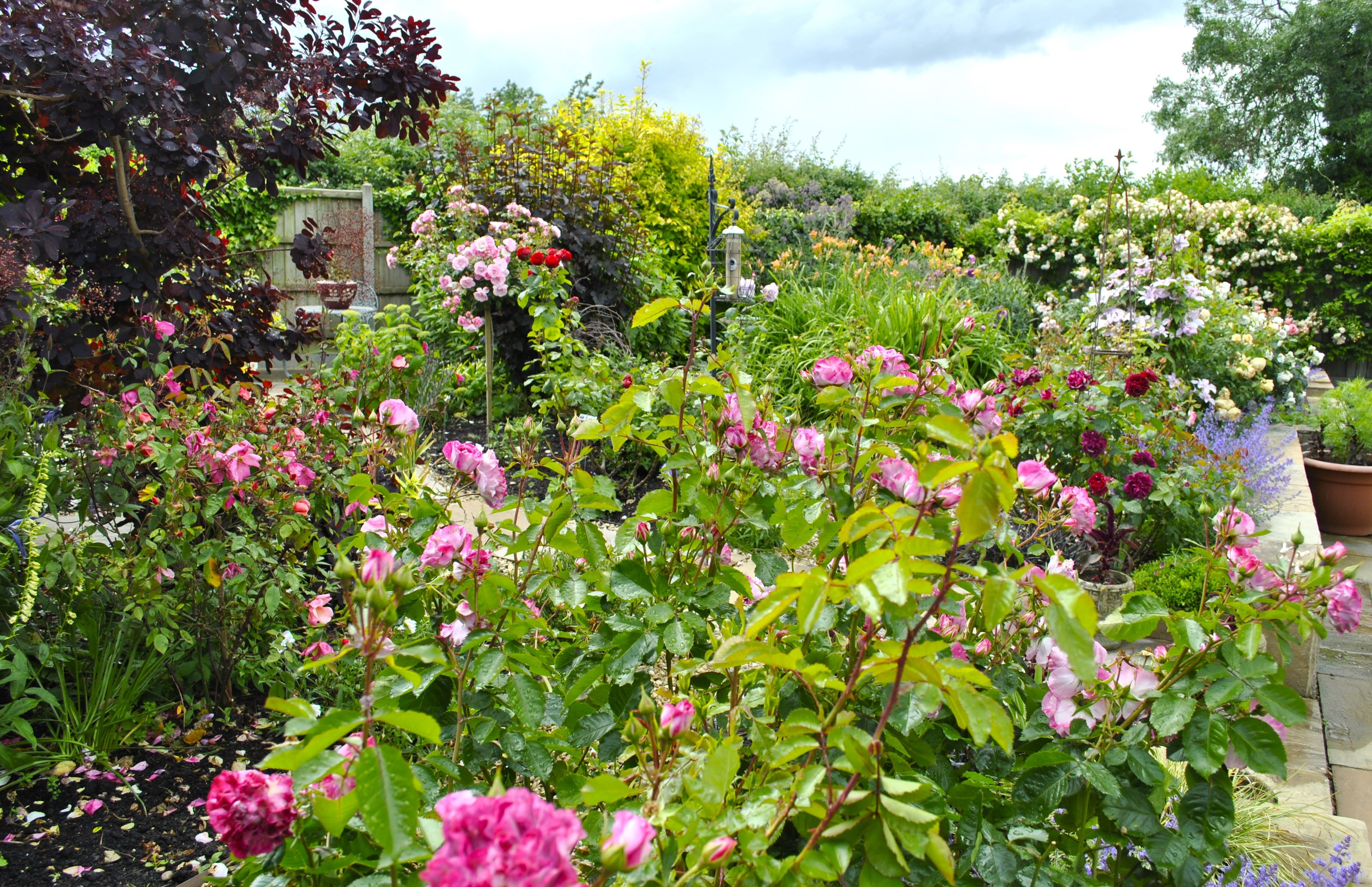
The rose garden is looking good so far this year. The rain has certainly helped, and I am using Uncle Tom’s Rose Tonic this year to try to ward off the dreaded blackspot. Only two sprayings so far, but they do look healthier than last year. I don’t use insecticides in the garden as the Blue Tits do a wonderful job of clearing the early aphids and caterpillars in May to feed their youngsters. And the Robins are already on to their second brood!

Have a great weekend

David

Six on Saturday

It’s been a week of mixed weather but Thursday and Friday were glorious autumn days, warm sunshine, no rain and no wind. A lot of clearing up was done, plants were lifted, divided, re-potted and real gardening was finally achieved. I felt so much better, the garden looked much better and then it all went back to normal this morning! More rain……

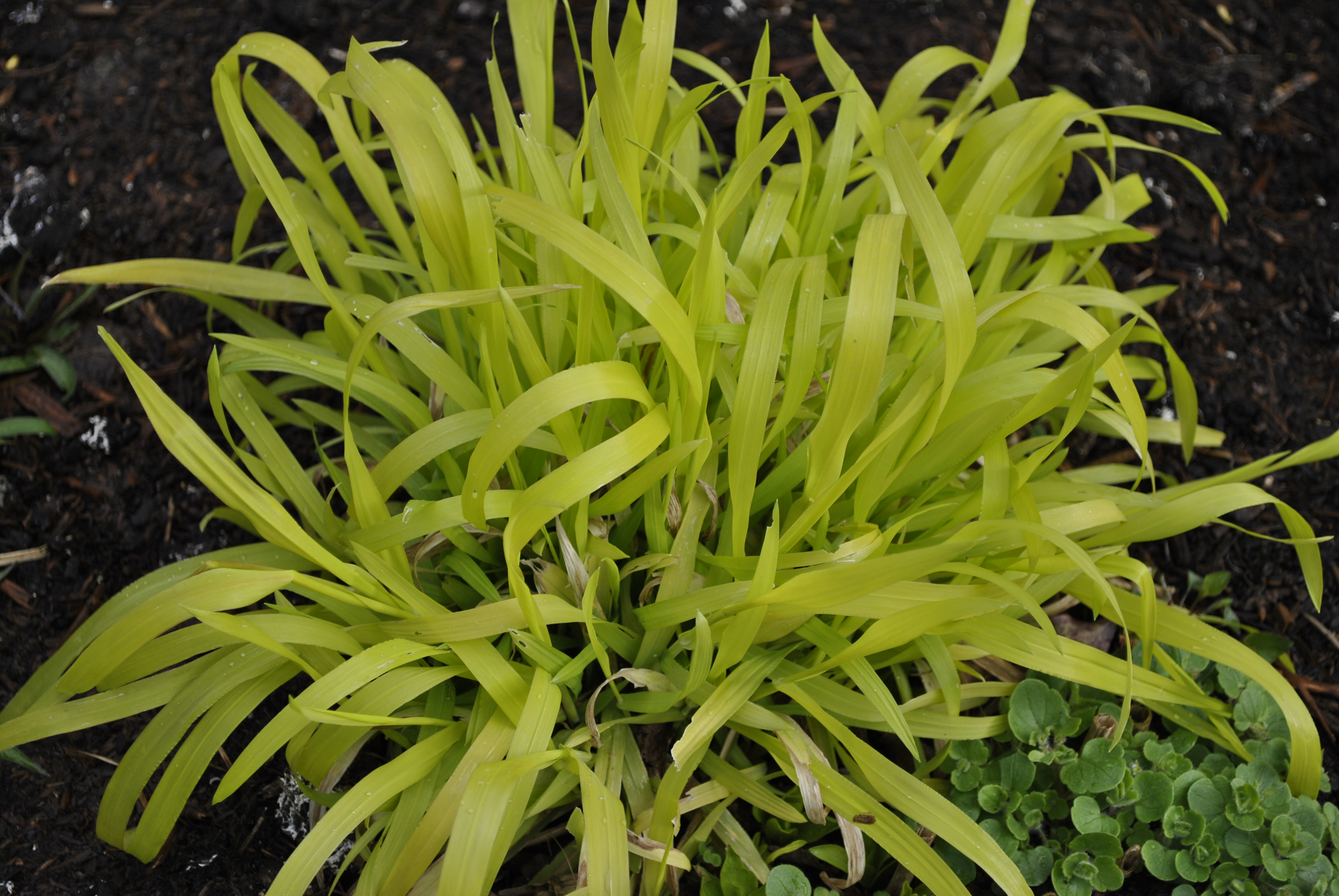
Another year has been and gone and I still don’t know the identity of this plant! It is a toss-up between Carex morrowii ‘Silver Sceptre’ and Liriope spicata ‘Gyn-ryu’ or ‘Silver Dragon’. It is driving me mad not knowing, so I am appealing to those who know about these things to cast your opinion please. As you can see, I have just split the mother plant into 9 divisions for a plant sale next year but I don’t know what to write on the labels!

Another plant which was bursting out of it’s pot, but needing to be contained, is Persicaria microcephala ‘Red Dragon’ which is now neatly divided into 6 new plants for next year’s charity sale. It will come with a warning label not to let it loose, it is a real spreader!

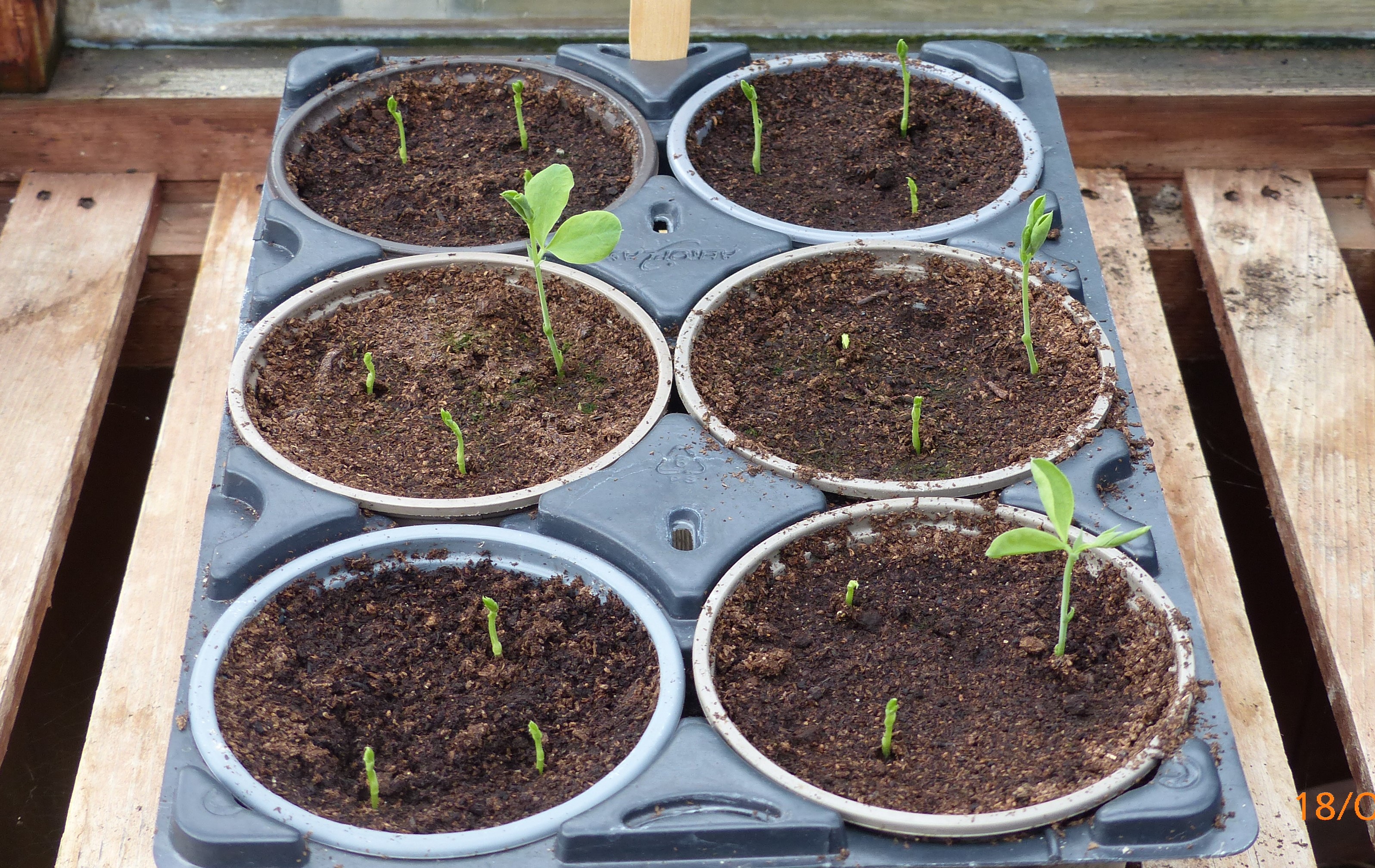
A quick Sweet Pea update for those following progress. Six weeks since sowing on 7th October. Seedlings now all pinched out, separated into their own pots and producing side shoots as planned. I discovered a slug hiding under one of the pots so ferric phosphate pellets applied just in case!

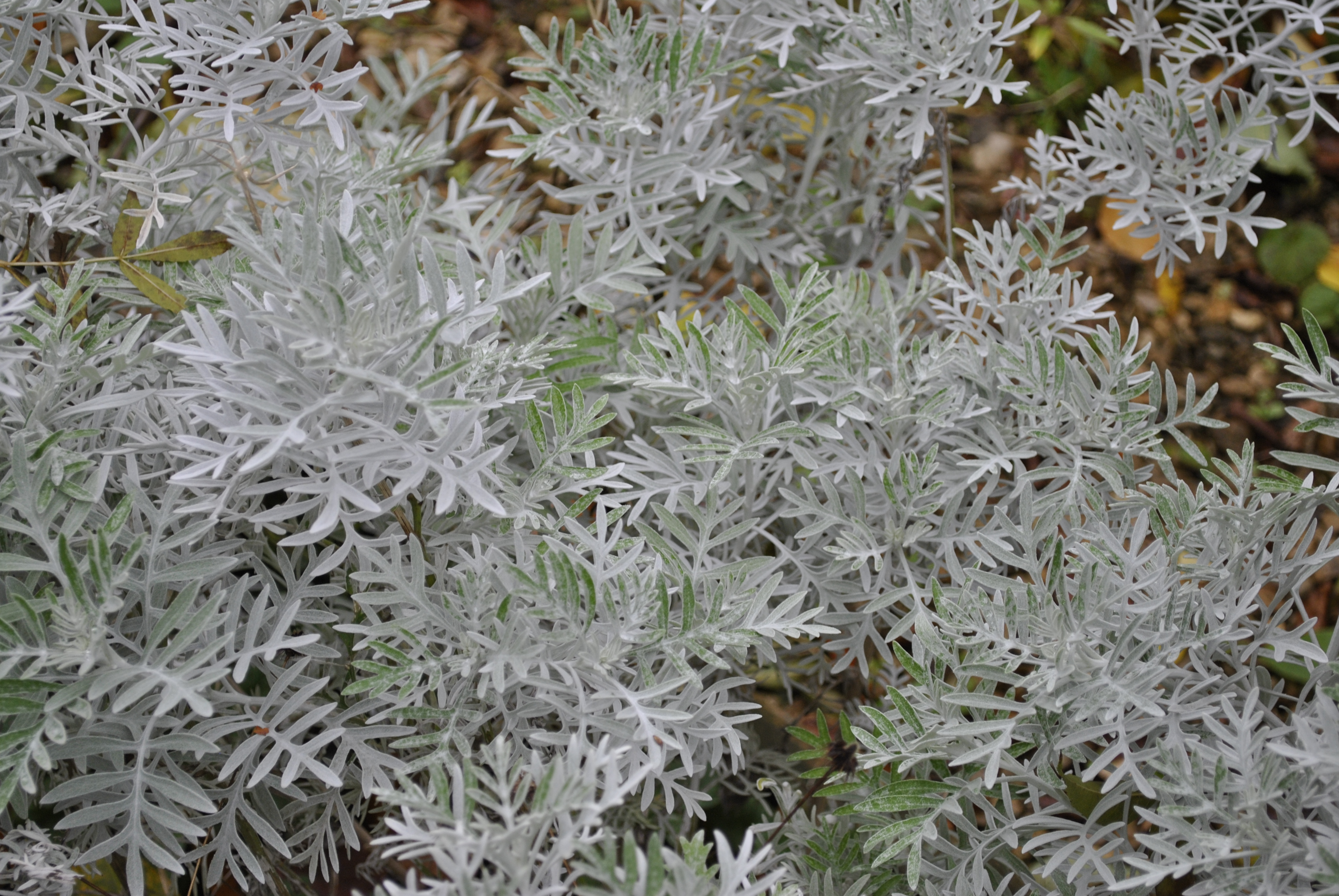
I find most people think this is Artemisia ‘Powis Castle’ but, in fact, it is Senecio viravira or Dusty Miller. In summer it is topped with beautiful clusters of pale lemon daisy flowers but these are insignificant compared to the year round silver grey foliage which always looks fresh, even in winter. Easy to grow and maintain, just a haircut in spring and away it goes for another year.

Despite the time of year and significant drop in temperature, Clematis ‘Madame Julia Correvon’ is still going strong and producing more flowers. Such an attractive and well behaved climber deserves a place in every garden.

Possibly the most popular shrubby Salvia, and for very good reason, is the ubiquitous ‘Hot Lips’, which is still flowering her face off in my shrub border. Sometimes red, sometimes white and sometimes red & white, the flowers respond to temperature and change colour accordingly. Pruning them seems to be the most asked question I get and I am pretty brutal in spring, cutting them back hard to new growth lower down. Probably more than 50% of the top growth goes. I also ‘layer’ a lower stem by pegging it down to the soil and ‘hey presto’, it roots! The shrubby salvias don’t last forever, 10 years if you are lucky, so a couple of younger plants waiting in the wings to be separated and grown on is a good insurance policy.

Finally, the first Narcissus poking their heads up!

Six on Saturday

First frost last night, sign of things to come! Beautiful clear blue sky today, very cold but not raining for a change. It has been a very wet, miserable week and not much proper gardening done. A few weeds removed here and there, some biennial Honesty seeds sown, Pelargoniums removed from summer containers and some carefully chosen perennials cut back, but that was about it. Still, I did sort out the mounting pile of paperwork in my study!

About five years ago, I smushed (technical word!) Mistletoe berries from a Xmas wreath into some cracks in my old apple tree. It has been a painfully slow process but it is now growing away well. I think it will need another couple of years before I cut my first Mistletoe for Xmas decorations but I am really hoping for Mistle Thrushes to appear!

Just a week after pinching out the tops of the Sweet Peas, the side shoots are already beginning to appear. I still find a lot of people who don’t do this and end up with long straggly single stem plants which will never do as well as branched plants. Of course, this only applies to autumn sown seeds that are overwintered.

This Little Owl is a regular visitor to the garden but quite elusive most of the time and doesn’t care to be photographed. I suspect it has discovered the field mice under the shed or around the compost heaps. I certainly hear owls in the garden most evenings, which I really enjoy.

Another regular visitor is this Great Spotted Woodpecker who feasts on the sunflower hearts meant for the Blue Tits and finches. He (I know it is a male due to the red marking on his head) is in his winter plumage and looks magnificent! I hear him drumming in the nearby woods and his call is quite distinctive.

Finally, Clematis cirrhosa ‘Freckles’ is beginning to emerge from its summer dormancy and enjoy the colder weather and shorter days of autumn and winter. It will go on well into January and completely smother the arch with these pretty purple and creamy white bells.

Have a great weekend

David

Six on Saturday

Another week, another storm. This time it was Ciaran’s turn to rip through the garden on Thursday, drenching the already saturated soil and knocking the patio furniture about. Fortunately, once again, no permanent damage was done, just a few pots to make upright and one or two leggy plants to prop up with my homemade rusty steel girdles. Not that the storm bothered my tall hardy Fuchsia ‘Whiteknights Pearl’ one little bit. Standing proudly erect and still flowering its pretty little head off.

I know I mentioned this last week and received a few comments, but I just wanted to show how quickly the autumn sown Sweet Peas grow. These are now ready for the growing tips to be pinched out to encourage side shoots to grow. In another couple of weeks I will select the best ones and pot them up separately. They don’t blink at having their roots disturbed at this stage.

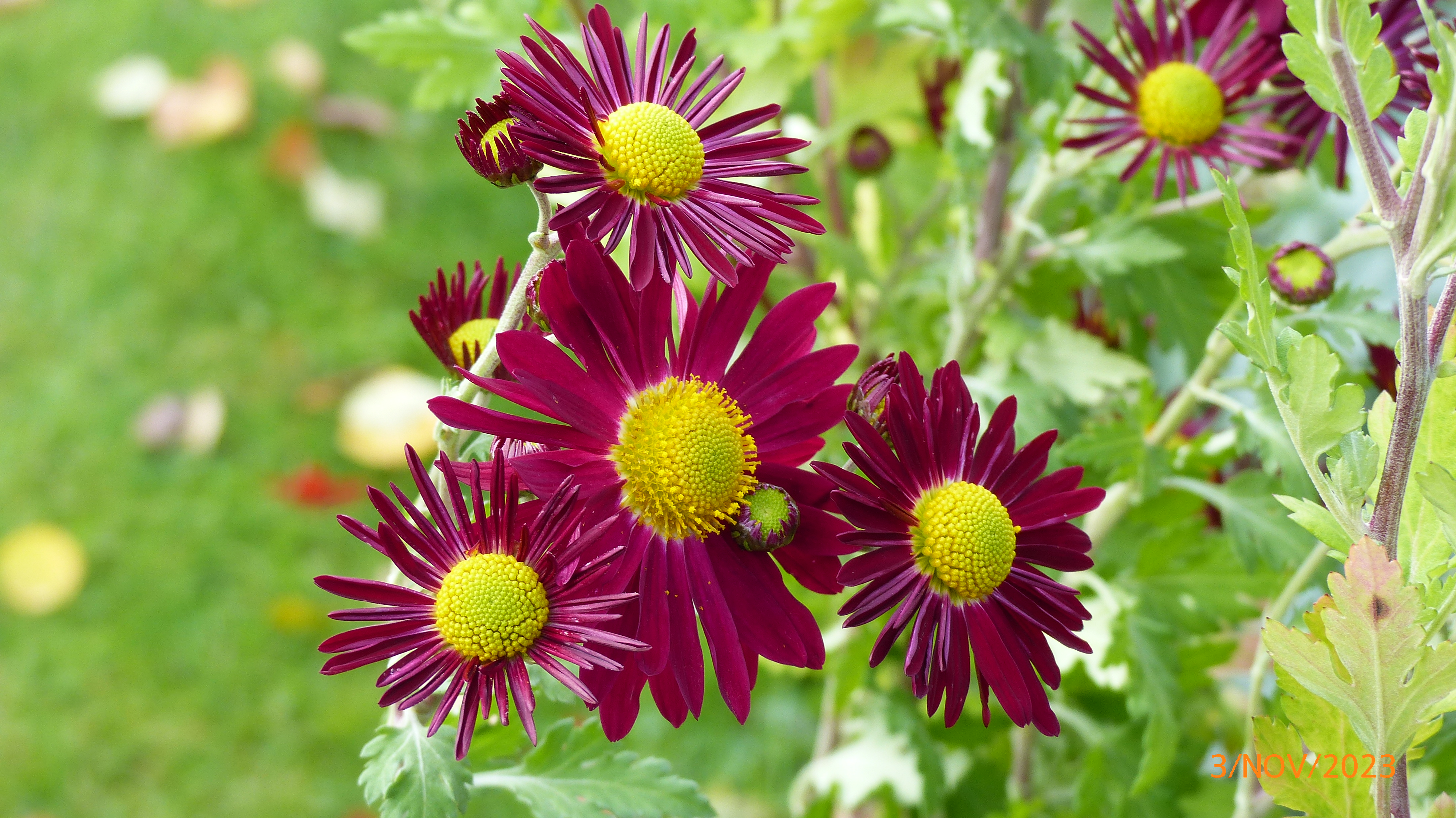
As well as ‘Bretforton Road’ featured last week, my other favourite hardy Chrysanthemum at this time of year is ‘Royal Command’. This one has been with me for many years and is a real survivor. Tough and resilient, I just love its dark red quilled petals and bright yellow centre on tall stems. Not sold by many nurseries these days as there just so many more popular ones on offer, but sometimes the old ones are the best!

This diminutive Pieris ‘Little Heath’ was bought as a 9cm pot for my winter hanging basket last November and has grown into a handsome little shrub. About to flower too! Currently in a clay pot where it has been happy all summer, I think it is time to find a place in the garden where it can get its feet down and mature alongside its bigger cousins.

And so to this week’s ‘What am I?’ quiz round. If you can identify this without resorting to a plant app or other external source you are truly a very clever plant person indeed. It took me quite a while to realise what it was, and then only by accident. Give up? It is Guizotia abyssinica, more commonly called Niger or Nyjer, the source of the tiny black seeds adored by Goldfinches. It took quite a while to realise that these unusual plants which were popping up all around the Nyjer seed feeder were, in fact, Nyjer plants! I kept pulling them up thinking they were a weed which, as I didn’t plant them, they were. But one escaped my notice and sneakily grew within the cover of a Pittosporum and has now popped it’s head out of the top and is about to flower!.As they originate in Ethiopia, I doubt if they will take any frost but we will see. I hope to post a photo of the flower very soon!

The Hesperantha coccinea are adding a touch of glamour to the front border at the moment with their tall stems of crimson flowers. I took advice from the National Collection Holder who told me to never walk past them in the summer without chucking some water over them! Apparently, the reason they often flower reluctantly is a lack of water in the dry summer months. In their native South Africa they grow in moist soil along the banks of rivers and streams or in low lying areas which retain water most of the year. They hate being dry at the roots.

Finally, just to say the Salvia uliginosa is STILL flowering and attracting bumble bees on dry days. It just never stops! What a success, my outstanding Plant of the Year!

Have a great weekend. I am off to learn all there is to know about Hardy Geraniums from an expert at our Gardening Group.

David

Six on Saturday

Knowing storm Babet was on the way, I hastily went out with my camera on Wednesday while everything was still intact! The wind and torrential rain duly arrived in the early hours of Thursday and deluged my exposed suburban garden on the edge of the Cotswold escarpment. Fortunately, there is no damage, just masses of leaf litter and very wet grass. I feel for the poor people in the north east of Scotland who are bearing the brunt of the storm.

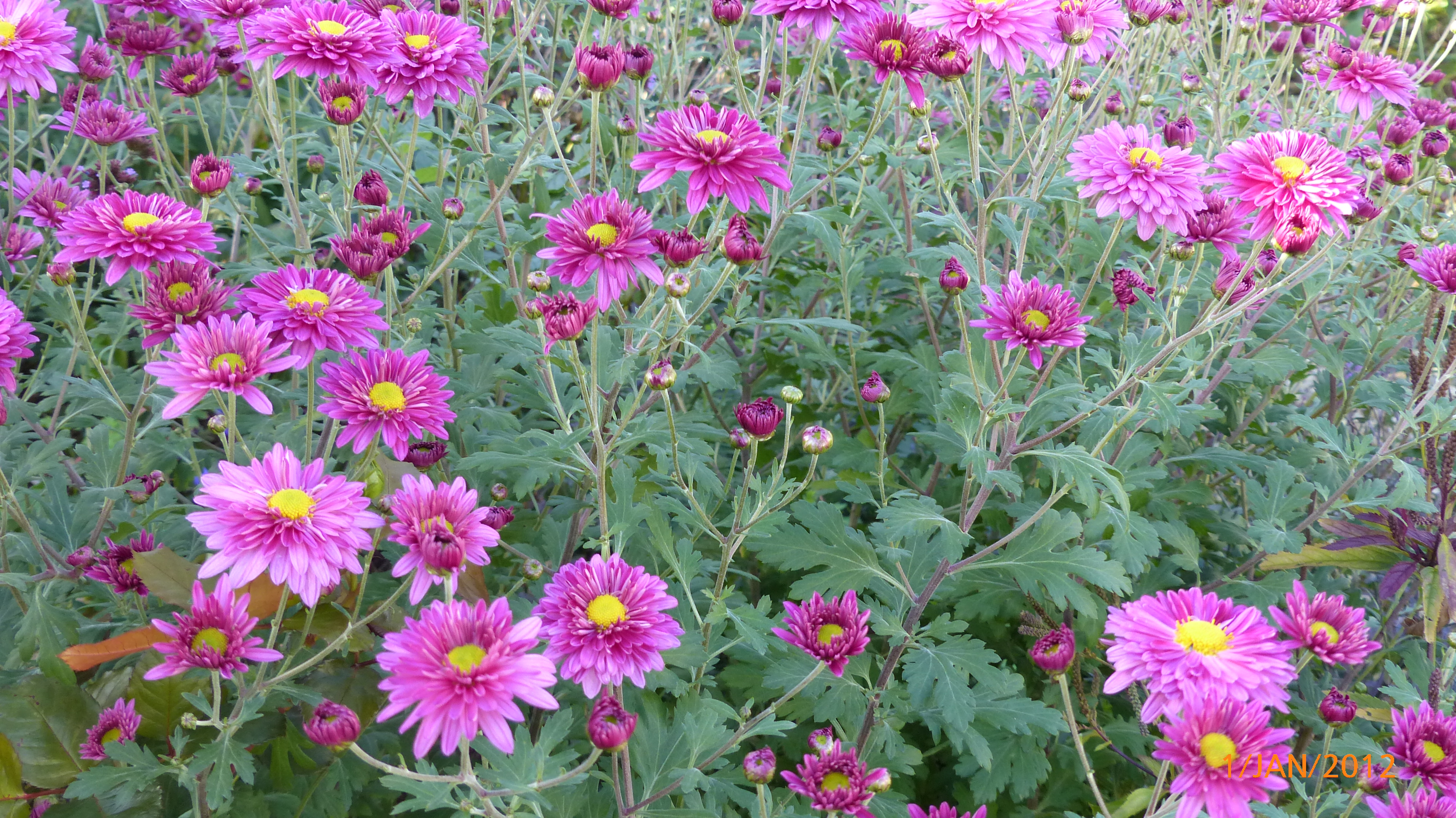
I like plants with a bit of history and this Chrysanthemum ‘Bretforton Road’ is such a plant. Grown for generations in Badsey, Worcestershire, it was discovered by Bob Brown of Cotswold Garden Flowers when peering over a wall into a local garden. Tough as old boots, but pretty as a picture, this Chrysanth has been divided many times and passed to friends and family who love it too.

Just a few of the 21 pots of spring bulbs ready to go out in the front garden to replace the geraniums which are still going strong. Perhaps I am too soft but I hate to destroy perfectly good plants just because their allotted time is up. They can stay there until the frost knocks them back, the bulbs can wait.

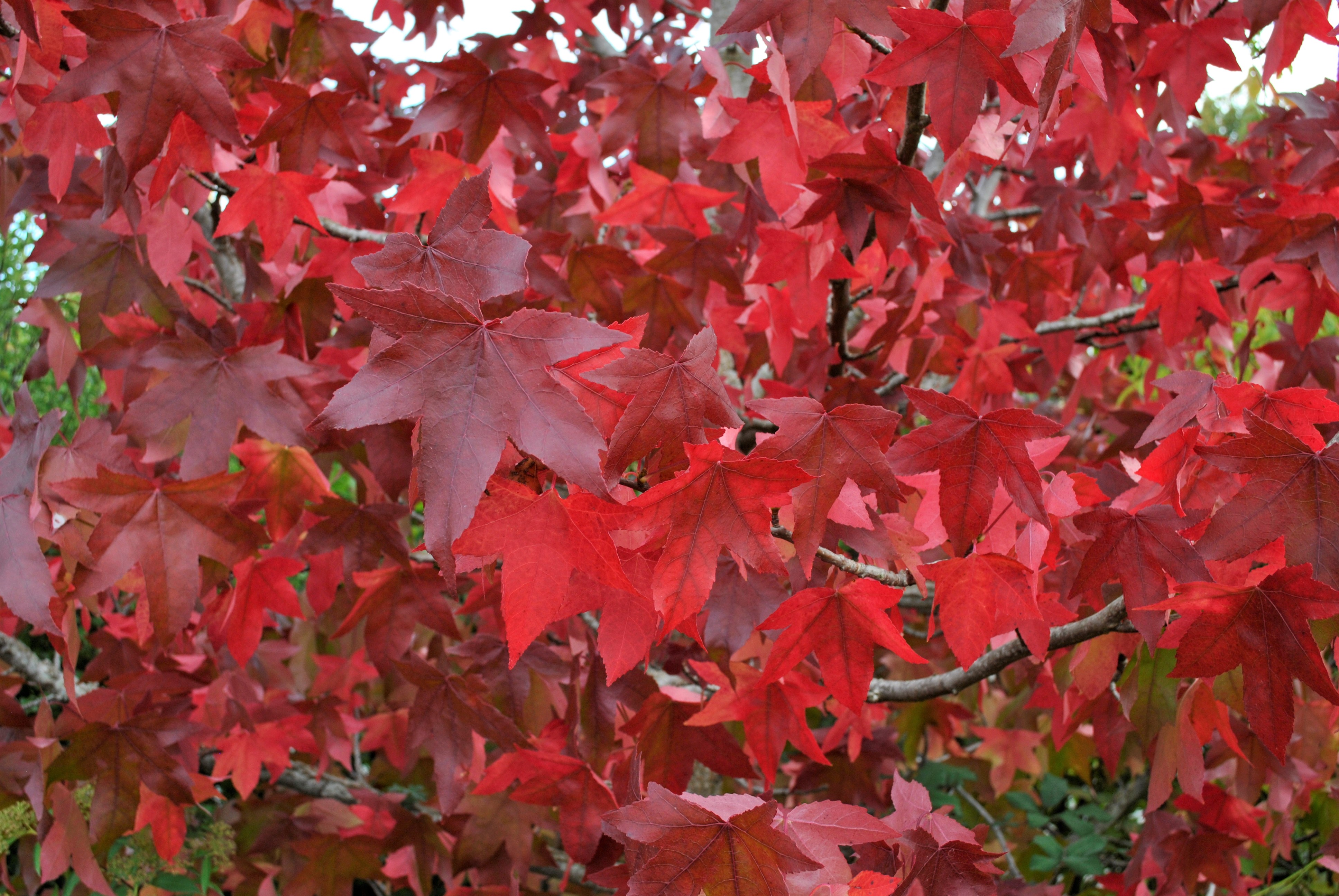
Ironically, the Liquidambar styraciflua ‘Worplesdon’ is at its best when photosynthesis stops and the leaves turn a fiery red as they begin to die off. I have to admit though, this picture was taken mid-week before the 60mph winds arrived. There is now a red carpet of leaves on the lawn!

The Amelanchier lamarckii too is slowly turning to a lovely burnt sugar orange before slowly shedding its leaves.

A kind friend donated Salvia greggii ‘Icing Sugar’ earlier this year saying it needed a good prune and ‘sorting out’, which I duly did. It has rewarded me accordingly.

The same friend asked me why I had sowed my Sweet Peas so early, and this has been a regular topic with gardening friends over the years. Although I find they grow whenever you sow them, I believe that autumn sown, overwintered Sweet Peas are stronger, tougher and more floriferous. I like to get them germinated by the end of October, pinched out after two sets of proper leaves have grown by the end of November, and transplanted into their own deep pots by Xmas. They then spend their energy producing two side shoots and a good root system instead of becoming tall and leggy on a single main shoot. They are completely hardy and don’t need any heat over winter. They can go into a cold frame or cold greenhouse until they are ready to be planted out when the clocks go forward in March. These are some of mine planted on 7th October. No chipping, soaking or sanding of the seeds, just push them 1″ into a pot of compost, water them well and place them in a warm sunny position until they germinate then put them outside under cover but in good light.

Sometimes, I think garden bloggers like me are guilty of making our gardens sound better than they really are. It is all too easy to cherry pick the best bits each week and give the impression that everything in the rest of the garden is rosy. So, from now on, I am going to include five good bits and one not-so-good bit to be more honest and transparent.

It seems that Nigella damascena seeds can survive anything and grow anywhere, particularly if there is no soil of any kind! I foolishly topped up some gravel paths from one part of the garden to another, not imagining this would be the result. Very pretty though!

Have a great weekend

David

Six on Saturday

The exquisite beauty and scent of Sweet Pea ‘Betty Maiden’ is overpowering as I walk down the path. She is certainly one of the strongest fragrances in my little collection of Sweet Peas and one I will always cherish.

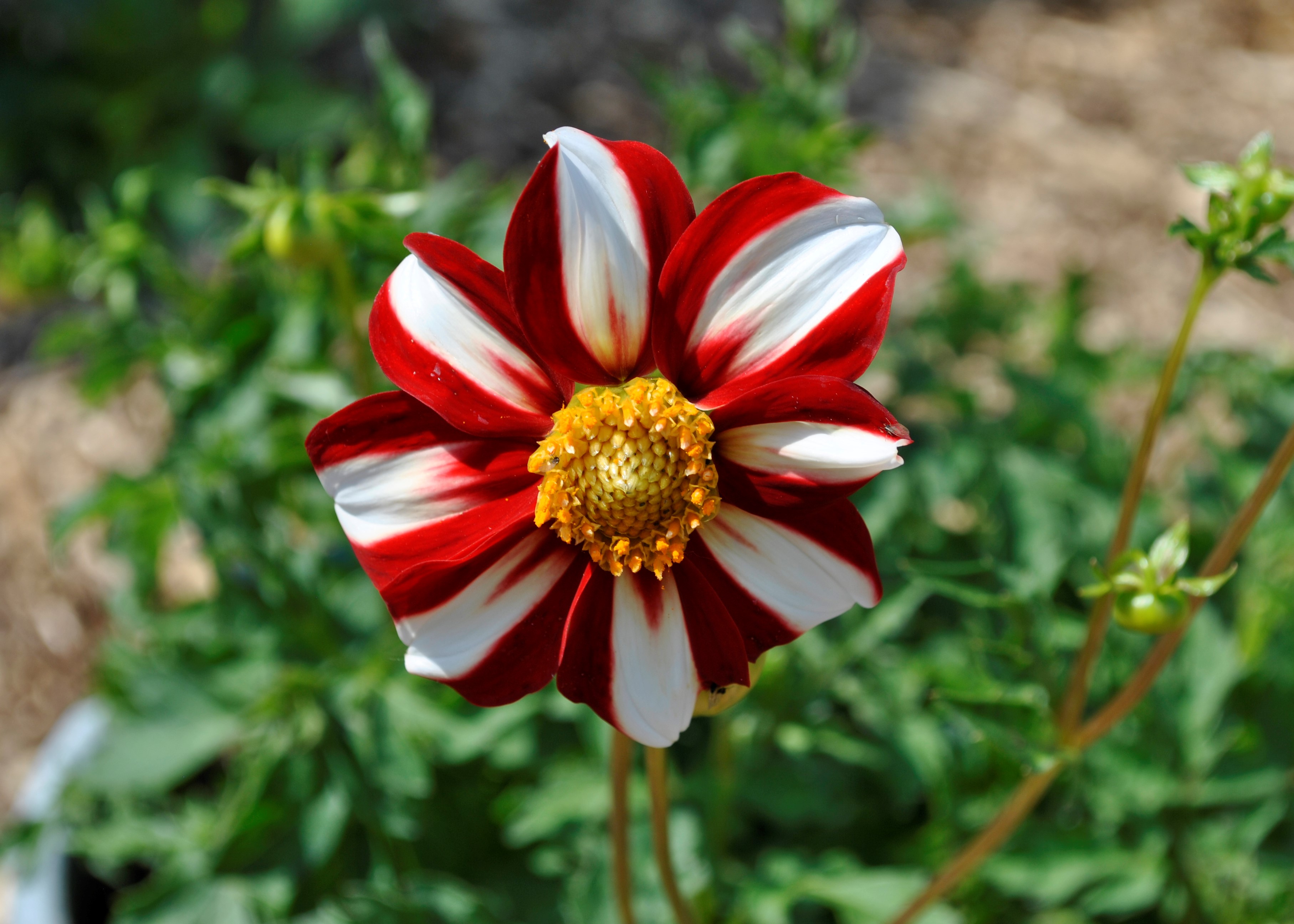
The first Dahlias are in flower already including this ‘Union Jack’, also known as ‘Star of Denmark’, which I am lucky to be looking after and propagating for Plant Heritage. It is a rather sickly looking plant with spindly stems which flop under the weight of the rather garish flowers but it flowers profusely until the first frosts.

It is proving to be a very good year for roses with very strong flowering and lots of healthy foliage and few greenfly. This ‘Let’s Celebrate’ is a good example of the sheer quantity and quality of blooms. Much admired at my Tradescantia Collection Open Day on Thursday along with several others equally as good.

Just exquisite! Rosa ‘Isn’t She Lovely’. Yes she is! Perfection.

The Alstroemerias are beginning to flower with ‘Indian Summer’ the first. They took a while to get over the tough winter and fight their way through the 10cm of mulch I piled on top of them in November. I will start pulling them for the vase this weekend to keep them flowering. If you don’t already know, they are twisted and pulled like Rhubarb, never cut. The pulling stimulates more flower buds to form.

I do think these Nectaroscordum siculum are clever! When the drooping bells are pollinated by bees, they turn themselves upwards and close up like little pixie hats!

Couldn’t resist one more, the rock rose, Helianthemum ‘Wisley Primrose’, a sprawling sun lover for the dry garden which has incredible flower power for such a small plant. Not fussy about soil or moisture levels or nutrients but must be able to sunbathe all day!

Have a great weekend.

David

Six on Saturday

It’s Roses time!

I could easily fill this week’s blog with roses of all sizes shapes and colours but I will try to resist. Just a couple then! ‘Ghislaine de Feligonde’ is a short rambler which mingles on the trellis with Wisteria. Clusters of flowers open from deep apricot to almost white and are fully double. Not as thorny as some ramblers and easily contained. A good choice for a small garden I think.

The greeny, creamy Foxgloves mentioned last week turned out to be white! However, by a stroke of luck they are almost exactly the same colour as Rosa ‘The Pilgrim’ on the trellis behind.

The kind lady who follows my blog and offered to swap some of her violet Hesperis matronalis for some of my white ones arrived yesterday with a bucket of beauties! Thank you Gay, they are now planted and look amazing.

I collected over 800 self-sown Tradescantia seedlings from the Collection beds this year and, after many hours in the greenhouse and several bags of compost, they are all potted up. However, they grow very fast and in a few weeks they will all need potting on! Many of them will flower this year giving me the opportunity to select the best as potential new named hybrids.

The Sweet Peas are in full flower now and need picking every other day to keep them going. I love the old varieties like this ‘Painted Lady’, but the grandiflora types too. They all need a lot of watering and feeding to flower well but the rewards are definitely worth it. Their beauty and scent are the essence of a cottage garden in early summer.

And another rose to finish, I couldn’t resist! ‘Amber Queen’, one of my absolute favourites for the complexity and beauty of the flowers. It begins as orange/apricot becoming rich deep yellow when fully open. A Harkness rose, not David Austin, introduced in 1984 and possibly still the best of all the yellows.

Have a great weekend. We are off to Ashton-under-Hill village Open Gardens this afternoon if the weather holds. Thunderstorms are forecast for this evening and overnight but we do need the rain!

David

Six on Saturday

Despite the showery weather, the temperatures are encouraging the garden to get up and go. Everywhere I look, things are gathering pace and I need to keep up! As usual, the weeds are growing even faster than the cultivated plants so that is my main priority at the moment. However, it’s nice look at pretty things too, like this Chionodoxa luciliae ‘Pink Giant’ even though the bittercress in the background annoys me!

I am never quite sure whether this is a pink Primrose, Primula or Polyanthus. It comes back every year and is spreading to different parts of the garden, presumably by seed, but I am happy to let it be. It is a cheerful little thing.

Millium effusum ‘Aureum’ or Bowles’s Golden Grass is something I spotted in a large manor house garden a few years ago and bought a small pot for £2. It was said to brighten up dark corners and is an unfussy plant which “gently spreads about”. In fact, it grows anywhere, spreads like mad and is becoming a nuisance! In late summer the waving seed heads are very attractive above the golden leaves but don’t be fooled, it is just looking for its next target. Every bed and border now has its own clump which will soon become a forest so be warned!

The Delphiniums are relishing the damp conditions and the 3″ of mulch I packed round them a few weeks ago. I got on top of the slugs and snails by applying ferric phosphate on Valentine’s Day (so romantic!) and they are untouched. Time to get the supports in place!

I think I might have overdone the Cosmos! Friends and neighbours will take a few but that still leaves far too many. However, the leftover mixed dahlia seeds are doing well and are ready to be pricked out today. I love a nice surprise!

The Sweet Peas will also get planted out today, but in the garden. I follow the old mantra of ‘sow when the clocks go back, plant out when the clocks go forward’, so today is the day! By sowing in October, pinching them out in January and overwintering them in a cold greenhouse, I get stocky plants with at least two side shoots and a healthy root system to give them a good start. They go into heavily composted soil with some chicken pellets and bone meal which I find produces good results.

That’s it for my Six. Have a great weekend

David

Six on Saturday

This week has been absolutely manic and garden visiting is now in full swing. We are so lucky to have so many lovely gardens to visit here in the Cotswolds. Last weekend was Eckington Village with 30 private gardens and Barnsley Village including Rosemary Verey’s Barnsley House.

My garden is rather smaller and insignificant by comparison but still just as lovely at this special time of year. Delphiniums just opening and buzzing with bees, their tubular flowers drawing them in.

The Sweet Peas now coming thick and fast and will be cut every other day for the vase. I just adore their scent and so do my elderly neighbours who love it when I knock on their door with a bunch every few days.

Rose ‘Roald Dahl’ and what a stunner! He is a big boy, our Roald, so big that he needs a bit of support to hold him up. I pruned him quite hard this year but he has grown even bigger! Such gorgeous flowers, and such healthy foliage, a real tale of the unexpected!

Next to Roald sits ‘Isn’t She Lovely’, and she certainly is! Pure white elegance and a scent you could drown in. There is something rather exotic and erotic about these modern roses which makes them so delicious.

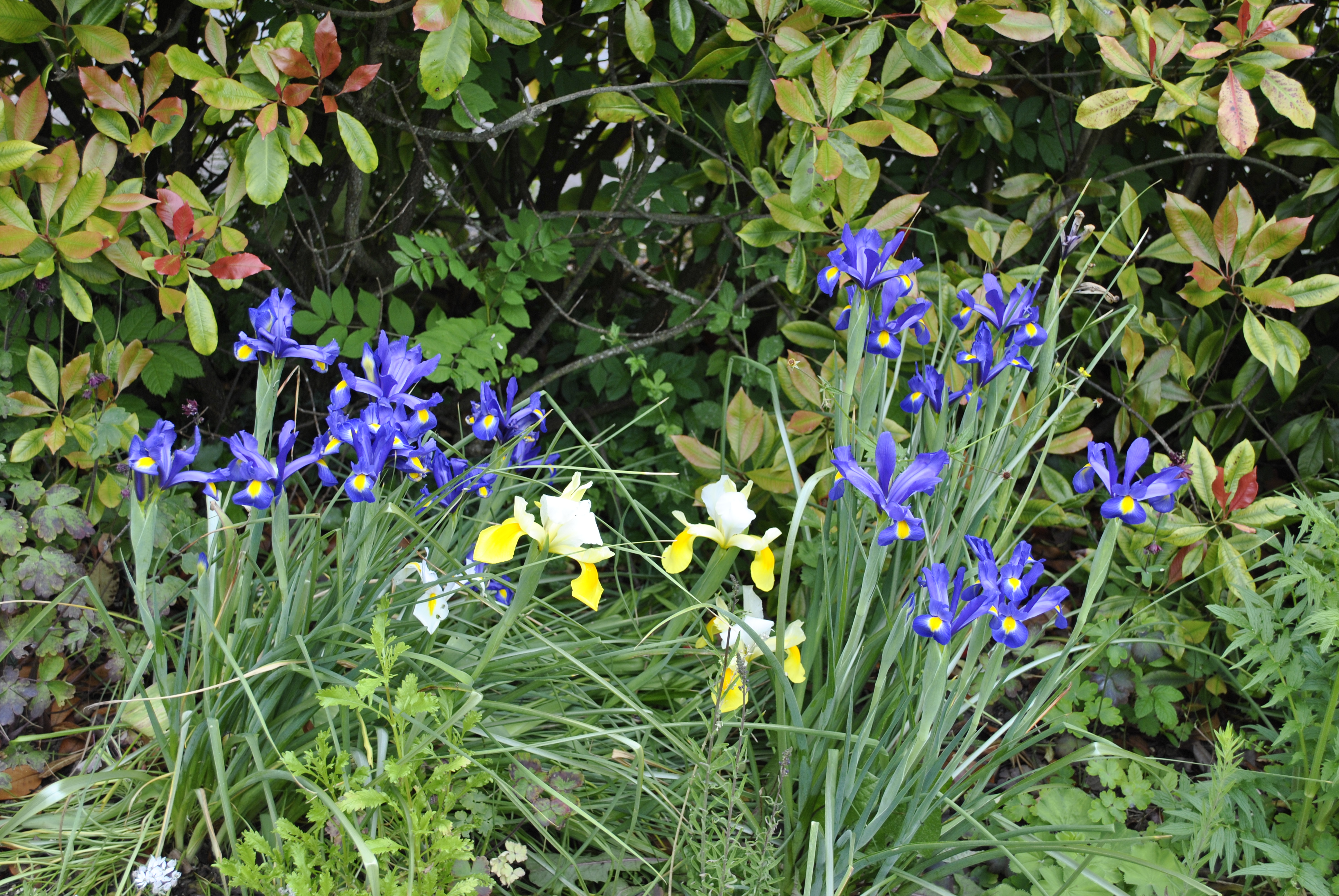
I have never been a fan of Dutch Iris and these freebies are not only in the wrong place, they are taking up space for something more to my liking. Definitely coming out this year!

Not often seen or sold but Neillia affinis is a hardy deciduous flowering shrub that deserves to be in more gardens than it is. Nobody in my circle of gardening friends has it and I don’t really know why, it is attractive and bombproof. A kind friend gave me a piece a few years ago since when it has done well in the shrubbery with the bonus of these delightful pink flowers in May.

Rose ‘Ghislaine de Feligonde’. This is a useful short rambler in that it is almost thornless, very healthy and not too vigorous. The orange buds open to small, pale apricot blooms with a yellow base, then fade to peach, pink and white. I have it covering a fence mixed in with Wisteria chinensis, hoping the two would be compatible and so far so good. The colour of the emerging and fading flowers look as if two different roses have been planted together.

Have a great weekend of gardening.

David

Six on Saturday

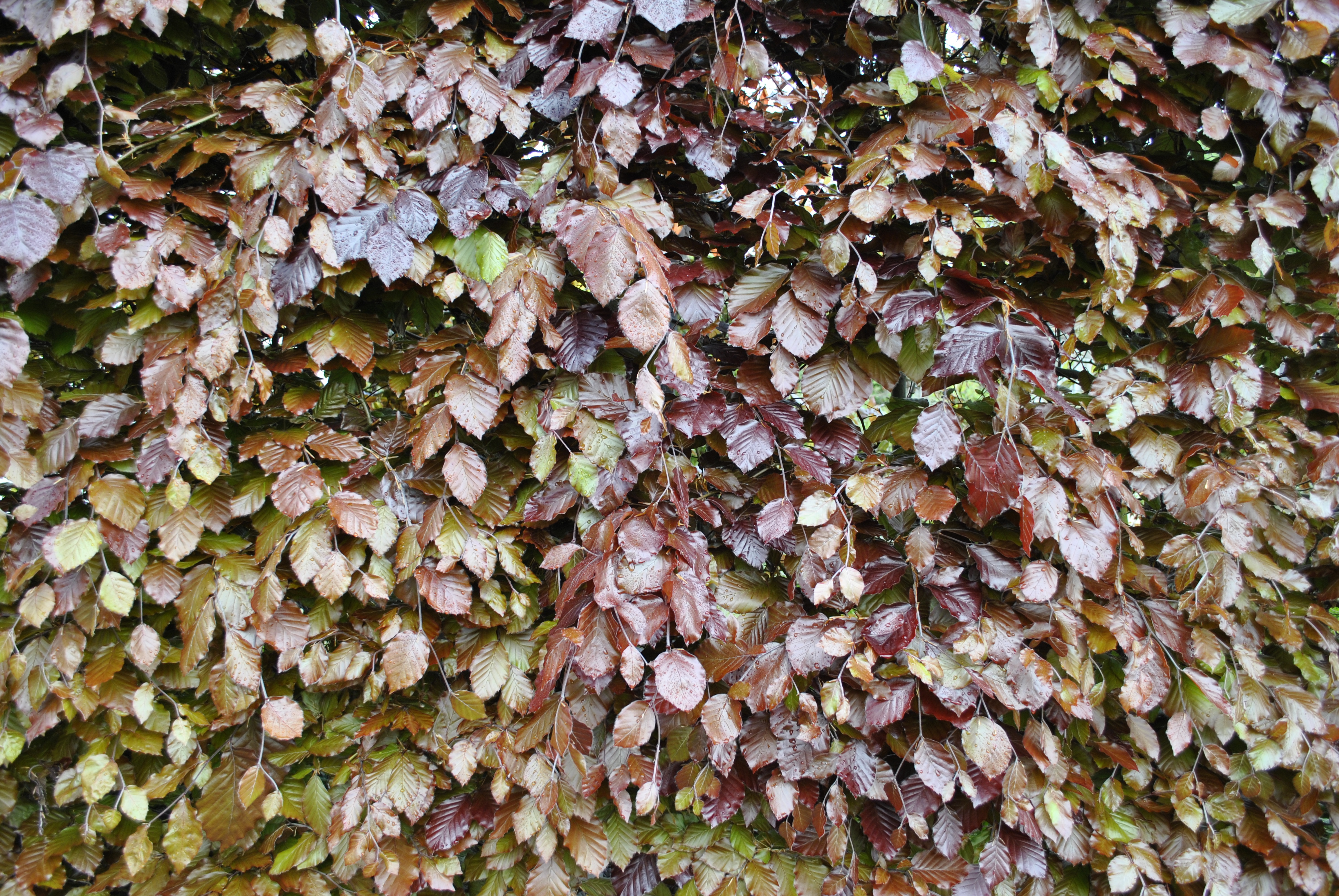
Sometimes, the fresh new growth of trees and shrubs is just as beautiful as colourful flowers. Our purple beech hedge is amazing at this time of year as the tightly curled leaves emerge from the tight bud.

I rained last night and the drops of water made the new soft leaves look even more stunning.

I love the flowers of alliums but hate the leaves because I have a garden plagued with slugs and snails. The damp foliage attracts them like a magnet and this is the inevitable result. I visited an open garden near Malvern last weekend and a lady with 50 hostas told me she has no molluscs or slugs in her garden. I am not sure I believe her!

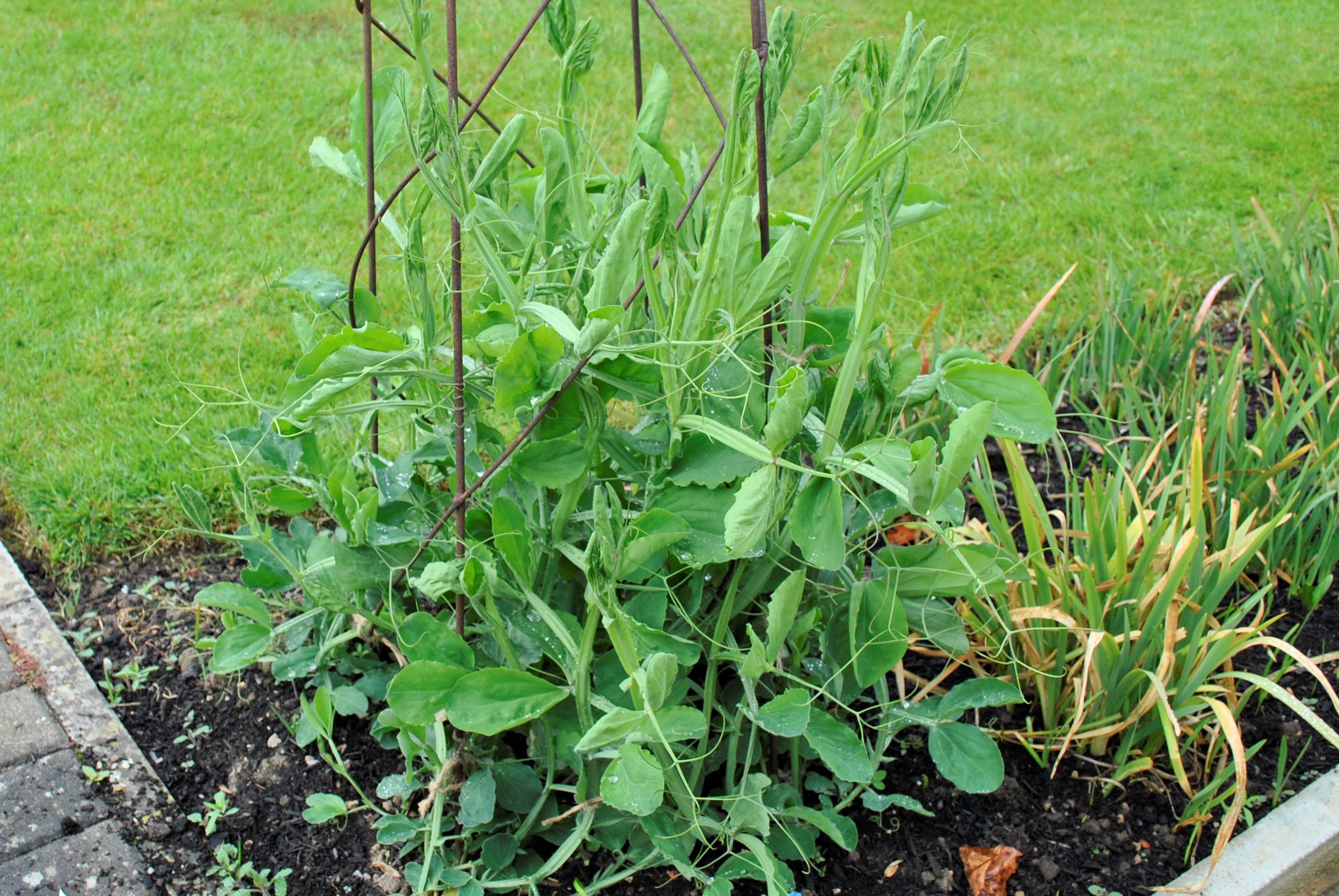
The autumn sown Sweet Peas are doing well and the first flowers are already forming. These will probably not be viable as the nights are still too cold but by the end of the month this obelisk should be covered with beautiful blue, white and pink flowers which will be picked every other day for the vase.

Geum ‘Banana Daiquiri’ given to me by a friend last year and loving its new home in the sunny border. One of the shorter geums which is ideal for placing beneath taller, later flowering perennials.

Viburnum Plicatum ‘Mariesii’ looking spectacular in the shrubbery this morning alongside the acid yellow of Euphorbia palustris and the backdrop of Photinia ‘Red Robin’
Finally for this week, I could fill a whole blog post with the myriad colours and forms of Aquilegia in my garden, most of which I did not plant. Some of them started off life as the ‘Barlow’ series many years ago but have morphed into all sorts of things now. More Ken & Deirdre Barlow than Nora Barlow!

Ah well, that’s my six for this Saturday. Off to take the granddaughter to Cotswold Wildlife Park in Burford for the day. Gardening will have to wait until tomorrow!

Bye for now.

David