
Knowing storm Babet was on the way, I hastily went out with my camera on Wednesday while everything was still intact! The wind and torrential rain duly arrived in the early hours of Thursday and deluged my exposed suburban garden on the edge of the Cotswold escarpment. Fortunately, there is no damage, just masses of leaf litter and very wet grass. I feel for the poor people in the north east of Scotland who are bearing the brunt of the storm.
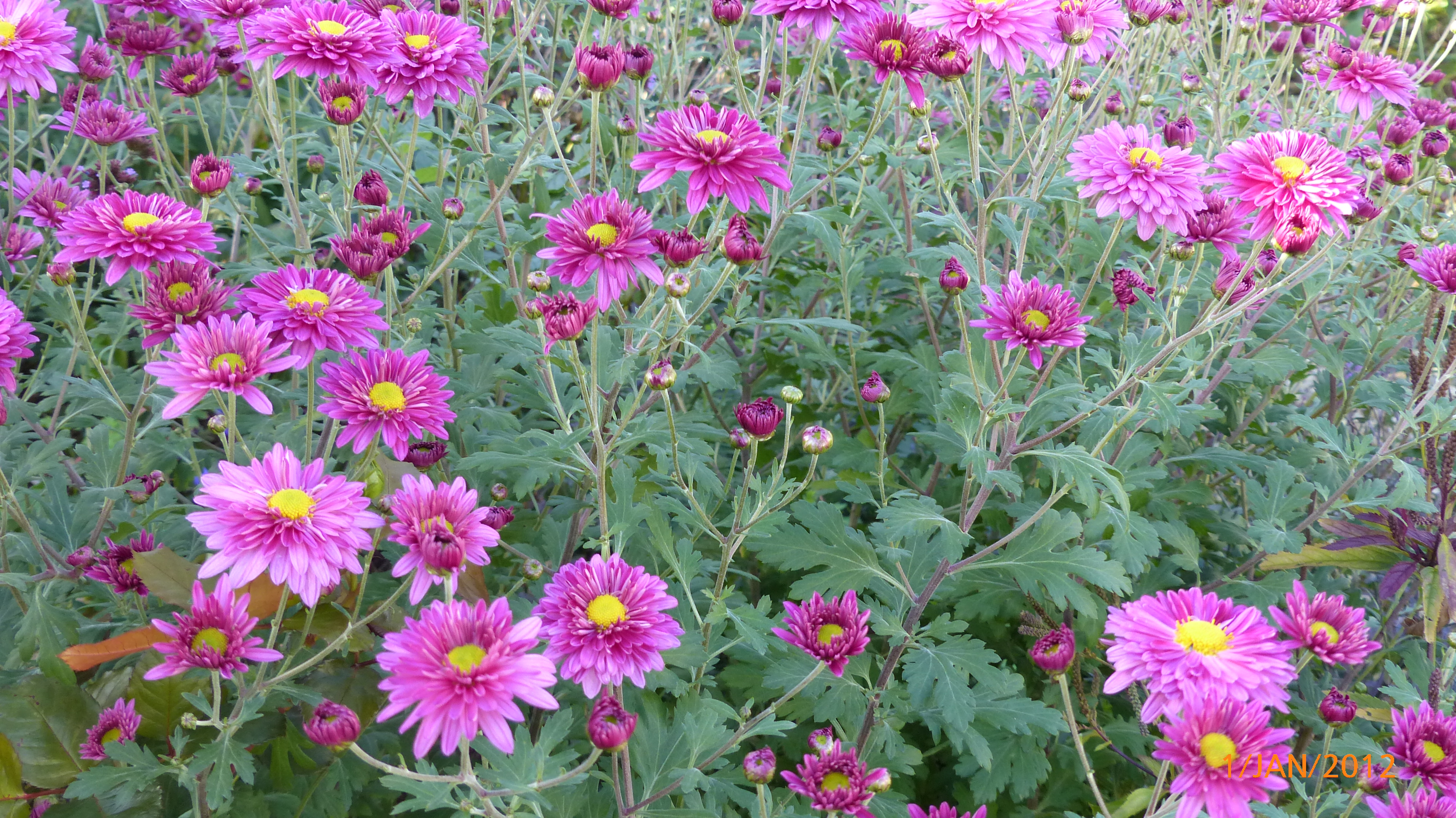
I like plants with a bit of history and this Chrysanthemum ‘Bretforton Road’ is such a plant. Grown for generations in Badsey, Worcestershire, it was discovered by Bob Brown of Cotswold Garden Flowers when peering over a wall into a local garden. Tough as old boots, but pretty as a picture, this Chrysanth has been divided many times and passed to friends and family who love it too.


Just a few of the 21 pots of spring bulbs ready to go out in the front garden to replace the geraniums which are still going strong. Perhaps I am too soft but I hate to destroy perfectly good plants just because their allotted time is up. They can stay there until the frost knocks them back, the bulbs can wait.
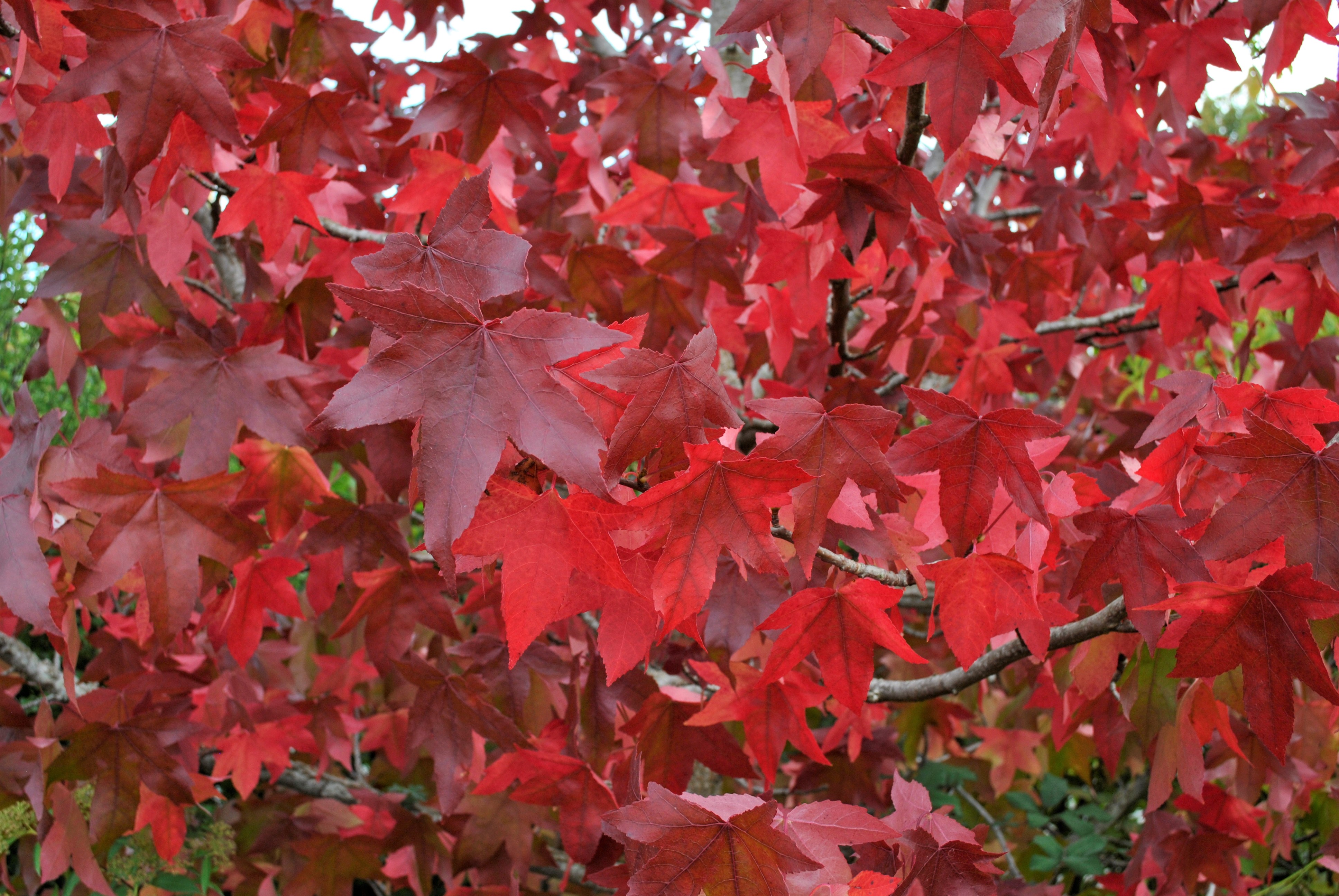
Ironically, the Liquidambar styraciflua ‘Worplesdon’ is at its best when photosynthesis stops and the leaves turn a fiery red as they begin to die off. I have to admit though, this picture was taken mid-week before the 60mph winds arrived. There is now a red carpet of leaves on the lawn!

The Amelanchier lamarckii too is slowly turning to a lovely burnt sugar orange before slowly shedding its leaves.

A kind friend donated Salvia greggii ‘Icing Sugar’ earlier this year saying it needed a good prune and ‘sorting out’, which I duly did. It has rewarded me accordingly.
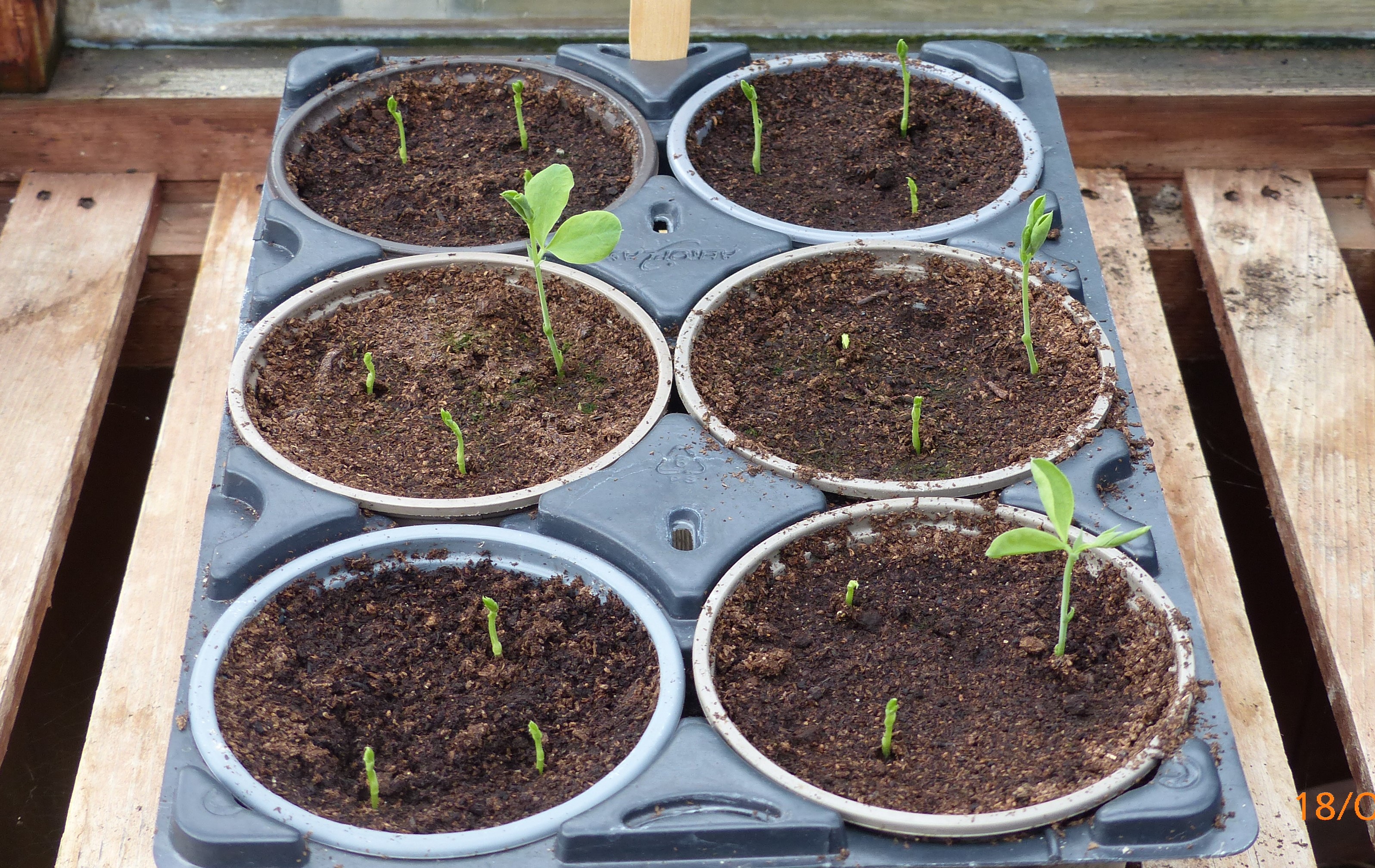
The same friend asked me why I had sowed my Sweet Peas so early, and this has been a regular topic with gardening friends over the years. Although I find they grow whenever you sow them, I believe that autumn sown, overwintered Sweet Peas are stronger, tougher and more floriferous. I like to get them germinated by the end of October, pinched out after two sets of proper leaves have grown by the end of November, and transplanted into their own deep pots by Xmas. They then spend their energy producing two side shoots and a good root system instead of becoming tall and leggy on a single main shoot. They are completely hardy and don’t need any heat over winter. They can go into a cold frame or cold greenhouse until they are ready to be planted out when the clocks go forward in March. These are some of mine planted on 7th October. No chipping, soaking or sanding of the seeds, just push them 1″ into a pot of compost, water them well and place them in a warm sunny position until they germinate then put them outside under cover but in good light.
Sometimes, I think garden bloggers like me are guilty of making our gardens sound better than they really are. It is all too easy to cherry pick the best bits each week and give the impression that everything in the rest of the garden is rosy. So, from now on, I am going to include five good bits and one not-so-good bit to be more honest and transparent.

It seems that Nigella damascena seeds can survive anything and grow anywhere, particularly if there is no soil of any kind! I foolishly topped up some gravel paths from one part of the garden to another, not imagining this would be the result. Very pretty though!
Have a great weekend
David



 Davids Garden Diary