Six on Saturday

Good weather at last! Warm sunny days have boosted growth in already moist soil and things are looking great! This shot of the middle garden captures the intensity of the late afternoon sun. The Thalictrum, in particular, has really enjoyed all the rain.

The China rose, Rosa mutabilis, is always early; her delicate floaty pink petals enjoying the conditions. This amazing rose will flower consistently from now until November without a break. I find it needs a bit of support but that may be because it is relatively young and hasn’t got a lot of roots to anchor it yet.

The evergreen Agapanthus africanus ‘Glenavon’ is excelling itself this year with 14 flower spikes currently, and possibly more to come. This usually means it is pot bound and ready to be divided! Overwintered completely dry in the cold greenhouse for 5 months, and then fed and watered like mad, seems to mimic the conditions it would find in its native South Africa. The only thing missing is fragrance. If it was pleasantly scented it would be amazing.

Easy to overlook, but shouting to be seen and heard is this tiny Euphorbia cyparissias peeping out beneath some Lysimachia ‘Firecracker’. An unintended combination, but a pleasing one nevertheless.

Thanks to this blog, a kind friend gave me some pink Hesperis matronalis last year to compliment my forest of white. I now have a modest quantity of both. It is a very pleasant native but can be a thug if it likes your garden. It seeds prolifically and would take over this border if I allowed it free reign. A very useful early spring flower to break up the mass of green. Pleasantly scented, particularly in the evening, as it is also pollinated by moths and other night flying insects as well as bees and butterflies during the day

.Another kind friend gave me what she thought were 4 white camassia bulbs which have turned out to be Anthericum liliago, commonly called St. Bernard’s Lilies. I grew them in a pot this year, but now I know what they are, I will find a suitable spot in the garden. The creamy white star shaped flowers do resemble camassia and they are in the same family, Asparagaceae.

And finally for this week, the earliest flowering Thalictrum in my garden is always this Thalictrum aquilegiifolium which found its way under the beech hedge some years ago and seems to enjoy the company. The frothy pink flowers are loved by bees and provide much needed early nectar. Easy to grow, tough as old boots and flowers for weeks on end.

Have a great weekend.

David
Six on Saturday

It is still very wet and cold for late April but some plants carry on regardless such as Erysimum ‘Apricot Twist’ which seems intent on being the plant that never stops flowering. This is a cutting taken 2 years ago which has flowered periodically all winter and is now really getting into her stride. She will probably flower for 6 months or more before I replace her with a cutting taken last year. They literally flower themselves to death!

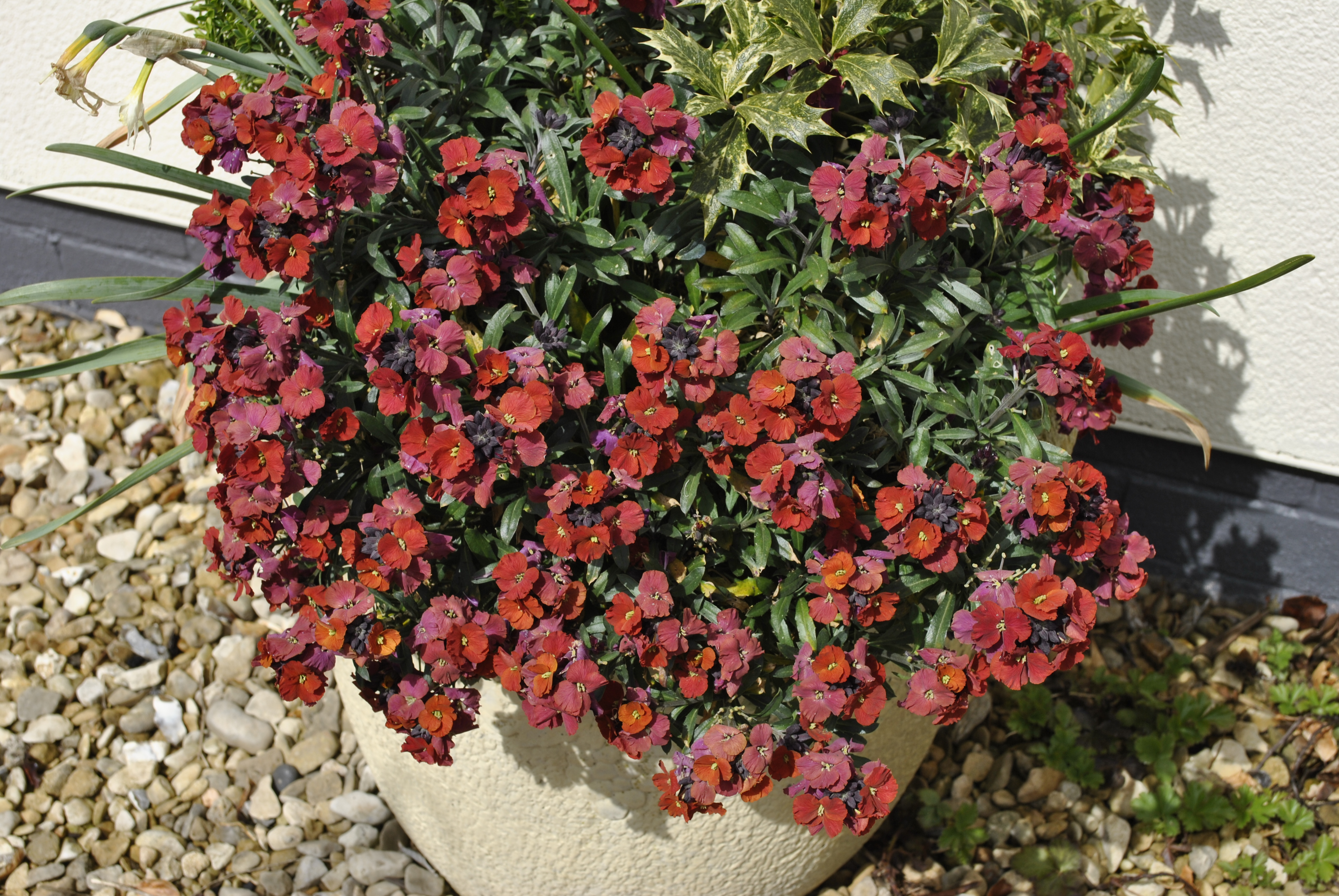
This is Erysimum ‘Red Jep’ kindly given to me by a dear friend from our gardening group. It has been in this pot all winter and took the worst of the weather, but look at it now!

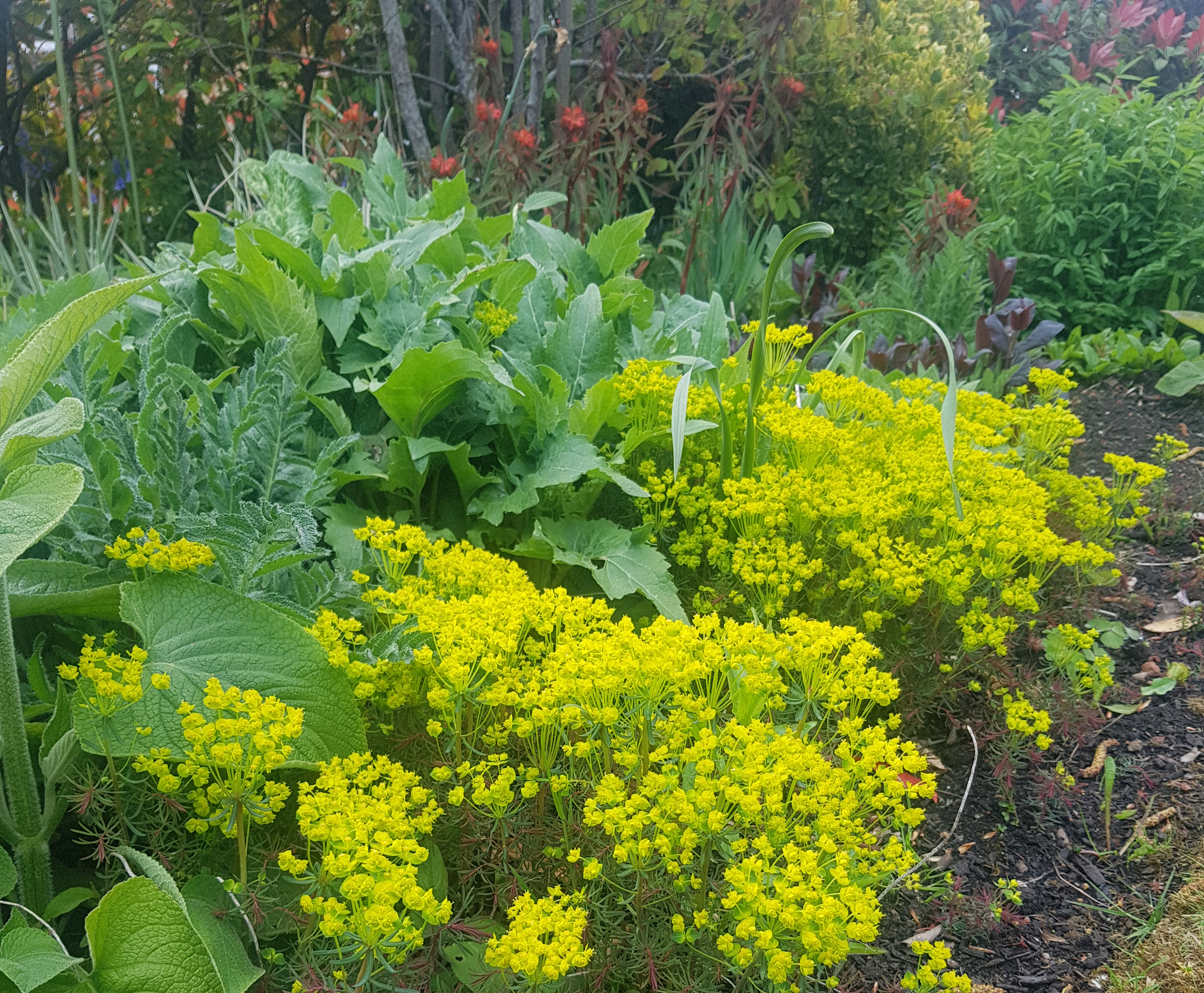
Euphorbia cyparissias looking splendid at the front of the shrubbery again. It has spread significantly since last year and now occupies a swathe across the front of the taller shrubs and perennials. I just love the acid yellow against the emerging sea of green.

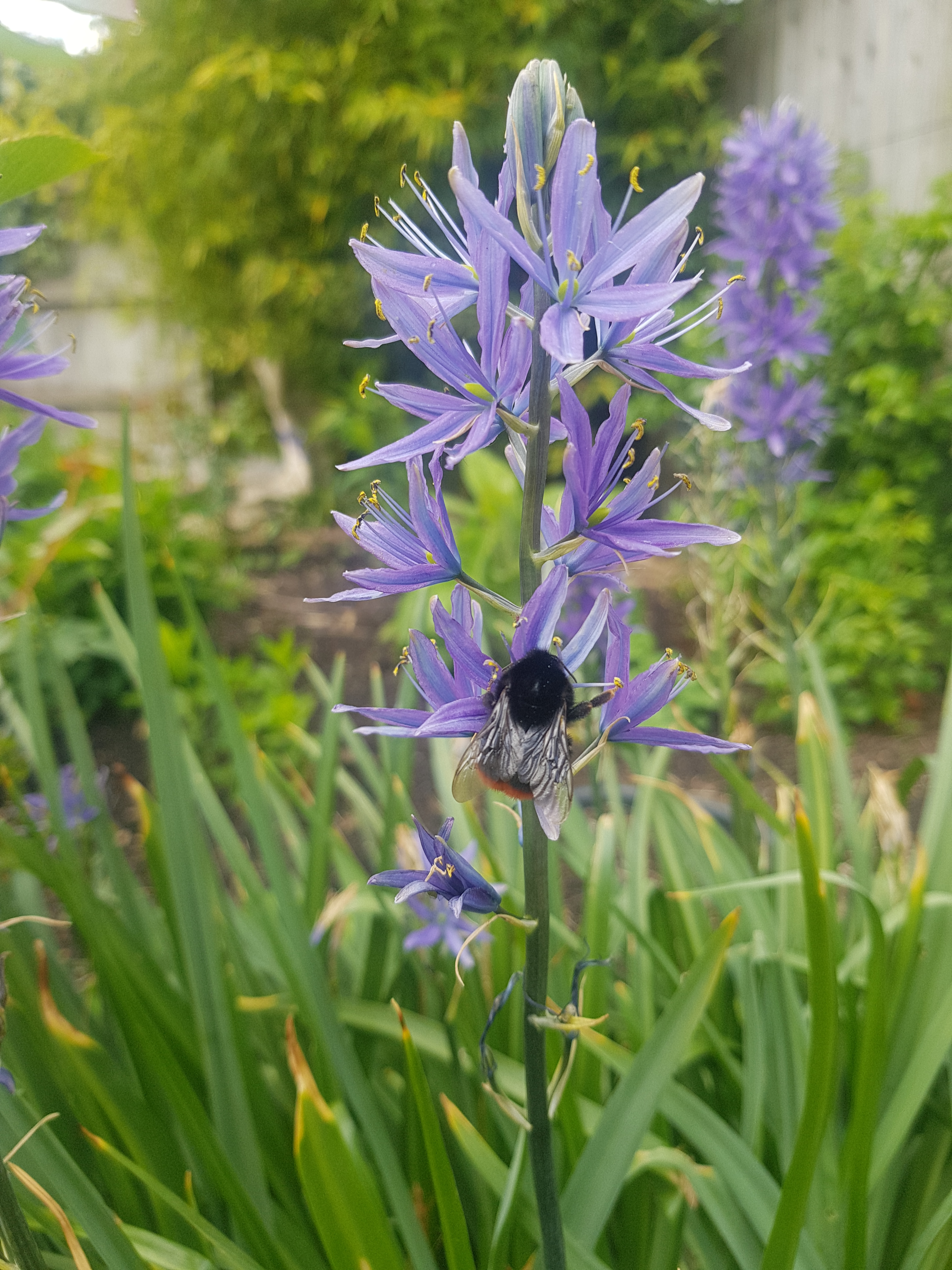
As an experiment, I lifted a huge clump of Camassias last year which were in the wrong place and overcrowded, dried off the bulbs over summer and planted them in big pots in the autumn. I am delighted with the results. They mix well with narcissus and some early tulips and I can move the pots in May to make way for the Agapanthus africanus.

Unless we have a late frost, which now looks unlikely according to the current weather forecast, the Wisteria sinensis ‘Prolific’ should look magnificent this year. After three years of frosted flower buds and no flowers, I might finally get the show I planned for. Fingers crossed!

I consider myself to be very lucky to have pink and white bluebells in the garden. They appeared by chance many years ago and come back every year. They have all the same characteristics of our native bluebell, Hyacinthoides non-scripta, and occur when the flower’s blue pigment is missing, making them ‘albino’ bluebells. It is believed a native white bluebell occurs only once in every 10,000 flowers.

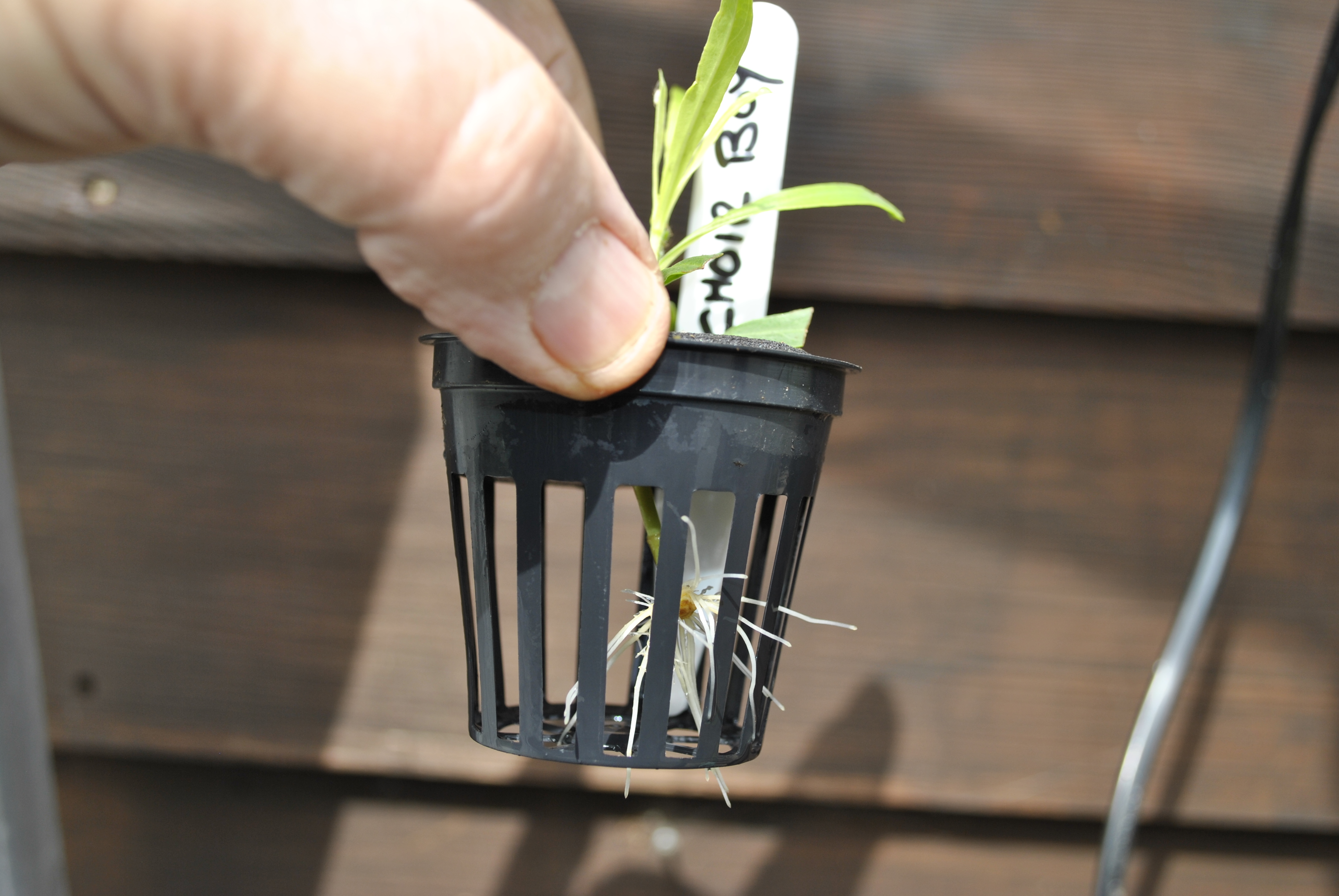
Finally, the Hydropod cuttings propagator is going full blast to create lots of young plants for the coming season. This is Penstemon ‘Choir Boy’, a rare white cultivar which I am hoping to popularise again. It has only taken three weeks to get these roots which proves the value of the equipment. I have now probably produced over 300 cuttings in three years!

Have a great Bank Holiday weekend

David

Six on Saturday

It has been so cold here in the Cotswolds that we still have the central heating on! Never known a cold spell last into early May before. Everything is at least three weeks behind where it should be at this time of year. This Euphorbia cyparissias doesn’t seem to mind the cold and is adding colour to an otherwise green scene.

The recent late frosts have killed all the emerging Wisteria flowers! Despite the plant itself being totally hardy, the flowers are not and are easily damaged by cold winds and frost. I am bitterly disappointed as it is usually a highlight of early May for me.

The Camassias have not performed as well as usual this year with far fewer flowers. I will feed the bulbs for a few weeks before the foliage dies down and will then lift and divide them because it may be due to the bulbs being too congested. The brown leaf tips are worrying too. Perhaps a lack of nitrogen??

This Genista ‘Porlock’ is probably an escapee from a local garden and is actually in the hedge outside my garden but it is so beautiful I thought it was worthy of showing in the blog. Obviously a member of the pea family by the labiate flowers, it is a type of Broom with a faint but pleasant scent. I might see if there is an ‘Irishman’s Cutting’ I can take!

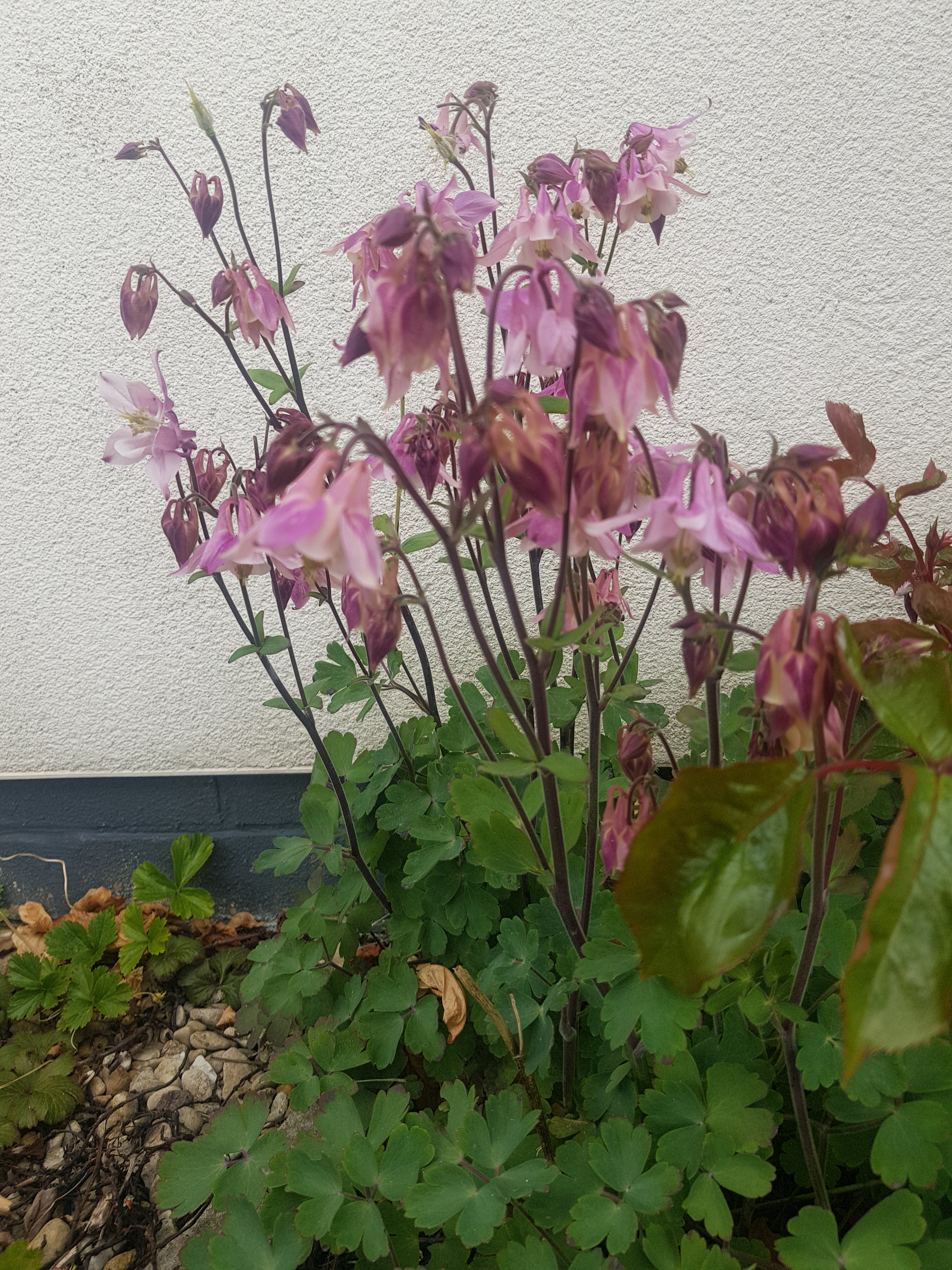
It has fascinated me that some plants always flower before others of the same species. This Aquilegia next to the house wall is the first to flower every year, weeks ahead of all the other hundreds in the garden. No logical reason why it should but it always does.

Years ago, I discovered Bowles Golden Grass, Milium effusum ‘Aureum’, in a local garden and the kind owner dug up a piece and gave it to me. Slowly but surely it has colonised several areas of the garden but in a good way. It likes the shady spots in amongst other plants, below trees and bushes, where it lights up the gloom with its bright yellow leaves.

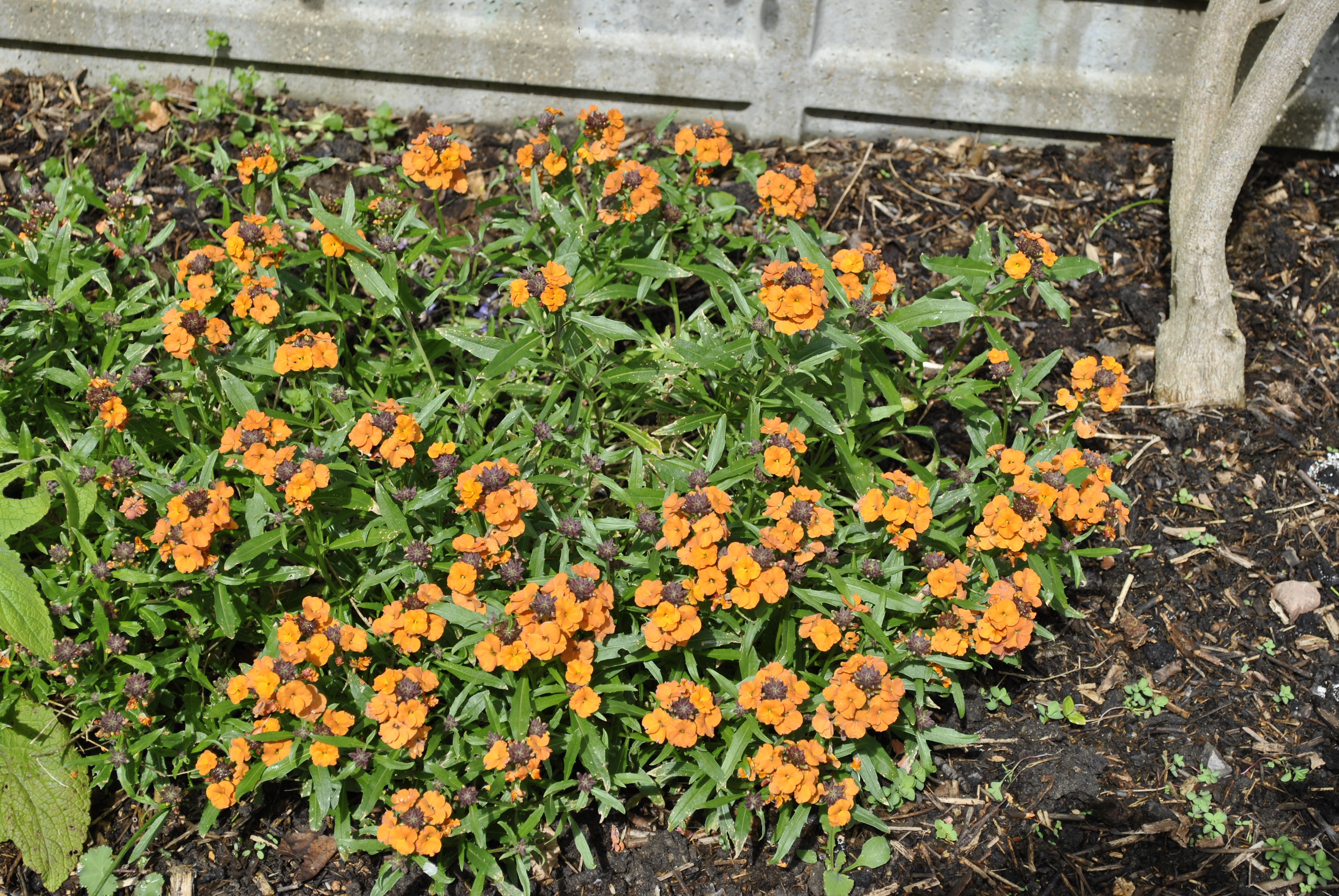
I kid you not, this Erysimum ‘Apricot Twist’ has been in flower constantly for 12 months! I cut back some of the straggly growth in February and the new shoots are flowering alongside the flowers on last year’s growth which shows no sign of slowing down. These plants literally flower themselves to death over a couple of years or so.

Have a great weekend

David