Six on Saturday

Storm Lilian has not been kind to the garden this week and many of my tall plants have been bent beyond their capacity for bending, resulting in snapping, which is never good. However, things like the Wisteria, which is firmly attached to the trellis fence, barely noticed and has decided to send out a fresh crop of flowers snuggled within the new foliage.

The latest Tradescantia to be added to the Collection was shortlisted for Chelsea Plant of the Year in 2023. It has the rather unusual name of ‘J S Brainstorm’, having been bred by Jan Spruyt in Belgium and claiming to be the first hardy Tradescantia to flower continuously for six months. So far, it has certainly done that for me this year, is still in full flower and showing no signs of slowing down yet. It looks remarkably similar to ‘Concord Grape’ which I am sure must be a parent. However, it is said to be ‘bred’ rather than ‘selected’ like so many of the Andersoniana hybrids have been, though how the exceptionally long flowering period came about is unclear.

Our beautiful Photinia fraseri ‘Red Robin’ hedge came under scrutiny from the Highways officer last week who kindly pointed out that their contractors would be resurfacing the footpaths in September and would I kindly cut the foliage back to the line of the footpath. I readily admit that the hedge is 12-18″ over the footpath but this still leaves enough for two people to walk alongside each other in comfort. However, as he pointed out, if I don’t trim it back, they will! This request/demand gives me a dilemma. If I trim it back 18″ there will be no foliage on the footpath side as Photinia leaves only grow on the outer extremities of the stems. Research tells me it would eventually grow back but would look ugly in the meantime. What to do?!

Once again this year, the Salvia uliginosa is a favourite with bees, its tall willowy stems topped with pale blue labiate flowers are a magnet. The bumbles are too large for the tiny flowers so they poke their tongue through the outside of the flower to drink the nectar. They will put up with the constant swaying, even in quite windy conditions, so the sugary sweet treat must be worth it.

I believe this Phlox paniculata to be ‘Blue Paradise’ although I didn’t buy it. It has been here since we bought the bungalow 15 years ago and I have divided and replanted it several times, as well as giving loads away to friends. It is certainly a striking colour and doesn’t get mildew like others I have. Quite short growing at 3′, flowers for a long time and has a faint sweet scent of Granny’s dressing table.

I keep being asked about Verbena ‘Bampton’ which grows like a weed in my garden, seeding into every crack and crevice and enjoying the dry clay soil. However, in the front bed where the soil has been much improved and mulch is liberally applied, it positively excels. This single plant is 3′ tall and wide and covered in wiry flower stems which makes it an outstanding border plant. It is perennial but seems to grow better from new seedlings each year which I either lift and move, give away or compost. You can have too much of a good thing!

Have a great Bank Holiday weekend.

David
Six on Saturday

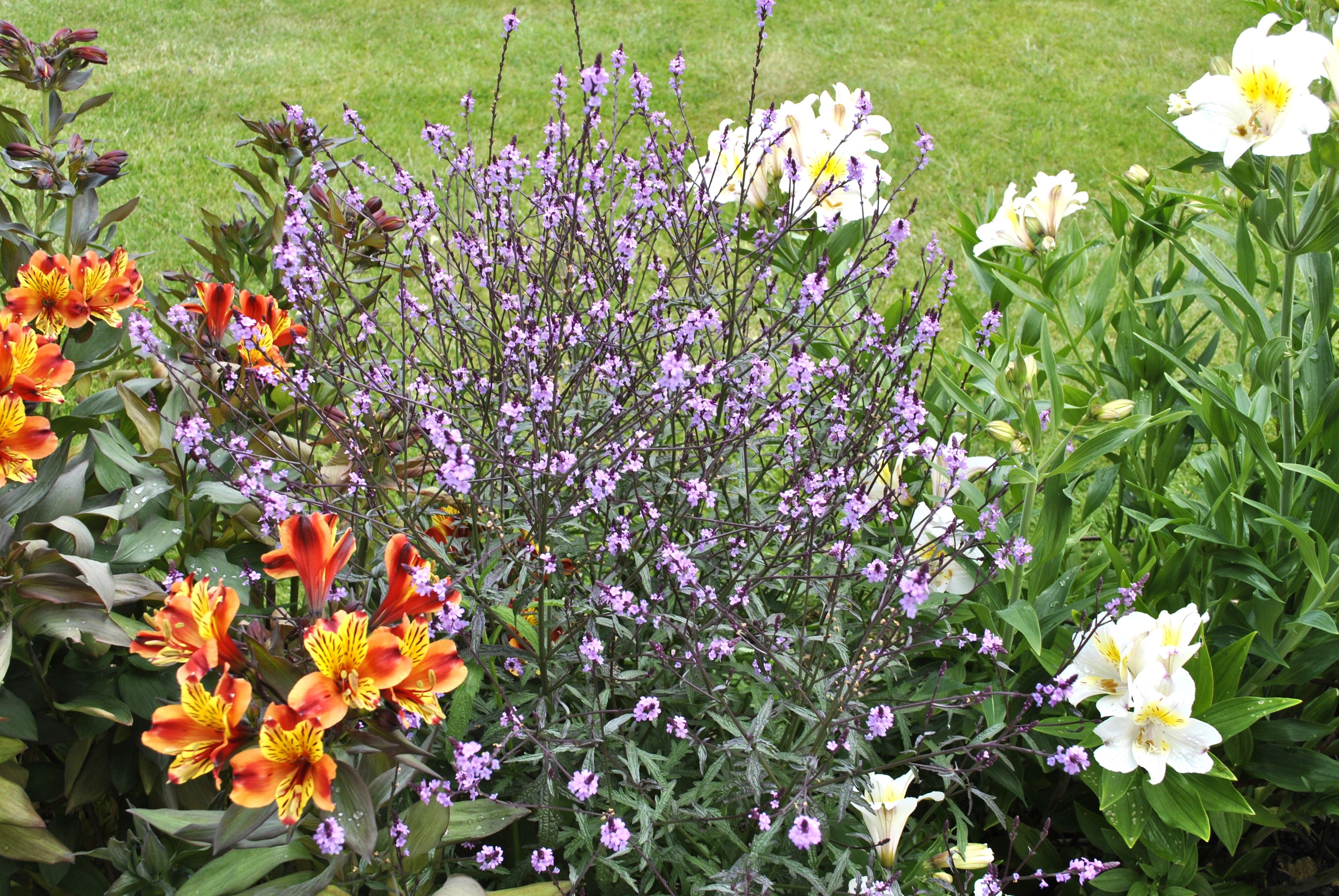
It’s raining again! I have a list of jobs to do in the garden, some of them quite urgent and involving power tools, which will have to wait. However, I did manage to pop out between the showers to photograph six things for this morning’s post. First up is Verbena ‘Bampton’ which popped up all by itself between two Alstroemerias. So, does this make it a weed? A plant in the wrong place? It certainly seeds itself about in my garden and I am constantly pulling up seedlings alongside those ‘true’ weeds like Bittercress and Sun Spurge. I allowed this one to grow to maturity as I thought the colour combo might work. The wiry mauve flower spikes certainly make an interesting contrast.

My unusual hanging basket by the front door has certainly prompted a few comments this year! However, it is certainly eye-catching and colourful, if you like yellow and green, and soon it will be covered in tiny bright red fruits of Tomato ‘Tumbling Tom Red’. Which?Gardening magazine want to know whether it grows well in a basket or pot and whether we get a good crop of tasty tomatoes. It all looks promising at the moment but it certainly takes some watering and feeding to keep it going.

The little Japanese aster, Kalimeris incisa ‘Charlotte’ is just starting to flower and, although a little swamped by the surrounding plants, it is holding its own at the moment. A clump-forming perennial to about 60cm tall producing a mound of dark green foliage topped with pale purple daisies with gold centres, produced over a long period from mid-summer to mid-autumn. I have a few Chrysanths too but these Kalimeris flower earlier and for longer, don’t succumb to mildew and, so far, are not eaten by slugs and snails.

Every year, visitors to my garden ask what this is. I am amazed it is not grown in more gardens and sold by more nurseries and garden centres, for it is a superb easy-to-grow plant. Diascia personata is a semi-evergreen perennial with upright stems producing racemes of small pink flowers with darker pink centres from late spring into autumn. I have had it for several years and take cuttings in late summer in case of winter losses. It needs a bit of support so it grows happily in amongst other plants. I grow it with Hesperis matronalis which is over by the time the Diascia flowers.

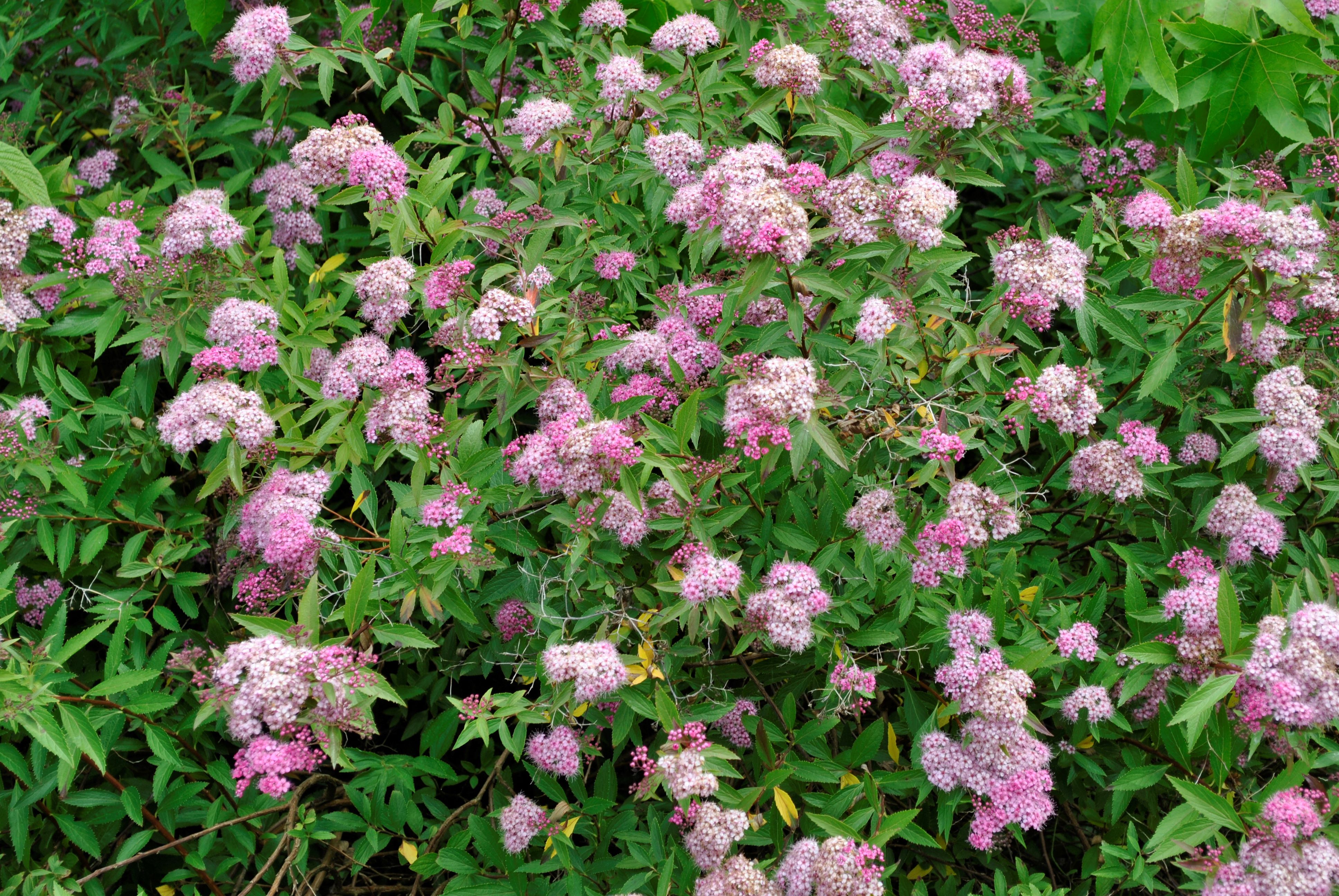
Possibly the oldest shrub in the garden is this Spiraea japonica which was grown from a cutting 16 years ago when we moved here. A neighbour was digging it out and disposing of it as he thought it was ‘ugly’, and decided to replace it with a Cornus kousa which is now a thing of great beauty in every season. Ugly or not, it is an undemanding shrub which flowers briefly in early summer, gets pruned hard in winter and is forgotten about until the following July.

Salvia forskaohlei or Indigo Woodland Sage, has huge leaves and enormous spikes of indigo flowers, very different from the usual shrubby or nemerosa types. In fact, Salvia is the largest genus of plants in the sage family Lamiaceae, with nearly 1000 species of shrubs, herbaceous perennials, and annuals. This one is totally hardy and great for poor, dry soils where it will spread and cover the ground in no time. In my garden it is in the ‘difficult’ border where little else thrives in the almost impenetrable clay. It is a magnet for bees and other pollinators too.

Finally, I am looking for some help identifying this pretty cluster-flowered floribunda rose which is rambling over my archway. It was inherited with the garden and is reliable, very healthy and flowers for several weeks in July and August. A friend has suggested it might be ‘Dorothy Perkins’. Has anyone got a similar or alternative suggestion please? I would love to know its name.

Have a great weekend

David

Six on Saturday

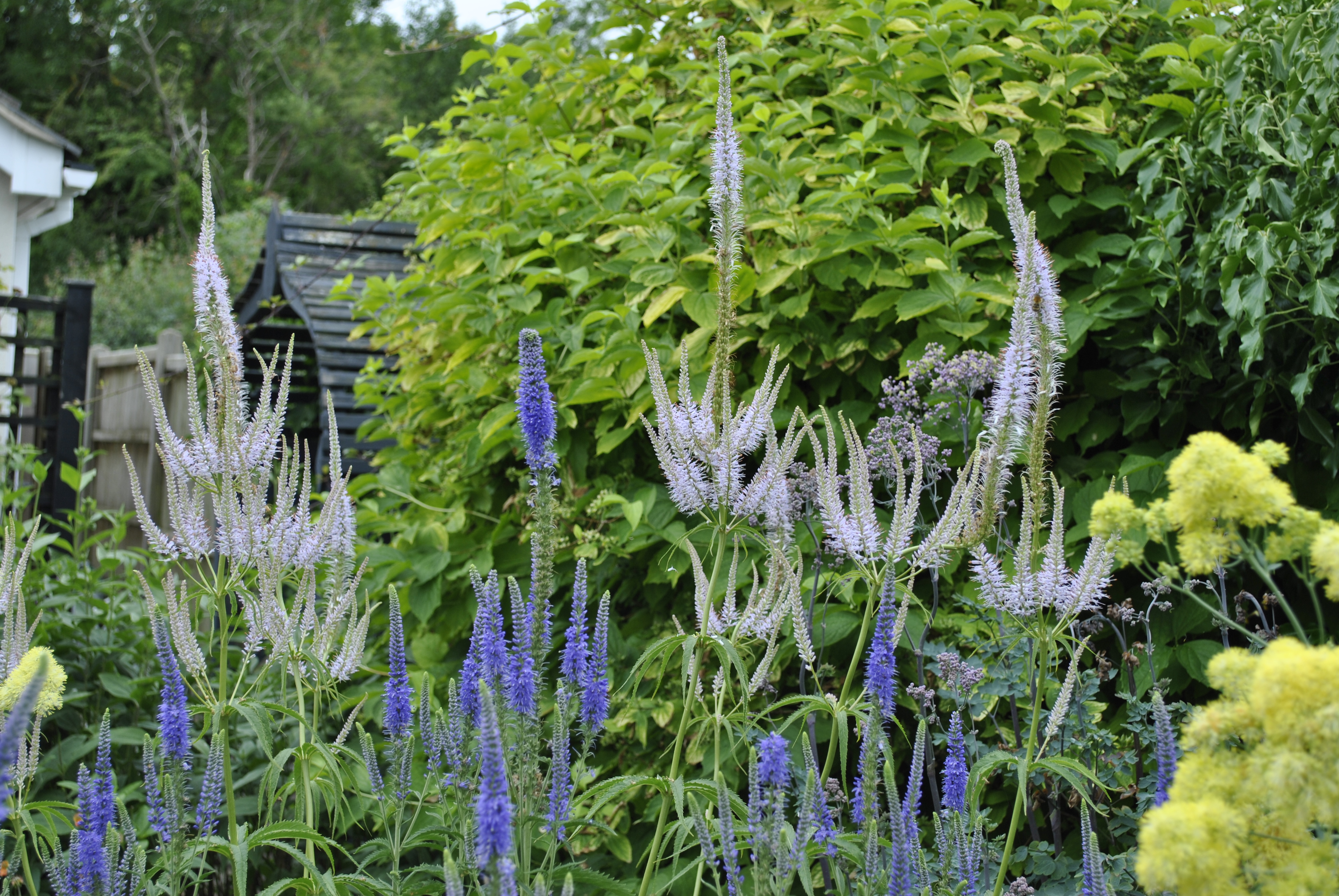
It’s the height of summer and everything in the garden is jostling for position, pushing and pulling or reaching for the skies like this Veronicastrum ‘Lavendelturm’ which is peaking over Veronica longifolia at the back of the border.

The same border is fronted by this tall Lysimachia ephemerum which always causes a stir when visitors see it. Firstly, they can’t believe it is a Lysimachia, and secondly because of its elegance and beauty. It is tall, 150cm or more, with glaucus foliage and spikes of pure white florets which, despite the name, go on for several weeks.

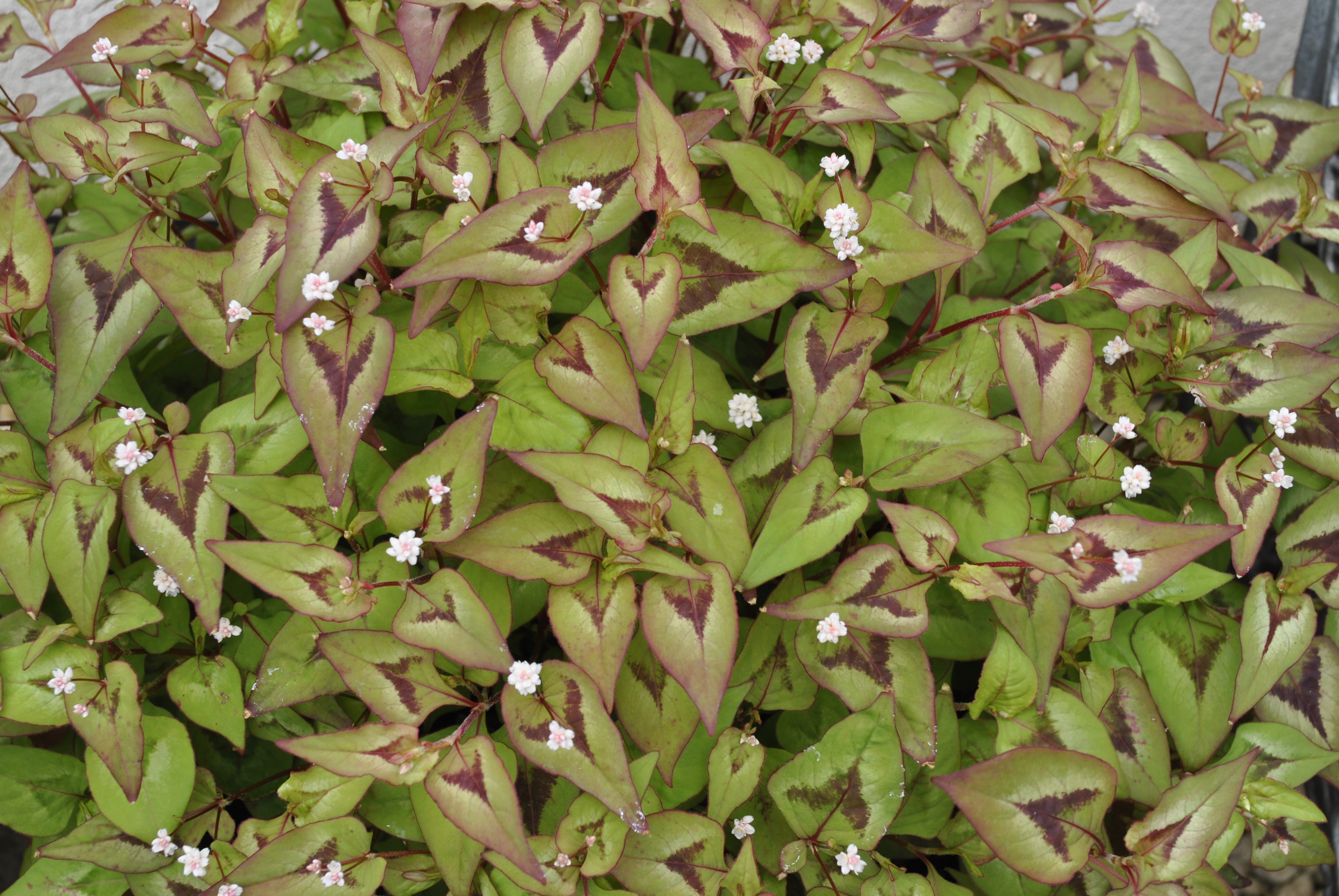
This unusual and diminutive Persicaria microcephala arrived with a health warning as it has a reputation for spreading uncontrollably under the right conditions. Fortunately, I don’t have the ‘right conditions’ which is a moist fertile soil. My dry clay soil should slow its progress outwards and instead, form a nice mound of pointy foliage topped with pretty white flowers.

My ‘go to’ downpipe concealer is this climbing foxglove, Lophospermum erubescens, which a kind friend gave me many years ago and which, owing to its propensity to drop seeds everywhere, has stayed with me ever since. I have given up trying to overwinter the mother plant as it never seems to do as well in subsequent years so instead, I simply dig up one of the myriad seedlings it kindly provides and overwinter that instead. This is one I dug up in October and is now 8′ tall. It produces hundreds of pretty pink foxglove shaped flowers and felty, heart shaped leaves which go on for months. Highly recommended.

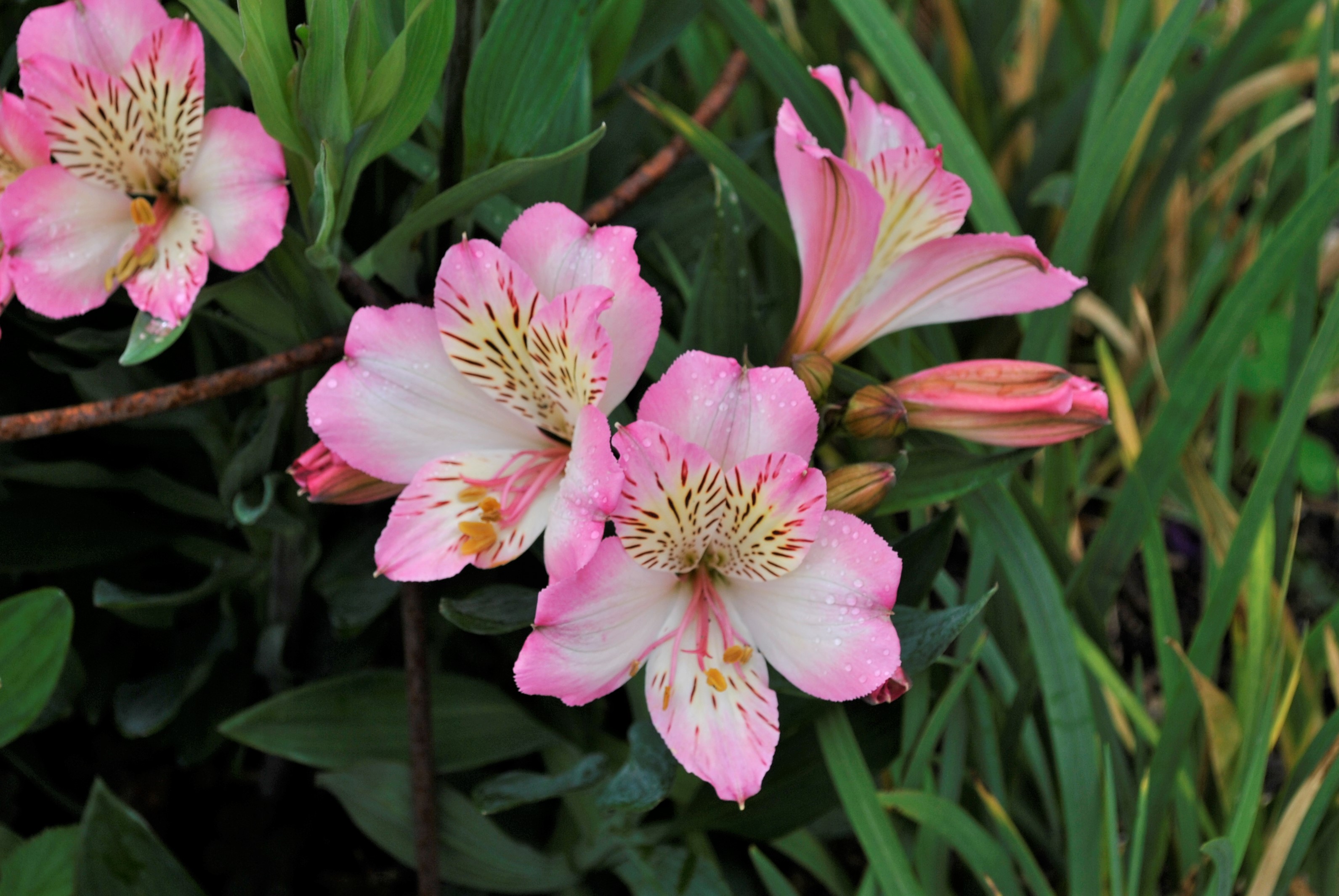
Alstroemeria ‘Summer Break’ found last winter tough going and has only just produced its first flowers which is much later than its companion ‘Indian Summer’ which has been flowering for several weeks already. However, the flowers are so exquisite that she is forgiven for her tardiness.

Very tricky to photograph, this Verbena officinalis ‘Bampton’ sits in a dark corner of the rose garden next to a path which is where it seems to enjoy life with its feet under the paving, rather like V. bonariensis does. I have given lots of volunteer seedlings away this year to people who either don’t know it or can’t grow it, which I find astonishing. It is now officially classified as a weed in my garden! Contrary to its hot, arid origins, this plant prefers to be in the shade and needs quite a moist soil, perhaps because it was found in Bampton in Devon!

Just had to end this week’s Six on a rose, and what a rose! ‘Camille Pissarro’ at his absolute crazy, zany impressionist best!

Have a great weekend

David