

Back from a week in the Channel Islands to see friends and enjoy the sunshine. Boy oh boy, if you want to see Agapanthus, that’s the place to go! However, back to my own garden and the struggles with the heat and humidity over the last week or so. You would think that dahlias would like the heat, coming from Mexico and South America, but I find they appreciate a bit of shade and lots of water. I have had a terrible time with aphids this year, sucking the life out of the flower stems, farmed by black ants for their sugary secretions. I keep hosing or spraying them off, but they are back next day! However, Dahlia ‘David Howard’ (above) has not been affected and is flowering magnificently. Hard to believe this was a chance seedling of the bright red ‘Bishop of Llandaff’ spotted by Suffolk nurseryman, David Howard, in the 1950’s.

The diminutive Alstroemeria brasiliensis is rather shy and retiring and hates competition, so I have to make sure she has enough room to develop and flower unhindered. Not a strong grower like the modern cultivars selected for their height and vigour, this one is barely 18″ tall and a weakling by comparison. Pretty nevertheless.

The Tulbhagia violacea is now in full bloom and much admired, despite the smell of garlic from stroking the leaves and flowers. However, It’s called Society Garlic because Dutch settlers to South Africa thought it was a more polite spice to use for flavoring dishes than true garlic; it can be eaten without causing bad breath!

A new addition this year is Helianthus ‘Monarch’ with double flowers and an attractive green centre. Tall and self supporting like its cousins, this makes a nice change from the common single types.

More yellow, and another new addition for this year, and also a double flowered variety, is Rudbeckia hortensia. Very tall at 2.5m, rather like R. laciniata, the fluffy double flowerheads are very striking. Of course, you have to like yellow! There are still some who are snooty about yellow and won’t have it in their gardens. Apologies if that offends!
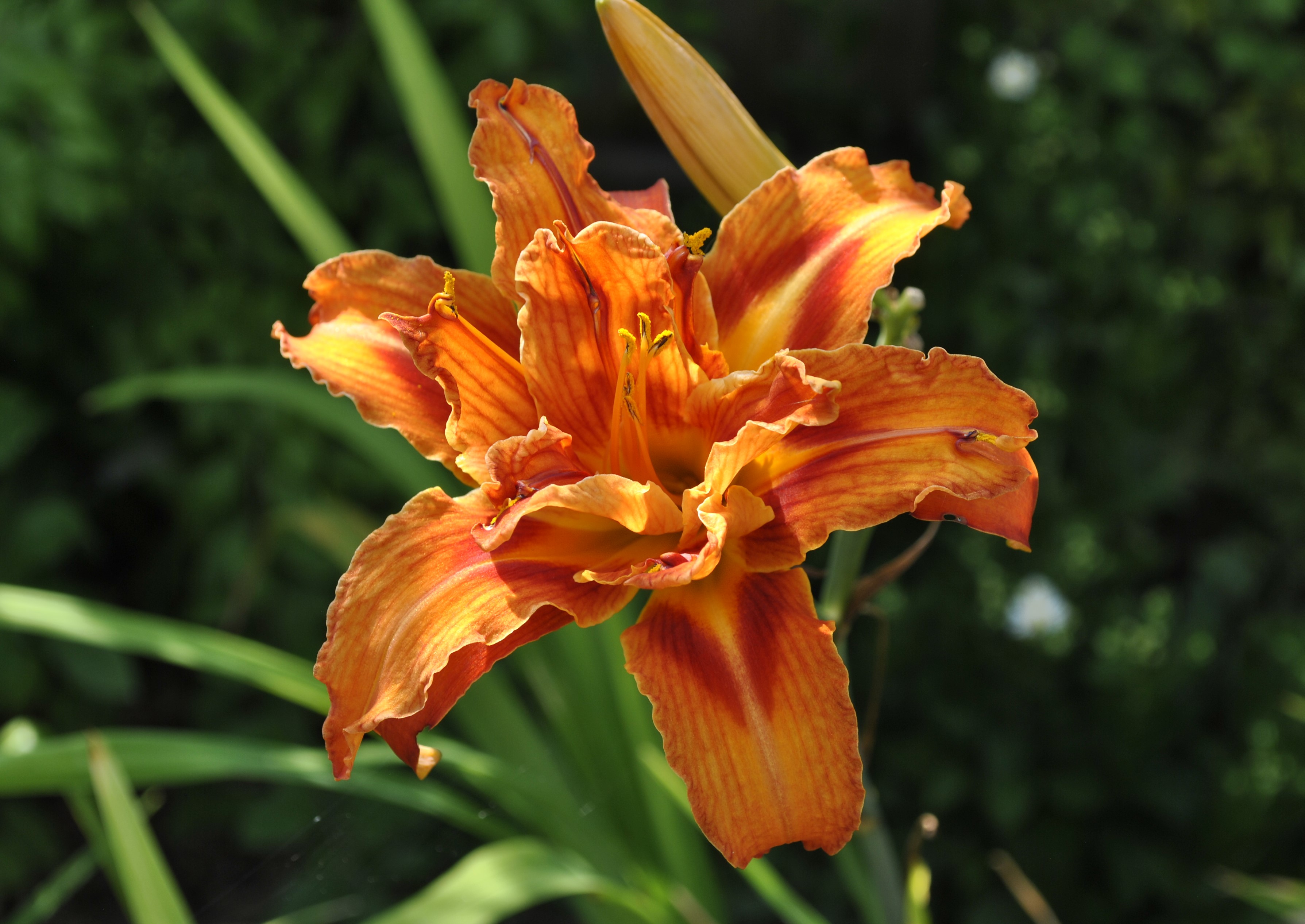
I don’t care for day lilies, Hemerocallis, as much as I used to. I quite enjoy the flowers like this double flowered version of fulva called ‘Kwanso’, but the mountains of foliage get on my nerves. They need a firm hand and a big cull is on the cards for next year!

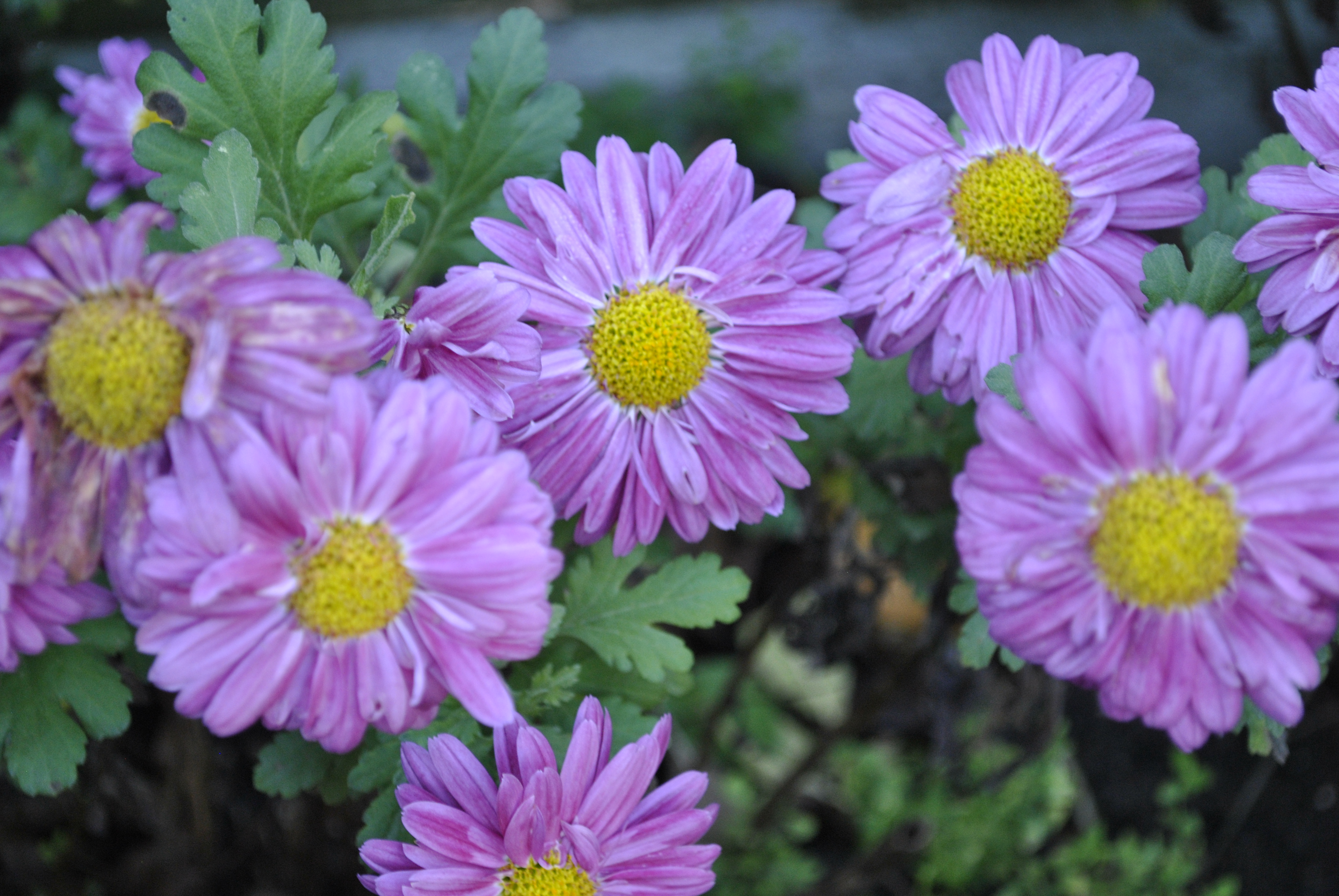
The front border is at its best now billowing with self -sown Cosmos, some Crocosmia, Phlox, Alstroemeria, Salvia uliginosa, Rudbeckia laciniata and Goldsturm, Diascia personata and interspersed with Osmanthus, Pittosporum and hardy Chrysanthemums. A few short weeks ago we were all complaining about the relentless rain. Now it is a job to keep things watered!
Have a great weekend
David





 Davids Garden Diary