Six on Saturday

It would seem that Autumn is upon us already and the turning leaves of the Liquidambar styraciflua ‘Worplesdon’ are always the first to confirm it in my garden. Not really surprising as these acer relatives are primarily grown for their glorious autumn hues of red and orange.
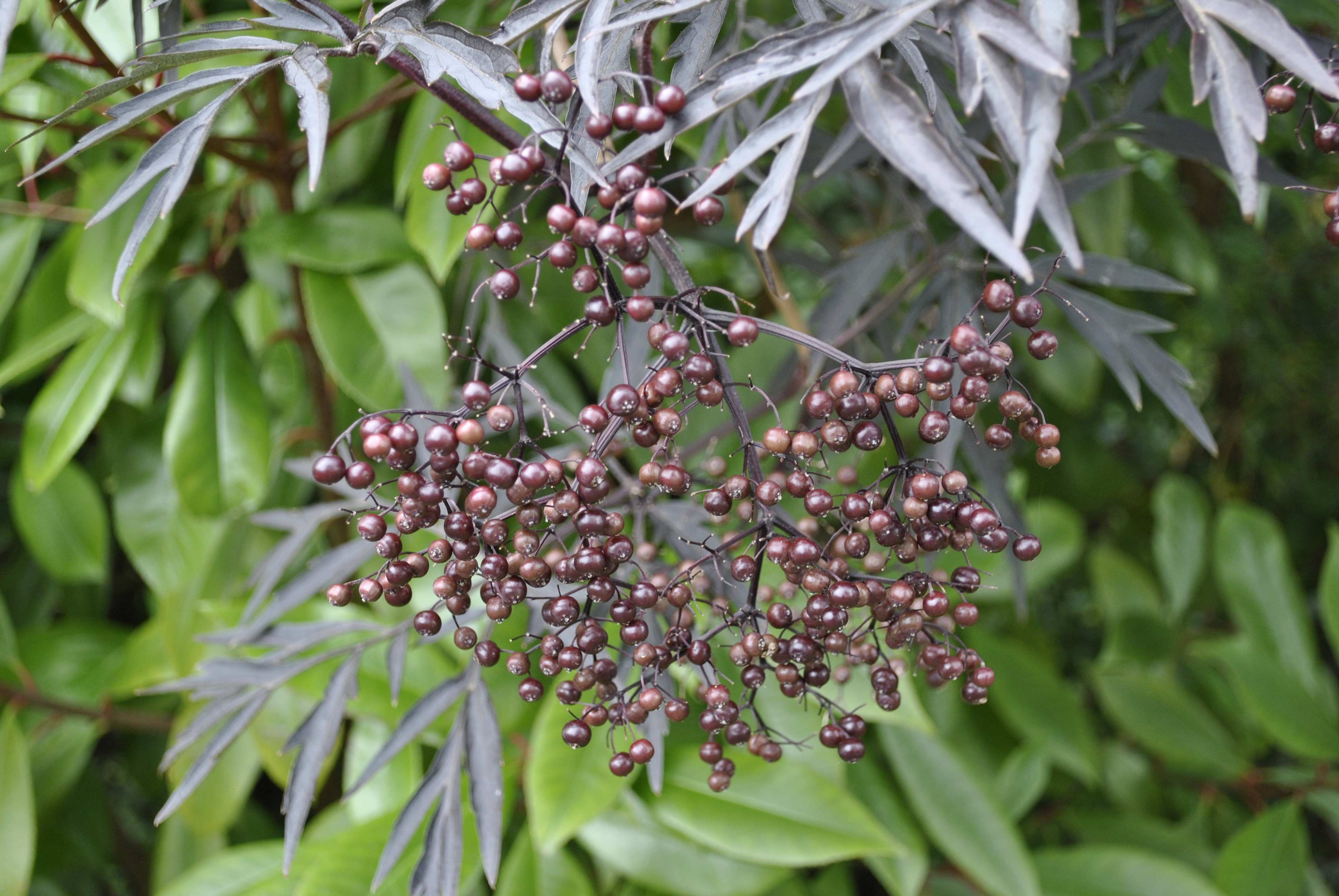
The fruits of the dark leaved elder, Sambucus nigra ‘Black Lace’, are also a sign that the seasons are slowly changing. It won’t be long before the birds will pick them clean in preparation for whatever sort of winter we are going to have this year!

The red tips of the Photinia fraserii ‘Red Robin’ have appeared again just a few short weeks after their mid summer trim and in rude health after the disappointingly wet July & August. A final trim might be in order at the end of the month just to keep it tight and tidy for the winter.

One of the benefits of being the National Collection Holder of hardy Tradescantias is the potential for new cultivars from the hundreds of self sown seedlings I get each year. The Tradescantia Andersoniana Group is very promiscuous and hybrids are plentiful as in many species, and new varieties are often selected from the result of cross pollination. Very few are sufficiently different to be worthy of the work and cost required to progress them via micro-propagation but occasionally an unusual colour combination catches my eye as the one above did yesterday. I have provisionally called it ‘Lavender Blush’ and I will grow it on to see if the colours remain stable next year. Fingers crossed!

A month too early but the Hesperantha coccinea are beginning to flower, again probably due to the wet July & August mimicking the summer rains in their native South Africa. The pale pink and white varieties are yet to show but it surely won’t be long now.

Finally for this week, the little patch of Persicaria affinis under the Rowan tree has finally formed a beautiful mat of pink tufty bunny tail flowers which, for a pleasant change, is exactly what I planned and wanted! Six plants, well spaced out, have knitted together over the last three years to replace the dwindling Osteospermum jacundum and have now fully done so. I love it when a plan comes together which, in gardening, I find quite rare!

Have a great weekend

David

Six on Saturday

And, just like that, Autumn is upon us! The Liquidamber styraciflua ‘Worplesdon’ began her decline at the end of August this year, a full month earlier than usual, so her leaves are already turning crimson as they lose their sugar and end their life cycle for another year.

The Amelanchier lamarckii is also turning from its summer green to that gorgeous, golden honey shade before they too drop and carpet the ground with colour. This is not death but renewal, and both trees will come back bigger and stronger next year.

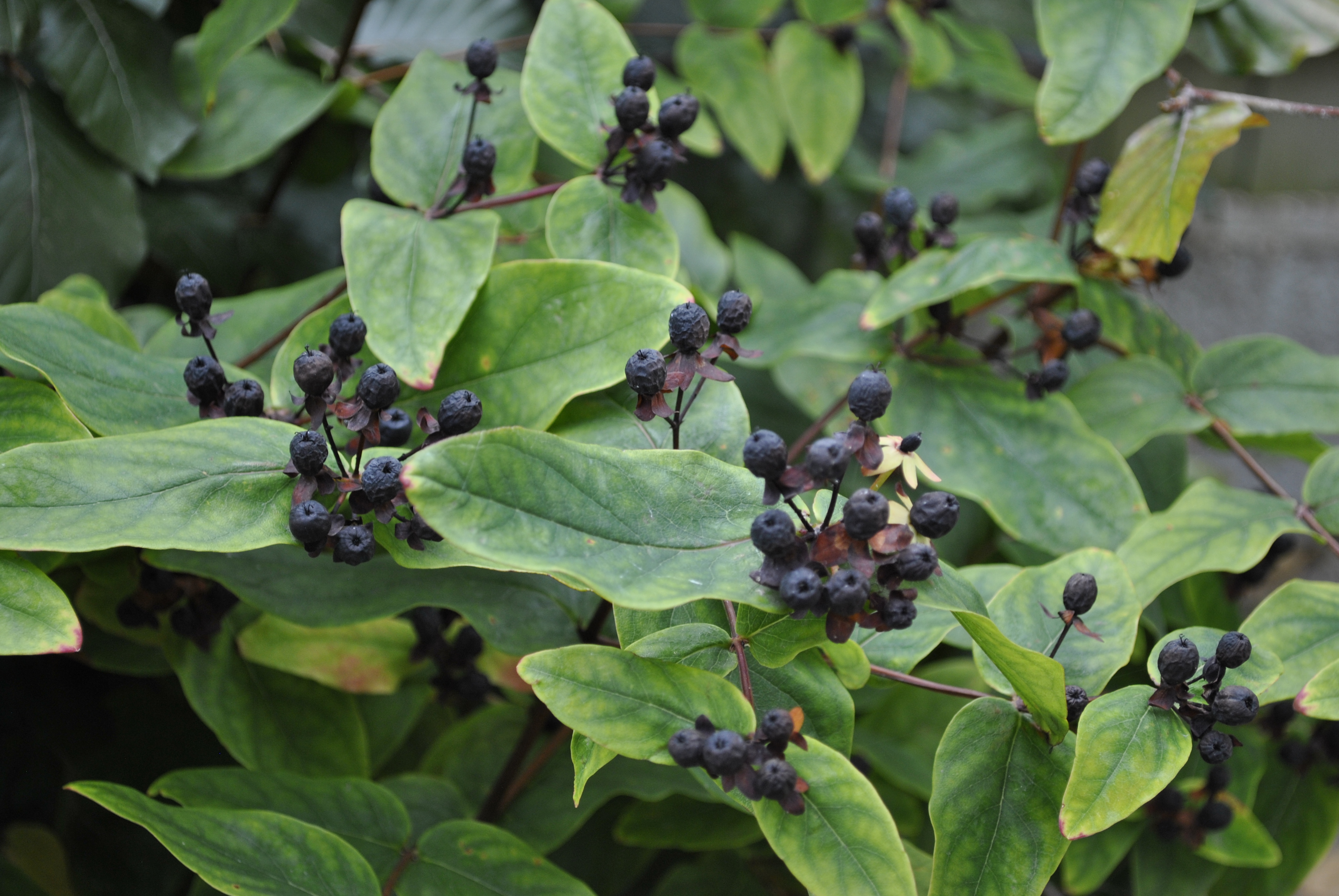
The previous owners of our bungalow must have planted some Rose of Sharon bushes, Hypericum calycinum, which, despite my best efforts, are still around making a nuisance of themselves 13 years later. I pull them out but they always return. This one escaped my attention by hiding under the beech in the drive border but I must dig it up before those berries fall and cause even more mayhem next year. A real persistent survivor from the 70’s when it was all the rage. Little did they know!

This little patch of Persicaria affinis did not enjoy the full glare of the hot sun in July and sulked for weeks afterwards. Even copious amounts of water did not coax it into flower but now, suddenly in October, it is back again in force! The little pink fluffy bunny tails are enjoying the cooler conditions and the low sun in the lee of the hedge and delighting me every morning as I raise the kitchen blind.

The Chinese Mountain Ash, Sorbus hupehensis ‘Pink Pagoda’, is laden with fruit after a barren season last year. It may be a variety that has a rest year, I am not sure. What I do know is that the pesky Wood Pigeons will be on it shortly performing their acrobatics to strip the tree of every last berry. They are quite comical and never seem to break a branch no matter how precarious their endeavours!

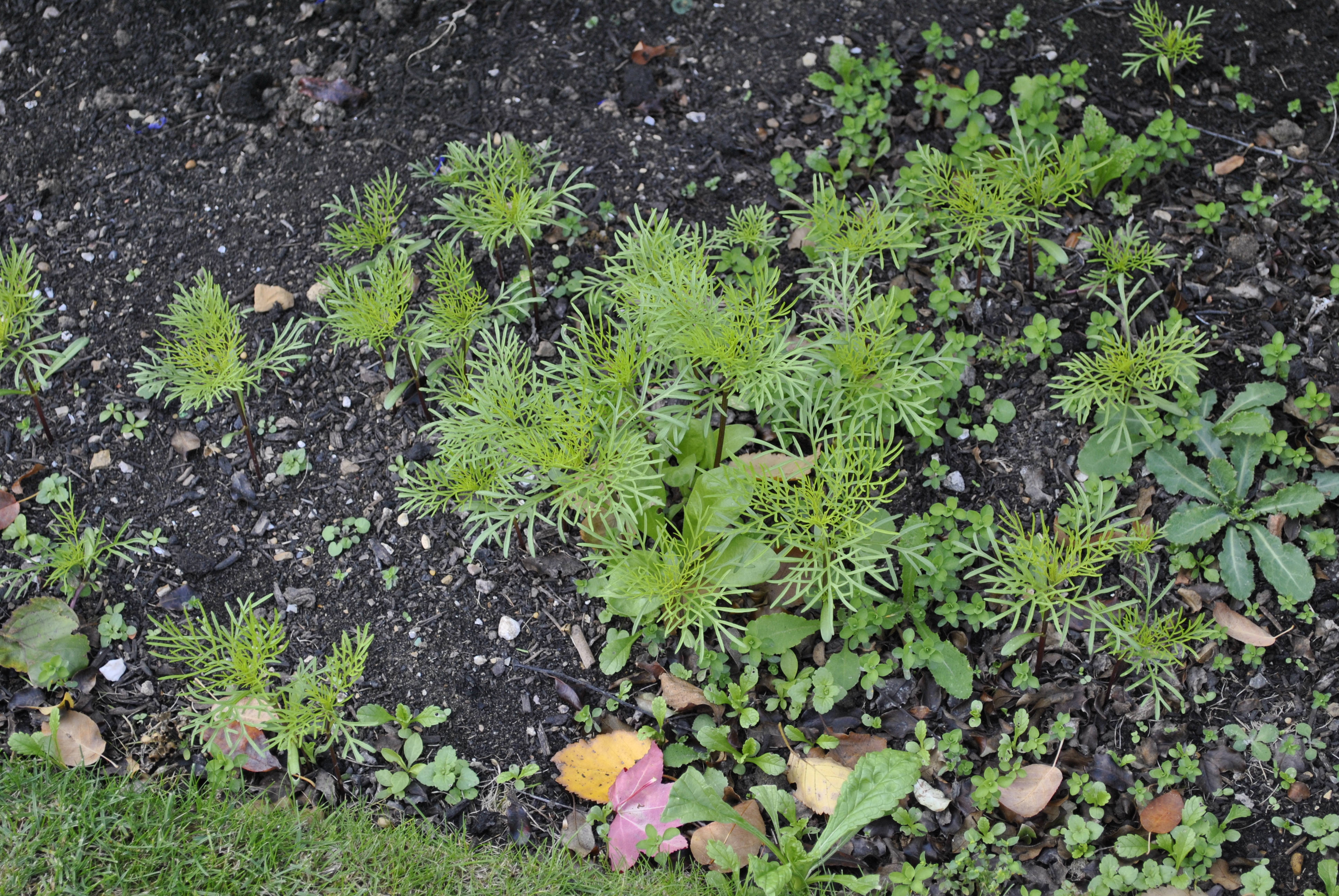
This is a bit of a dilemma. The Cosmos which was planted here, which fell over and was removed weeks ago, obviously shed a lot of seed behind my back and has produced dozens of babies. I doubt they will survive the winter but even if I were to dig them up, I have nowhere warm enough to put them. What to do? Leave them and watch them turn to mush and die? Pot them up and leave them in the greenhouse to turn to mush and die?

This was it before it was removed. Too pretty to lose forever. Watch this space!

Have a great weekend

David