Six on Saturday

It’s June, which means roses, and they are very good this year…..so far! I caveat any comments about roses because disaster could strike at any moment. Aphids, rose sawfly, blackspot, mildew etc., etc. However, this year I was lucky to have an army of Blue Tits which cleared all the aphids and caterpillars, and so far little or no blackspot. This is Rosa ‘Bonica’ grown as a standard and pruned to within an inch of its life in January, showing just how well they respond by producing an enormous number of flowers on shortish stems.

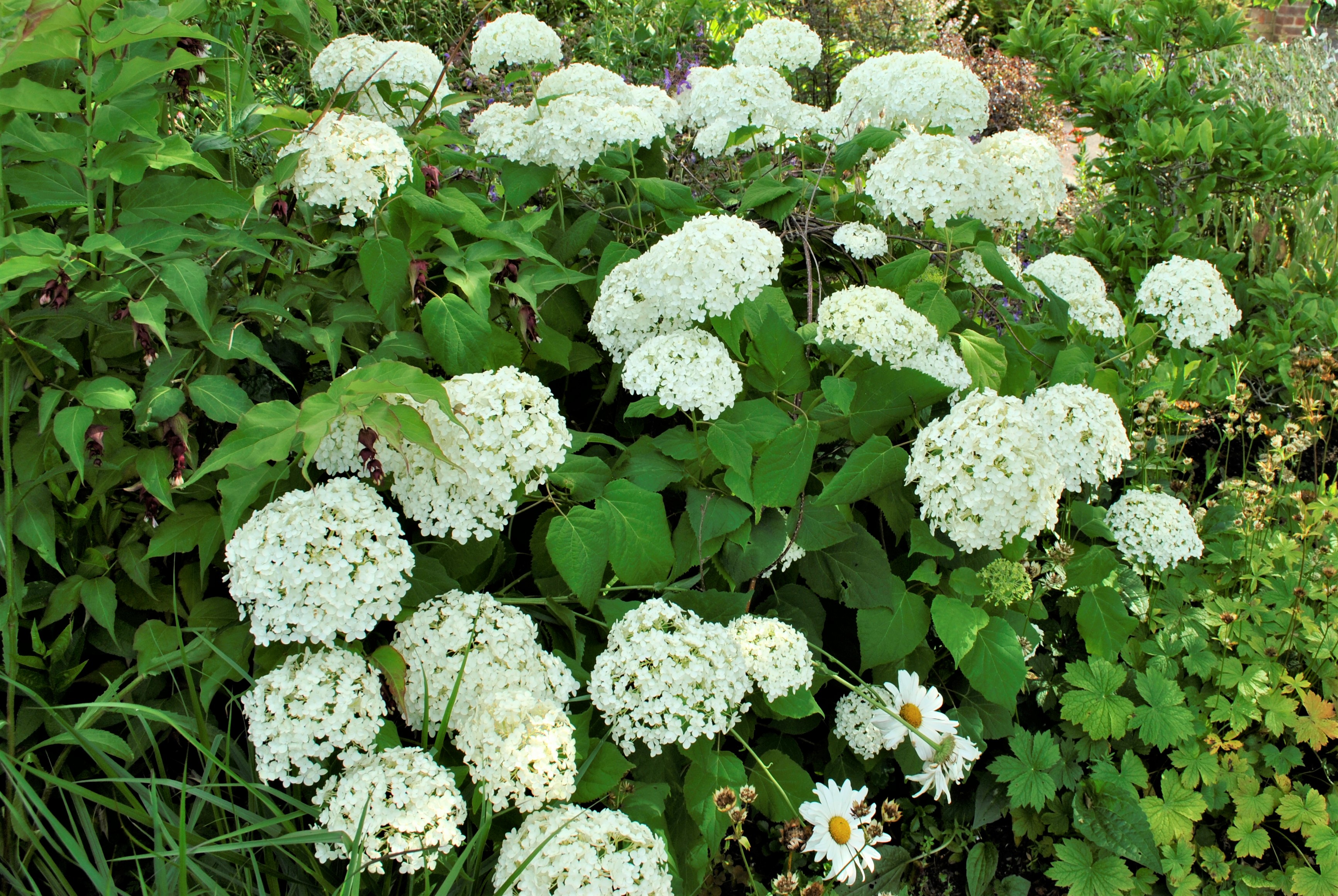
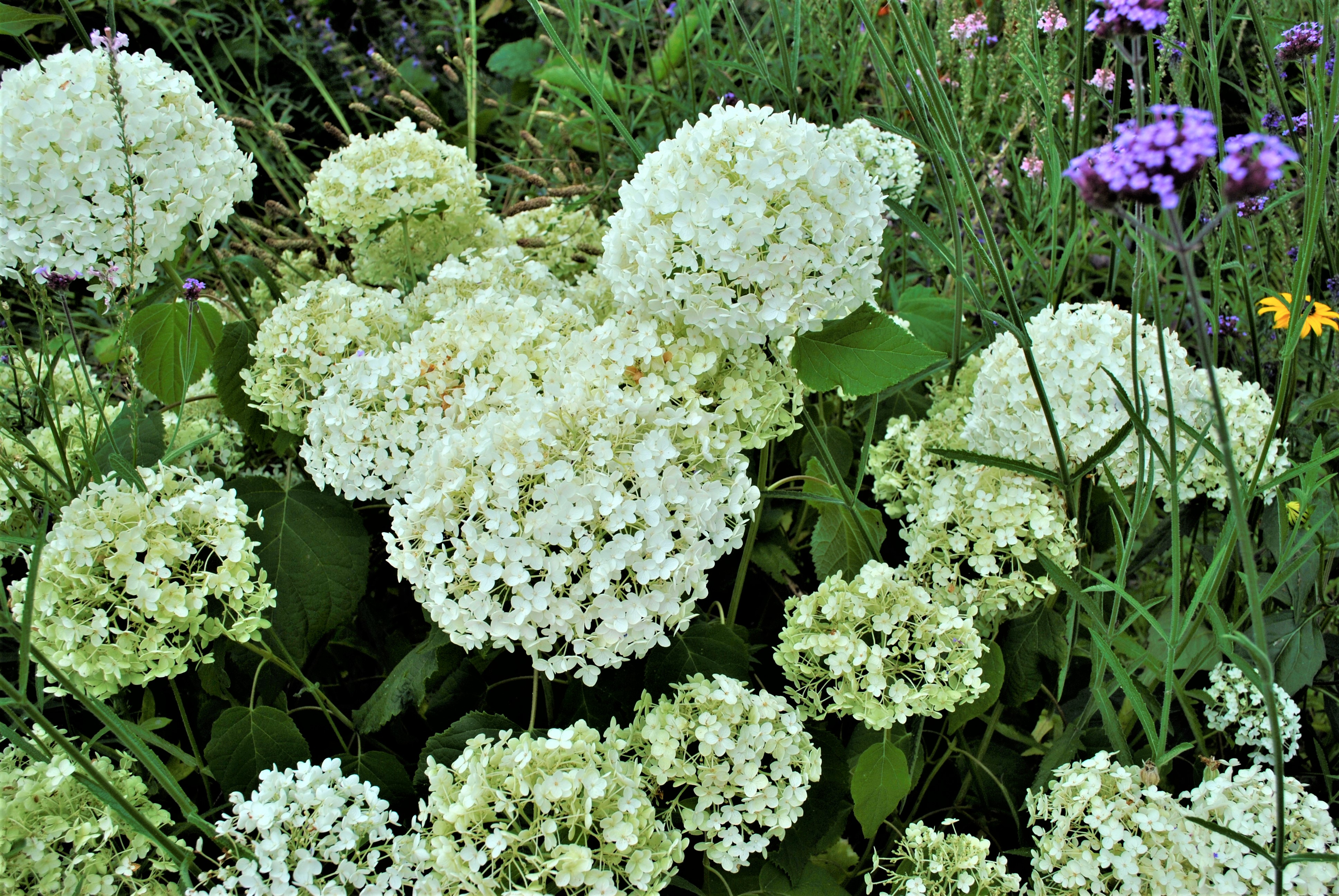
Hydrangea arborescens ‘Annabelle’ is a bit hit & miss in my garden. Some years it’s great, some years not so great. It is very dependent on the extent of spring rainfall. However, I learned something interesting last year from a professional gardener at a country house who said she was unhappy with the way the huge floppy flowerheads drooped, particularly after rain. So, she experimented with the pruning and discovered that if you don’t prune them so hard, the flowerheads are smaller but they stand upright on stronger stems. So, that’s what I did and it works! The flowers will still be impressive and should remain upright.
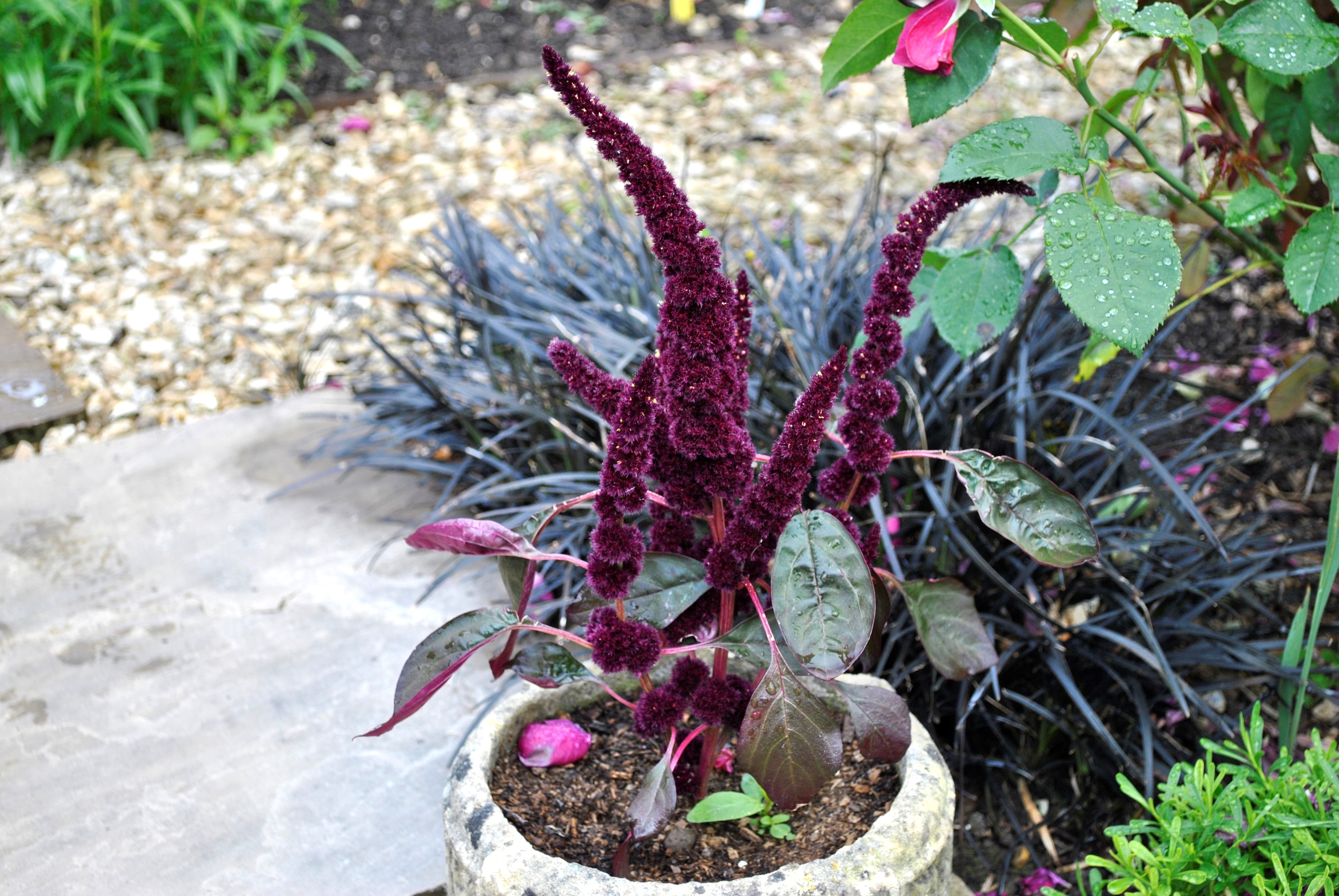
I am trialling this Amaranthus paniculatus ‘Foxtail’ for Which? Gardening magazine this year as part of their seed trials. They would like to know how well it grows and how striking the foliage looks in a pot. I managed to germinate 12 plants which are now all planted out in containers of various types and size. They are a bit weird and remind me of the stalks of millet seed we used to poke through the budgerigar’s cage! However, they are covered in ‘flowers’ and doing well. Not sure if I would grow them again though!
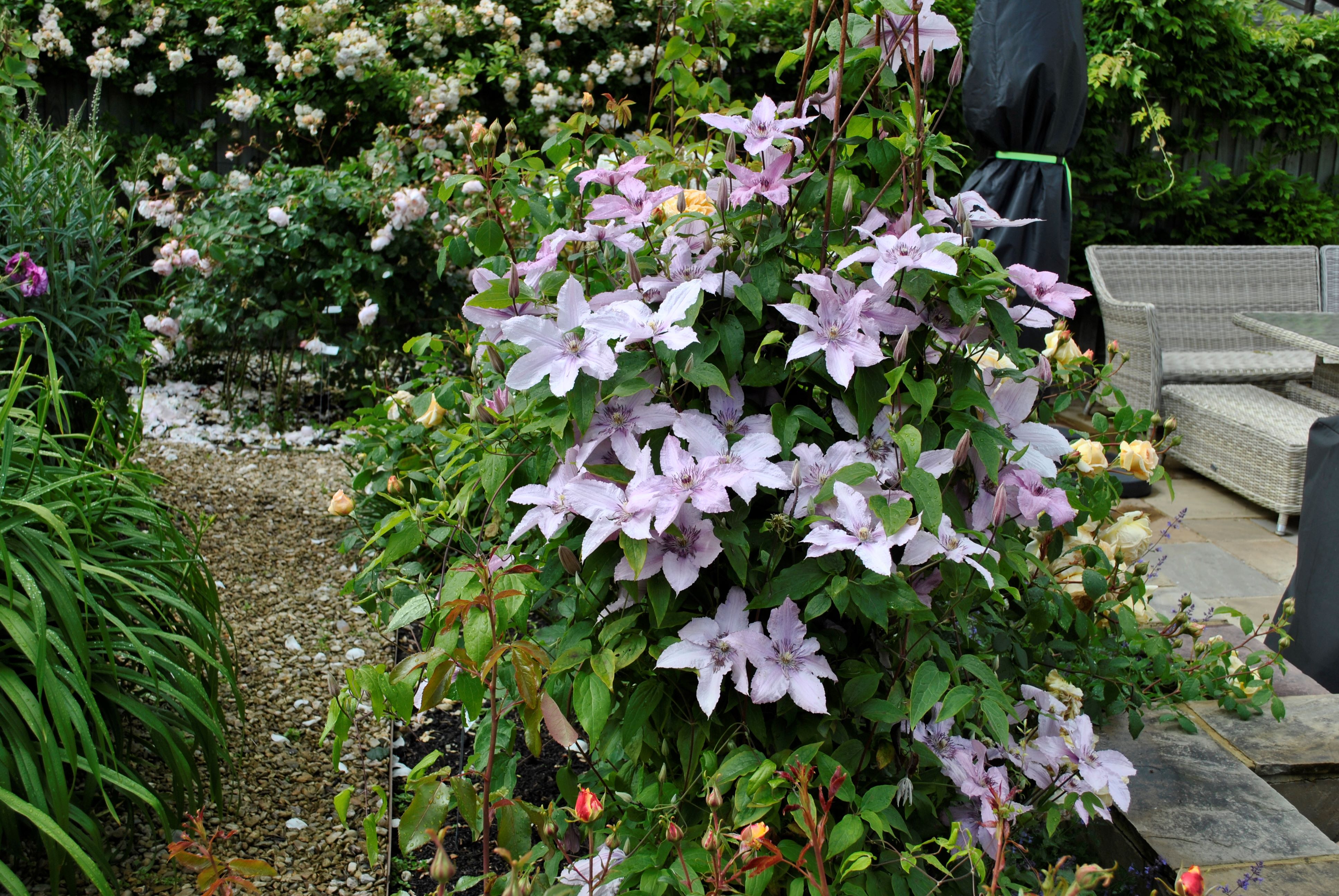
I grow a lot of clematis but ‘Hagley Hybrid’ is the most reliable and probably the most striking. Not the most evocative name in the world, almost like they couldn’t be bothered to choose a real name, but it has stood the test of time and flowers just when the roses are at their best too. The pale pinky mauve colour is a bit ‘washed out’ and could do with a new 2nd cousin with stronger hues, but that might reduce its vigour and reliability, so I will stick with the original.
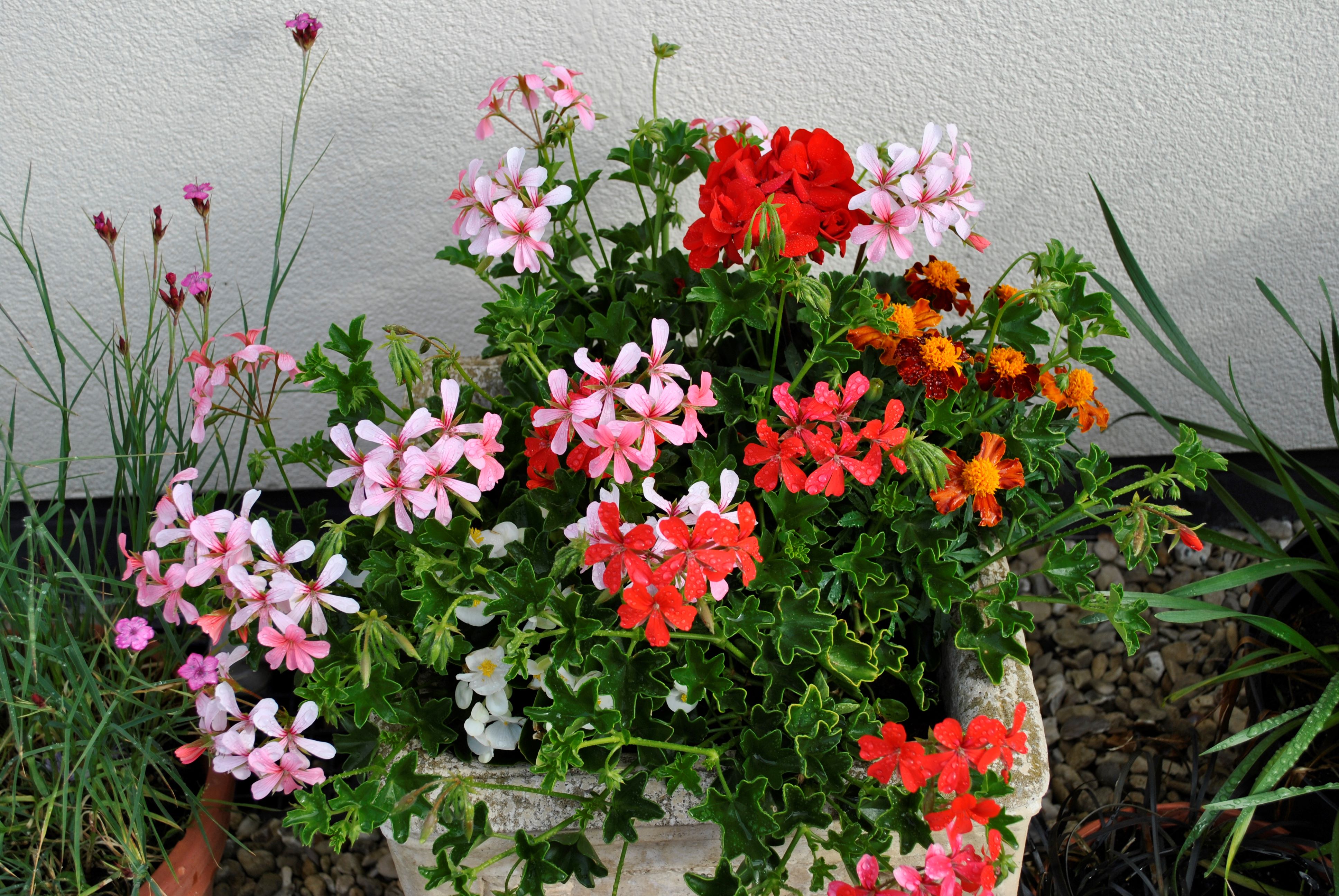
When I clear the big pots of their spring bulbs in mid-May, I refresh the top 6″ of compost, add some Osmocote controlled release fertiliser pellets, and go off to Lidl to buy a few trays of Pelargoniums. You literally cannot go wrong with 6 plants for £4.99 and the results are always good. In the past I have tried growing them myself from tiny plugs but, to be honest, Lidl plants are better and cheaper!

There was a slight shower last night which the roses appreciated. I admire ‘Darcey Bussell’, the rose and person; so pretty and graceful, almost dancing in the rain.

The low growing catmint, Nepeta faassenii ‘Kit Kat’ and ‘Junior Walker’ that border the low wall in the rose garden are buzzing with bees all day and set off the roses well. We do get a few cats in the garden, but mostly at night judging from the toilets I have to clear up each day! So, I have never seen a cat doing what cats are alleged to do and flattening the catmint in the process. Thank goodness!

Have a great weekend

David

Six on Saturday

One or two people have expressed surprise that I grow Elephant Garlic as an ornamental onion rather than for culinary purposes, but when you see the beautiful lavender purple globe flower it produces you will understand why. Big too, cricket ball size and very attractive to bees and butterflies. One bulb may have up to 8 big fat cloves which makes it a very economical alternative to the more expensive alliums.

Having said that, the massed blooms of Allium angulosum, (Mouse Garlic), still have the edge for sheer flower power and butterfly attractiveness.

WARNING: Unless you have oodles of space or a massive wild area to cultivate, do not, under any circumstances, grow this plant, as attractive as it may be. Soapwort, Sapponaria officinalis, is highly invasive and extremely difficult to control. I made the mistake of planting it in good rich soil with my roses thinking the soft pink flowers would work well with other whites and reds. And it does, until it takes over! It spreads by underground runners which, in my case, have tunnelled under a hardcore and gravel path and emerged several feet away in another bed. You have been warned!

The Japanese Wineberries are about to ripen and will be on my morning granola next week. Small and sweet, like miniature bright red raspberries, they are a delicious treat for a few weeks in July and August.

Hydrangea arborescens ‘Annabelle’ has really enjoyed the recent spell of rain and cooler temperatures. Her big fat flowerheads holding up well aided by a discreet woven hazel girdle beneath! I understand that ‘Strong Annabelle’ is now being marketed as a more beefy alternative but I am a sucker for femininity!

This is just to show that it is sometimes best to watch and wait. Earlier in the Spring, this Penstemon ‘Just Jayne’ was, to all intents and purposes, dead. A tangled mass of brown, brittle twigs and a complete absence of the usually seen green shoots at the base. But I waited….and waited……and waited. Until finally, in late April, it came back to life and after some judicious pruning, has rewarded me with a few flowers. Time to take some cuttings!

I wondered what was munching its way through my dahlias and here it is. The caterpillar of the Vapourer Moth which has venomous spines on its body that can cause symptoms like swelling, redness, and intense pain if they come into contact with human skin. In some cases, the venom can even cause an allergic reaction. Needless to say, it is still there! Anyway, what’s a few leaves!

Have a great weekend

David

Six on Saturday

A bit late again this week, too busy enjoying myself! This Dahlia, a ‘Bishop’s Children’ variety grown from seed this year, is an absolute stunner and is the texture of rich red velvet. Needless to say, the bees adore it.

Hydrangea arborescens ‘Annabelle’ is struggling again and has barely reached three feet tall this year. I think she needs moving to moister and shadier climes in another part of the garden so I think a bit of division and rejuvenation is required come October. She is also a bit crowded out by the Verbena which I thought would be a good companion but may be robbing the water supply!

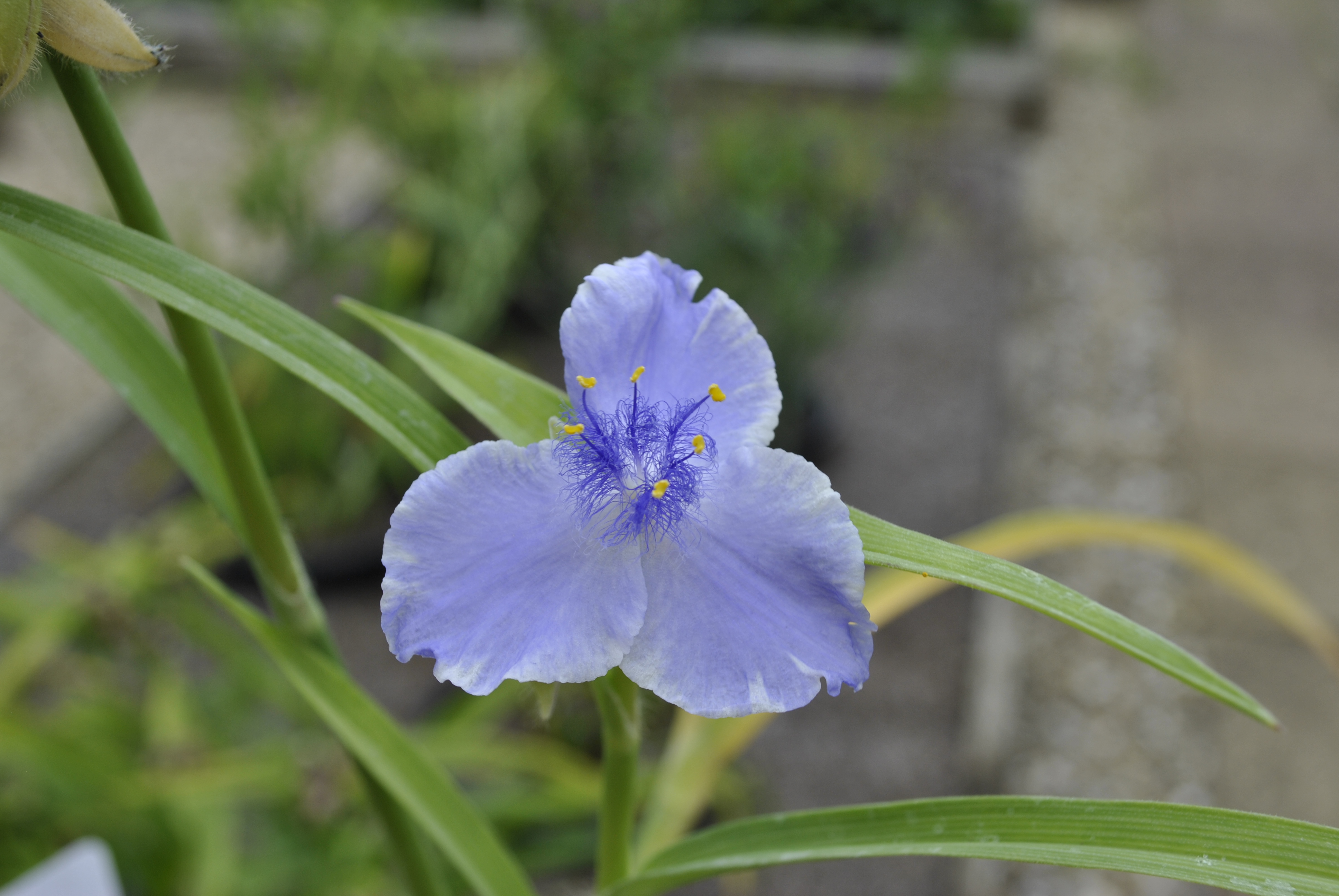
This is my latest Tradescantia acquisition, ‘Erudice’, part of the Andersoniana Group of hybrids and destined to become a favourite I think. I love the frilled white edged petals and the different blues of the petals and stamen hairs. Or am I just a geek?! Erudice was the wife of Orpheus and the flower is just as beautiful.

.This Verbena hastata f. rosea is a very persistent perennial which is easy from seed or just pot up the self seeded ones of which there are hundreds! Adored by bees and the occasional butterfly, it is self supporting, has a long flowering period and goes with almost everything except orange! I strongly recommend it as a ‘perfect for pollinators’ plant in any sunny garden and well drained soil.

Rose ‘Amber Queen’, simply gorgeous and richly scented, this is her second flush and lots more to come.

Something a little bit unusual but, in reality, just another north American daisy, Silphium perfoliatum is an extremely tall hardy perennial which towers over everything except trees! It has very odd thick, square stems and cup shaped leaves which trap water and dribble it down the stem to the roots. Completely disappears in winter and comes back bigger and better every year, A good addition to the back of an herbaceous border, provided you like yellow daisies, which I do!

And finally, my little Myrtle which was badly frosted in May has rewarded my judicious pruning with a show of late summer flowers which are much appreciated by the bees and me!

Sorry I was late. Will do better next week!

David