

There are some plants in the garden that I rarely look at, much less talk about. They are just there, lurking in the background, unexciting, marking time. Then, one day, they do something which gets my attention and I take notice. This Echinops ritro is such a plant. Ugly and untidy, just spiky leaves for most of the year before a sudden explosion of colourful azure blue flower balls appear accompanied by the almost constant buzzing of honeybees.

Allium ‘Millenium’, a bargain from the forecourt at Lidl a few weeks ago, is now showing what makes her one of the best late summer flowering ornamental onions for the front of a sunny border. Another great bee favourite, and will multiply over time to make a decent clump.
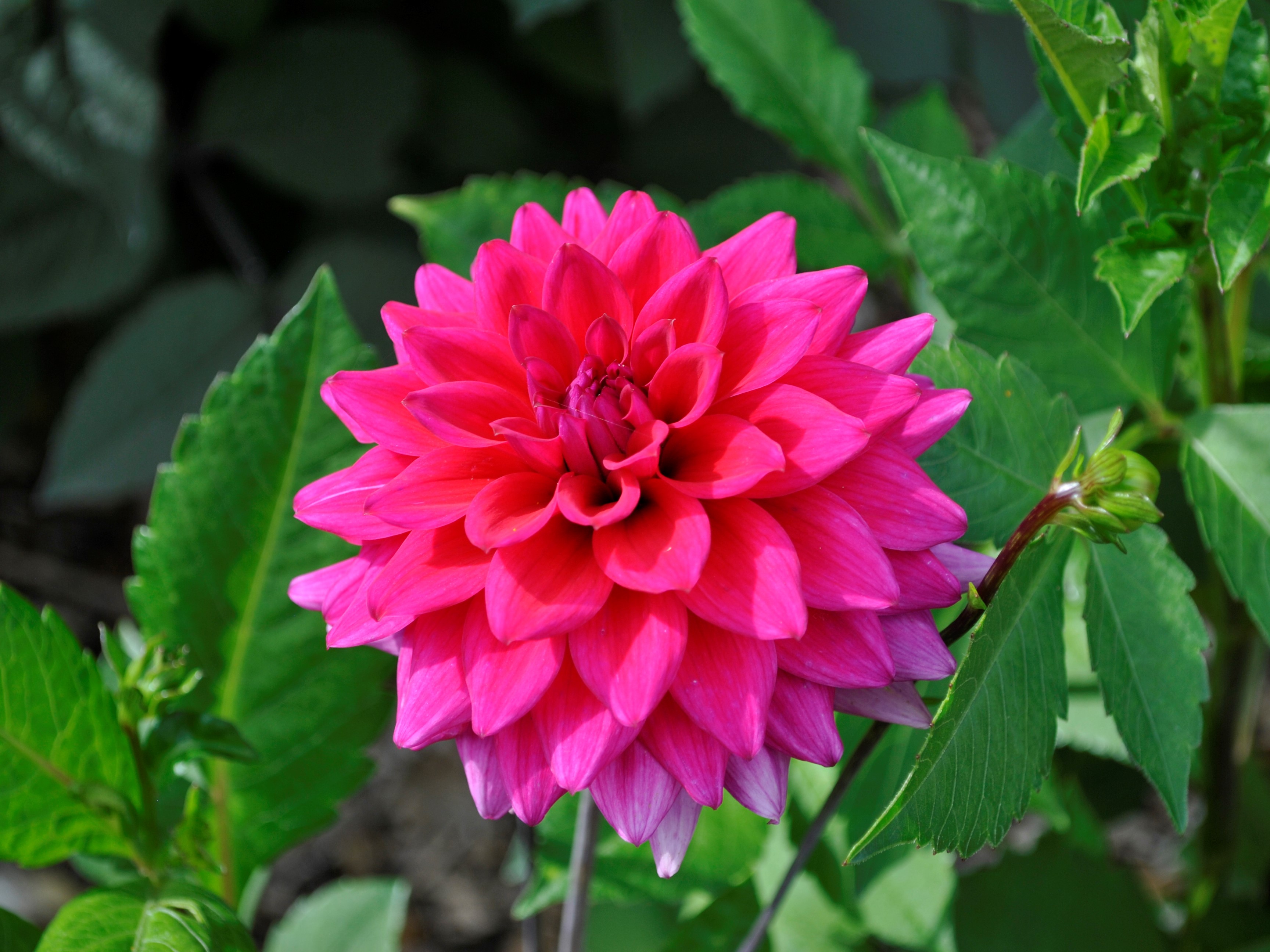
As some of you will know, I am a ‘Plant Guardian’ for a number of rare or unusual plants which have either lost favour with gardeners and nurseries or were literally lost to cultivation due to war, disease or such other catastrophe. This Dahlia ‘Winston Churchill’ came to me in this year’s Plant Heritage Plant Exchange as one such plant, or tuber to be precise! It is such a pretty flower and strong grower, I am surprised it isn’t grown more. However, with thousands of alternatives on offer, it is a crowded market!

Another plant I often walk past without noticing is this pineapple lily, Eucomis bicolor, which has been in the same big pot for thirteen years and enjoys the partial shade of the corner by the side gate. I donk a bit of water and feed on it when I think about it but then feel guilty when the beautiful flower spikes appear in July and August. A record 21 this year! It does get shoved under the greenhouse staging for the winter where it stays completely dry for several months before being put out again in May when the new fat red shoots appear.

The Rudbeckia laciniata was divided and replanted earlier in the year which may explain why it is not quite so tall this summer, although it may have been the very dry June, it did flop quite a bit! Normally around 7 feet tall, it is barely 5 feet this year. Still one of my favourites though and seeds itself around a lot so I always have loads of young plantlets to share.
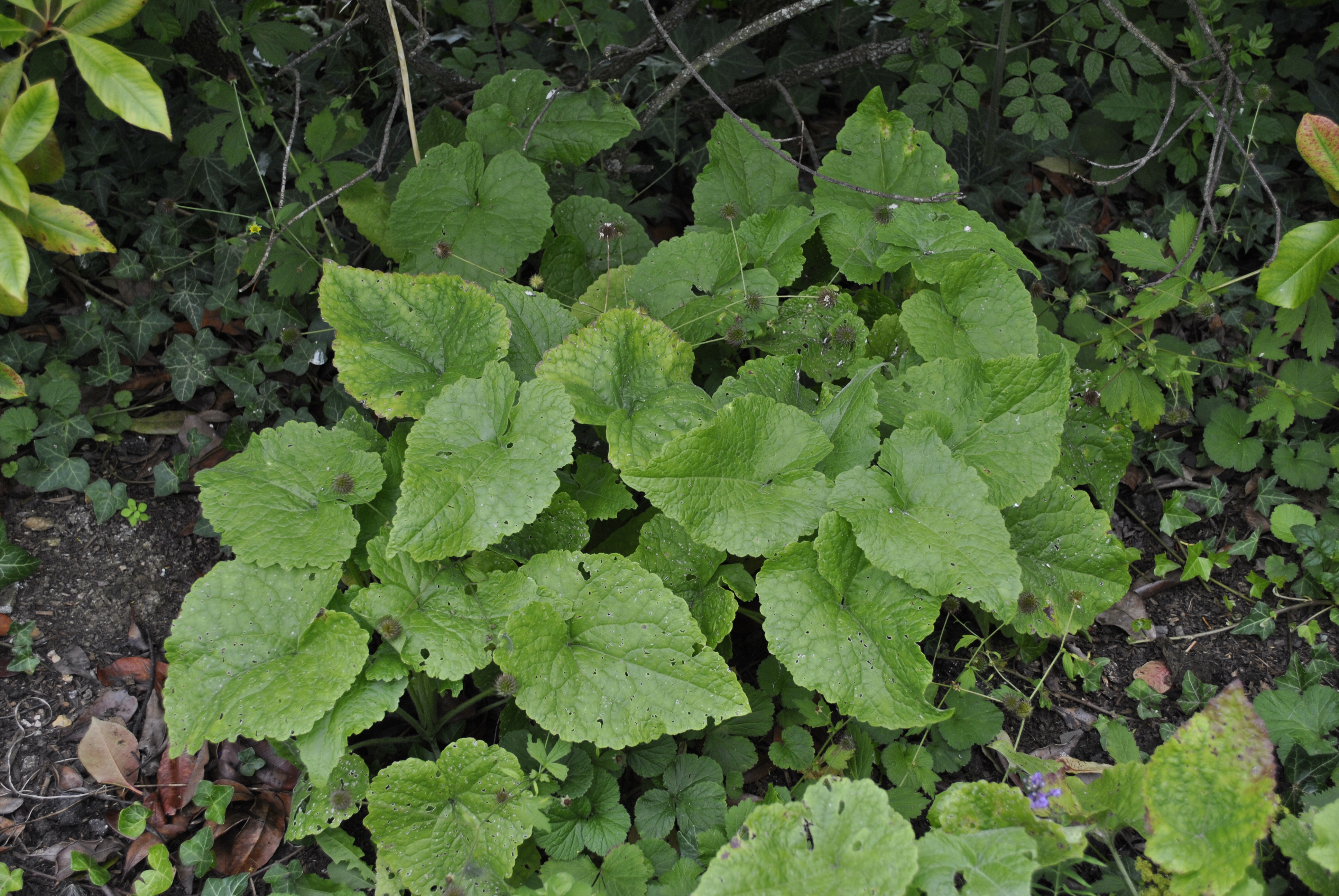
I have finally got a colony of Purple Honesty, Lunaria annua, to grow in my garden after years of trying to coax it in from the adjacent hedgerow. It is such a fickle plant, only growing where it likes, and it has chosen a shady spot under the Photina hedge facing north, which is just fine by me.

Finally, this is my apple tree! Now fully clothed in Clematis ‘Alba Luxurians’, the one with the rather odd white flowers splashed with green tips. In truth, it is an old and decrepit apple tree which produces tasteless fruit and is only useful to hang the bird feeders on so this was a good decision. The clematis needs a bit of a hand to get going so the trunk is wrapped in green square mesh for the petioles (leaf stems) to twist around, although the rough bark of the tree trunk and branches do offer some support. It will get chopped back to 18″ in December and I will then no doubt spend hours unpicking the dead bits out of the wire mesh! Hey ho!
Have a great weekend
David



 Davids Garden Diary