Six on Saturday

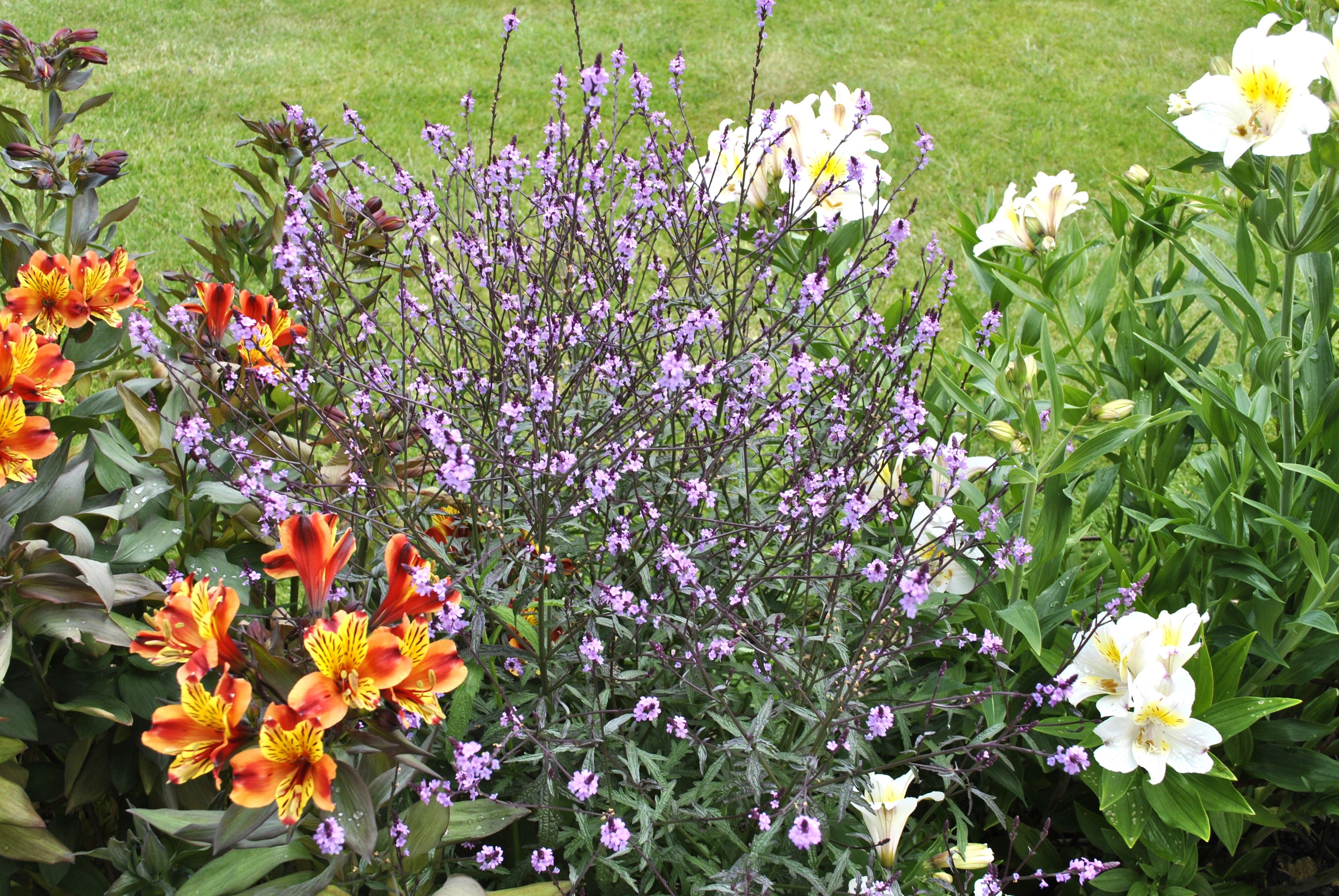
It’s raining again! I have a list of jobs to do in the garden, some of them quite urgent and involving power tools, which will have to wait. However, I did manage to pop out between the showers to photograph six things for this morning’s post. First up is Verbena ‘Bampton’ which popped up all by itself between two Alstroemerias. So, does this make it a weed? A plant in the wrong place? It certainly seeds itself about in my garden and I am constantly pulling up seedlings alongside those ‘true’ weeds like Bittercress and Sun Spurge. I allowed this one to grow to maturity as I thought the colour combo might work. The wiry mauve flower spikes certainly make an interesting contrast.

My unusual hanging basket by the front door has certainly prompted a few comments this year! However, it is certainly eye-catching and colourful, if you like yellow and green, and soon it will be covered in tiny bright red fruits of Tomato ‘Tumbling Tom Red’. Which?Gardening magazine want to know whether it grows well in a basket or pot and whether we get a good crop of tasty tomatoes. It all looks promising at the moment but it certainly takes some watering and feeding to keep it going.

The little Japanese aster, Kalimeris incisa ‘Charlotte’ is just starting to flower and, although a little swamped by the surrounding plants, it is holding its own at the moment. A clump-forming perennial to about 60cm tall producing a mound of dark green foliage topped with pale purple daisies with gold centres, produced over a long period from mid-summer to mid-autumn. I have a few Chrysanths too but these Kalimeris flower earlier and for longer, don’t succumb to mildew and, so far, are not eaten by slugs and snails.

Every year, visitors to my garden ask what this is. I am amazed it is not grown in more gardens and sold by more nurseries and garden centres, for it is a superb easy-to-grow plant. Diascia personata is a semi-evergreen perennial with upright stems producing racemes of small pink flowers with darker pink centres from late spring into autumn. I have had it for several years and take cuttings in late summer in case of winter losses. It needs a bit of support so it grows happily in amongst other plants. I grow it with Hesperis matronalis which is over by the time the Diascia flowers.
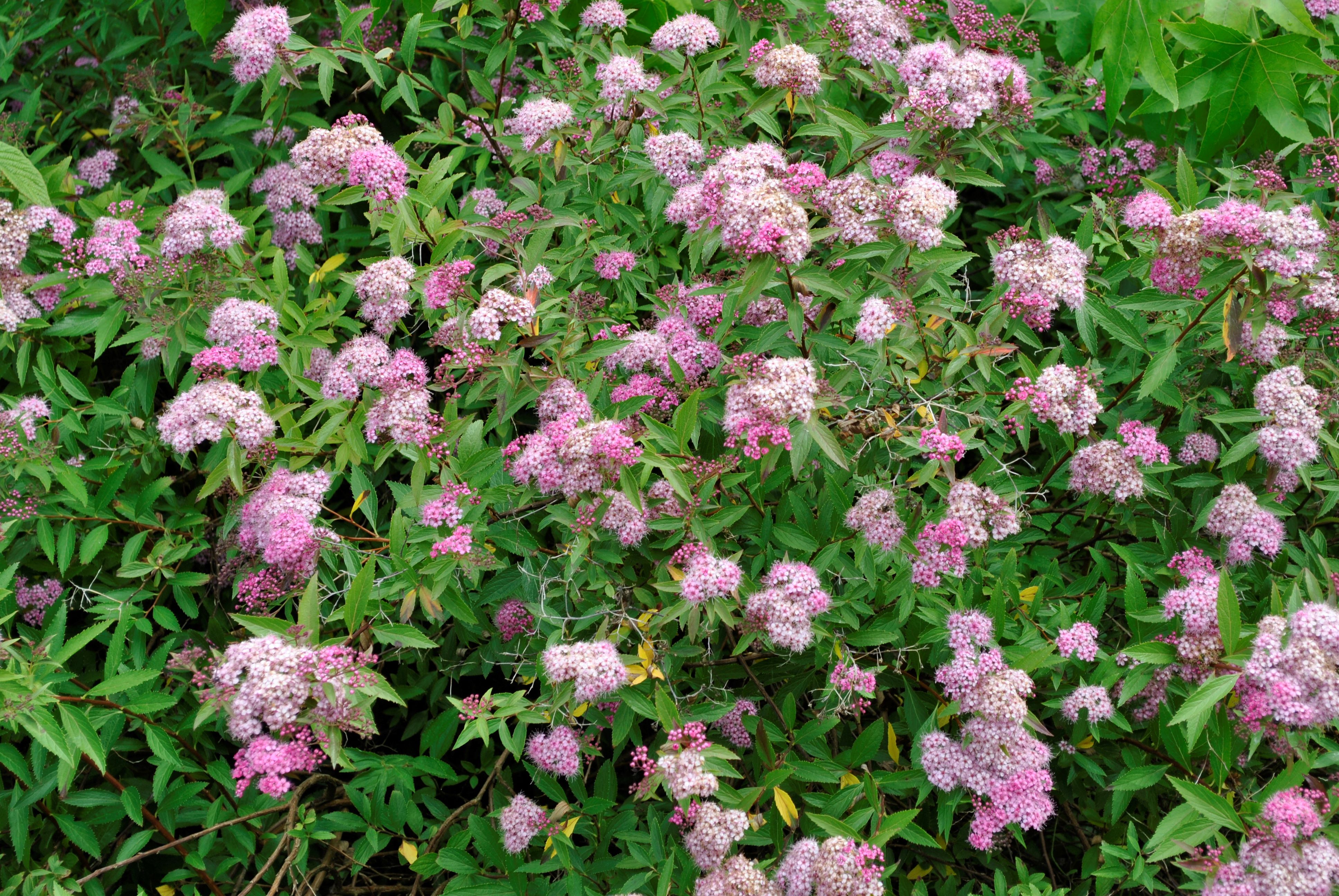
Possibly the oldest shrub in the garden is this Spiraea japonica which was grown from a cutting 16 years ago when we moved here. A neighbour was digging it out and disposing of it as he thought it was ‘ugly’, and decided to replace it with a Cornus kousa which is now a thing of great beauty in every season. Ugly or not, it is an undemanding shrub which flowers briefly in early summer, gets pruned hard in winter and is forgotten about until the following July.

Salvia forskaohlei or Indigo Woodland Sage, has huge leaves and enormous spikes of indigo flowers, very different from the usual shrubby or nemerosa types. In fact, Salvia is the largest genus of plants in the sage family Lamiaceae, with nearly 1000 species of shrubs, herbaceous perennials, and annuals. This one is totally hardy and great for poor, dry soils where it will spread and cover the ground in no time. In my garden it is in the ‘difficult’ border where little else thrives in the almost impenetrable clay. It is a magnet for bees and other pollinators too.

Finally, I am looking for some help identifying this pretty cluster-flowered floribunda rose which is rambling over my archway. It was inherited with the garden and is reliable, very healthy and flowers for several weeks in July and August. A friend has suggested it might be ‘Dorothy Perkins’. Has anyone got a similar or alternative suggestion please? I would love to know its name.

Have a great weekend

David

Six on Saturday

It rained all day on Friday and is still raining this morning here in the Cotswolds so these pictures were taken earlier in the week when the weather was still mild and sunny. As I look out of the window today, all I see is the devastating effects of wind and rain on anything above a foot tall. My Sweet Pea obelisk is lying horizontal on the ground and the tall, swaying Leucanthemums are now flat on their pretty white faces. And to top it off, we are forecast 40mph winds today!

My Dahlias are all either short varieties or young plants this year, and anyway they love the rain, the more the merrier for them. This one isn’t a named cultivar yet, it is a hybrid from days gone by but I keep the tuber going in the vain hope that it might be the next ‘Big Thing’. I have called it ‘Radiant Heat’ which I thought was quite apt. Hoping that Thompson & Morgan might be reading this and will make me an offer I can’t refuse!

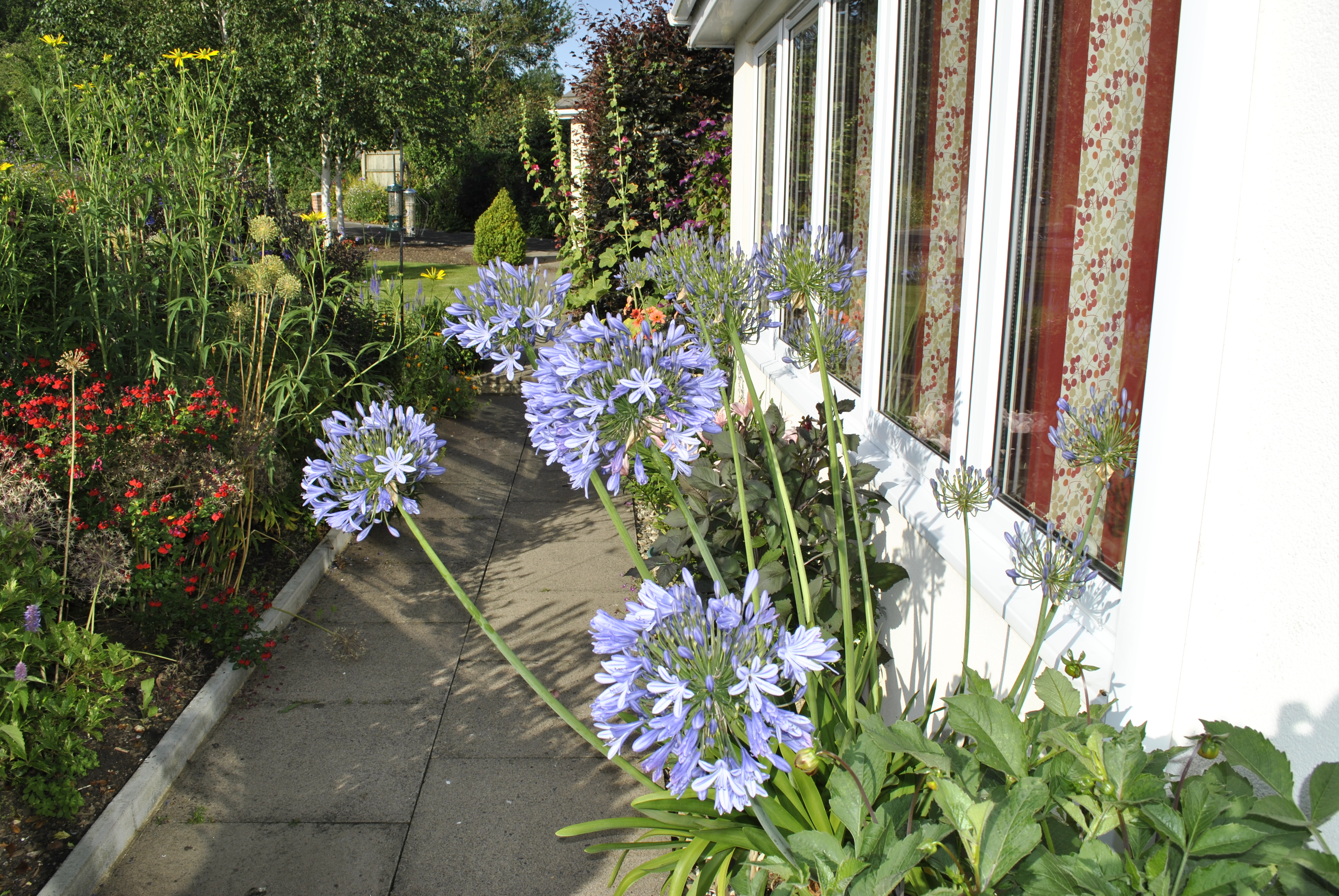
The Agapanthus are flowering a month later this year, probably due to the difficult winter they had. I have met a lot of people who have lost them completely, fleshy roots turned to mush by the harsh conditions in December. I always overwinter my evergreen ones in their pots in the greenhouse and keep them bone dry from October onwards until I start them off again in March. The herbaceous ones, also now in big terracotta pots, are turned on their sides and put in a sheltered spot behind the shed to keep the worst of the rain out.

Once again this year, the Diascia personata has been the subject of much discussion on walks around the garden with visitors and friends. I think 99/100 people think of Diascia as miniature plants in a variety of different colours, a bit like Nemesia. But this species of Diascia grows to waist height and is always lipstick pink. I find it doesn’t overwinter well in the ground so I take cuttings in June and July which grow into stocky little plants by September and survive in the cold greenhouse until spring. They are so floriferous, they almost flower themselves to death. By the end of the year, having flowered for nearly 10 months, they are exhausted!

This is one of several summer flowering ornamental onions I now have in the garden. I like them because they are short and flower reliably every year, unlike Spring flowering versions which I find are quite variable and often don’t appear the following year. The one pictured is Allium angulosum, or Mouse Garlic as it is often called. I now also have Allium ‘Millennium’ and Allium cernuum as well as Allium ampeloprasum, better known as Elephant Garlic. The flowers are beautiful purple lavender globes and highly attractive to bees and other pollinators.

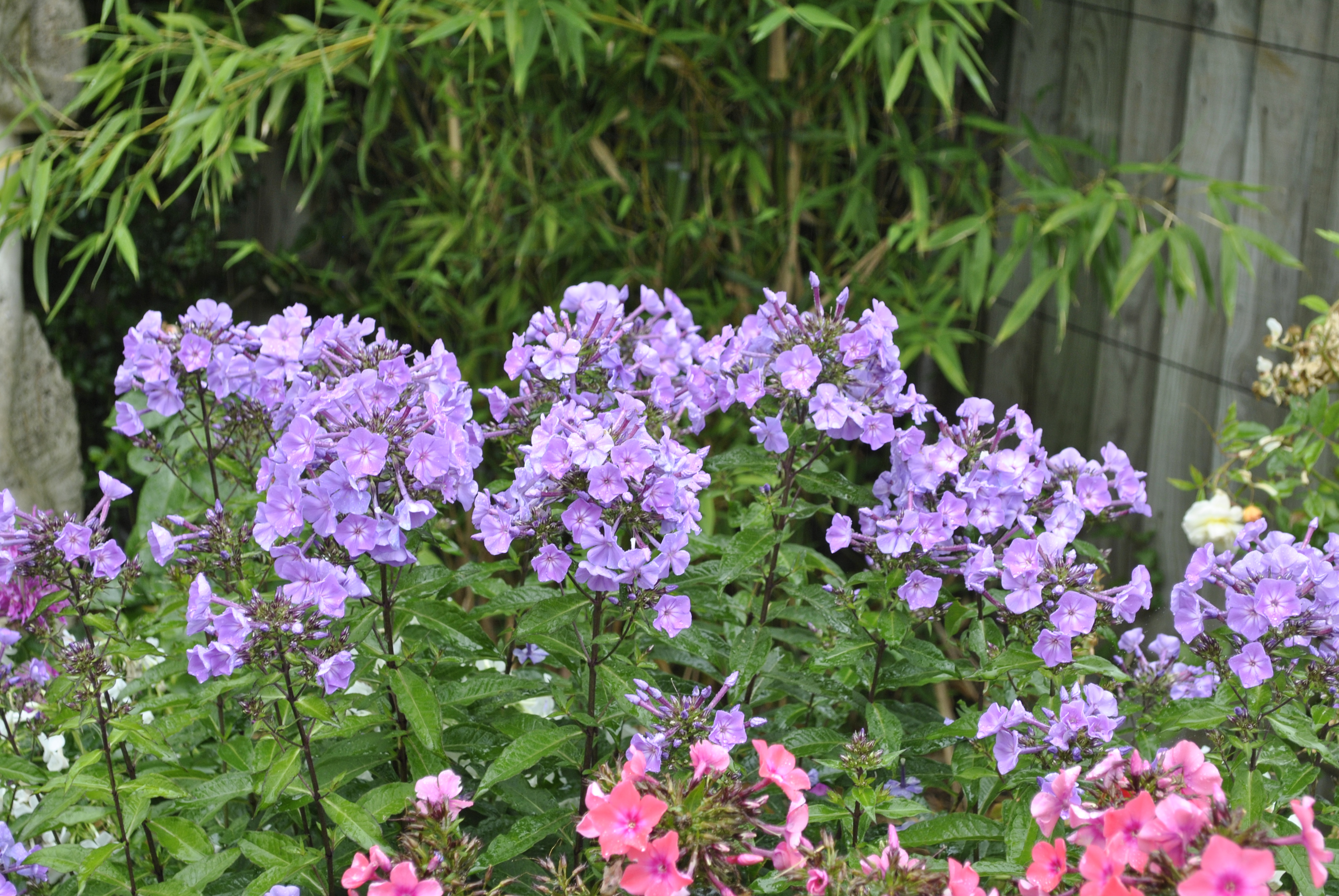
As I have mentioned many times over the years, I am not a big fan of Garden Phlox but they are such reliable plants, given enough moisture, that I am reluctant to get rid of them. I keep splitting them and they seem to do even better! I believe this one is called ‘Blue Paradise’ but I couldn’t swear to it. The previous owner planted a few different ones in the 60’s and they are still growing strong which is a testament to their longevity. They can suffer from mildew if they get too dry at the roots which is why they probably went out of favour.

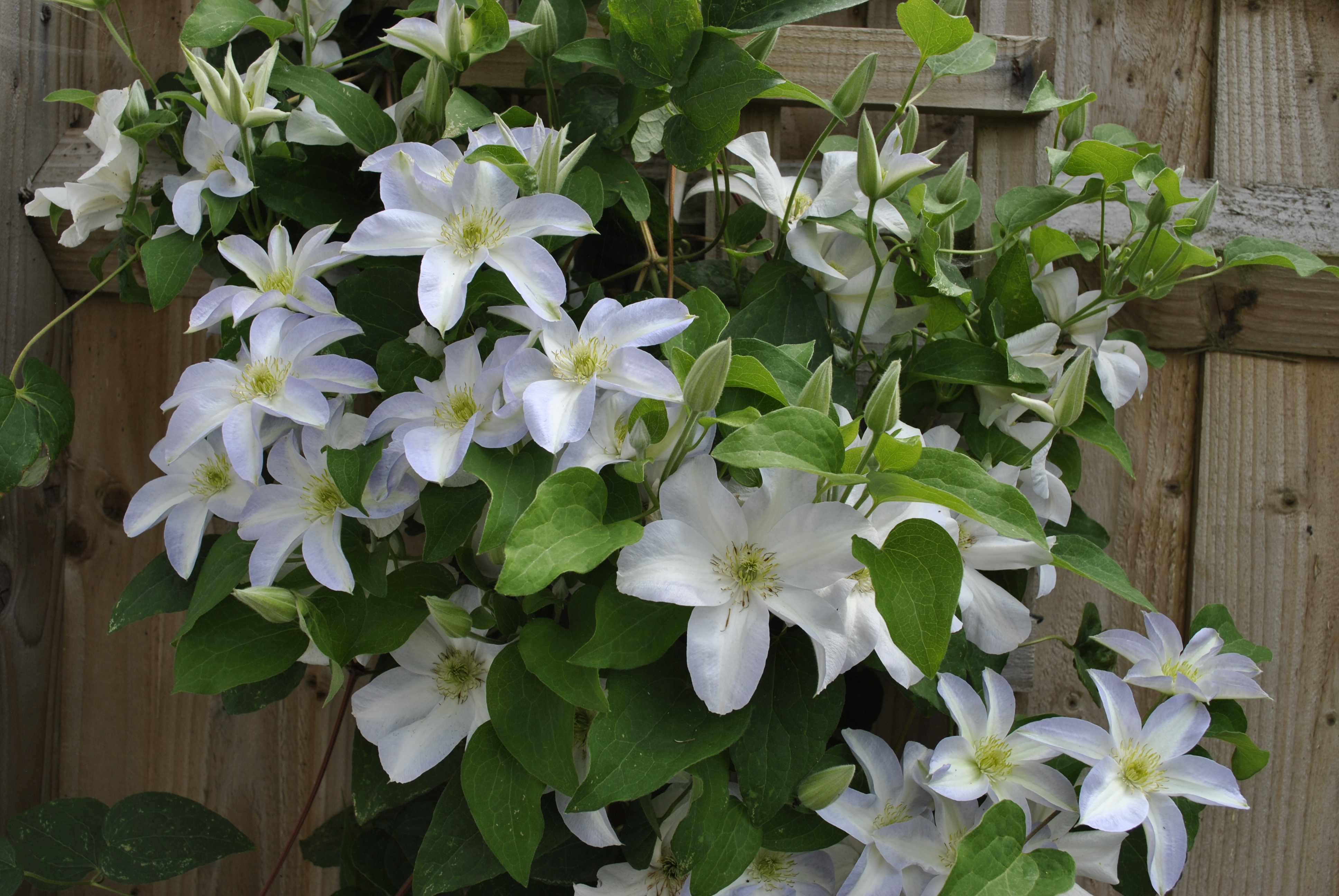
No roses worth showing this week so I decided to feature the delightfully named Clematis ‘Yukikomachi’ which is a short viticella variety ideal for a trellis panel next to a gate which is where mine is and gives me pleasure every time I pass through. I just hope it is still there tomorrow!

Have a great weekend

David

Six on Saturday

The evergreen Agapanthus africanus have just begun to flower and they look stunning this year. I have reduced my stock to just three plants in 20 litre plastic pots which are now in their third year since splitting them. 16, 18 and 20 flower stems which is the most ever. The heads are fully 30cm across on stems 1.2m high. They make quite a statement!

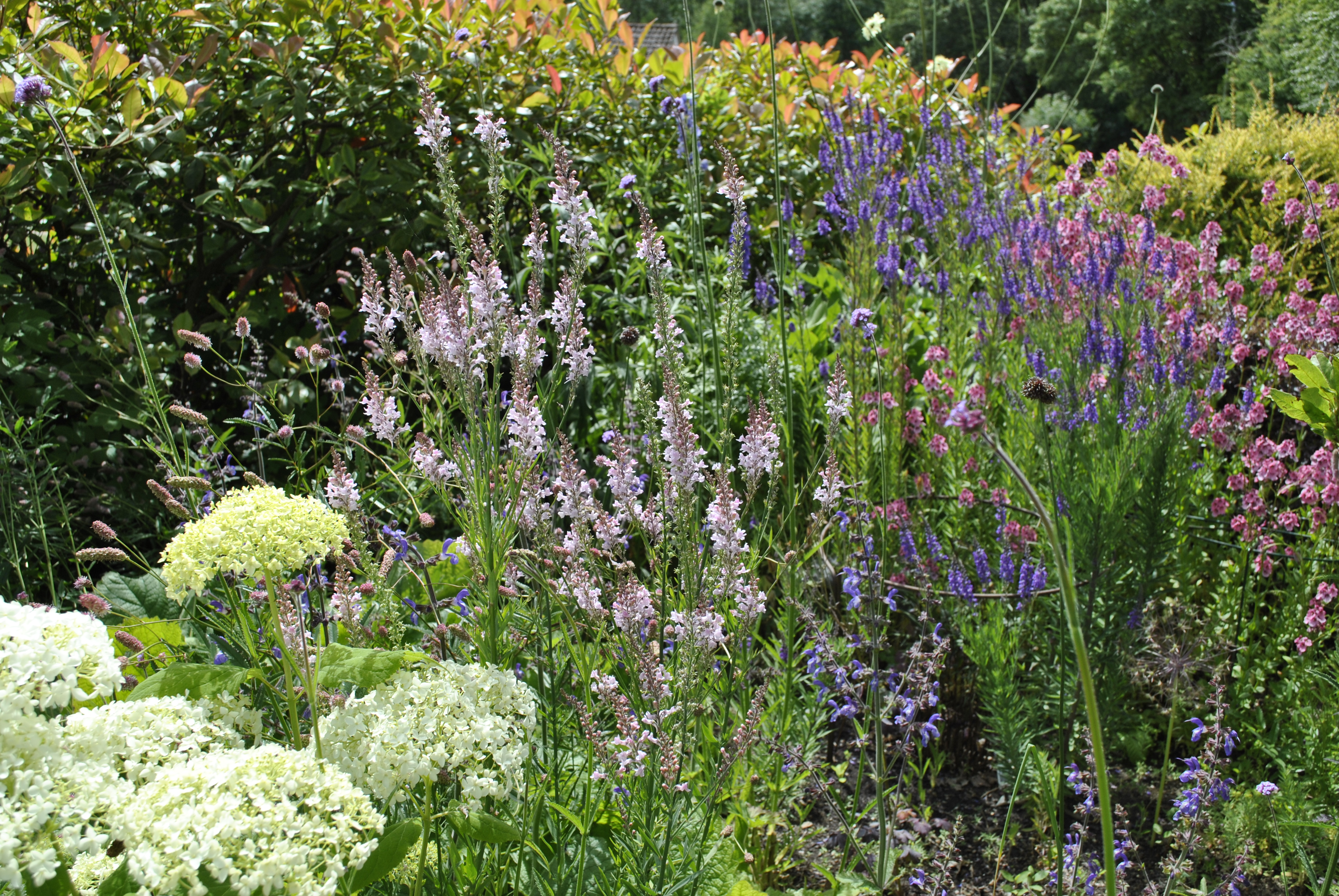
Hydrangea arborescens ‘Annabelle’ almost at full throttle now with her big beautiful creamy flowerheads being cradled by hazel supports beneath. I love this shrub but it does need a lot of water and support to do well. Quite a needy plant in my garden. Others tell me it is trouble free in theirs. It’s all about the soil!

Just behind Annabelle sits pink Linaria purpurea ‘Canon Went’, alongside his common purple cousin and the indestructable and long lasting pink Diascia personata which should definitely be grown in more gardens. I haven’t met anyone who knows this plant which is such a shame as it is such a good doer.

This is an extra pic to show how well the combination works.

This was controversial at my garden opening recently. It is the true Valerian, Valeriana officinalis, the root of which has been used since Roman times to treat insomnia. It is a very tall plant, 1.8m high, with a beautiful pinky white umbellifer flower which has an odd sweet smell which, as I found out, is not to everyone’s liking! I think is is rather musky and spicy but one visitor described it as the smell of “wet pants”!

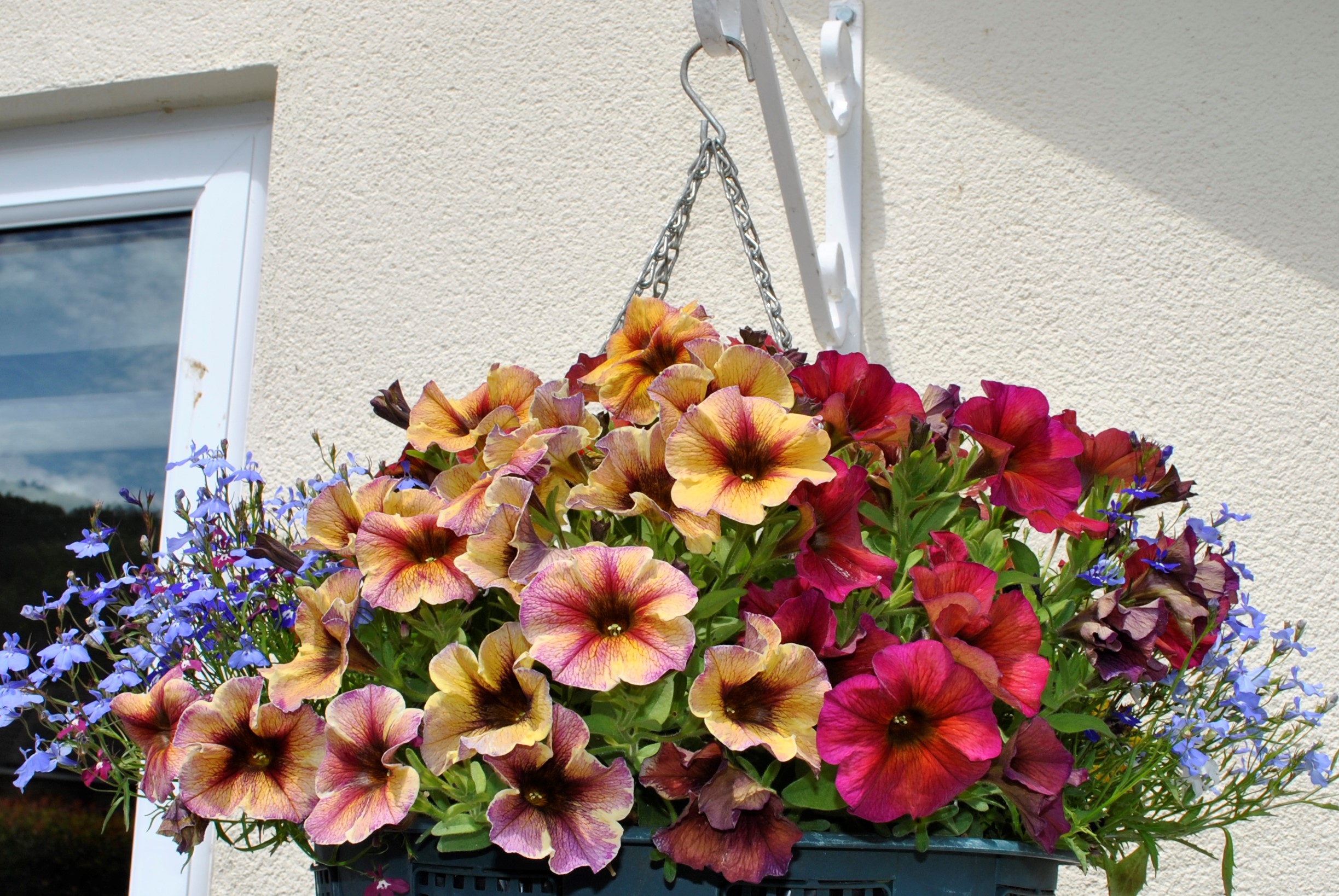
The Petchoas (a cross between a Petunia and a Calibrachoa) in the basket are doing rather better now but not showing much sign of trailing yet. The colours still don’t excite me, I find them too subtle and a bit dull for the impression a basket by the front door is supposed to make. I think they work better in pots at low level. I won’t be using them in baskets again!

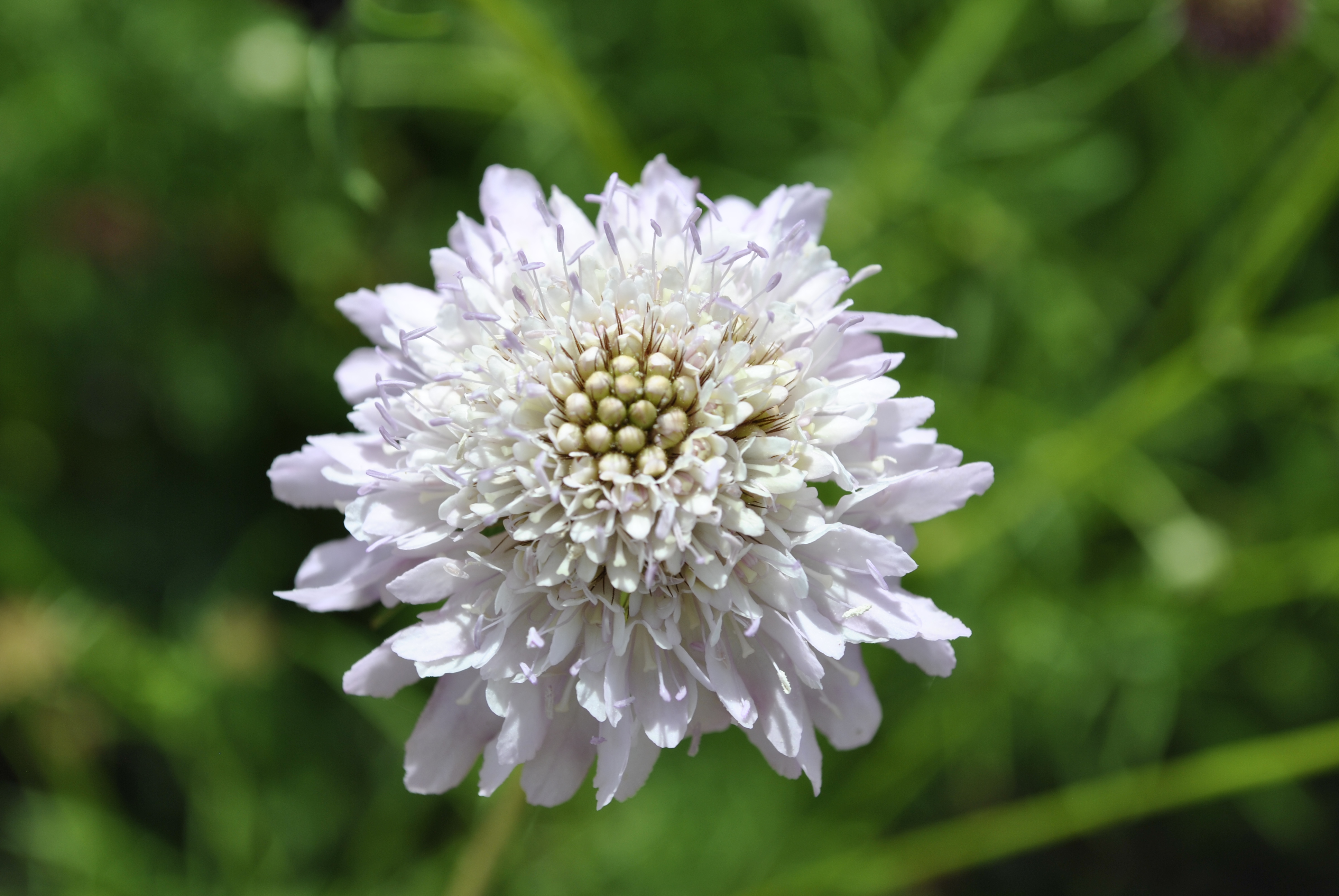
Some years ago I grew seeds of common Scabiosa atropurpurea, a distant cousin of the common field scabious, which thrives in my dry summer clay and self seeds everywhere. They now pop up in every variation of red, pink, purple, white and cream. One of the best plants for pollinators, tall and self supporting, long lasting, unfussy and beautiful. All from a single free packet of seeds on the front of a gardening magazine.

That’s my six for this week.

Have a great weekend

David

Six on Saturday

So excited! My immature Fox Grape, Vitis labrusca ‘Isabella’ has produced one bunch of beautiful sweet fruits which will be picked and eaten in a few days. Now I have to find somewhere in the garden to put it. It has survived in a large pot for three years, but now it is bearing fruit I will have to find it a permanent place against a sunny wall to train it as the growth next year will be substantial and it will be starved of water and nutrient in a pot.

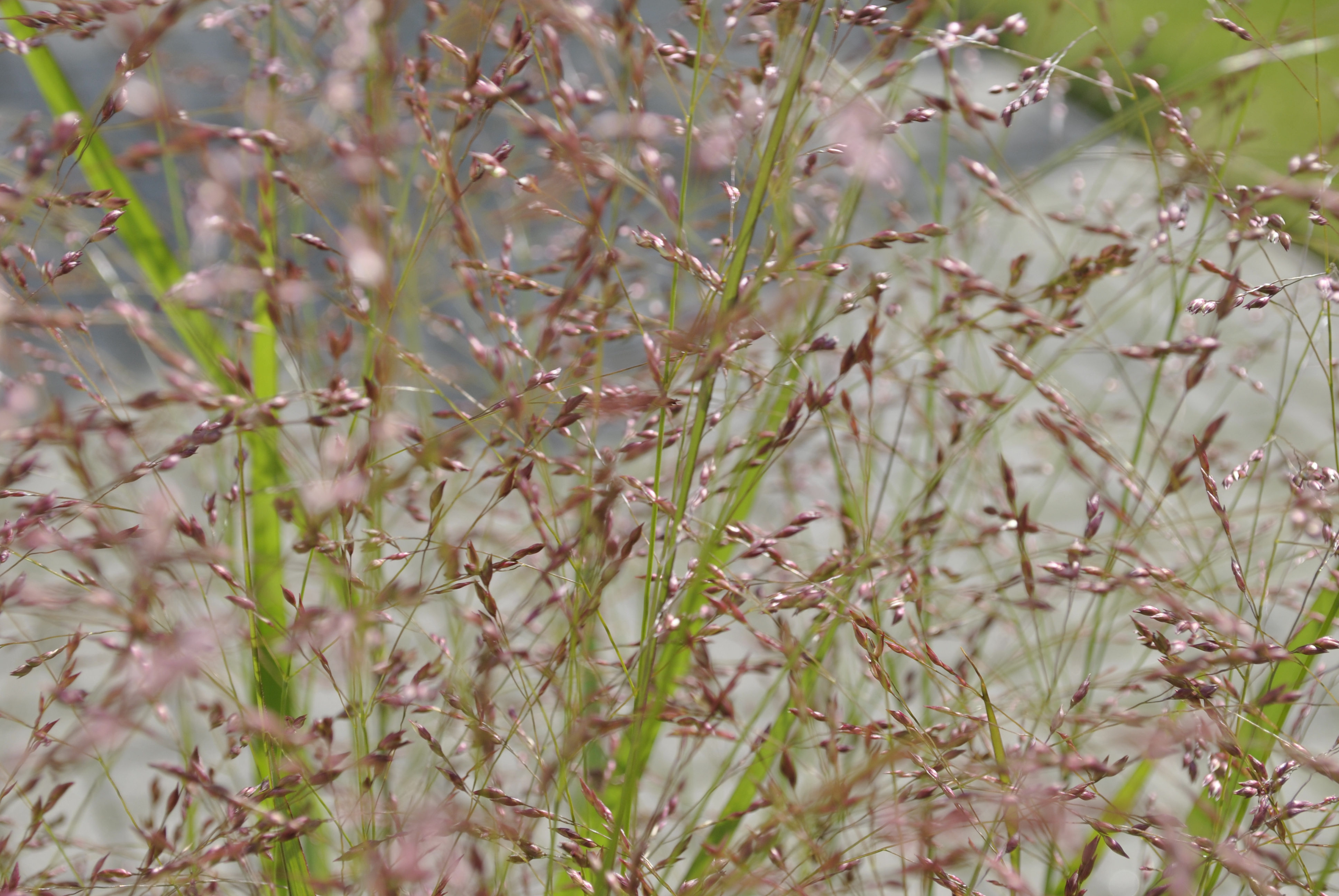
Grasses are difficult to photograph! This beautiful Panicum virgatum ‘Purple Tears’ is a case in point. Chest high and wide, it is at its peak now with wonderful photogenic seed heads that sway in the slightest breeze but on which the camera struggles to focus! Still, you get the point!

I have stopped growing Symphyotrichum as I found them weedy and needing support, often attracting mildew and generally unattractive. This one, however, is dainty and low growing Aster ageratoides ‘Stardust’ which is a healthy, well behaved, self supporting species aster which slowly spreads to form an attractive colony of pretty white daisies in September and October. It is loved by pollinators and provides plentiful nectar just at a time when most summer flowers are going over. Very easy to propagate by division or semi-rooted cuttings, totally hardy and as one knowledgeable nurserywoman pointed out to me, hides its dead flowers with new ones!

Still going strong and showing no signs of slowing down, Diascia personata continues to provide colour in various spots in the garden. This was a leftover cutting from last year and has been in flower since May in a pot. In the ground they can get quite tall and need supporting to stop them flopping and swamping adjacent plants, but they do less damage in a pot!

Another difficult subject to photograph is this Solidago rugosa ‘Fireworks’ which, as the name implies, shoots off its flowers in all directions in a wonderful display which goes on for weeks and weeks. Another easy late summer/early autumn border filler which goes particularly well with purple Symphyotrichum at this time of year.

Still a few cornflowers about. Was there ever a more true blue flower?

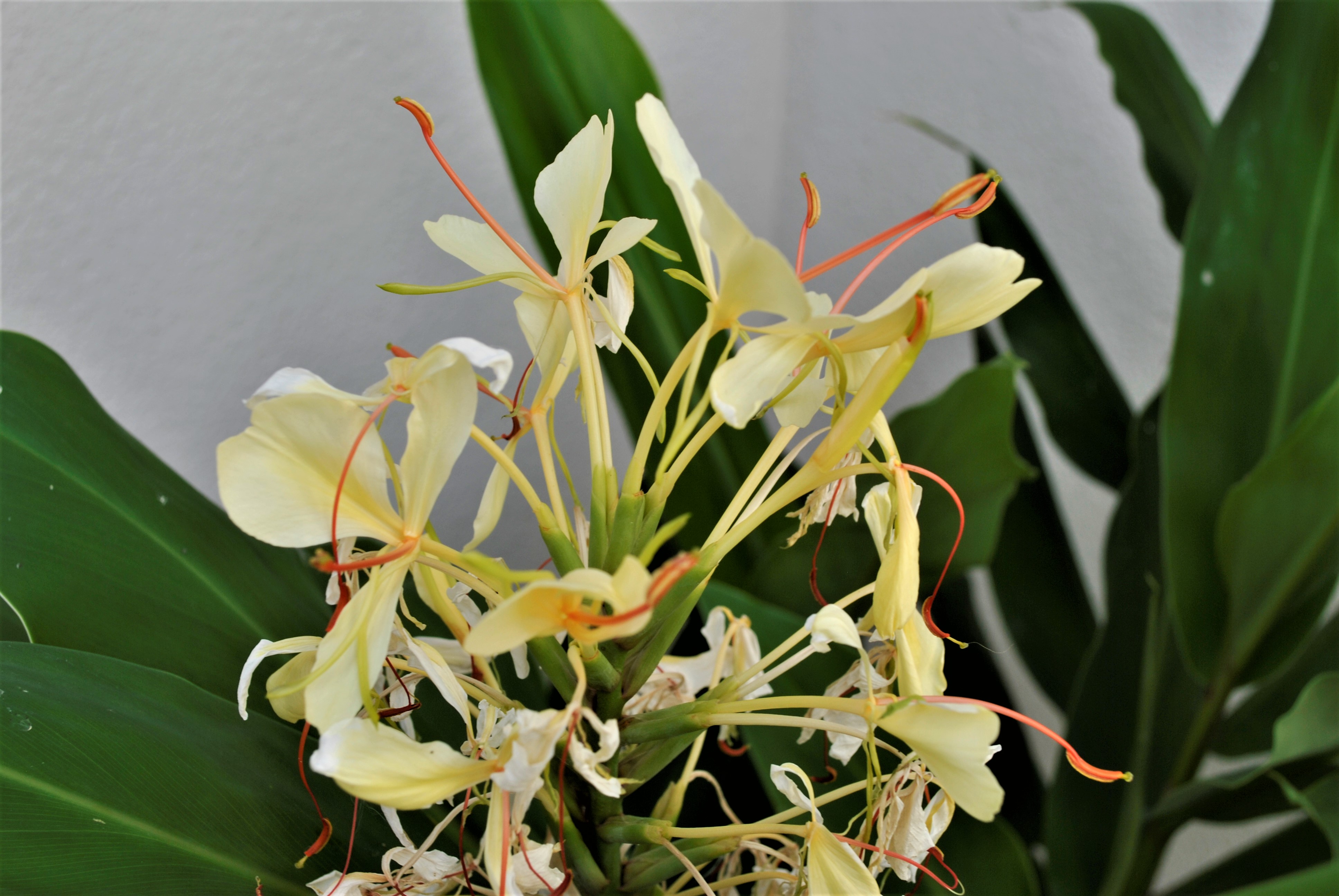
My first time growing some ginger lilies, this one is Hedychium flavescens with its spidery, heavily sweet scented blooms and spear-like dark green leaves which bring a tropical look to the late summer border. Surprisingly easy to grow from their fleshy rhizomes and undemanding in pots, they would do well in a conservatory but are hardy enough to be grown outdoors with a little winter protection.

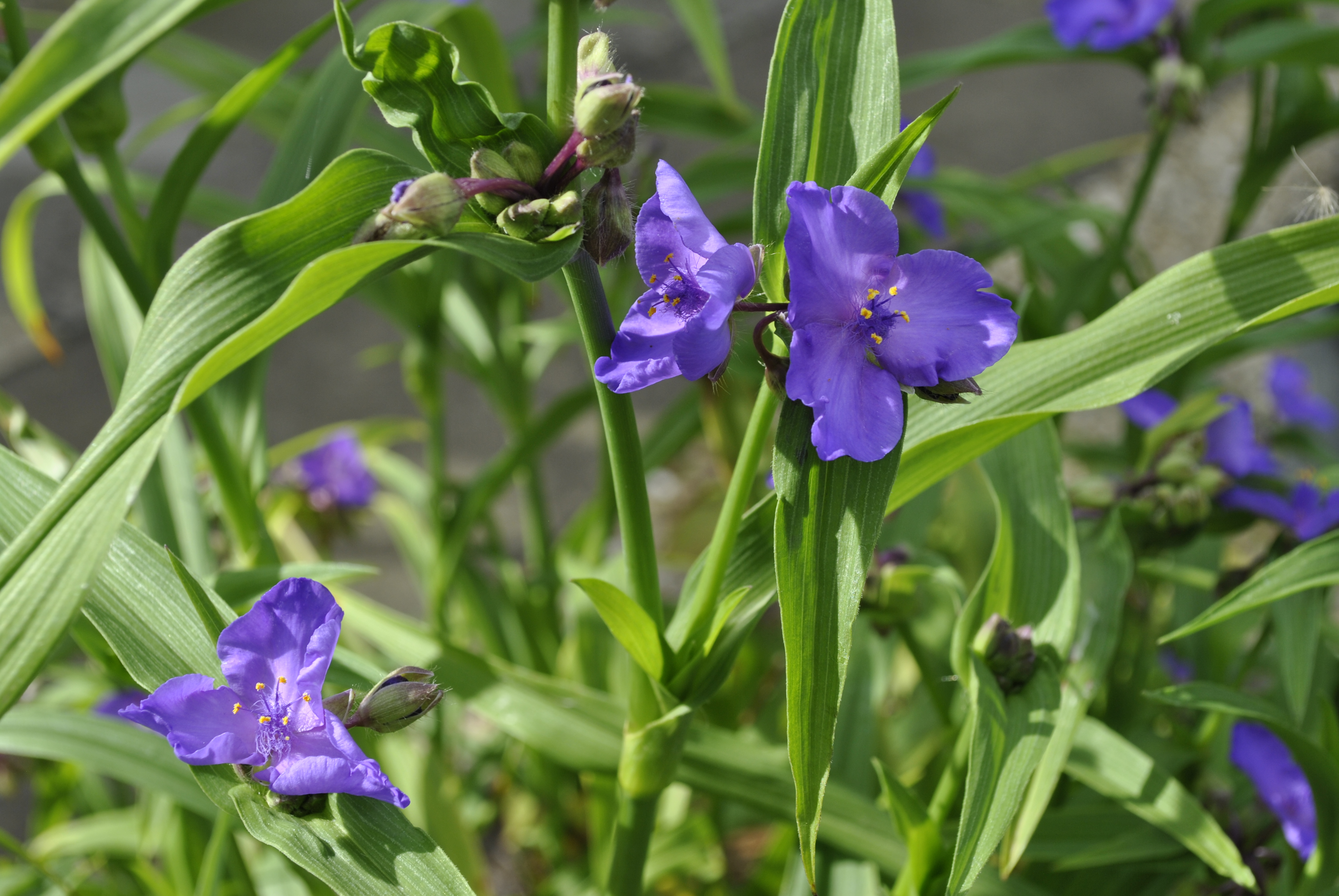
The last few flowers on my Tradescantias before they are cut back this weekend. It has been a great first year for my new hobby which received National Collection status from Plant Heritage earlier this month. I have currently amassed over 40 species and cultivars of T. virginiana and T. Andersoniana Group which is roughly three quarters of those available in the UK but I am keen to find a way of bringing others in from the USA if and when phytosanitary rules allow.

Have a great weekend

David