Six on Saturday

The warm sunshine of the last few days has done wonders for the garden and brought out the heat lovers like the Tuscan jasmine, Trachelospermum jasminoides, which is now covered in starry flowers wafting their sweet scent over the patio.

Naturally, the roses have also loved the heat, and ‘Roald Dahl’ is one of my favourites. It reminds me of my Granny’s powder puff on her dressing table, but I could be making that up. It was a very long time ago! Roald is one of those David Austin types with clusters of huge flower heads which need supporting or they end up on the floor!

My National Collection of hardy Tradescantias has been recognised with a new plaque which now sits proudly at my entrance gate, surrounded by Clematis ‘Etoile Violette’. The hope is that it may prompt a few questions about why Plant Heritage exists and the work it does to preserve and maintain threatened species and cultivars. Mine is just one of around 600 National Collections around the UK in gardens, stately homes, botanic gardens and arboretums.

My little forest of self-sown Delphinium requienii is thriving in the front garden, despite being far too close together. This compromises their height, which is two feet shorter than usual, but has the added benefit is more flowers for the bees and other pollinators. This biennial form of Larkspur is unique, in that it does not get attacked by slugs and snails due to its glossy, almost leathery leaves which are apparently inedible to our slimy friends. The seedlings sit in place all winter without any damage and rise perfectly intact in the spring.

My favourite clematis at the moment is the texensis variety ‘Princess Diana’ which is absolutely covered in small, fluted dark pink flowers. Elegant and beautiful like Diana herself. I am unashamedly a Royalist and hope to acquire the equally beautiful ‘Princess Kate’ very soon.

Hardy Fuchsia ‘Whiteknights Pearl’ which was moved earlier this year to a more suitable position, has emerged unscathed and is flowering again like nothing happened. A little shorter than usual perhaps, but that is understandable having lost a lot of established roots. She will recover and prosper in her new, improved position and delight us with her dancing ballerina flowers for many years to come.

Have a great weekend

David
Six on Saturday

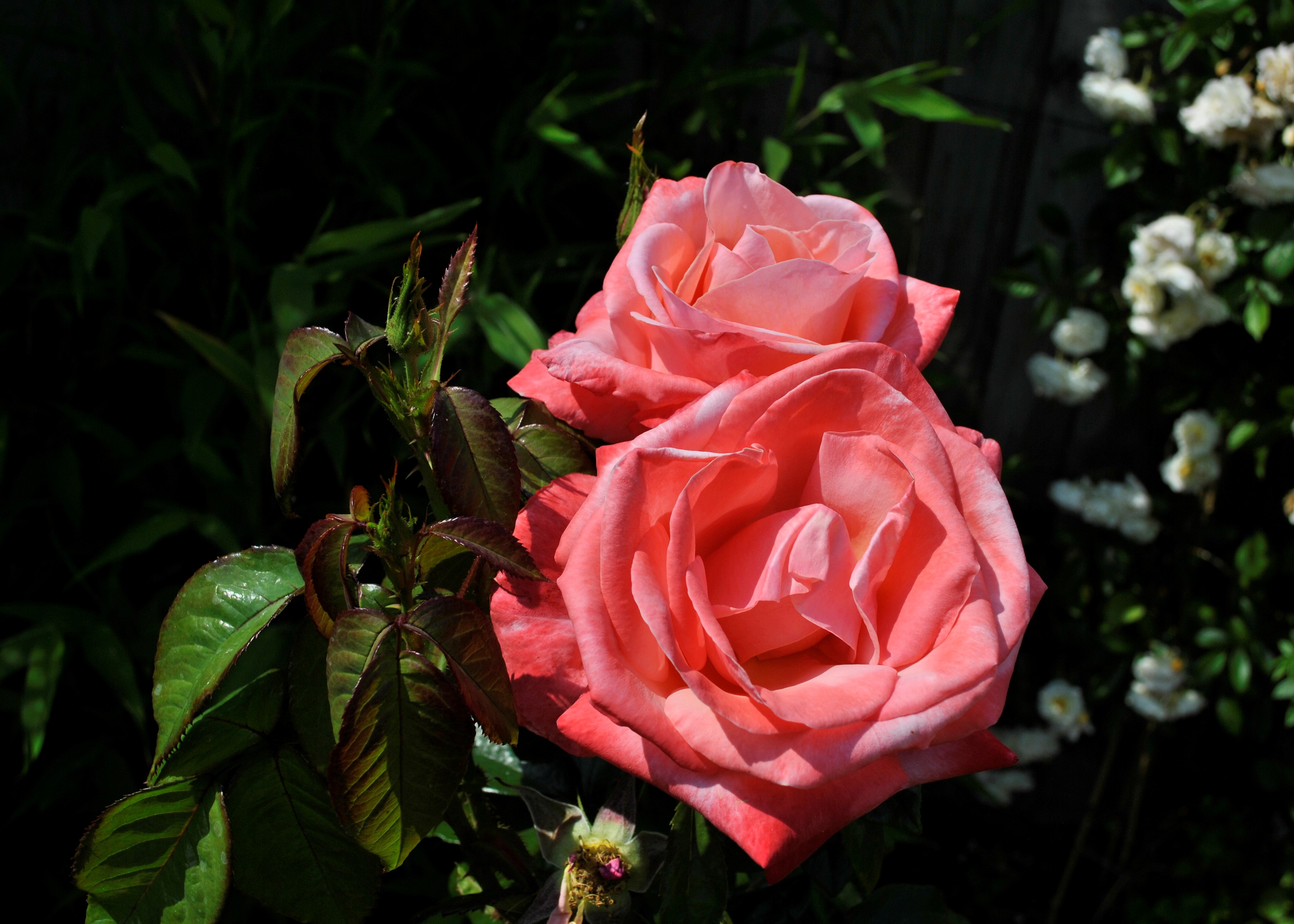
“A rose by any other name would smell as sweet” even if it is supposed to be apricot and turns out to be pink! This was supposed to be ‘Eden’s Apricot Blaise’ but no matter, it is still beautiful.

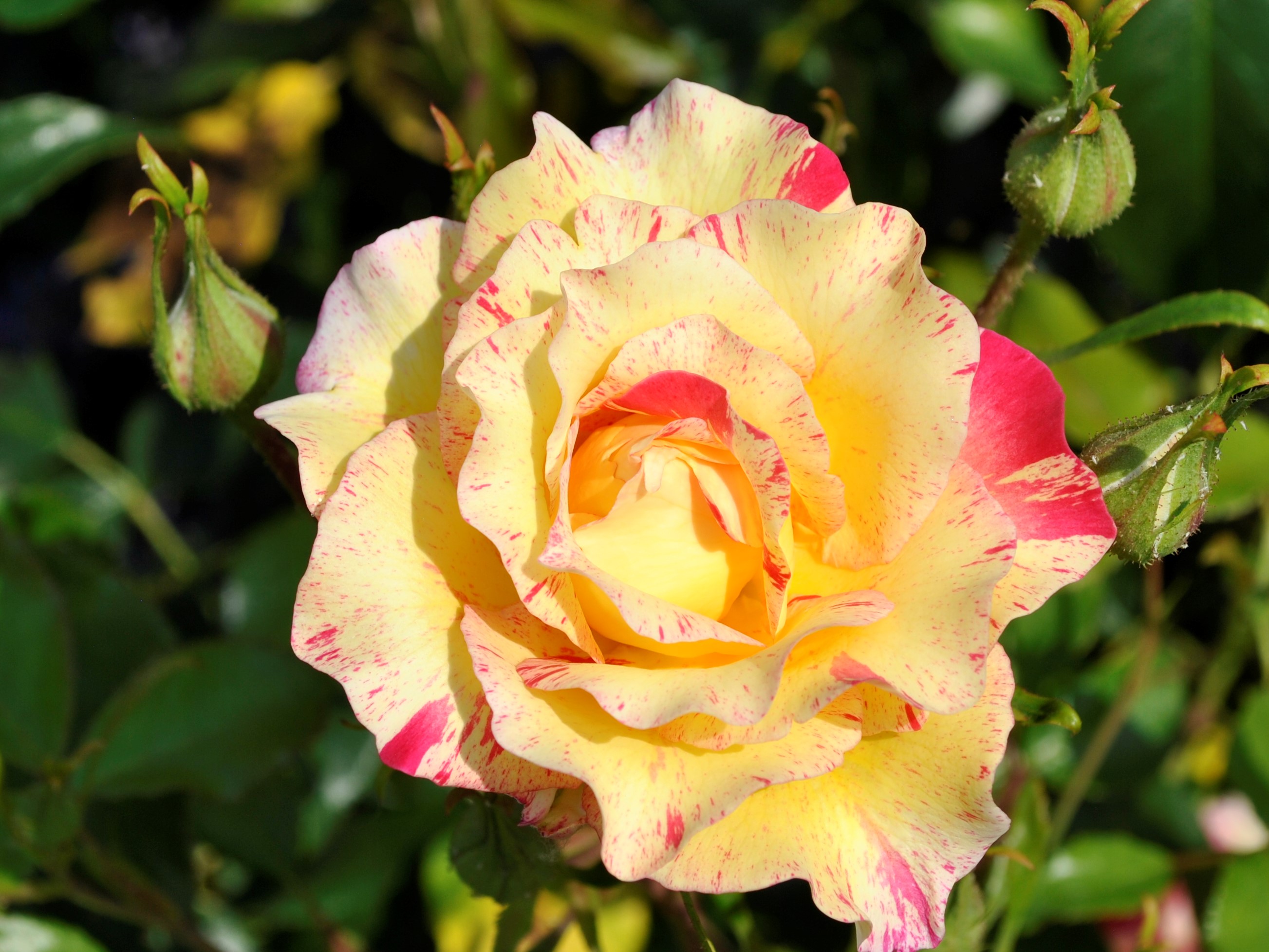
‘Camille Pissarro’ however, does exactly what it says on the tin. Named in honour of the French impressionist painter, it reminds me of raspberry ripple ice cream!

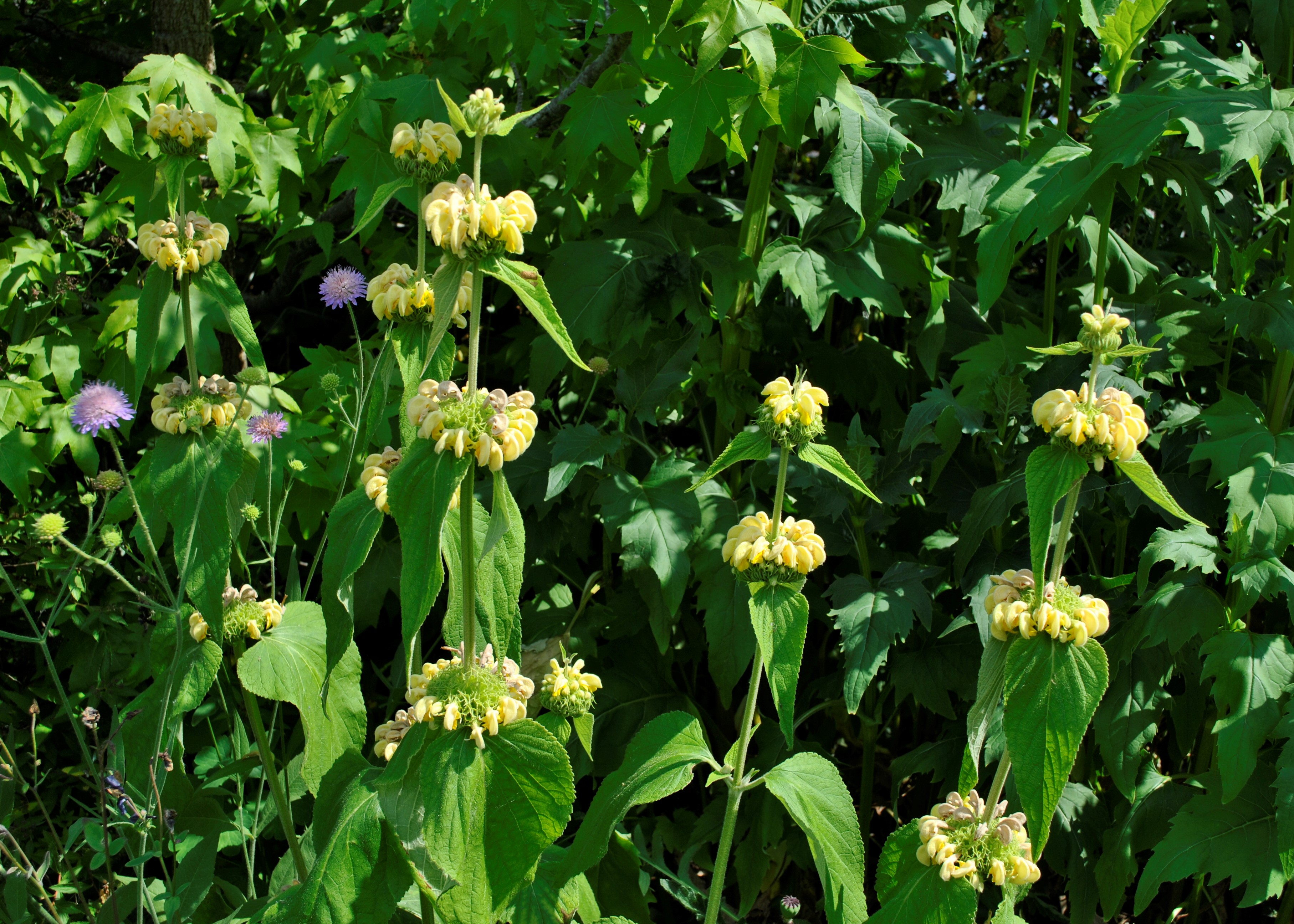
Phlomis russeliana wanders throughout my garden, popping up here and there in places where it feels comfortable. It always seems to grow better that way so I generally leave it alone. A valuable plant for dry parts of the garden where other things might struggle. It does produce a lot of seed though!

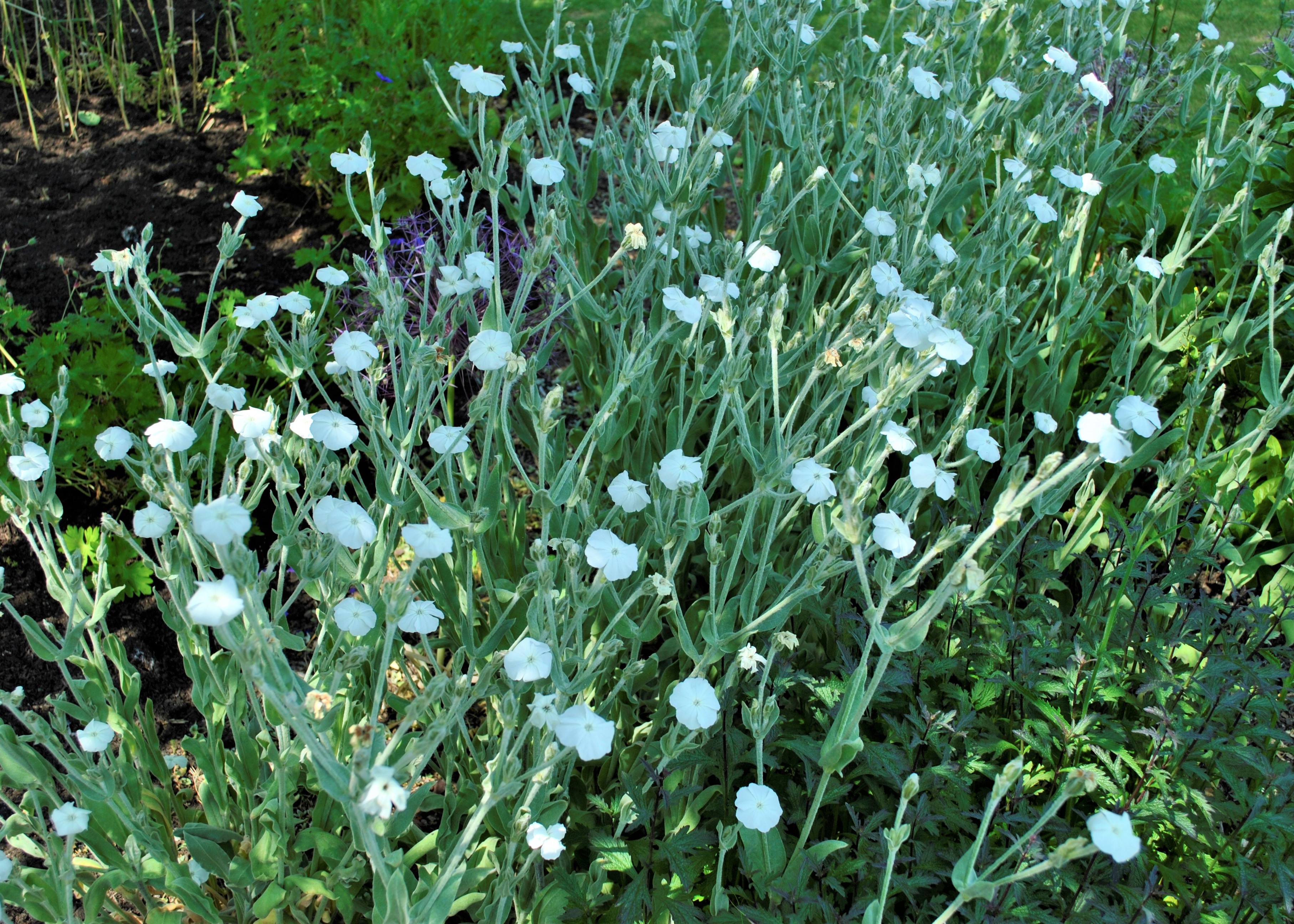
The same is true of my little forest of Lychnis coronaria ‘Alba’ which discovers where it wants to grow and tries to completely colonise the area with hundreds of seedlings. I have lost count of how many plants I have dug out and given away, or composted! Much more refined than the garish cerise Lychnis usually seen and much admired by garden visitors. A pig to deadhead though!

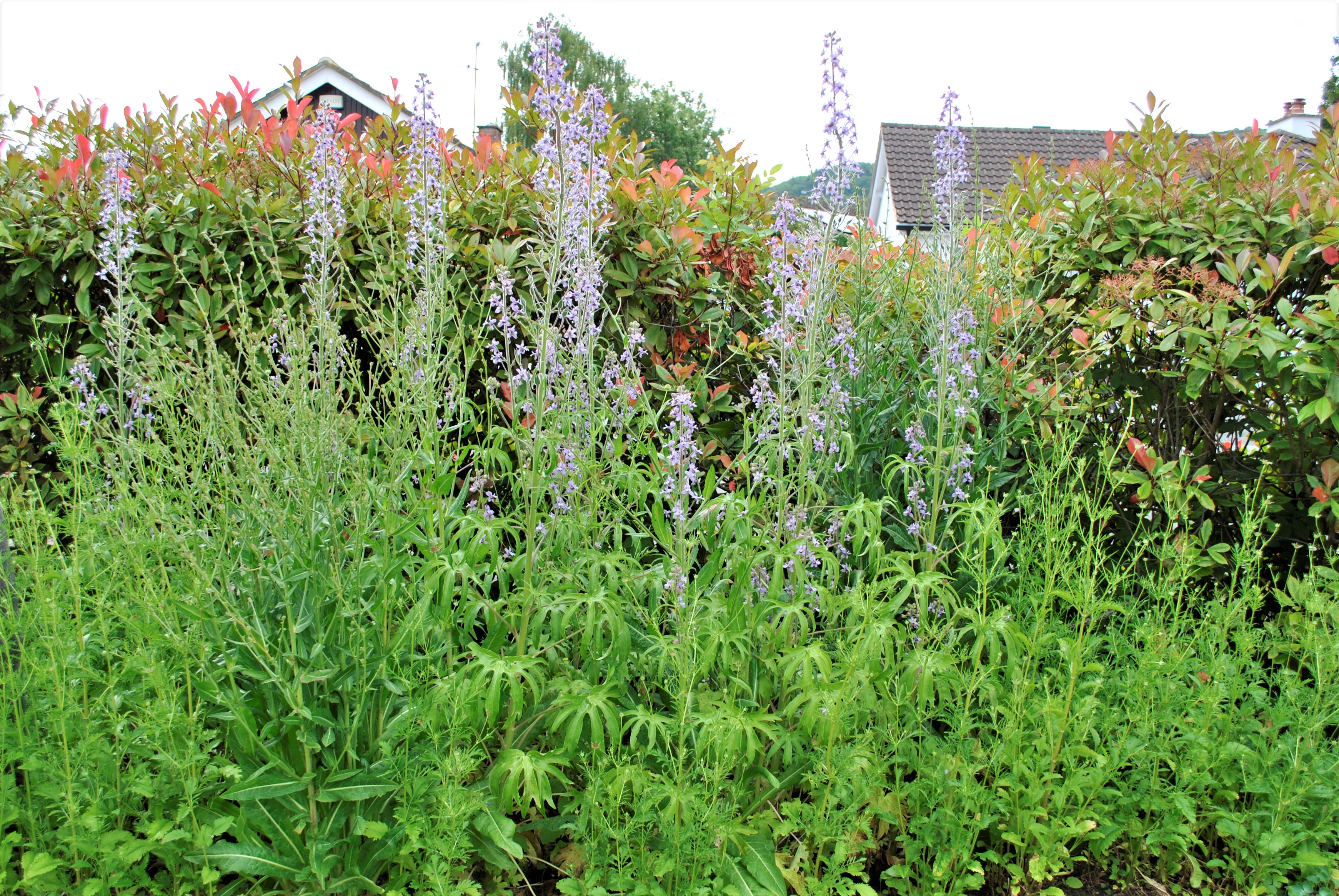
This is tricky to photograph due to the background but looks better if you click on the photo to enlarge it. Full marks to anyone who spotted the tall colourful flower spikes of Delphinium requienii, or Requin’s Larkspur. A species in the Ranunculaceae family which doesn’t get attacked by slugs and snails like ordinary Delphiniums do. Given to me by a friend two years ago, it now self seeds profusely in this little patch and mingles with chicory and scabious to produce a colourful border of blues and purples.

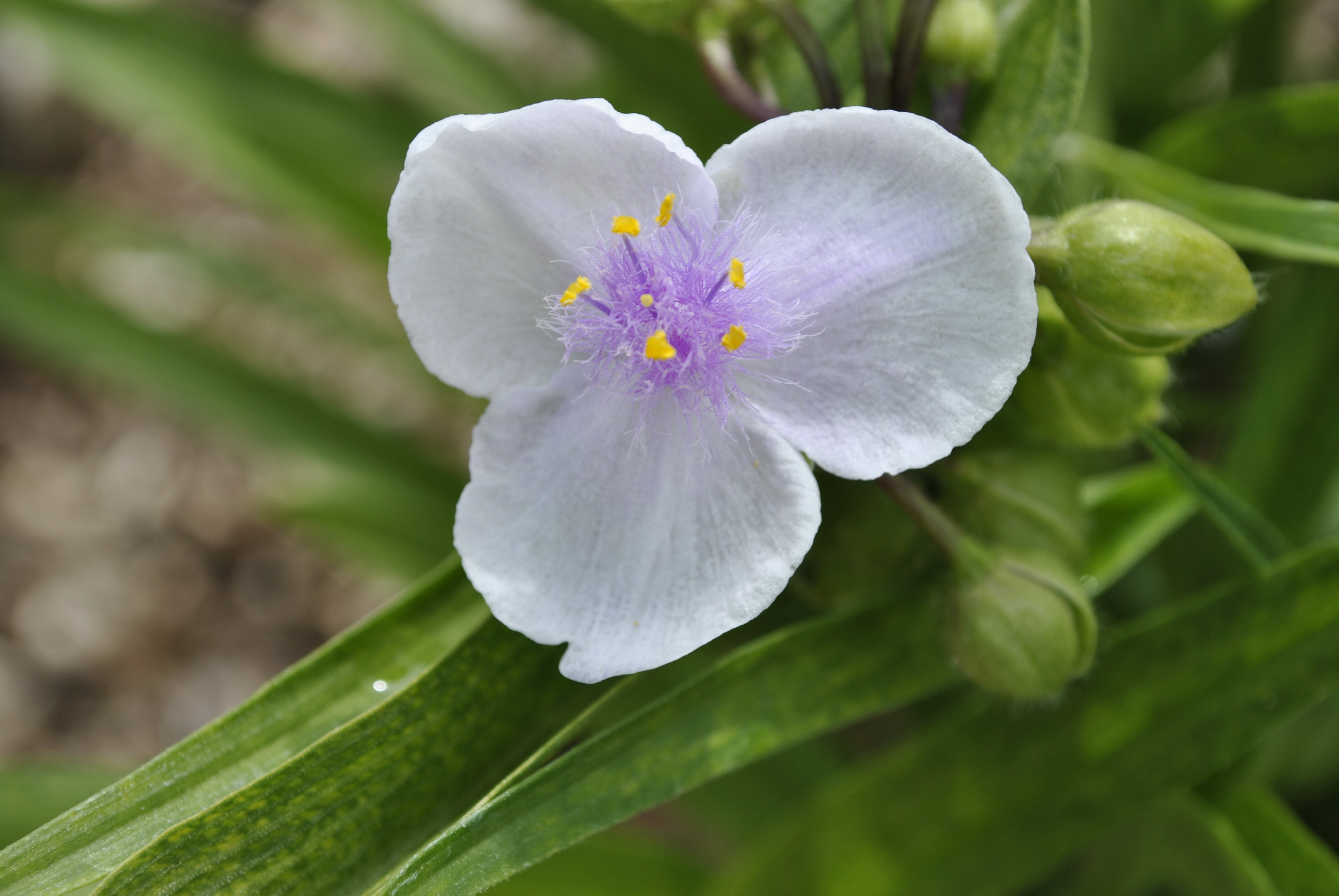
The latest addition to my National Collection of Tradescantias is ‘Temptation’, and I just couldn’t resist! Hints of pink in the three petals, dark pink filaments surrounding six stamens topped with bright yellow pollen anthers, rare and beautiful.

Have a great weekend

David
Six on Saturday

Over here in the Cotswolds, we are enjoying unseasonably warm weather which is extending the gardening year well beyond what we would normally expect. Yesterday, we took some friends to visit Bourton House Garden near Moreton-in-Marsh on a sunny, warm afternoon and we were in short sleeves!

Amongst the many unusual plants they display there, my favourite was ‘Poor Man’s Rhododendron’, Impatiens sodenii, the dramatic but frost tender perennial relative of Busy Lizzie, but huge, up to 8′ tall. Bourton House Garden was full of them in all colours.

The chrysanthemum I retrieved from my Grandad’s garden when he died in 1991 is still going strong and is now immortalised by a local nursery which propagates and sells it as Chrysanthemum ‘George Simons’. As tough as any hardy chrysanthemum can be, this very tall cultivar survived the attentions of my Grandad’s chickens during the second world war and is now spread around friends and family to keep it going.

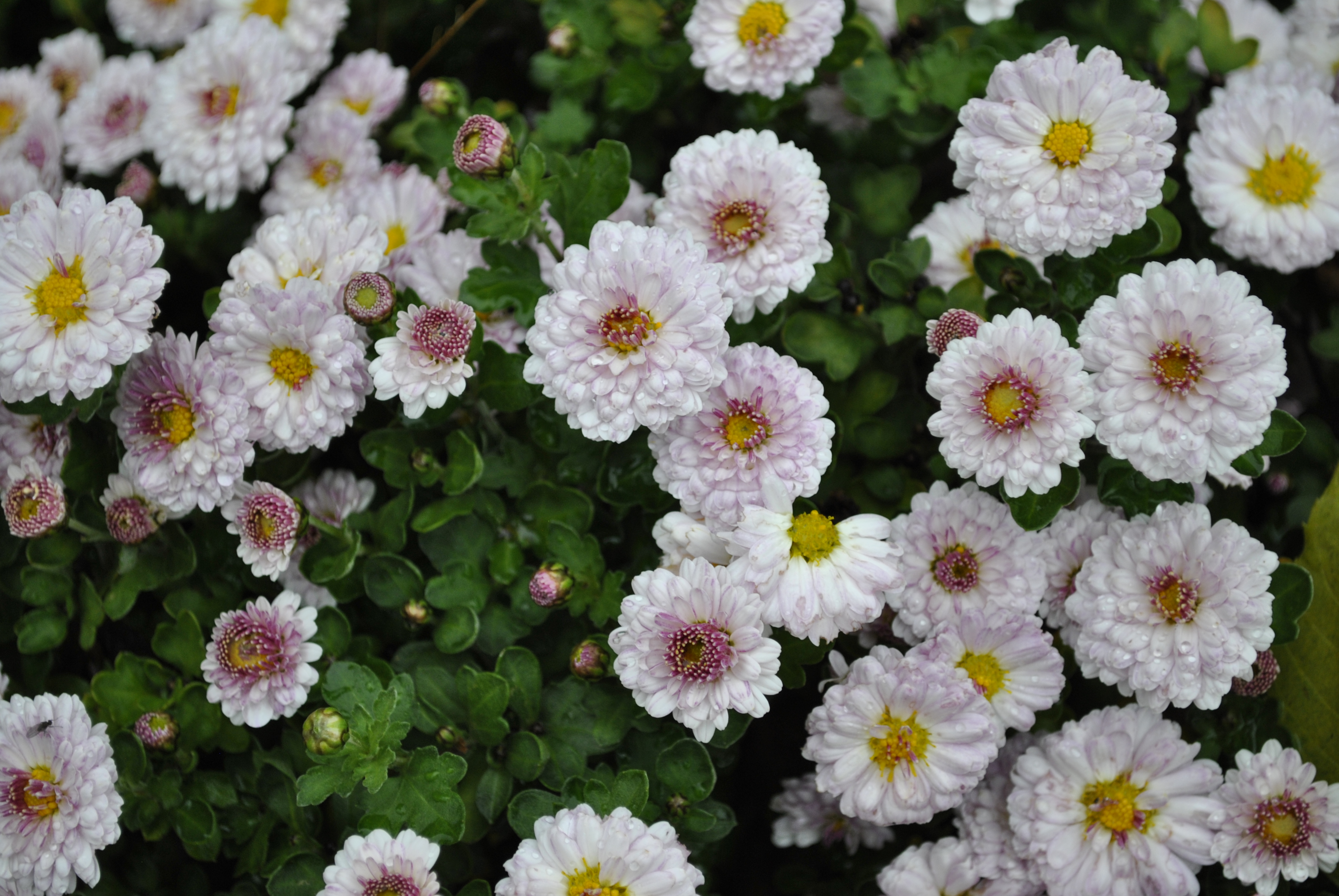
I am the Plant Guardian of Chrysanthemum ‘Romantica’, a button chrysanth which went out of fashion many years ago but which is worth saving if only for its sheer exuberance at this time of year. It is smothered with hundreds of small pinky white flowers which shine through the gloom of an autumn day.

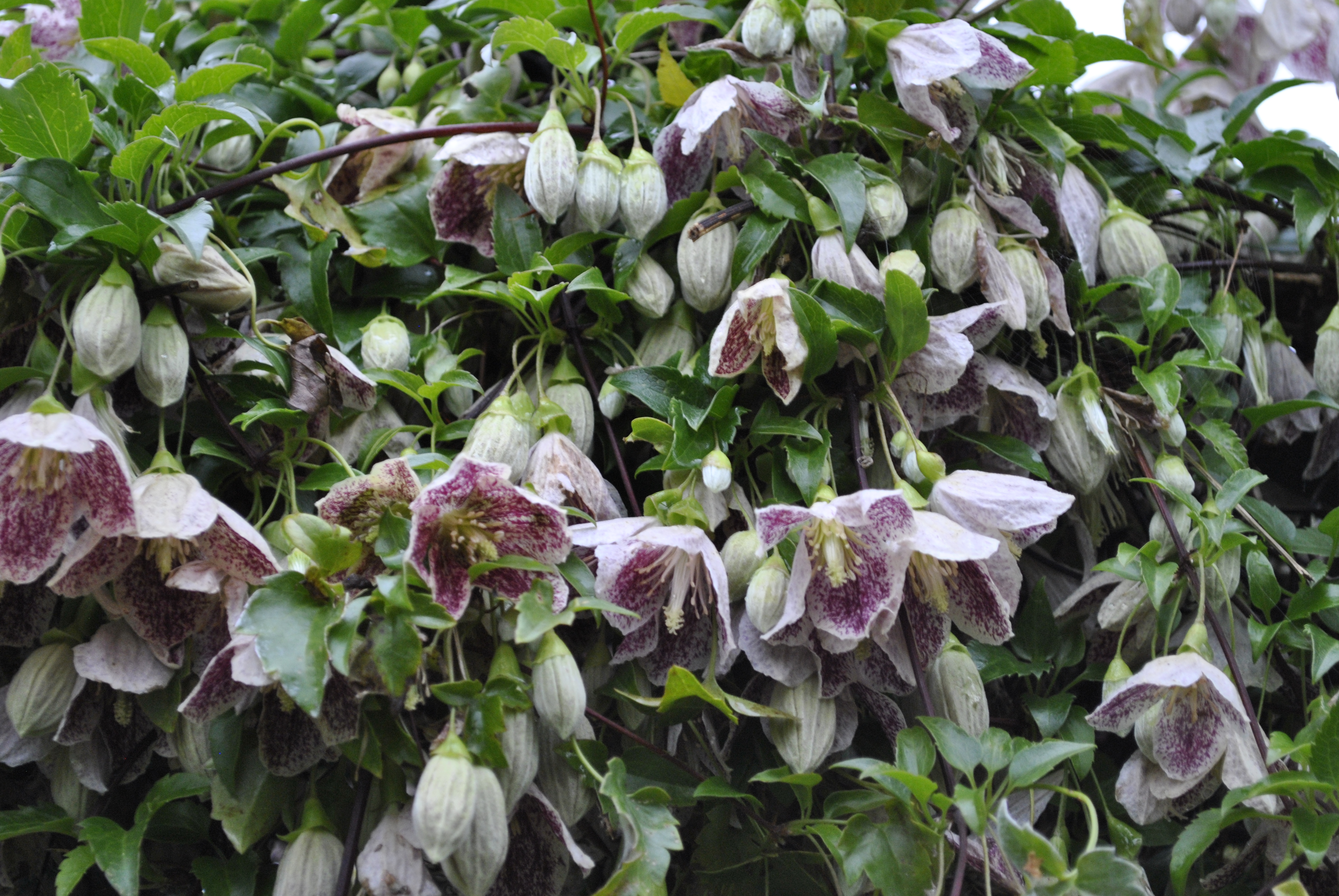
Clematis cirrhosa ‘Freckles’ is beginning to open for her winter show. She will carry on flowering until February draping the arch with her waxy bells and shrugging off anything the weather throws at her.

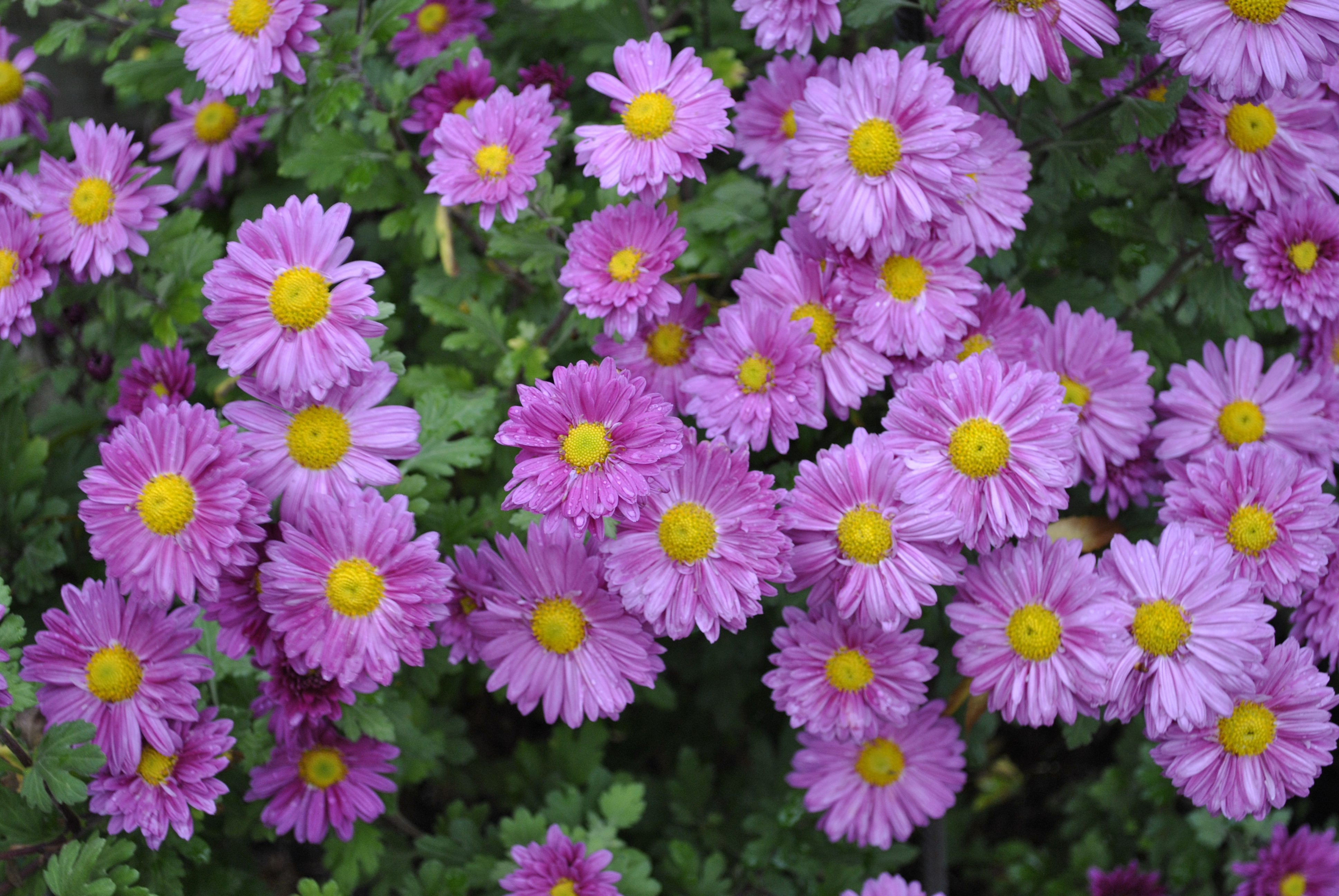
Another Chrysanthemum local to the area is ‘Bretforton Road’ which, I believe, was found by Bob Brown of Cotswold Garden Flowers literally growing on the roadside and named accordingly by him.

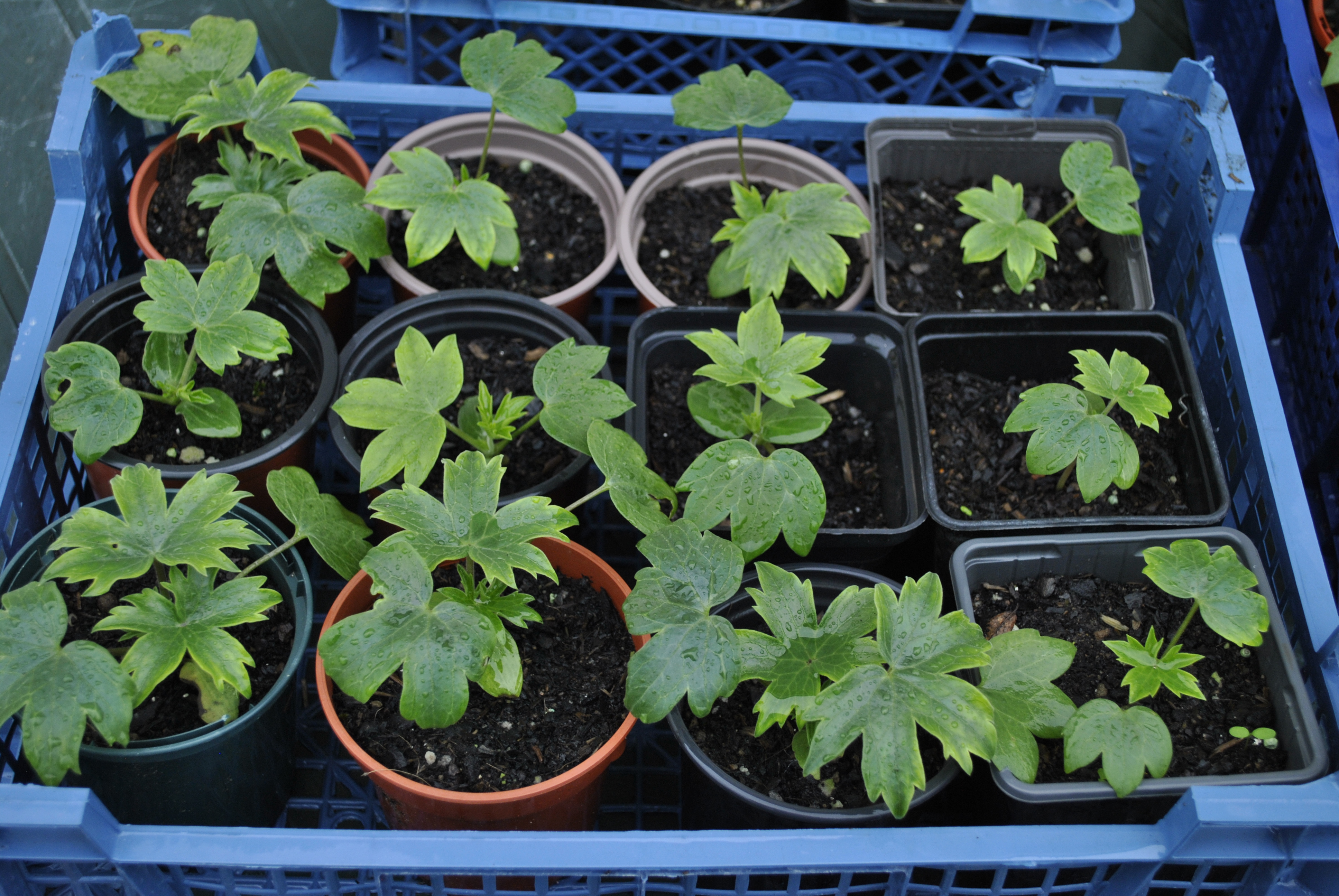
Finally for this weekend, a tray of self-sown Delphinium requienii seedlings dug out and potted up ready for next year. I have had a lot of interest in this plant since my friend Yvonne introduced it to me earlier this year. A biennial form which does not get eaten by slugs and snails. Tall spires of pinky mauve flowers in May and June make this a real winner.

Have a great weekend.

David

Six on Saturday

The paths in the cottage garden are slowly merging into the beds which makes for a better appearance but more difficult to walk on. The plants soften the edges and lean out for more light.

I love the way plants mingle and merge with each other, jostling for position and trying to outdo each other for light and space. Geranium ‘Rozanne’ is an expert and uses the other plants to give her a leg up.

This little patio standard rose from T&M was supposed to white but turned out to be a lucky mistake as I just love the soft peachy apricot colour. It sits in a pot by the patio table and has a subtle fragrance. If anyone knows what her name might be, I would be grateful for a comment please??

Dianthus carthusianorum, a tall pink with clusters of gorgeous dark red buds which break out into pale pink flowers over a long period in June and July. I spotted this in the long borders at Hidcote and bought three in the plant shop. One has since died but the other two are romping away and clumping up well with more flower stems each year. Thriving on neglect, they love my dry alkaline clay in summer, not too keen on my wet clay in winter!

My camassias have not flowered well over the last few years and a quick internet search revealed that, although they don’t like being moved, they don’t flower well if they are congested. This was obviously the reason because having dug up what I thought would be the five bulbs I planted 7 or 8 years ago, there were now over fifty! I have cleaned and dried them in the greenhouse and will re-plant them, farther apart this time, in September. They like damp heavy soil and do well naturalised in grassland but I am going to try them in pots of loam based compost where I can regulate the water and see if I can get them to flower with narcissus. I think the blue and yellow will look lovely together in spring.

Petchoas, a cross between a petunia and a calibrachoa, which I was recommended by the editor of Which? Gardening magazine last year. I’m not sure about them! I bought Caramel and Cinnamon but I find the colours too subtle and dull for what should be a bright and zingy hanging basket. It is claimed that they don’t need deadheading but I have found that not to be the case and pick off the dead flower heads every morning. However, as my favourite training consultant used to say, “try a lot of stuff, keep what works!”

Finally, Delphinium requienii, or perennial Larkspur, which is a tall, unusual stately plant acquired from a friend who has it on her allotment where it seeds around freely. Seems to flower in it’s second year from a rosette of shiny leaves which slugs and snails leave alone! I rather like it and look forward to passing on some seeds and seedlings for others to grow.

Have a great weekend

David

Six on Saturday

Just a pretty Poly to welcome you all on this dreary, windy and wet Saturday morning. Thankfully, my finger and toe crossing worked and we came off relatively unscathed after Eunice came in like a wrecking ball yesterday. Just one piece of broken glass, two lost floor mats and an upturned wheelie bin. All roof tiles intact, all fence panels still in place and, best of all, no lasting damage to my garden plants or greenhouse.

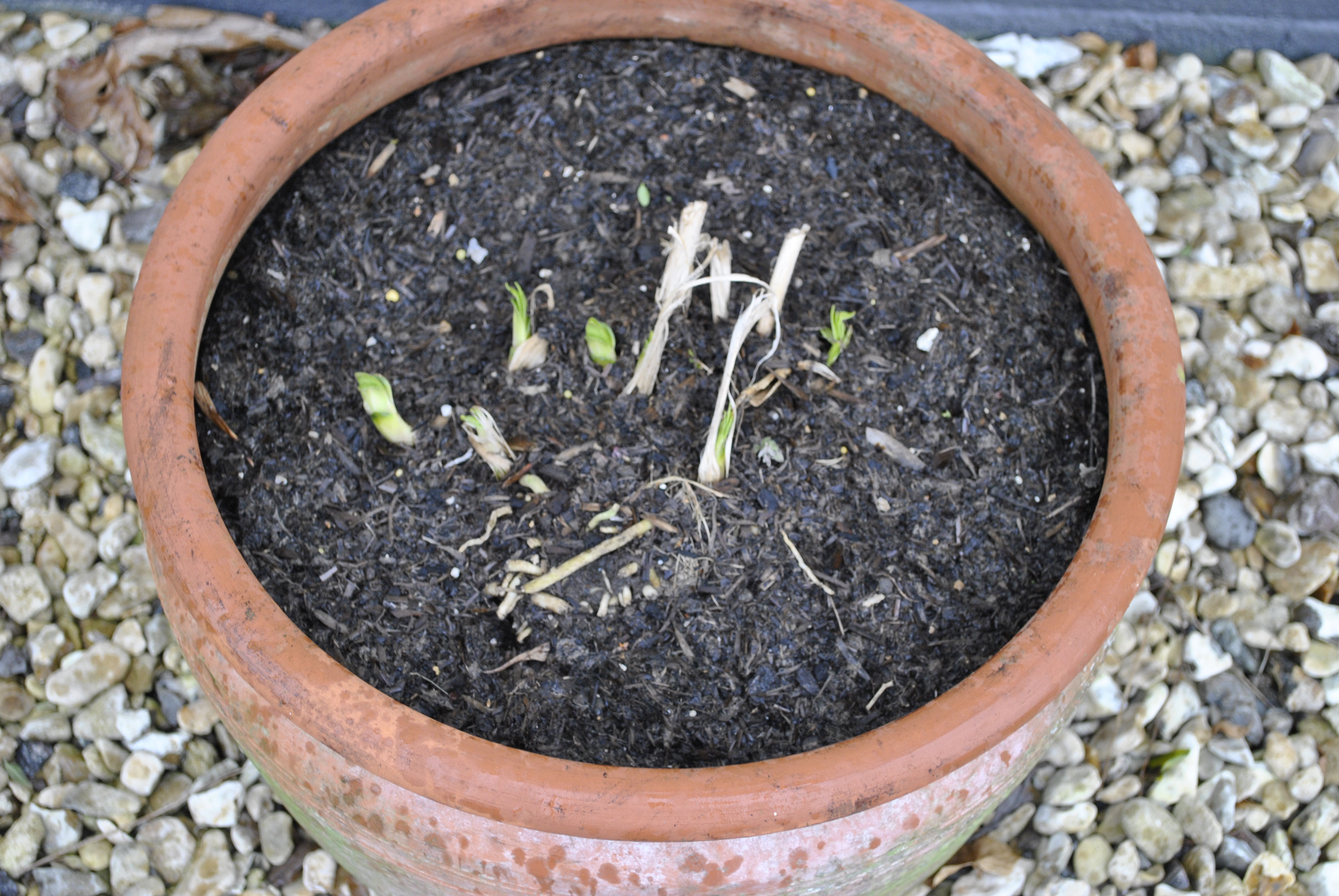
I am sure we are all familiar with emerging Delphiniums, the gourmet food of slugs at this time of year. I don’t have many for that very reason. I just can’t bear the sight of munched plants and try to avoid hostas and other such slug and snail delicacies rather than use chemical solutions. However, discussing this with a friend recently, I was presented with this:

Delphinium requienii, a hardy biennial form from the South of France with thicker shiny leaves which slugs avoid! It grows on my friends allotment and is a prolific self-seeder there. It might as well be perennial, she says, because its offspring come true every year from seed. Different flowers from both perennial Delphinium and a different genus from annual Larkspur, this should become a permanent resident of my sunny herbaceous border.

The tall, late flowering, dark blue Agapanthus, which was becoming swamped beside a burgeoning Pittosporum tenuifolium, has been lifted and divided into 4 quarters this week, each one now in its own large pot. It didn’t seem to notice being hoicked out of the ground, sliced up with a spade and moved to a new home. It has continued to put on new shoots and is apparently perfectly happy.

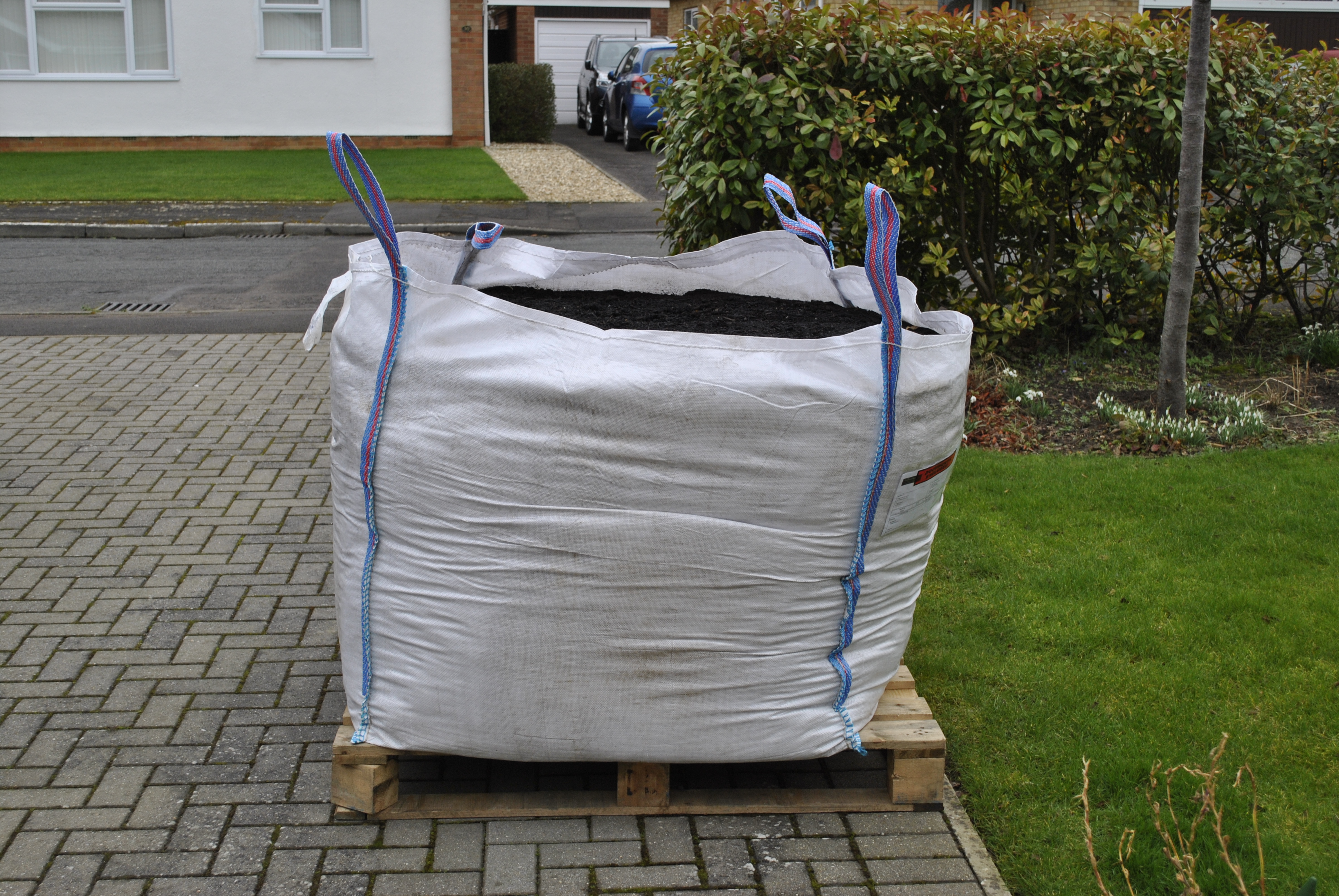
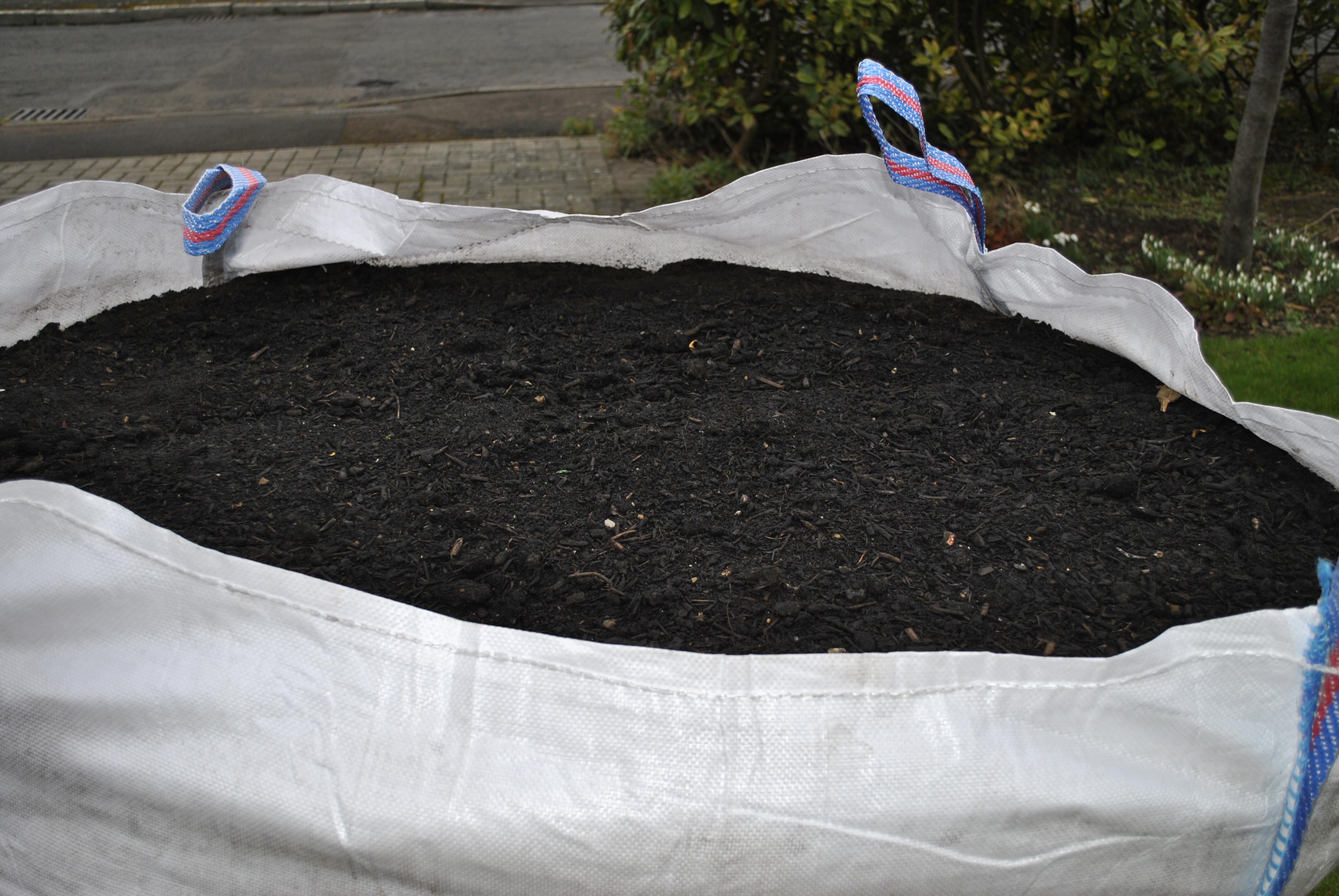
On Monday, my Valentine’s Day present to my darling wife arrived on a lorry. 1000 litres of beautiful, dark, crumbly recycled green waste soil improver. She was not impressed. I tried to explain that this was the ultimate eco friendly, recycled, low carbon footprint alternative to red roses flown in from Kenya but she was having none of it. Looks like I will have it all to myself!

If anyone is interested in treating the other half to a similar gift, it came delivered on a pallet lorry from Earth Cycle in Chichester and this is their website. https://earthcycle.co.uk/?utm_source=bing&utm_medium=cpc&utm_campaign=Pure%20Brand%2BUK%2BAll%2BSPART&Campaign=Pure%20Brand%2BUK%2BAll%2BSPART&Source={Bing}&Medium={cpc}&msclkid=99a752d3052c147231bd30c3cc99b51d

That’s it for this week. Next week I will be sharing some information about my new website all about my Tradescantia Collection which you can follow if you wish.

Have a safe weekend

David