Six on Saturday

We are currently enjoying a spell of good weather here in Gloucestershire and the plants have appreciated it. As per usual, the sturdy little Aster ageratoides ‘Stardust’ is already in flower and pushing its way to the front to be admired.

The ever-increasing clump of Helianthus ‘Miss Mellish’ is reaching new heights, no doubt thanks to the spring rain and mild temperatures. However, even a ‘Chelsea Chop’ in May doesn’t seem to hold it back for long, the side shoots sending up even more cheery bright yellow ‘suns’. Fascinating to glance over every hour or so during the day to see the flowers turning to face the sun!
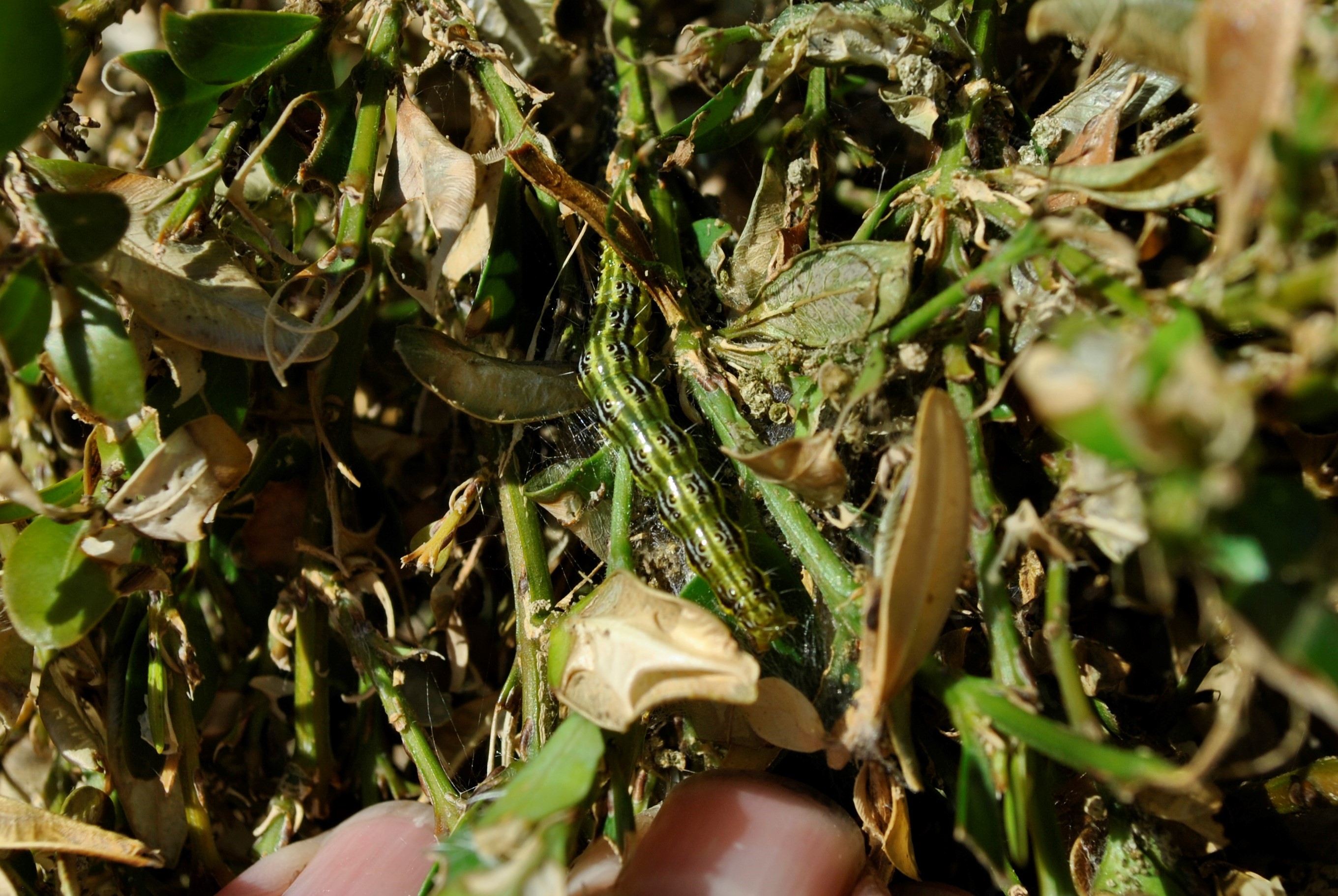
A friend asked me for advice last week, and you can probably see why! She has, or rather had, a beautiful collection of neatly clipped Box balls, Buxus sempervirens, which have all been ravaged by the Box Moth Caterpillar. I gave her the name of the recommended treatment with XenTari, but I think the damage is done. So sad when years of work and dedication are ruined, but that is just nature at work.

Of the many echinacea I have tried over the years, these Echinacea pallida have been the best and most long lived. Perhaps because they are a species rather than one of the many cultivars now available, I’m not sure. I do also have a small clump of Echinacea purpurea which comes back every year, but I fear that is dwindling.

Looking down the front border the other way, A newcomer this year is Leucanthemum superbum ‘Edgebrook Giant’. a big, showy, Shasta daisy which I acquired from the Plant Heritage Plant Exchange last year as a tiny rooted cutting. Now in its second year, it is dominating this part of the border with it’s huge white daisy flowers with bright yellow centres.

The star of the roses this year has been ‘Let’s Celebrate’ which has flowered non-stop since early June and is showing no signs of letting up. Not a strongly scented rose but the clusters of fluffy pink and white flowers are much admired by visitors which is usually the sign of a good rose!

Finally, it’s going to be a very good year for the rowan, Sorbus hupehensis ‘Pink Pagoda’, which seems to produce fruit every other year. I love watching the antics of the wood pigeons as they edge out gingerly to the tips of flimsy branches to pick the berries. Amazingly, they never fall off!

Have a great weekend

David
Six on Saturday

Obviously, the intense heat has been the main topic of conversation this week and, for gardeners in particular, it has been difficult to cope with. Many of my potted plants have become dehydrated and flopped before I noticed, but a good drink and they all revived fairly quickly. I always worry about the longer term damage it might have done though, I am sure that like us, a sudden and debilitating change in health can’t be good for them. However, we keep calm and carry on watering!

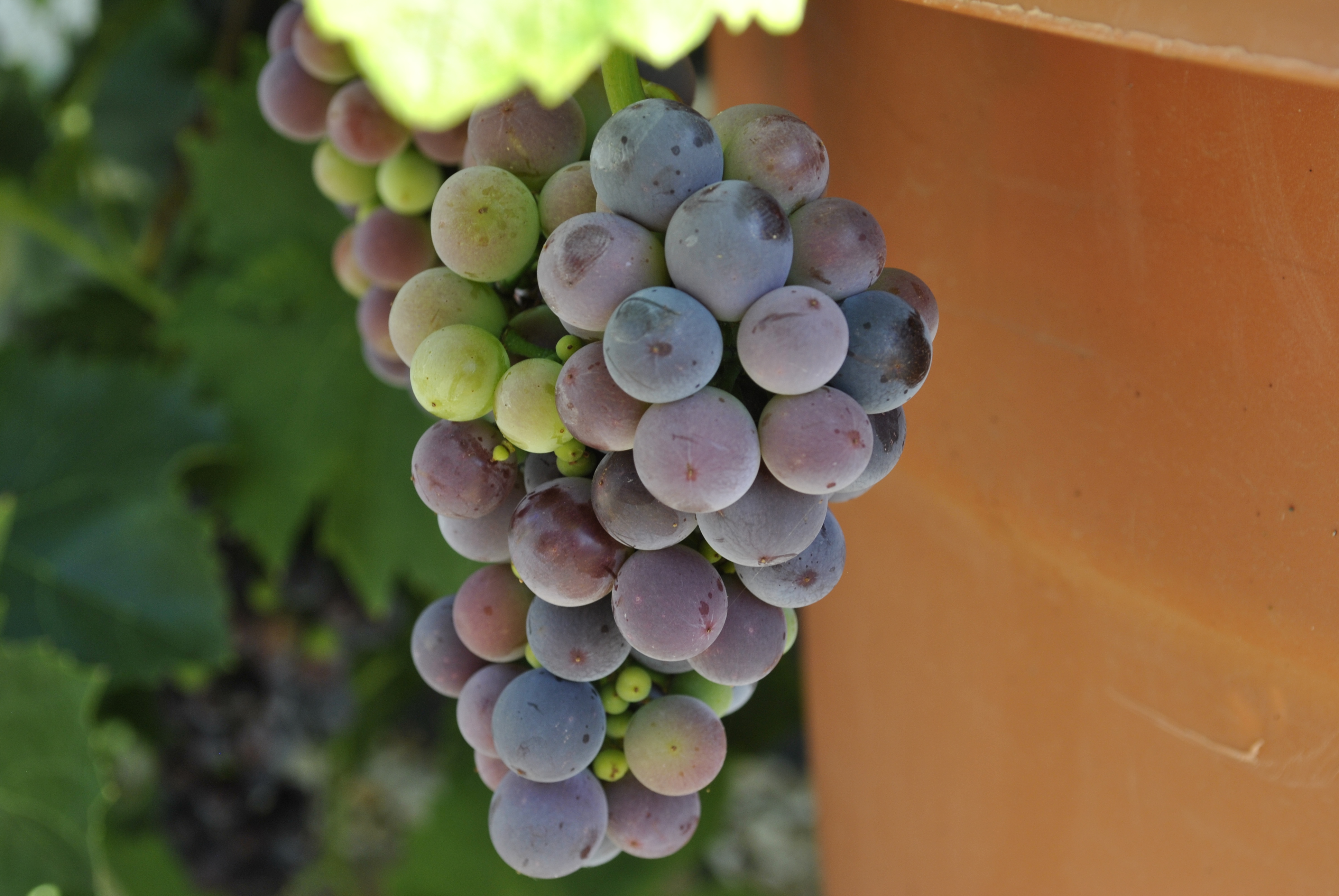
The ‘Pink Fox Grape’, Vitis labrusca ‘Isabella’, has produced a good crop of sweet purple fruit almost ready to be picked and made into grape jelly. I am not a winemaker, and even if I was there is only enough fruit for a few bottles, but these are sweet enough to be eaten as a dessert grape as well, lovely with a bit of cheese, yum.

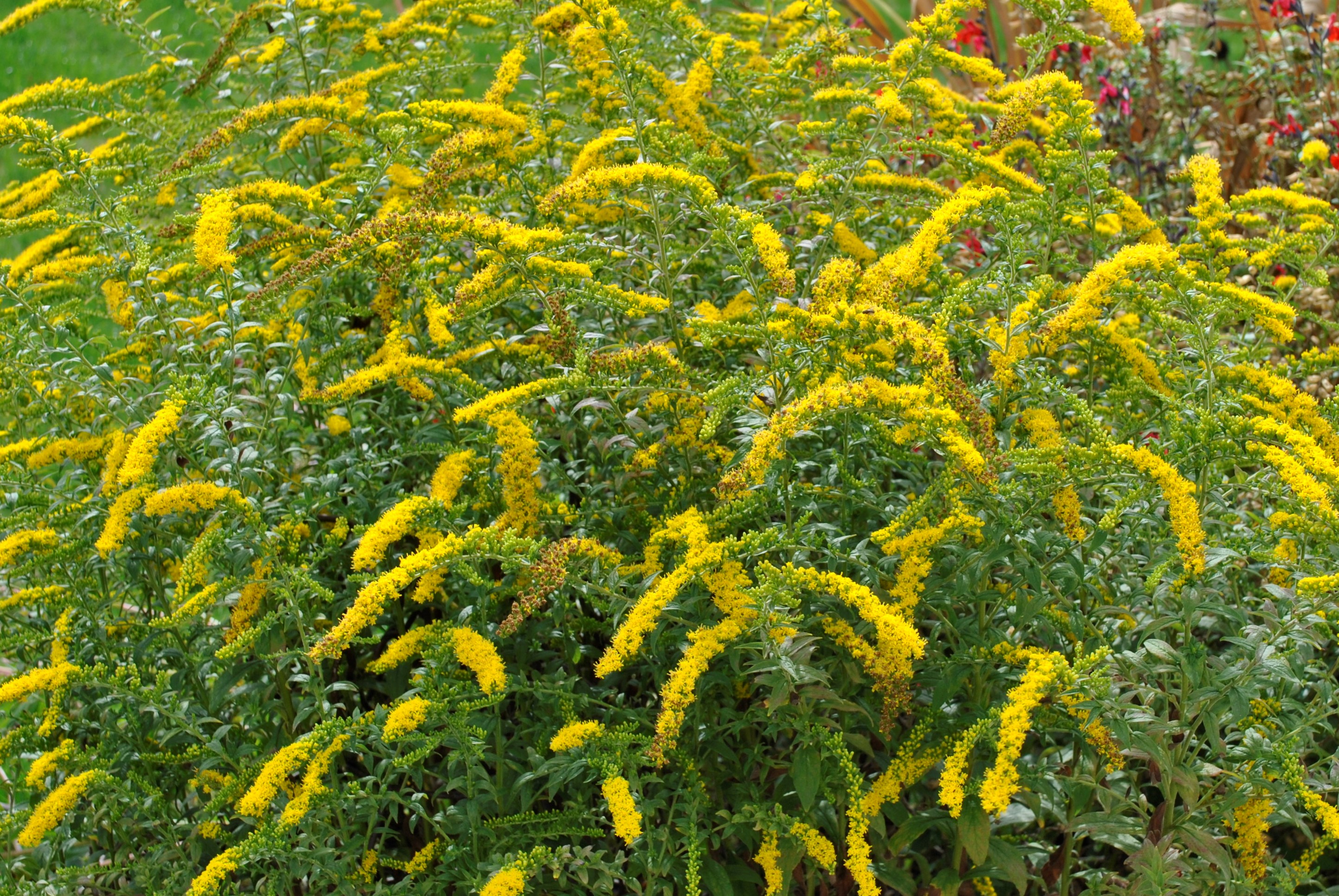
For those who don’t like Golden Rod, this is its refined cousin, Solidago rugosa ‘Fireworks’, which works well in late summer and early autumn with blues and purples like Symphyotrichum and asters, Salvias and even Cosmos. It is a fuss free hardy perennial which literally erupts in all directions with long-lasting spikes of yellow florets which are adored by bees and other pollinators.

The second flush of Delphiniums is never quite as good as the first but still impressive and the slugs don’t seem to bother with the new shoots at this time of year. I only cut these back to the ground in late July so not bad in just 6 weeks.

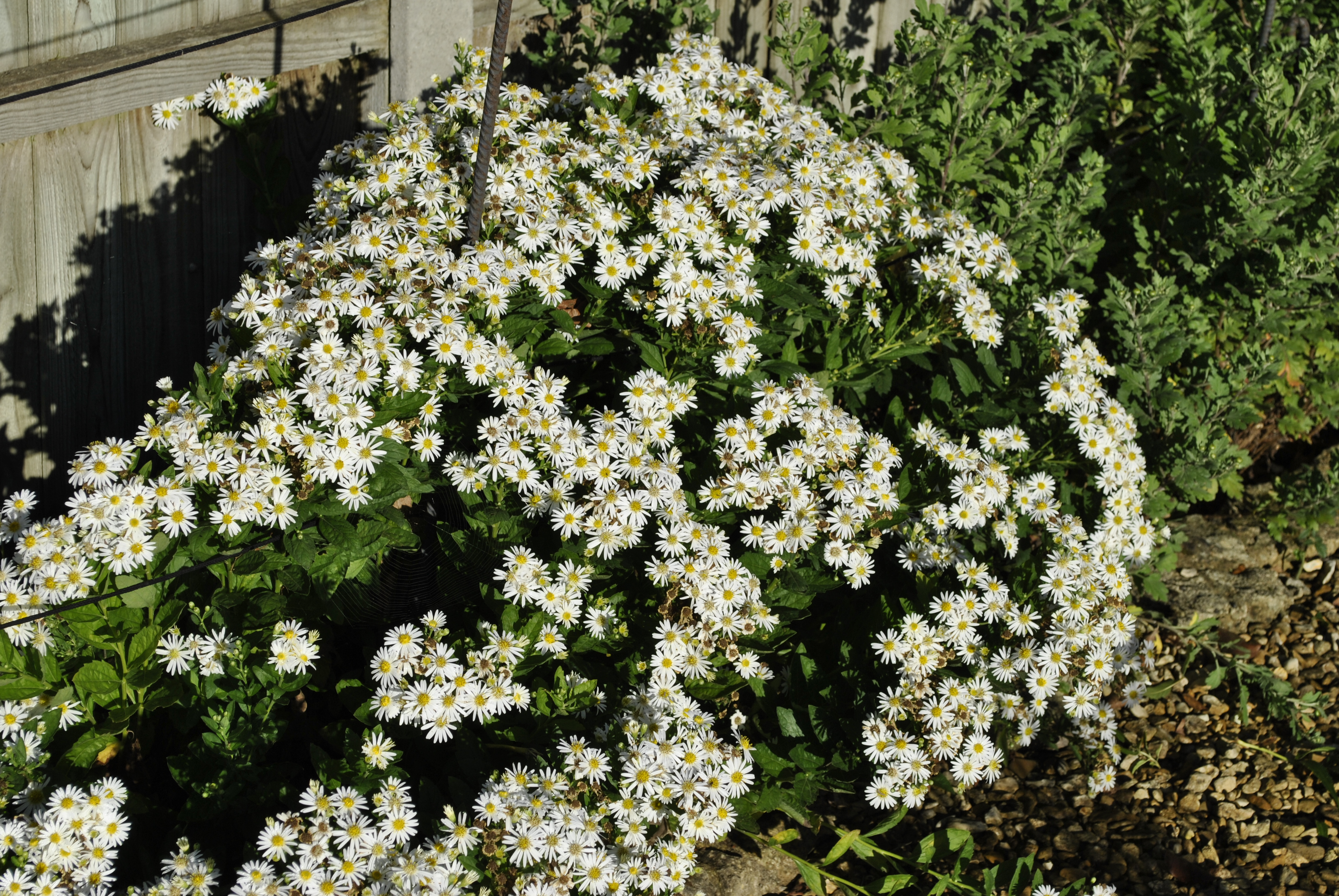
The Asian aster, Aster trifoliatus subsp. ageratoides ‘Stardust’, is a hardy, low maintenance and reliable, spreading perennial. In late summer it produces clusters of dark green leaves topped with masses of pure white daisy flowers with bright yellow centres. Very easy to grow and easy to create new plants from the underground spreading runners. I started with one plant and now have twenty and that’s on top of the dozens I have given away to unsuspecting friends and gardening club members!

Following on from last week’s mention of the beginnings of autumn colours, the Liquidambar styraciflua ‘Worplesdon’ has now produced the most delicious range of reds, oranges, browns and fawns as the tree slowly begins to slip into dormancy for another year.

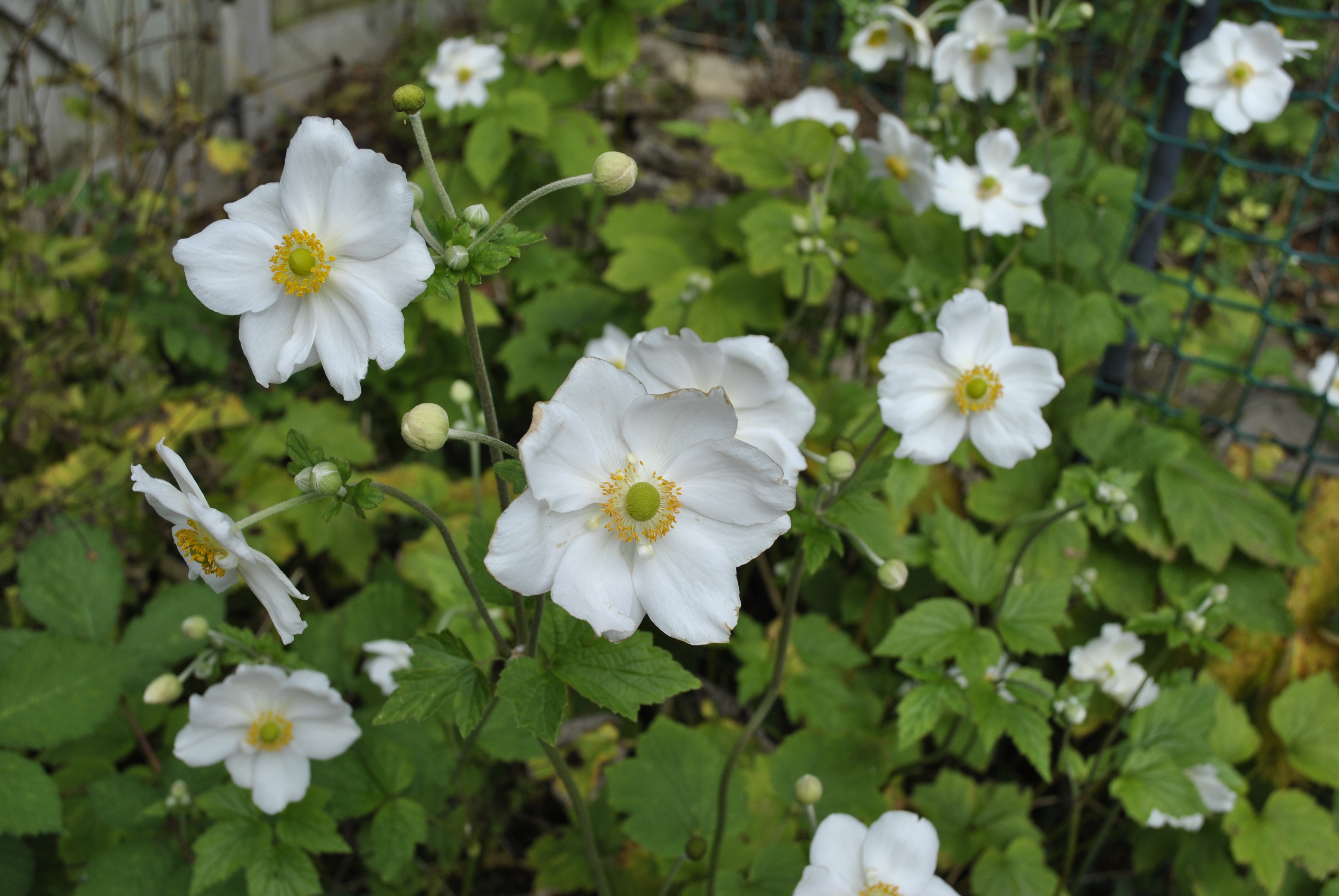
Finally for this week the lovely Japanese Anemone ‘Honorine Jorbet’ which is delighting me with her beautiful pure chalky white flowers with green centres surrounded by bright yellow stamens and anthers. Simply a wonderful combination on a plant that enjoys the dry shade and gloom of a north or east facing garden or border.

Have a great weekend and keep cool. Rain is on the way!

David

Six on Saturday

So excited! My immature Fox Grape, Vitis labrusca ‘Isabella’ has produced one bunch of beautiful sweet fruits which will be picked and eaten in a few days. Now I have to find somewhere in the garden to put it. It has survived in a large pot for three years, but now it is bearing fruit I will have to find it a permanent place against a sunny wall to train it as the growth next year will be substantial and it will be starved of water and nutrient in a pot.

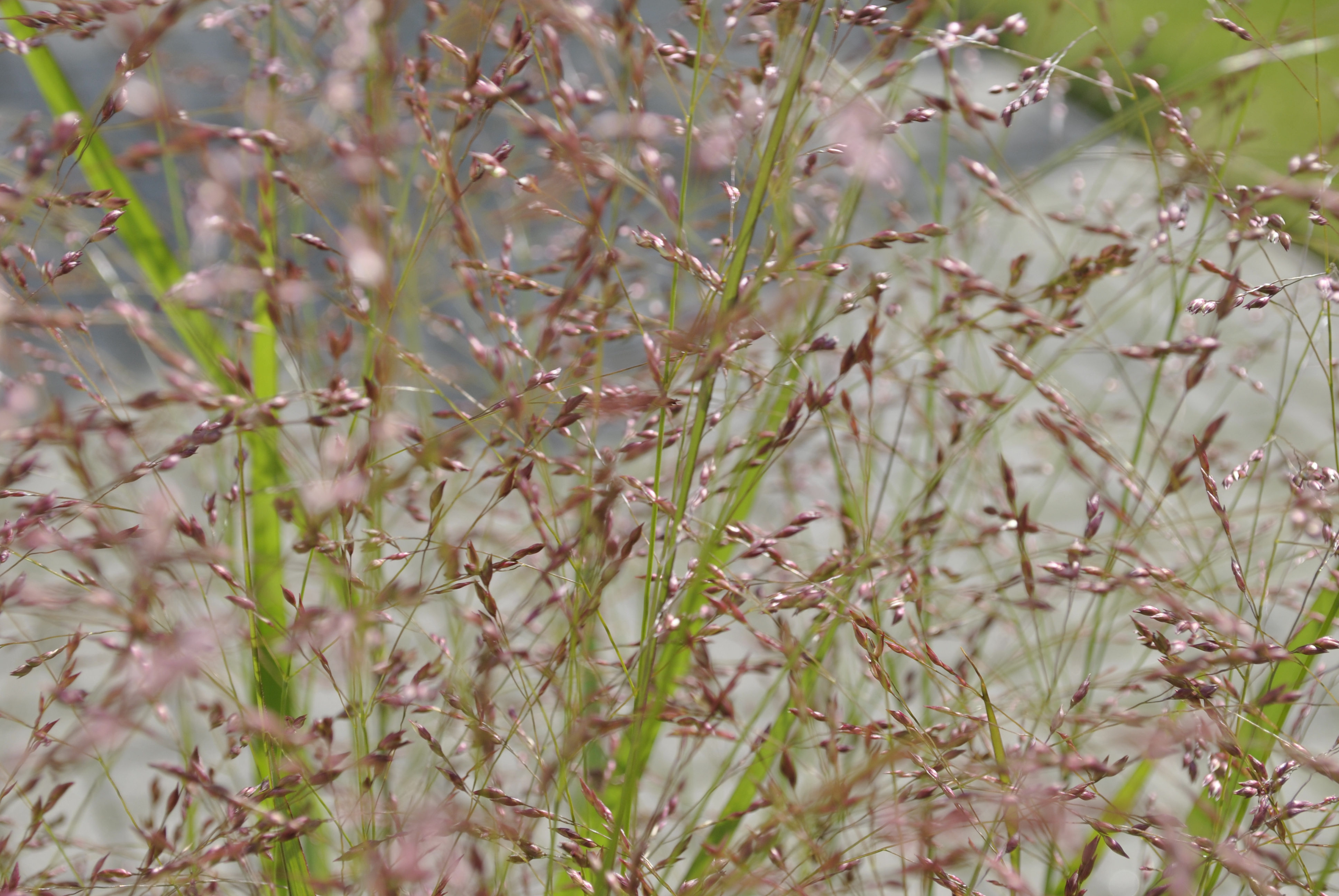
Grasses are difficult to photograph! This beautiful Panicum virgatum ‘Purple Tears’ is a case in point. Chest high and wide, it is at its peak now with wonderful photogenic seed heads that sway in the slightest breeze but on which the camera struggles to focus! Still, you get the point!

I have stopped growing Symphyotrichum as I found them weedy and needing support, often attracting mildew and generally unattractive. This one, however, is dainty and low growing Aster ageratoides ‘Stardust’ which is a healthy, well behaved, self supporting species aster which slowly spreads to form an attractive colony of pretty white daisies in September and October. It is loved by pollinators and provides plentiful nectar just at a time when most summer flowers are going over. Very easy to propagate by division or semi-rooted cuttings, totally hardy and as one knowledgeable nurserywoman pointed out to me, hides its dead flowers with new ones!

Still going strong and showing no signs of slowing down, Diascia personata continues to provide colour in various spots in the garden. This was a leftover cutting from last year and has been in flower since May in a pot. In the ground they can get quite tall and need supporting to stop them flopping and swamping adjacent plants, but they do less damage in a pot!

Another difficult subject to photograph is this Solidago rugosa ‘Fireworks’ which, as the name implies, shoots off its flowers in all directions in a wonderful display which goes on for weeks and weeks. Another easy late summer/early autumn border filler which goes particularly well with purple Symphyotrichum at this time of year.

Still a few cornflowers about. Was there ever a more true blue flower?

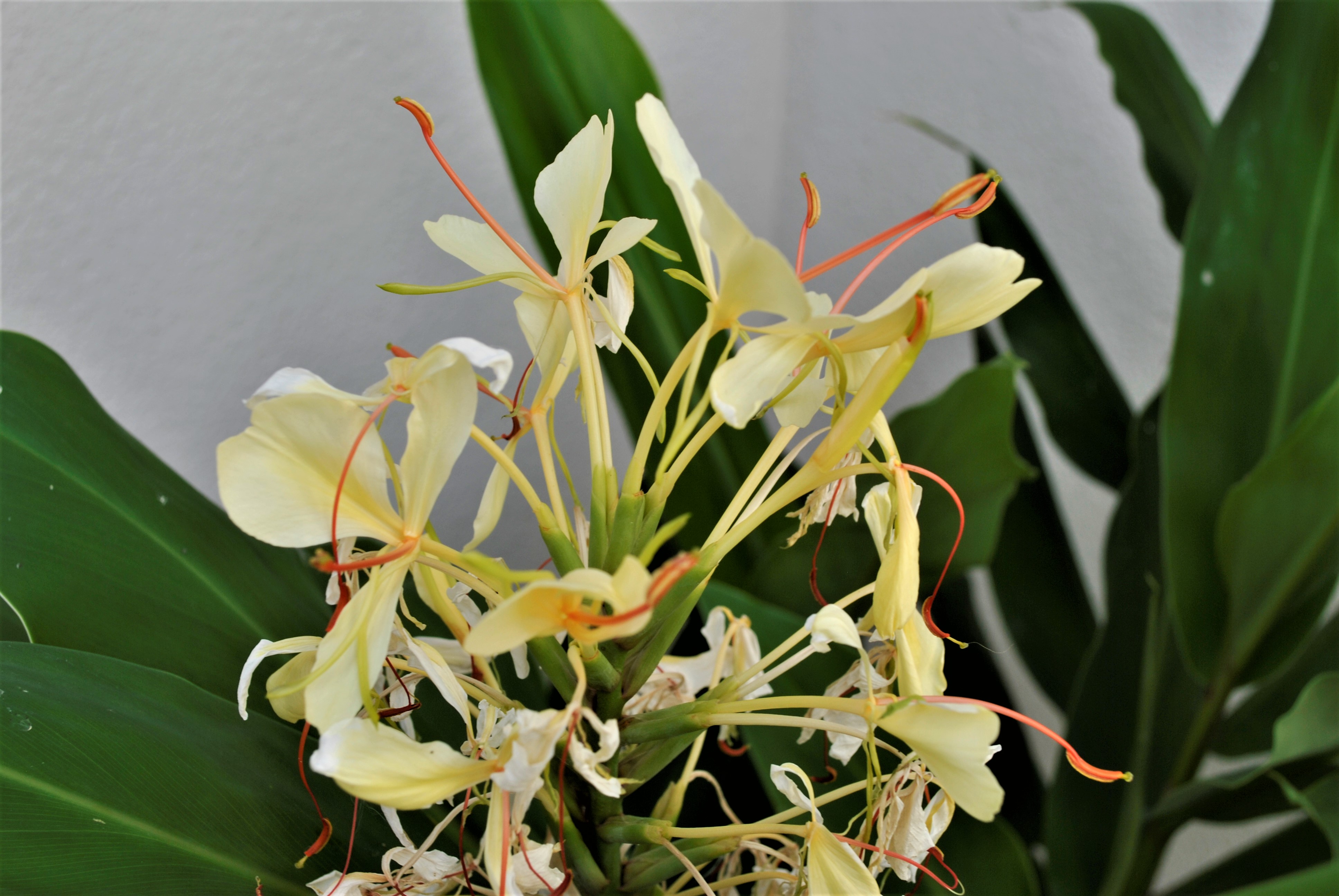
My first time growing some ginger lilies, this one is Hedychium flavescens with its spidery, heavily sweet scented blooms and spear-like dark green leaves which bring a tropical look to the late summer border. Surprisingly easy to grow from their fleshy rhizomes and undemanding in pots, they would do well in a conservatory but are hardy enough to be grown outdoors with a little winter protection.

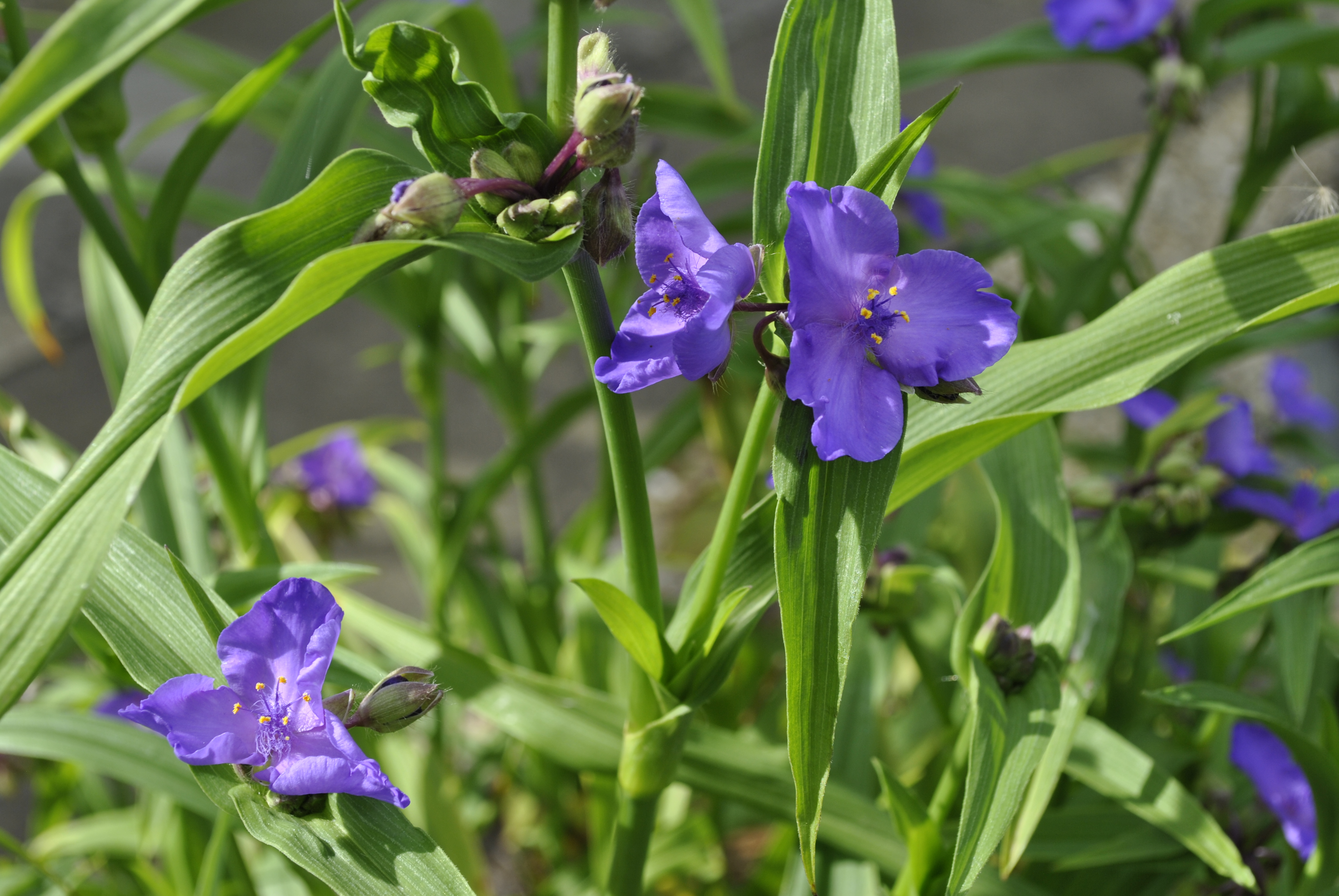
The last few flowers on my Tradescantias before they are cut back this weekend. It has been a great first year for my new hobby which received National Collection status from Plant Heritage earlier this month. I have currently amassed over 40 species and cultivars of T. virginiana and T. Andersoniana Group which is roughly three quarters of those available in the UK but I am keen to find a way of bringing others in from the USA if and when phytosanitary rules allow.

Have a great weekend

David